
How to Become a Data Annotation Tech: Expert Guide
Are you curious about a job that combines technology and attention to detail? Becoming a Data Annotation Tech might be just what you’re looking for.
This role is crucial in teaching machines how to understand information correctly. You don’t need to be a tech genius or have years of experience. With the right steps, you can start a career that’s in high demand and offers exciting opportunities.
Keep reading to discover exactly how you can become a Data Annotation Tech and take your first step into this growing field.
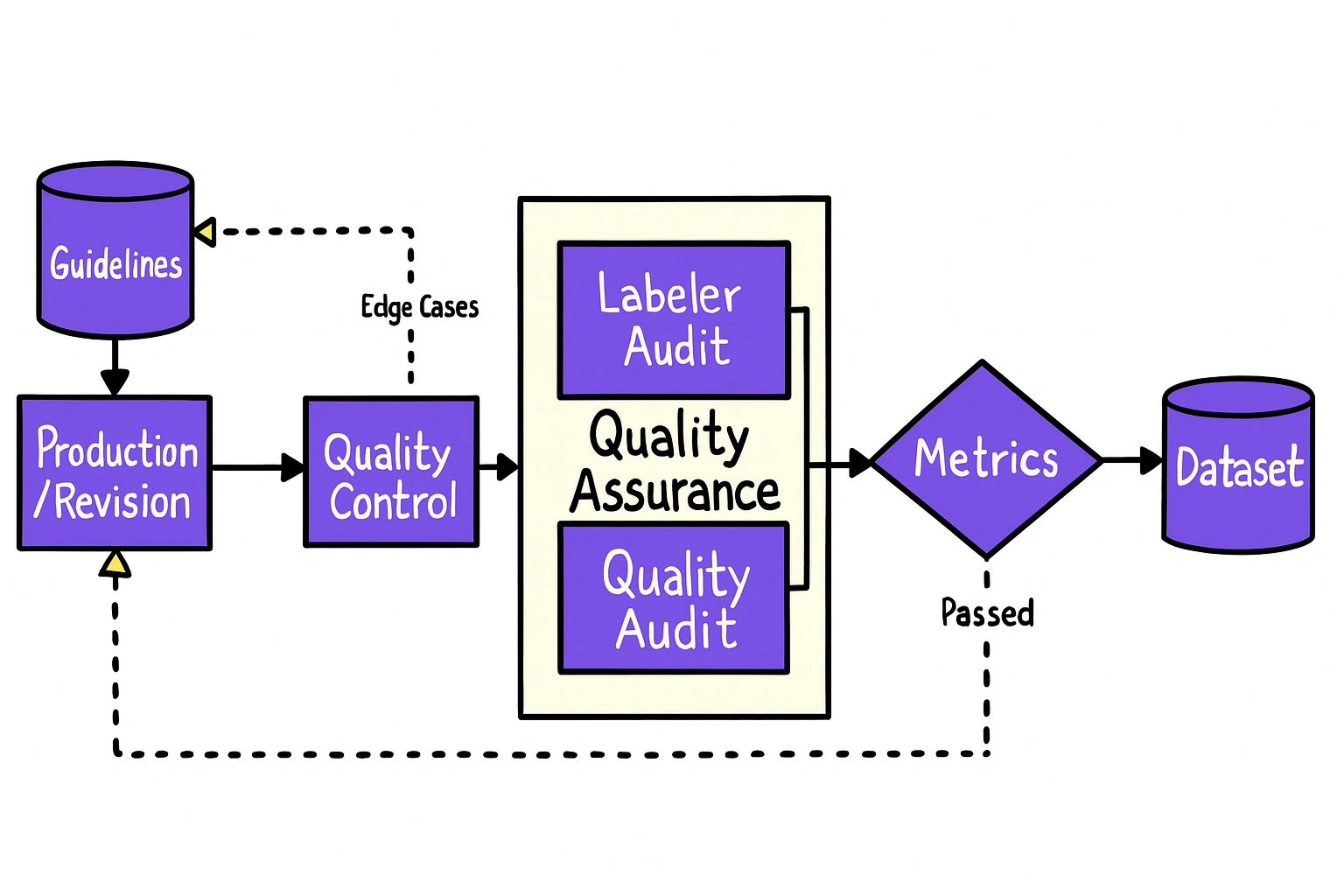
Credit: www.innovatiana.com
What Is Data Annotation Tech
Data annotation tech plays a crucial role in the development of artificial intelligence and machine learning systems. It involves labeling or tagging data so that algorithms can learn from it effectively. Understanding what data annotation tech is will help you grasp why this skill is in high demand and how you can start building your expertise.
What Does Data Annotation Tech Involve?
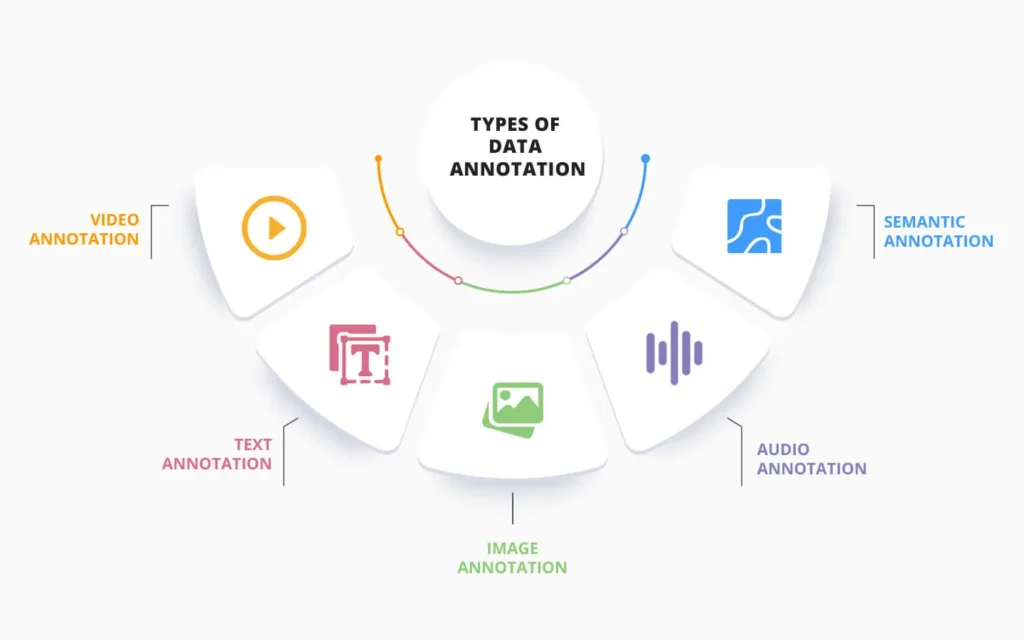
At its core, data annotation tech is about adding meaningful labels to raw data. This can include images, text, audio, or video files. The labels help machines recognize patterns and make decisions based on the information provided.
For example, if you’re working with images, you might draw boxes around objects or tag specific features like “cat” or “car.” In text, you might highlight key phrases or categorize sentences by sentiment. These tasks require attention to detail and a clear understanding of the project’s goals.
Why Is Data Annotation Important?
You might wonder why simply labeling data is so critical. Without accurate annotations, AI models can’t learn correctly. Poorly labeled data leads to errors and unreliable results in real-world applications.
Imagine training a self-driving car’s AI with images where pedestrians aren’t clearly marked. This could cause the car to misinterpret its surroundings, leading to dangerous situations. Your role as a data annotation tech directly impacts the safety and effectiveness of such technologies.
Who Uses Data Annotation Tech?
Data annotation tech is used by a wide range of industries. Companies developing voice assistants, medical imaging tools, autonomous vehicles, and even social media platforms rely on annotated data. This diversity means there are many opportunities for you to find work that matches your interests.
- Healthcare: Annotating medical scans for diagnosis support.
- Retail: Tagging product images for better search results.
- Automotive: Labeling road signs and obstacles for driverless cars.
- Entertainment: Categorizing video content for recommendations.
What Skills Do You Need To Become A Data Annotation Tech?
You don’t need advanced degrees to start, but some skills will make you more effective. Attention to detail is the most critical. You must accurately identify and label data without missing important elements.
Basic computer skills and familiarity with annotation tools also help. Some projects may require domain knowledge, such as understanding medical terminology or traffic rules. Are you ready to train your eye and become a key player behind intelligent systems?
Key Skills Needed
Becoming a data annotation technician requires a blend of specific skills. These skills help ensure the data is labeled accurately and efficiently. Strong skills improve the quality of work and support machine learning projects.
Technical Skills
Familiarity with annotation tools and software is essential. Basic computer skills, such as using spreadsheets and databases, help manage data. Understanding file formats like images, text, and video is important. Some knowledge of programming languages can be helpful but is not always required.
Attention To Detail
Precision is key in data annotation. Small errors can cause big problems in machine learning models. Focus on every detail to ensure labels are correct and consistent. Patience helps to review and correct annotations carefully. Being thorough saves time and improves data quality.
Communication Skills
Clear communication helps in understanding project instructions. It allows collaboration with team members and supervisors. Asking questions when unsure prevents mistakes. Writing clear notes or feedback is valuable. Good listening skills support learning and adapting to changes.
Common Tools And Software
Working as a data annotation tech means you’ll spend a lot of time using specialized tools to label, organize, and manage data efficiently. Getting familiar with these tools can boost your productivity and accuracy. Knowing which software fits your style and project needs can make all the difference in your daily workflow.
Annotation Platforms
Annotation platforms are the core software where you tag and label data. These platforms come with user-friendly interfaces that help you mark images, text, audio, or video quickly.
- Labelbox:Offers collaborative features and supports multiple data types, making teamwork easier.
- SuperAnnotate:Known for its speed and precision, it also includes AI-assisted annotation tools.
- VGG Image Annotator (VIA):A lightweight, free tool that works well for quick projects or beginners.
Have you tried using a platform with AI assistance? It can cut your workload dramatically by suggesting labels you might miss.
Data Management Tools
Once data is annotated, managing it properly is crucial to keep your projects organized. Data management tools help you store, sort, and track your annotated files efficiently.
- Google Drive & Dropbox:Easy-to-use cloud storage options that keep your data accessible anywhere.
- Jira:Great for tracking progress, assigning tasks, and ensuring deadlines are met in annotation projects.
- Label Studio:Combines annotation and data management, allowing seamless switching between labeling and organizing.
Think about how much time you spend searching for files. A solid management tool can save hours and reduce frustration.
Steps To Start Your Career
Starting a career as a data annotation technician requires clear steps. Understanding the basics helps you prepare well for this role. It involves learning relevant skills and gaining practical experience. Each step builds your knowledge and confidence to work effectively in data annotation.
Educational Background
A high school diploma or equivalent is often the minimum requirement. Courses in computer science, statistics, or language arts can be helpful. Basic knowledge of computers and software tools is important. Strong attention to detail and good reading skills are also necessary. Some employers may prefer candidates with a college degree in related fields.
Online Courses And Certifications
Online courses teach data annotation tools and techniques. Many platforms offer beginner-friendly classes that explain key concepts. Certifications add value to your resume and prove your skills. Choose courses that cover topics like image labeling, text annotation, and quality control. Practice tasks help you gain real-world experience during learning.
Building A Portfolio
A portfolio shows your work and skill level to employers. Include samples of annotated images, texts, or videos you completed. Use free or open datasets to create your projects. Highlight accuracy, speed, and consistency in your work. A well-organized portfolio makes a strong impression during job applications.
Finding Job Opportunities
Finding job opportunities in data annotation tech requires a strategic approach. The field is growing, but competition can be tough. Knowing where to look and how to connect with the right people can make a big difference in landing your first role.
Freelance Platforms
Freelance websites like Upwork, Fiverr, and Freelancer offer many data annotation gigs. These platforms let you build a portfolio and gain real-world experience quickly. You can filter jobs by skill level and project type, helping you find tasks that match your expertise.
Start by creating a detailed profile that highlights your skills and past projects. Adding clear examples of your work will attract more clients. Don’t hesitate to bid on smaller projects initially; they can lead to long-term contracts.
Company Job Boards
Many companies post data annotation jobs directly on their career pages. Look for tech firms, AI startups, and research organizations actively hiring annotators. Regularly checking these boards keeps you updated on new openings.
Set up alerts on job sites like Indeed, LinkedIn, and Glassdoor for keywords such as “data annotation” and “data labeling.” This way, you won’t miss fresh listings. Tailor your resume and cover letter to highlight relevant experience for each application.
Networking Tips
Networking plays a huge role in discovering hidden job opportunities. Join online communities and forums focused on AI and data science. LinkedIn groups and Discord channels can connect you with professionals who share job leads and advice.
Attend virtual meetups or local tech events to meet people in the industry. When you reach out, be specific about your interests and what kind of roles you are seeking. Have you ever considered how a single conversation could open doors you didn’t expect?
Best Practices For Success
Success as a Data Annotation Tech depends on more than just technical skills. It requires sharp focus, a commitment to quality, and a mindset geared toward growth. Understanding and applying best practices can significantly boost your efficiency and the value you bring to projects.
Time Management
Managing your time effectively can make a huge difference in your productivity. Break your tasks into smaller chunks and set clear, realistic deadlines for each. This helps prevent burnout and keeps you motivated throughout the day.
Try using tools like timers or apps that block distractions during work sessions. Have you noticed how a simple 25-minute focused burst can double your output? Experiment to find the rhythm that works best for you.
Quality Assurance
Your work’s accuracy is crucial in data annotation. Always double-check your labels and annotations before submission. A small error can mislead entire AI models and waste valuable resources.
Develop a checklist to review your work systematically. You might catch overlooked mistakes by stepping away for a few minutes and returning with fresh eyes. How often do you review your work critically?
Continuous Learning
The field of data annotation is always evolving. Stay updated on new tools, guidelines, and industry trends by following relevant forums or taking online courses. This keeps your skills sharp and your work relevant.
Set aside time each week to learn something new, even if it’s just a small tip or shortcut. Have you considered how incremental learning can lead to significant improvements over time?
Challenges And How To Overcome Them
Becoming a data annotation technician comes with its unique set of challenges. Understanding these hurdles helps you prepare better and stay efficient. Let’s dive into some common difficulties you might face and how you can tackle them effectively.
Handling Repetitive Tasks
Data annotation often involves repetitive work, which can drain your focus quickly. Staying alert during long hours of labeling is tough but essential to avoid mistakes.
Try breaking your work into smaller chunks with short breaks in between. This helps reset your mind and maintain accuracy.
Using tools that automate simple parts of your job can also save time and reduce boredom. Have you thought about setting daily goals or tracking your progress to keep motivation high?
Dealing With Ambiguous Data
Not all data is straightforward. Sometimes, images or texts you need to annotate can be unclear or open to interpretation.
When faced with ambiguity, don’t hesitate to refer to your project guidelines or ask for clarification from your team. Creating a personal checklist or notes on common tricky cases can speed up future decisions.
Practicing critical thinking helps too—question what each piece of data really represents. How do you decide when something is too unclear to label confidently?
Credit: www.lxt.ai

Credit: www.tiktok.com
Frequently Asked Questions
What Skills Are Essential To Become A Data Annotation Tech?
Key skills include attention to detail, basic computer knowledge, and understanding of labeling tools. Good communication and problem-solving skills also help excel in this role.
How Long Does It Take To Become A Data Annotation Tech?
You can start with minimal training, often within a few weeks. Gaining experience and mastering tools improves your efficiency over time.
What Tools Are Commonly Used In Data Annotation?
Popular tools include Labelbox, Supervisely, and VGG Image Annotator. These platforms help streamline labeling tasks for images, text, and videos.
Is Prior Experience Required For Data Annotation Jobs?
Most entry-level roles do not require prior experience. However, familiarity with data types and annotation processes is advantageous.
Conclusion
Becoming a data annotation tech takes focus and practice. Start by learning the basic skills needed for the job. Use online resources and try small projects to gain experience. Stay patient and keep improving your accuracy. This field offers steady work and chances to grow.
Many companies need skilled annotators to help their AI systems. Keep your goals clear and work step by step. Success comes with time and effort. Keep moving forward, and you will find your place in data annotation.