Are you curious about a career that combines cutting-edge technology with helping others? Becoming an MRI tech might be the perfect path for you.
This job puts you right at the heart of medical imaging, where you get to operate powerful machines that reveal what’s happening inside the body. But how do you get started? What skills do you need? And what does the day-to-day work really look like?
Keep reading, and you’ll discover clear, simple steps to launch your career as an MRI tech—and why this role could be your next big move.
Mri Tech Role
The role of an MRI Tech is both crucial and dynamic in the healthcare field. You operate advanced imaging equipment to help doctors diagnose patients accurately. This job demands precision, attention to detail, and strong technical skills.
Daily Responsibilities
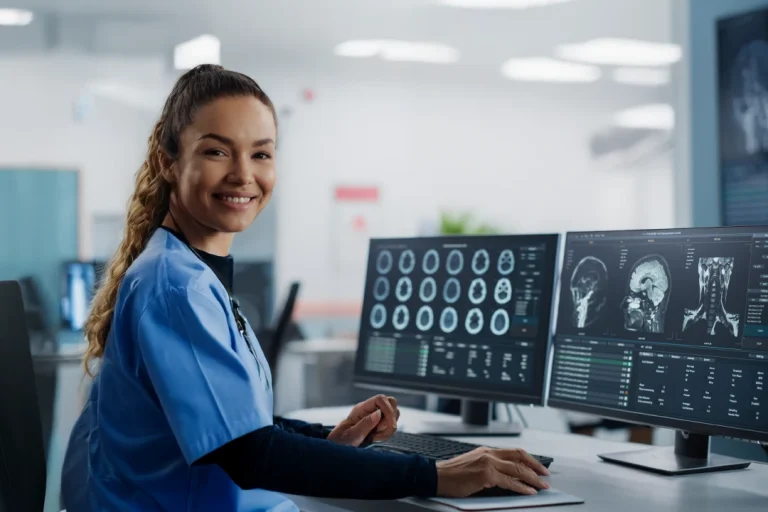
Your day usually starts by preparing the MRI machine and making sure it’s calibrated correctly. You’ll review patient records and explain the procedure to them, helping to ease any anxiety they might have.
During scans, you position patients carefully to get the best images while ensuring their comfort and safety. After capturing images, you check the quality before passing them on to radiologists for interpretation. You also maintain equipment and report any technical issues promptly.
Work Environment
Most MRI techs work in hospitals, outpatient clinics, or diagnostic imaging centers. The environment is clean, controlled, and often quiet, which helps you focus on the detailed work.
Shifts can vary; some places require night or weekend hours. You will interact with a wide range of patients, from children to the elderly, so adaptability and patience are key.
Required Skills
- Technical Skills:You must understand how to operate MRI machines and troubleshoot basic problems.
- Attention to Detail:Small errors in positioning or settings can affect image quality.
- Communication:Explaining procedures clearly helps reduce patient stress and improves cooperation.
- Physical Stamina:You might be on your feet for long periods and need to assist patients physically.
- Critical Thinking:You’ll need to decide the best scanning approach based on each patient’s needs.
Can you imagine how your ability to stay calm and focused might impact the quality of care patients receive? Your role bridges technology and human connection in a unique way.

Credit: www.facebook.com
Education Path
Choosing the right education path is crucial to becoming a successful MRI technologist. Understanding what to focus on during your studies can save you time and help you build essential skills. Let’s break down the key educational steps you need to take.
High School Preparation
Start with a strong foundation in science and math during high school. Courses like biology, chemistry, and physics prepare you for the technical knowledge required later.
Don’t overlook computer skills and anatomy classes if available—they’re surprisingly useful. Volunteering or shadowing in healthcare settings can also give you a clearer idea of the job’s demands.
Degree Options
You’ll need at least an associate degree in radiologic technology or a related field to enter the profession. Some programs offer MRI-specific tracks, but many start broader and allow specialization later.
Consider whether you want to pursue a bachelor’s degree for more advanced opportunities or leadership roles. Look for accredited programs recognized by the Joint Review Committee on Education in Radiologic Technology (JRCERT) to ensure quality training.
Specialized Training
After your degree, specialized MRI training is essential. This often comes as a certificate program or on-the-job training focusing on MRI equipment, safety protocols, and imaging techniques.
Hands-on experience is key here; real patient scans teach you how to handle different cases and troubleshoot equipment. Ask yourself: Are you ready to continuously learn and adapt in a field where technology evolves rapidly?
Certification Steps
Becoming a certified MRI technologist involves clear steps. Certification proves your skills and knowledge in MRI technology. It improves job prospects and professional credibility. Follow these certification steps to start your career successfully.
Eligibility Criteria
First, meet the basic eligibility rules. Usually, candidates need a high school diploma or GED. Completion of an accredited radiologic technologist program is required. Some programs offer specific MRI training or associate degrees. Clinical experience in medical imaging is often necessary. Check with certification bodies for detailed requirements.
Exam Preparation
Prepare well for the certification exam. Study MRI physics, anatomy, and safety protocols. Use official study guides and practice tests. Join study groups or attend review classes. Focus on understanding MRI procedures and patient care. Manage your study time effectively. Consistent practice increases confidence and exam success.
Maintaining Certification
Keep your certification current through continuing education. Complete required hours of approved courses regularly. Stay updated with new MRI technologies and practices. Renew certification as required by the certifying agency. Maintaining certification shows commitment to quality care. It helps sustain your professional reputation and skills.
Gaining Experience
Gaining hands-on experience is essential to becoming a skilled MRI technologist. It bridges the gap between classroom learning and real-world application, helping you build confidence and expertise. How will you seize opportunities to practice and prove your abilities in this competitive field?
Internships And Clinicals
Internships and clinical rotations give you direct exposure to MRI technology under the supervision of experienced professionals. These experiences allow you to operate MRI machines, interact with patients, and understand safety protocols.
Look for programs that partner with hospitals or imaging centers. The more diverse your clinical sites, the broader your skill set will become. Have you reached out to local medical facilities about internship opportunities yet?
Entry-level Positions
Starting as a radiologic technologist or MRI assistant can open doors to more advanced roles. Entry-level jobs help you develop patient care skills and learn about the workflow of imaging departments.
Even positions outside direct MRI work, like scheduling or equipment maintenance, can provide valuable insight. Could a temporary role like this be your foot in the door while you build your expertise?
Building A Portfolio
Document your experiences, certifications, and case studies to showcase your growth. A portfolio not only highlights your technical skills but also your dedication and professional development.
Include images of scans you’ve assisted with (respecting patient privacy), letters of recommendation, and any special projects you’ve contributed to. What story does your portfolio tell about your journey as an MRI tech?
Job Search Tips
Searching for a job as an MRI tech requires careful planning and smart effort. The right approach can help you stand out to employers and land the position you want. Focus on building a strong resume, preparing well for interviews, and connecting with professionals in your field. These strategies increase your chances of success.
Resume Building
Create a clear, easy-to-read resume. Highlight your MRI tech training and certifications. Include any hands-on experience with MRI machines or related equipment. Use bullet points to list your skills and accomplishments. Tailor your resume for each job application. Include keywords from the job description. Proofread carefully to avoid mistakes.
Interview Strategies
Prepare answers for common MRI tech interview questions. Practice explaining your experience and knowledge clearly. Show your understanding of MRI safety and patient care. Dress professionally for the interview. Arrive on time and bring copies of your resume. Ask questions to show your interest in the role. Stay calm and confident throughout the interview.
Networking Opportunities
Join professional groups for MRI techs or radiology workers. Attend local or online events and workshops. Connect with current MRI techs on social media platforms like LinkedIn. Ask for advice and information about job openings. Volunteer or intern to gain experience and meet people. Networking often leads to job referrals and insider tips.
Credit: www.cbd.edu
Career Advancement
Career advancement as an MRI technologist offers many paths. Growth depends on skills, experience, and education. Expanding knowledge and taking on new roles can raise your value in the field. Opportunities exist beyond basic scanning tasks. Building expertise can lead to higher pay and job security.
Continuing Education
Continuing education keeps skills fresh and current. Many employers prefer technologists with updated certifications. Courses in anatomy, safety, and new imaging techniques help. Online classes and workshops fit busy schedules. Staying informed about new MRI technology improves job performance.
Specializations
Specializing opens doors to new opportunities. Areas include neuroimaging, cardiac MRI, and musculoskeletal imaging. Special training enhances diagnostic skills. Employers often seek technologists with niche knowledge. Specializations can lead to higher salaries and unique job roles.
Leadership Roles
Leadership roles offer a chance to guide teams. Positions like lead technologist or department supervisor are common. These roles require strong communication and management skills. Leaders help improve workflow and train new staff. Taking on leadership can increase job satisfaction and income.
Challenges And Rewards
Becoming an MRI tech comes with its own set of challenges and rewards. Understanding these can help you prepare better and stay motivated as you navigate your career path. Let’s look at what you might face and what you can gain from this profession.
Common Obstacles
One challenge is mastering the technical skills required to operate complex MRI machines safely and effectively. It takes time and practice to become confident in producing clear, accurate images.
Another obstacle is working with patients who may feel anxious or uncomfortable during scans. You need patience and good communication skills to ease their worries and ensure smooth procedures.
Additionally, the job can be physically demanding. You might spend hours standing and sometimes help move patients, which requires stamina and care to avoid injury.
Job Satisfaction
Despite the challenges, many MRI techs find great satisfaction in their work. You get to play a crucial role in diagnosing illnesses and helping doctors make life-changing decisions.
Seeing the relief on patients’ faces when you explain what’s happening can be very rewarding. Your ability to comfort and support them matters as much as your technical skills.
Plus, the constant learning keeps the job interesting. You’ll stay engaged by keeping up with new technology and medical advancements.
Future Outlook
The demand for MRI techs is expected to grow steadily. As medical imaging becomes more important in healthcare, your skills will remain in high demand.
Advancements in MRI technology offer chances to specialize or move into supervisory roles. Are you ready to keep learning and take on new challenges as the field evolves?
Thinking about the balance between effort and reward, how do you see yourself thriving as an MRI tech? Your journey starts with understanding both sides of the coin.

Credit: chartercollege.edu
Frequently Asked Questions
What Education Is Needed To Become An Mri Tech?
To become an MRI tech, you need an associate degree in radiologic technology. Specialized MRI training or certification is also required. This education prepares you to operate MRI machines and understand imaging techniques safely and effectively.
How Long Does Mri Tech Training Take?
MRI tech training typically takes 1 to 2 years. This includes completing an accredited program and clinical experience. Some may complete shorter certificate programs if they already hold a radiologic technologist license.
What Certification Is Required For Mri Technologists?
MRI technologists usually must obtain certification from the American Registry of Radiologic Technologists (ARRT). Certification requires passing an exam and maintaining continuing education credits to ensure up-to-date knowledge and skills.
What Skills Are Essential For Mri Technologists?
Essential skills include attention to detail, strong communication, and technical proficiency with MRI equipment. MRI techs must also understand patient care and safety protocols during imaging procedures.
Conclusion
Becoming an MRI tech is a rewarding career choice. It involves helping patients and working with advanced technology. Start by getting a relevant degree. Gain experience through internships. Certification is crucial. It boosts your job prospects. Stay updated with new techniques and technology.
Networking helps in finding job opportunities. Keep learning to improve your skills. This field offers growth and stability. With dedication, you can succeed. It’s a chance to make a difference in healthcare. So, take the steps needed and start your journey today.