Are you interested in a rewarding career that helps people heal and get back to their daily lives? Becoming a Physical Therapy Tech could be the perfect path for you.
You’ll work closely with patients and therapists, making a real difference every day. But how do you start? What skills do you need? And what steps should you take to succeed? Keep reading, and you’ll discover everything you need to know to launch your career as a Physical Therapy Tech.
Physical Therapy Tech Role
The role of a Physical Therapy Tech is hands-on and vital in helping patients regain movement and reduce pain. You support licensed therapists by preparing equipment, assisting patients with exercises, and tracking progress. This role demands both physical stamina and emotional sensitivity to encourage and motivate those recovering from injuries or surgeries.
Daily Responsibilities
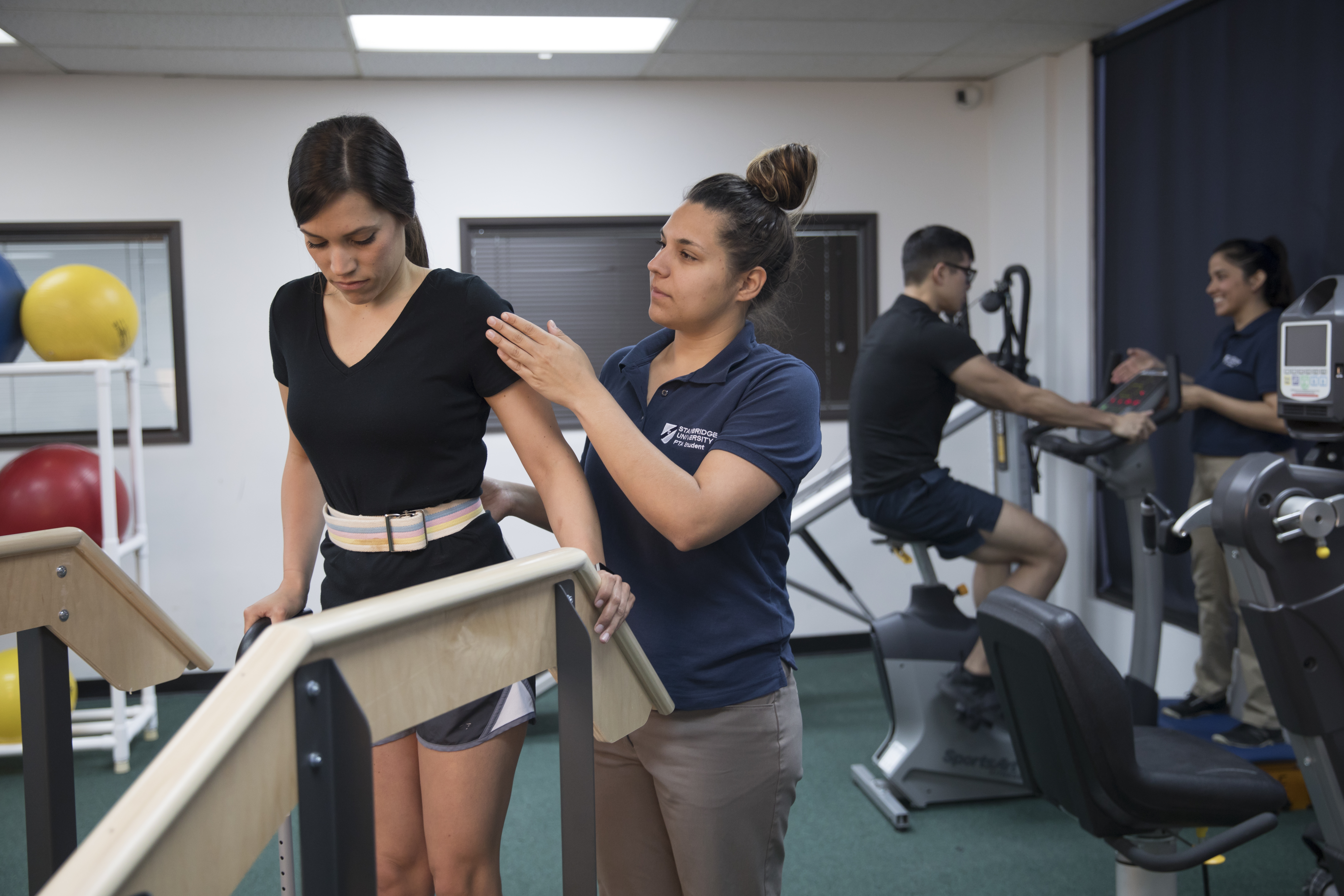
Your day might start by setting up treatment areas and sterilizing equipment to keep everything safe and clean. You’ll assist patients during their therapy sessions, demonstrating exercises or helping them use machines correctly. Documentation is also key—you’ll record patient progress and report any changes to the therapist.
- Prepare therapy equipment and treatment areas
- Guide patients through exercises safely
- Monitor patient responses and report feedback
- Maintain cleanliness and safety standards
Can you imagine how important your attention to detail is in preventing setbacks for patients?
Work Environment
Physical Therapy Techs work in various settings, including hospitals, rehabilitation centers, outpatient clinics, and nursing homes. The environment is usually busy and requires you to be on your feet for most of the day. You’ll interact with people of all ages and backgrounds, which keeps the job dynamic and rewarding.
Are you comfortable working in a fast-paced, sometimes noisy environment where teamwork is essential?
Skills Needed
Strong communication skills help you explain exercises clearly and encourage patients. Physical strength and stamina are necessary because you might assist patients in moving or adjusting positions. Being organized and detail-oriented ensures accurate record-keeping and smooth daily operations.
- Effective communication with patients and team members
- Physical endurance and manual dexterity
- Attention to detail for documentation and safety
- Empathy and patience to support patient motivation
Think about your own strengths—do you naturally connect with people and stay calm under pressure? These qualities will serve you well in this role.

Credit: dreambound.com
Education Requirements
Becoming a Physical Therapy Tech requires a solid educational foundation. Your learning path sets the stage for hands-on experience and future career growth. Understanding the different education options helps you decide the best route to take based on your goals and resources.
High School Courses
Start by focusing on science and health-related subjects in high school. Courses like biology, anatomy, and chemistry give you a head start by building essential knowledge about the human body. Additionally, classes in math and communication improve your problem-solving and interpersonal skills, both crucial in physical therapy settings.
Have you considered volunteering or shadowing a physical therapist while still in school? This can give you real-world insight and confirm if this career suits you.
Certificate Programs
Certificate programs are a quick way to enter the field, often taking less than a year to complete. They focus on practical skills and prepare you to assist physical therapists effectively. These programs usually include coursework on patient care, medical terminology, and basic therapeutic techniques.
Look for programs accredited by recognized organizations to ensure quality training. Many community colleges and vocational schools offer these certificates, often with flexible schedules for working students.
Associate Degree Options
An associate degree offers a deeper understanding and can open more job opportunities. These two-year programs combine classroom learning with clinical practice, covering subjects like kinesiology, physiology, and therapeutic exercises. Graduates often have a competitive edge in the job market and may qualify for higher pay.
Some associate degrees also prepare you for certification exams, which can boost your credibility and career prospects. Ask yourself if investing more time in education aligns with your long-term career vision.
Certification And Licensing
Certification and licensing are essential steps to become a Physical Therapy Tech. These credentials prove your skills and knowledge. They also ensure you meet professional standards. Without proper certification, working in this field is difficult. Licensing lets you work legally in your state. Both help you gain trust from employers and patients.
National Certification Exams
Passing a national certification exam is often required. The most common exam is offered by the National Physical Therapy Assistant Association. This test checks your understanding of physical therapy concepts and safety. It includes questions on anatomy, patient care, and therapy techniques. Study guides and practice tests are available to help you prepare. Passing this exam shows you are ready to assist physical therapists effectively.
State Licensing Requirements
Each state has its own licensing rules for Physical Therapy Techs. Some states require a license, while others only need certification. Licensing boards may ask for:
- Proof of education from an accredited program
- Passing a national certification exam
- Background checks
- Fees for application and renewal
Check your state’s specific rules before applying. Meeting these requirements ensures you can work legally and safely in your area.
Continuing Education
Continuing education keeps your skills current and sharp. Many states require Physical Therapy Techs to take courses regularly. These courses cover new therapy methods, safety standards, and patient care. Completing continuing education helps you maintain your license and certification. It also improves your job performance and career growth.

Credit: dreambound.com
Gaining Experience
Gaining hands-on experience is essential for anyone aiming to become a skilled physical therapy technician. It not only sharpens your practical skills but also builds confidence in real-world settings. Understanding different ways to gain this experience can set you apart in a competitive job market and prepare you for the challenges ahead.
Internships And Clinicals
Internships and clinical rotations offer direct exposure to physical therapy environments. These opportunities let you observe professionals and assist with patient care under supervision. You’ll learn how to handle equipment, support therapy plans, and communicate with patients effectively.
Have you considered how observing patient progress over time could deepen your understanding of therapy techniques? Many techs find that seeing therapy in action sharpens their problem-solving skills far more than classroom learning.
Volunteering Opportunities
Volunteering at hospitals, rehabilitation centers, or community clinics can be a great way to gain relevant experience. You don’t always need formal placement to start helping out and learning. Volunteering helps you develop soft skills like empathy and teamwork, which are crucial in this field.
Think about how volunteering could give you access to a network of professionals who might mentor you or offer job leads. It’s also an opportunity to test if this career really fits your passion and strengths.
Entry-level Positions
Starting in entry-level roles such as a physical therapy aide or assistant opens the door to hands-on experience. These jobs allow you to assist therapists with exercises, manage equipment, and handle administrative tasks. You gain insight into daily operations and patient care routines.
Working in these positions, you’ll learn the importance of attention to detail and patient interaction firsthand. What skills can you develop in these roles that will make you indispensable to your future employer?
Job Search Strategies
Searching for a job as a Physical Therapy Tech requires more than just submitting applications. You need to present yourself clearly, prepare well, and connect with the right people. These strategies will help you stand out and land the position you want.
Resume And Cover Letter Tips
Your resume should highlight relevant skills like patient care, equipment handling, and teamwork. Use clear bullet points to list your experience and certifications. Tailor your cover letter to each job by mentioning why you want to work there and how you can contribute.
Keep your language simple and direct. Avoid generic statements like “hardworking” or “team player” without examples. Instead, describe specific tasks you performed, such as assisting patients with exercises or maintaining therapy equipment.
Interview Preparation
Practice answering common interview questions about your experience and how you handle challenging situations. Prepare examples that show your problem-solving skills and empathy for patients. Think about questions you want to ask the interviewer, showing you are interested and informed.
Dress professionally and arrive early to make a positive impression. During the interview, listen carefully and answer clearly. Remember, your goal is to show you are reliable and ready to support the physical therapy team.
Networking Techniques
Building connections can open doors in the physical therapy field. Attend local health fairs, join online groups, or volunteer at clinics to meet professionals. Don’t hesitate to ask for advice or information about job openings.
LinkedIn is a powerful tool—create a profile that highlights your skills and experience. Reach out to therapists and techs politely, showing genuine interest in their work. How could a simple conversation lead you to your next job opportunity?
Career Growth Paths
Choosing a career as a Physical Therapy Tech opens up several avenues for growth. Your journey doesn’t have to stop at assisting therapists; there are clear paths to increase your skills, responsibilities, and earning potential. Understanding these options early can help you plan your next steps and make informed decisions about your future.
Advancing To Physical Therapist Assistant
Moving up to become a Physical Therapist Assistant (PTA) is a natural progression. PTAs have more direct patient care duties and can perform many therapeutic exercises independently under a therapist’s supervision.
To transition, you typically need to complete an accredited PTA program, which usually takes about two years. This role offers a higher salary and a greater chance to impact patient recovery. Have you considered how more responsibility could change your daily work experience?
Specialization Areas
Specializing can make you stand out and open doors to niche roles. Areas like orthopedic rehab, pediatric therapy, or neurological rehabilitation offer unique challenges and rewards.
Specializations often require additional certifications or training. For example, gaining expertise in sports injury therapy can connect you with athletic teams or clinics. What specialization aligns with your interests and strengths?
Further Education Options
Continuing your education is key if you want to climb higher in the physical therapy field. Degrees in physical therapy or related healthcare disciplines can lead to careers as licensed Physical Therapists or healthcare administrators.
Many schools offer flexible programs, including online courses, to fit your schedule. Investing time in education can significantly boost your credentials and earning potential. Are you ready to commit to learning that transforms your career?
Challenges And Rewards
Becoming a Physical Therapy Tech comes with its own set of challenges and rewards. Understanding these can help you prepare mentally and emotionally for the role. It’s important to weigh both sides to see if this career truly fits your goals and lifestyle.
Common Obstacles
One challenge you’ll face is managing physically demanding tasks. You’ll often assist patients with exercises, which can be tiring after long shifts. Also, some patients may be resistant or frustrated, testing your patience and communication skills.
Another obstacle is the need to stay updated with medical protocols and equipment. Mistakes can impact patient recovery, so attention to detail is crucial. Handling paperwork and insurance forms can feel tedious but is part of the job.
Job Satisfaction
Despite the hurdles, many find immense satisfaction in helping patients regain mobility and improve their quality of life. Seeing a patient take their first steps after injury is incredibly rewarding. Your role directly contributes to their healing journey, which few other jobs offer.
You also build strong relationships with patients and therapists. These connections make daily work meaningful and motivate you during tough times. Have you thought about how it feels to be a key part of someone’s recovery?
Work-life Balance
Work-life balance can be tricky due to shift work and overtime during busy periods. You might need to adjust your personal schedule to fit the demands of the clinic. However, many facilities offer flexible hours or part-time options to help you manage.
Setting clear boundaries is essential to avoid burnout. Taking care of your own physical and mental health helps you perform better at work. How will you ensure your job doesn’t take over your personal life?
Credit: blog.stanbridge.edu
Frequently Asked Questions
What Education Is Needed To Become A Physical Therapy Tech?
A high school diploma is required. Completing a physical therapy technician program or certification improves job prospects. Hands-on training is often included.
How Long Does It Take To Become A Physical Therapy Tech?
Training programs typically last from a few months up to one year. Certification courses vary but are usually under 12 months.
What Skills Are Essential For A Physical Therapy Tech?
Key skills include communication, empathy, physical stamina, and attention to detail. Technical knowledge of therapy equipment is also important.
Is Certification Required For Physical Therapy Technicians?
Certification is not always mandatory but highly recommended. It boosts credibility and job opportunities. Some states may require it.
Conclusion
Embarking on a career as a Physical Therapy Tech is rewarding. You help people regain strength and mobility. Training is essential for success. Certifications enhance your credibility and skills. Working closely with therapists enriches your experience. You gain knowledge and confidence.
Patience and empathy are vital traits in this field. They improve patient care and satisfaction. Opportunities for growth are abundant in healthcare. Staying updated with new techniques is beneficial. It ensures effective patient recovery. With dedication, you can thrive in this profession.
Your effort makes a positive impact every day.