Are you curious about a career that blends technology, healthcare, and helping people? Becoming a radiology tech might be the perfect fit for you.
Imagine using advanced machines to create images that help doctors diagnose illnesses and save lives every day. This job offers a mix of hands-on work, steady demand, and rewarding moments. You’ll discover the exact steps you need to take to become a radiology tech, what skills you’ll need, and how to stand out in this growing field.
Ready to find out how you can make this career your own? Keep reading to unlock the path forward.
Career Path In Radiology Tech
The career path in radiology tech offers a clear route from training to professional work. Radiology technologists play a vital role in healthcare by helping diagnose and treat patients. Understanding this path helps in planning education and work goals.
Job Roles And Responsibilities
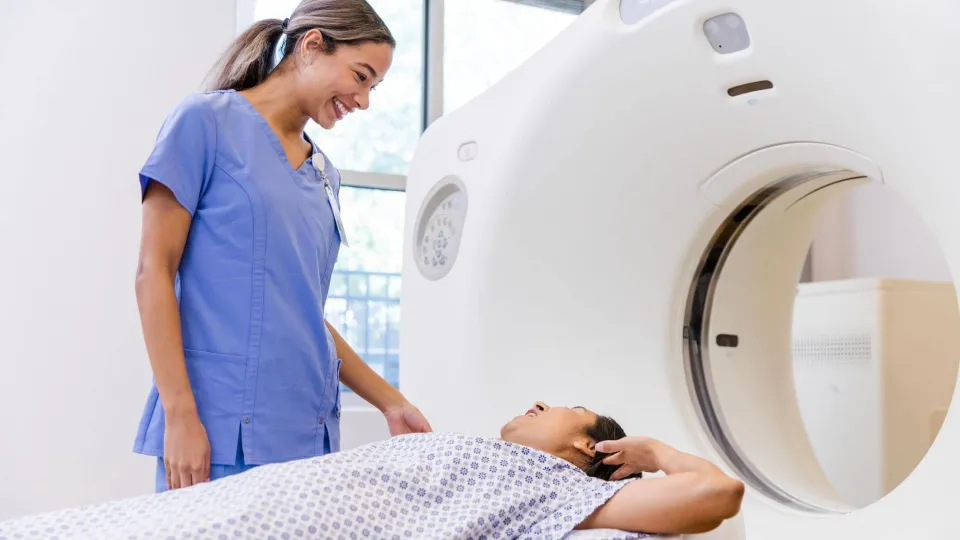
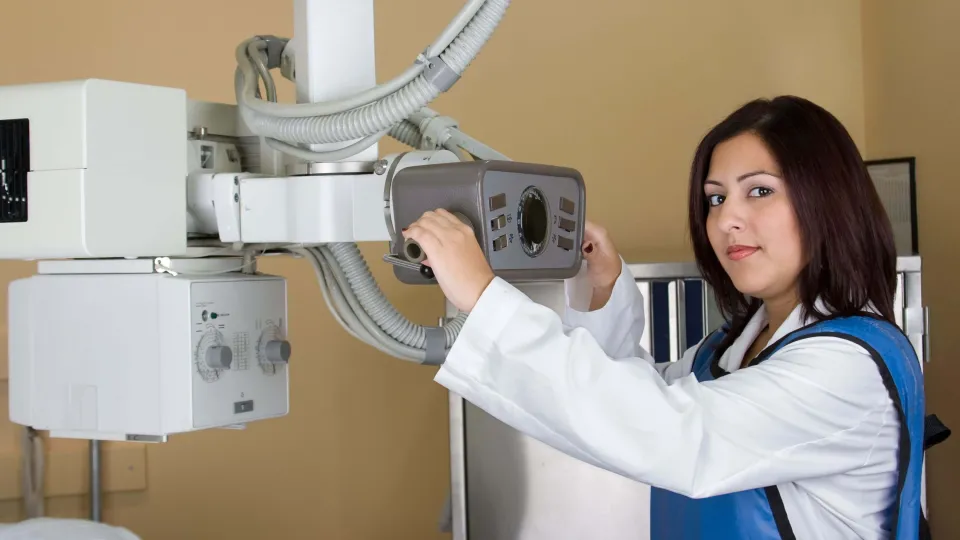
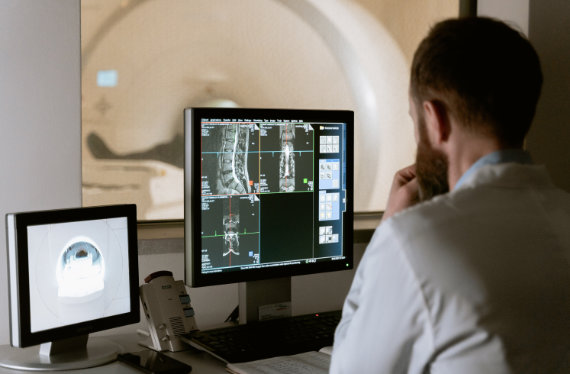
Radiology techs operate imaging machines like X-rays and MRIs. They prepare patients for scans and explain procedures. They ensure images are clear for doctors to review. Maintaining equipment and following safety rules is part of the job. Techs also keep patient records accurate and secure.
Work Environments
Radiology techs work in various settings. Hospitals are the most common workplaces. Clinics and private imaging centers also hire techs. Some work in dental offices or urgent care centers. Work hours may vary, with some night or weekend shifts. The environment is often fast-paced but rewarding.
Growth Opportunities
Starting as a radiology tech opens doors to many options. One can specialize in areas like MRI or CT scanning. With experience, techs may become supervisors or educators. Further education can lead to roles in healthcare management. Certifications boost skills and job prospects. The field offers steady demand and room to grow.
Credit: www.concorde.edu
Educational Requirements
Understanding the educational requirements is the first crucial step toward becoming a radiology tech. The right education not only builds your technical skills but also prepares you for certification and real-world challenges. Your choices here can shape how quickly and effectively you launch your career.
Degree Options
You have several paths to choose from when it comes to earning a degree in radiologic technology. Most employers expect at least an associate degree, which typically takes two years to complete. If you want to stand out or aim for advanced positions, consider a bachelor’s degree, which offers more in-depth training and can open doors to leadership roles.
Some programs also offer certificates for those who already have a healthcare background and want to specialize quickly. What level of education fits your timeline and career goals best?
Accredited Programs
Choosing an accredited program is non-negotiable if you want to qualify for certification exams. Accreditation ensures the program meets national standards for quality and rigor. Look for accreditation from the Joint Review Committee on Education in Radiologic Technology (JRCERT) or other recognized bodies.
Attending a non-accredited school might save money upfront but can cost you your license and job prospects later. Have you checked if your local colleges offer JRCERT-accredited programs?
Essential Coursework
Your classes will cover more than just how to operate imaging machines. Expect to study anatomy, patient care, radiation physics, and safety protocols. These subjects prepare you to protect both yourself and your patients while producing accurate images.
Hands-on labs and clinical rotations will give you real experience in a healthcare setting. This practical training is where you’ll develop confidence and skills that textbooks alone can’t provide. Are you ready to get your hands dirty and learn by doing?
Certification And Licensing
Certification and licensing are essential milestones in your journey to become a radiology tech. They validate your skills and ensure you meet industry standards, making you a trusted professional. Understanding these requirements early helps you plan your education and career path effectively.
Key Certifications
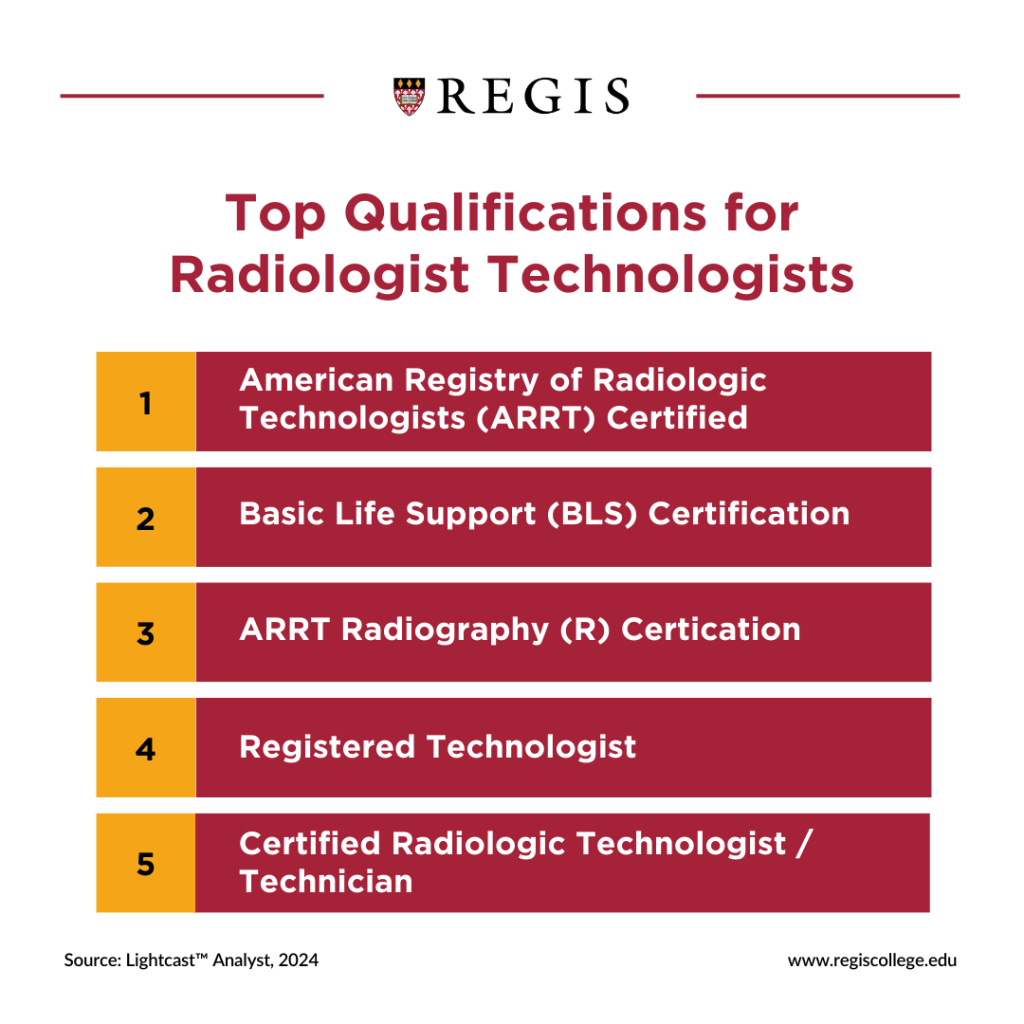
The most recognized certification for radiology techs is offered by the American Registry of Radiologic Technologists (ARRT). Earning the ARRT credential shows employers you have the knowledge and skills needed to perform safely and competently.
Other certifications might include specialties like CT, MRI, or mammography, which can boost your job prospects. These require additional exams but demonstrate your expertise in specific areas of radiology.
Think about which certifications align with your career goals. Would specializing give you an edge in your local job market?
Licensing Process
Licensing requirements vary by state but generally include passing the ARRT certification exam. Some states may have extra requirements like background checks or additional tests.
Check your state’s health department website to understand the exact steps you need to take. Missing a step here can delay your ability to work, so stay organized and proactive.
Remember, getting licensed isn’t just a formality—it’s a legal requirement to work as a radiology tech. How prepared are you to meet your state’s standards?
Maintaining Credentials
Once certified and licensed, you must maintain your credentials through continuing education and periodic renewals. The ARRT requires 24 credits of continuing education every two years to keep certification active.
Staying current with new technologies and safety protocols improves your performance and keeps you competitive. Many employers value staff who actively pursue learning opportunities.
Are you ready to commit to ongoing education? Your career growth depends on how well you maintain and update your credentials over time.
Credit: www.concorde.edu
Skills And Qualities Needed
Becoming a successful radiology tech requires a mix of specific skills and personal qualities. These skills help you handle complex equipment, work well with patients, and manage the physical demands of the job. Developing these skills boosts your confidence and improves your daily work performance.
Technical Skills
Radiology techs must operate imaging machines like X-rays, CT scanners, and MRIs accurately. Understanding how these machines work is vital to produce clear images for doctors. Techs must also follow safety rules to protect patients and themselves from radiation. Basic computer skills help with managing patient records and operating digital imaging systems. Attention to detail is crucial to capture the right images and avoid errors.
Interpersonal Skills
Radiology techs often interact with patients who may feel nervous or uncomfortable. Clear communication helps patients understand the process and feel at ease. Patience and empathy are important to support patients during exams. Good teamwork skills help techs cooperate with doctors, nurses, and other staff. Respect and professionalism create a positive environment in the workplace.
Physical Stamina
This job involves standing for long periods during imaging procedures. Moving or positioning patients may require some strength and care. Radiology techs need steady hands for precise equipment handling. Being physically fit helps maintain energy and focus throughout the day. Good stamina reduces fatigue and improves job performance.
Gaining Practical Experience
Gaining practical experience is essential for becoming a skilled radiology tech. Hands-on training helps you apply what you learn in class. It builds confidence and prepares you for real work environments. Experience with patients and equipment is key to success.
Clinical Rotations
Clinical rotations offer real-world practice in hospitals or clinics. You work alongside experienced radiology techs. This experience teaches you how to operate imaging machines safely. It also helps you understand patient care during exams. Clinical rotations improve your technical skills and professionalism.
Internships
Internships provide focused training in specific areas of radiology. You gain deeper knowledge of imaging techniques and protocols. Internships often last a few months. They allow you to learn from specialists and handle more complex cases. This experience makes your resume stronger for future jobs.
Volunteer Opportunities
Volunteering helps build practical skills and community connections. You can assist in healthcare centers or nonprofit clinics. Volunteering improves communication with patients and staff. It shows dedication and a willingness to learn. This experience adds value to your training and job search.
Job Search Strategies
Searching for a radiology tech job can feel overwhelming, but having a clear plan will make it easier. Your approach should highlight your skills, connect you with the right people, and prepare you to impress employers. Let’s break down key strategies that can help you stand out in the competitive job market.
Building A Strong Resume
Your resume is your first chance to grab attention. Make sure it clearly lists your certifications, clinical experience, and technical skills relevant to radiology technology.
Use bullet points to describe your responsibilities and achievements in previous roles. Quantify your impact when possible, like mentioning the number of patients you assisted or any efficiency improvements you helped implement.
Tailor your resume for each job application. Read the job description carefully and include keywords that match the employer’s needs. This increases your chances of passing automated resume screenings.
Networking Tips
Who you know can open doors. Reach out to former classmates, instructors, and colleagues in healthcare settings. They often know about job openings before they’re advertised publicly.
Attend industry events or join professional groups like the American Society of Radiologic Technologists (ASRT). These connections can lead to mentorship or referrals.
Don’t overlook social media platforms such as LinkedIn. Regularly update your profile and engage with content related to radiology. This keeps you visible and shows your commitment to the field.
Interview Preparation
Interviewers want to see confidence and knowledge. Practice answering common questions like how you handle stressful situations or ensure patient safety during imaging procedures.
Prepare examples that demonstrate your problem-solving skills and teamwork. For instance, describe a time you helped a nervous patient feel comfortable or collaborated with a radiologist to improve image quality.
Dress professionally and arrive early. Bring copies of your resume and any certifications. Asking thoughtful questions about the workplace or technology shows genuine interest.
Advancing Your Career
Advancing your career as a radiology tech means more than just gaining experience. It involves sharpening your skills, expanding your knowledge, and stepping into roles that challenge you. How far you go depends on the choices you make after you start working in this field.
Specializations
Choosing a specialization can boost your expertise and open new doors. You might focus on areas like MRI, CT scanning, or mammography. Each specialization requires specific training but allows you to work with advanced technology and complex cases.
Think about what excites you most in radiology. Do you enjoy detailed imaging or working with patients in critical situations? Specializing can make your daily tasks more engaging and increase your value to employers.
Continuing Education
Staying current with medical imaging technology and techniques is essential. Regularly taking courses or attending workshops helps you keep your skills sharp and meet certification requirements. Many employers value techs who show a commitment to learning.
Consider setting a goal to complete a certain number of continuing education credits each year. What new skills could you add that would set you apart? Even small improvements can lead to better job performance and higher pay.
Leadership Roles
Moving into leadership means guiding others and influencing how a radiology department runs. You could become a lead technologist, supervisor, or even manage a team. These roles require strong communication, organization, and problem-solving skills.
Have you thought about mentoring new techs or contributing to process improvements at your workplace? Leadership opportunities often come to those who take initiative and show responsibility. Taking on these roles can also prepare you for future career moves outside of direct imaging work.
Credit: www.regiscollege.edu
Frequently Asked Questions
What Education Is Needed For Radiology Tech?
To become a radiology tech, you typically need an associate degree in radiologic technology. Some pursue a bachelor’s degree for advanced opportunities. Accredited programs include coursework in anatomy, patient care, and imaging procedures, along with clinical experience. Licensure or certification may be required depending on your state.
How Long Does Radiology Tech Training Take?
Radiology tech training usually takes about two years. This includes completing an accredited associate degree program. Some programs might offer accelerated options. Additional certification or licensure exams may be required, which can extend the timeline slightly. Continuing education is often needed to maintain certification.
What Skills Are Needed For Radiology Tech Jobs?
Radiology techs need strong technical skills to operate imaging equipment. Attention to detail is crucial for accurate imaging. They must have excellent communication skills to explain procedures to patients. Compassion and empathy are important for patient interaction. Physical stamina is necessary for long shifts and assisting patients.
Are Radiology Techs In High Demand?
Yes, radiology techs are in high demand due to healthcare growth. The aging population increases the need for diagnostic imaging. Technological advancements also contribute to demand. Job opportunities are particularly strong in hospitals and diagnostic labs. Continuous education and specialization can enhance job prospects further.
Conclusion
Becoming a radiology tech takes focus and clear steps. Start with good education and training. Gain hands-on experience through internships or clinical practice. Stay updated with new technology and methods. This career offers chances to help others and grow professionally.
Keep your goals in mind and work steadily toward them. The path may be challenging but rewarding. Take each step with confidence and care. Your effort will lead to success in this field.