Are you curious about a career that puts you right in the heart of the operating room? Becoming a scrub tech might be the perfect fit for you.
Imagine being the person who prepares instruments, assists surgeons, and plays a key role in life-saving procedures. If you want a job that combines teamwork, skill, and fast-paced action, this is it. You’ll discover exactly what it takes to become a scrub tech and how you can start your path today.
Keep reading to unlock the steps that will lead you to a rewarding career in healthcare.
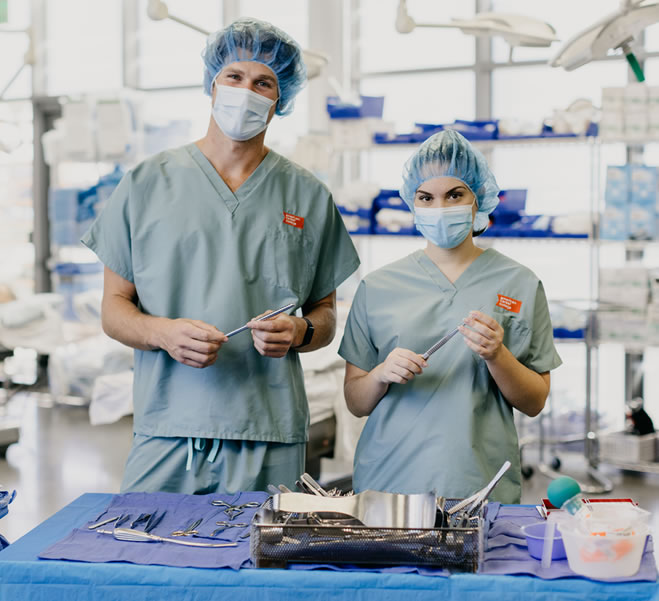
Credit: americancareercollege.edu
Role Of A Scrub Tech
The role of a scrub tech is vital in the operating room. They assist surgeons by handling instruments and supplies. Their work helps ensure surgeries run smoothly and safely. Scrub techs must be precise and calm under pressure.
Key Responsibilities
- Prepare the operating room with necessary tools and sterile supplies
- Pass instruments and equipment to the surgeon during surgery
- Maintain a sterile environment to prevent infections
- Count instruments and materials before and after surgery
- Assist in setting up surgical dressings and cleaning up post-operation
Work Environment
Scrub techs work mainly in hospitals and surgical centers. The environment is clean and controlled to avoid contamination. They spend many hours on their feet and must stay alert. Teamwork is essential, as they cooperate closely with nurses and doctors.
Skills Needed
- Strong attention to detail to handle delicate instruments
- Good hand-eye coordination for quick and accurate movements
- Ability to stay calm in high-pressure situations
- Clear communication skills for effective teamwork
- Knowledge of medical terminology and surgical procedures
Educational Requirements
Becoming a scrub tech requires meeting specific educational criteria that prepare you for the fast-paced environment of the operating room. The path starts with foundational knowledge and advances through specialized training and certifications. Understanding these educational requirements helps you plan your journey effectively and boosts your confidence as you step into this vital healthcare role.
High School Diploma And Prerequisites
Your first educational milestone is earning a high school diploma or GED. Focus on courses like biology, chemistry, and anatomy if available—they provide a solid base for your future studies. Some programs might also require you to have completed CPR certification or basic health classes before admission.
Have you considered how your high school choices could impact your readiness for scrub tech training? Taking advantage of science electives can give you a head start and make the technical parts of the job easier to grasp.
Scrub Tech Training Programs
Scrub tech training programs usually range from several months to a year. These programs combine classroom instruction with hands-on clinical experience, covering topics like sterile techniques, surgical instruments, and operating room procedures.
Look for accredited programs that offer practical labs and real-world practice in hospitals or surgical centers. This experience is crucial because it prepares you to handle the pressure and precision the job demands.
Ask yourself: Does the program provide enough clinical hours to build your confidence? Programs with strong partnerships in healthcare settings often offer better opportunities to learn on the job.
Certification Options
Certification is a key step to prove your skills and increase your employability. The most recognized credential is the Certified Surgical Technologist (CST) certification, offered by the National Board of Surgical Technology and Surgical Assisting (NBSTSA).
To qualify for the CST exam, you usually need to complete an accredited scrub tech program. Once certified, maintaining your credential involves continuing education and periodic renewal, which keeps your knowledge up to date.
Wondering if certification really makes a difference? Many employers prefer or require it, and it often leads to higher pay and better job security. Investing in certification can set you apart in a competitive field.
Gaining Practical Experience
Gaining practical experience is essential to become a skilled scrub tech. Hands-on work in real medical settings builds confidence and improves your skills. It helps you understand the daily tasks and teamwork in the operating room. Practical experience also shows employers that you are ready for the job.
Clinical Rotations
Clinical rotations let you work alongside experienced scrub techs. You observe surgeries and assist with preparing instruments. This experience teaches proper sterile techniques and safety procedures. Rotations also help you learn how to stay calm under pressure. Most training programs include clinical rotations as part of the curriculum.
Internships And Externships
Internships and externships offer extended work experience in hospitals or surgical centers. These programs provide a chance to practice skills in real situations. You gain exposure to different types of surgeries and surgical teams. Internships often lead to job offers after completion. They are valuable for building your resume and network.
Volunteering Opportunities
Volunteering in healthcare settings gives you extra practice and experience. You can assist in hospital departments related to surgery or patient care. Volunteering helps you understand hospital operations and teamwork. It shows your commitment and eagerness to learn. Volunteer work can open doors to future paid positions.
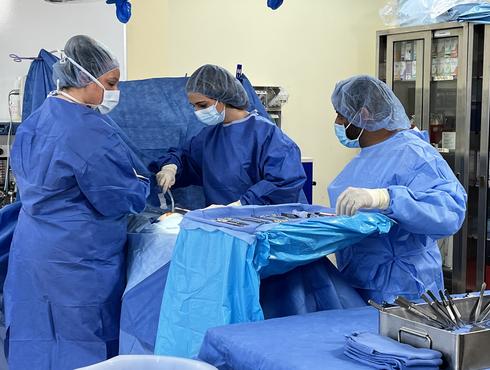
Credit: aimseducation.edu
Certification And Licensing
Certification and licensing are key to becoming a scrub tech. They prove your skills and knowledge. Employers often require official credentials. These credentials help you work safely in surgery rooms. They also increase your chances of getting hired and promoted.
Certified Surgical Technologist (cst)
The Certified Surgical Technologist (CST) credential is the most recognized in this field. It shows you passed a national exam. This exam tests your knowledge of surgical technology and patient care. To take it, you must finish an accredited surgical tech program. Holding a CST certification often leads to better job opportunities and higher pay.
Other Relevant Certifications
Besides CST, other certifications can boost your resume. Examples include:
- First Aid and CPR certification
- Certified Operating Room Technician (CORT)
- Specialty certifications in areas like sterile processing
These certifications show your commitment to safety and quality care. They can make you stand out to employers.
Renewal And Continuing Education
Maintaining your certification requires renewal every few years. You must complete continuing education credits. These courses keep your skills current and updated. They cover new techniques, tools, and safety rules. Staying current ensures you provide the best patient care. It also helps you stay competitive in the job market.
Job Search Strategies
Searching for a scrub tech job requires smart strategies. Focus on clear, concise communication and practical steps. This approach helps you stand out in a busy healthcare job market. Use different ways to increase your chances of success.
Resume And Interview Tips
Create a resume that highlights your training and skills. Use simple language and list your certifications clearly. Include any hands-on experience or internships. Tailor your resume for each job application.
Prepare for interviews by practicing common questions. Show confidence and speak clearly. Share examples of your teamwork and problem-solving skills. Dress professionally and arrive on time.
Networking In Healthcare
Connect with healthcare workers and professionals in your area. Attend job fairs and medical conferences to meet people. Join online groups and forums related to scrub tech roles. Ask for advice and job leads politely.
Building relationships can open doors to hidden job opportunities. Stay in touch with contacts and express your interest regularly. Networking helps you learn about the work culture and expectations.
Finding Entry-level Positions
Search for entry-level scrub tech jobs at hospitals and clinics. Check hospital websites and job boards daily. Apply to roles that match your skills and qualifications.
Consider internships or volunteer work to gain experience. These positions often lead to paid jobs later. Be patient and persistent in your job search efforts.
.jpg "How to Become a Scrub Tech: Essential Steps for a Successful Career 3")
Credit: aimseducation.edu
Advancing Your Career
Advancing your career as a scrub tech opens many doors beyond the operating room. Growth means gaining new skills, exploring focused roles, and stepping into leadership. Each path offers fresh challenges and rewards.
Specializations Within Scrub Tech Roles
Scrub techs can specialize in areas like orthopedic, cardiovascular, or neurosurgery. Specializing helps build expertise in specific surgical tools and procedures. This focus often leads to higher pay and more job opportunities.
Other specializations include:
- Robotic surgery assistance
- Trauma surgery
- Pediatric surgery
- Plastic and reconstructive surgery
Further Education Paths
Further education can increase your skills and career options. Many scrub techs pursue advanced degrees or certifications in surgical technology or nursing. These programs deepen knowledge of anatomy, patient care, and surgical procedures.
Options include:
- Associate or Bachelor’s degree in Surgical Technology
- Certified Surgical First Assistant (CSFA) courses
- Registered Nurse (RN) programs
Leadership Opportunities
Experienced scrub techs can take on leadership roles in the operating room. Positions like lead scrub tech or surgical coordinator involve supervising staff and managing schedules. These roles improve teamwork and ensure smooth surgical procedures.
Leadership skills also open doors to training new scrub techs and helping improve hospital protocols.
Challenges And Rewards
Becoming a scrub tech involves facing certain challenges and enjoying unique rewards. Understanding these helps prepare for the job and appreciate its value. The role demands focus, skill, and resilience. Yet, it offers meaningful work and personal growth.
Common Obstacles
- Long hours in a fast-paced environment
- Standing for extended periods during surgeries
- High responsibility to maintain sterile conditions
- Managing stress in emergency situations
- Learning complex medical instruments and procedures
Job Satisfaction Factors
- Helping patients through critical surgeries
- Working closely with skilled medical teams
- Gaining specialized knowledge and technical skills
- Feeling valued for precision and attention to detail
- Experiencing daily achievements in patient care
Work-life Balance
The job can demand irregular hours, including nights and weekends. Planning and time management become essential skills. Support from family and friends makes balancing easier. Some workplaces offer flexible shifts or part-time options. Maintaining hobbies and rest helps avoid burnout.
Frequently Asked Questions
What Does A Scrub Tech Do?
A scrub tech assists surgeons during operations by organizing surgical instruments. They ensure the surgical environment is sterile and safe. Scrub techs are vital in maintaining efficient procedures, supporting surgeons, and anticipating needs. Their role is crucial in the operating room, enhancing the overall surgical experience.
How Long Does It Take To Become A Scrub Tech?
Becoming a scrub tech typically takes 9 to 24 months. This includes completing a certificate or associate degree program. Some programs offer accelerated options. Training includes classroom learning and clinical practice, providing hands-on experience. Certification may require additional time and exams.
What Skills Are Needed For A Scrub Tech?
Scrub techs need strong attention to detail and manual dexterity. Excellent communication skills are essential for teamwork during surgeries. Knowledge of surgical procedures and sterile techniques is crucial. Adaptability and problem-solving skills help navigate unexpected situations in the operating room.
Is Certification Required For Scrub Techs?
Certification is not always mandatory but highly recommended for scrub techs. It can enhance job prospects and credibility. The National Board of Surgical Technology and Surgical Assisting offers certification. Passing their exam shows proficiency in essential skills and knowledge. Certified techs often enjoy better job opportunities and salaries.
Conclusion
Becoming a scrub tech takes focus and hard work. Start by learning the basic skills and getting proper training. Gain experience through internships or entry-level jobs. Always keep improving your knowledge and skills. A scrub tech plays a key role in the operating room team.
With patience and dedication, you can build a rewarding career. Take small steps each day. Your goal is within reach. Stay confident and keep moving forward.