
Are you ready to take a crucial role in the operating room? Becoming a surgical tech puts you right at the heart of life-saving procedures.
You’ll work closely with surgeons and nurses, making sure everything runs smoothly during surgeries. If you’ve ever wondered how to start this exciting career, you’re in the right place. This guide will walk you through the simple steps to become a surgical tech, so you can jumpstart your path to a rewarding and fast-growing profession.
Keep reading to discover what it takes to make a real difference in healthcare—and how you can get there.
Role Of A Surgical Tech
The role of a surgical tech is crucial in the operating room. You act as the hands and eyes of the surgical team, ensuring everything runs smoothly during procedures. Understanding what this role involves will help you decide if it’s the right career path for you.
Key Responsibilities
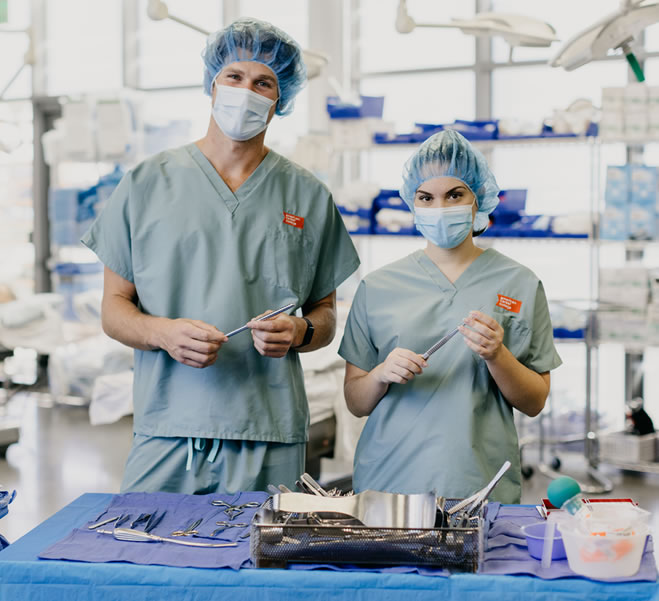
Your main job is to prepare the operating room before surgery. This means sterilizing instruments, setting up surgical tools, and making sure everything the surgeon needs is within reach.
During the operation, you assist by passing instruments and supplies to the surgeon quickly and accurately. You also help maintain a sterile environment to prevent infections.
After surgery, you clean and restock the operating room, readying it for the next patient. These tasks may seem straightforward, but they require focus and precision every time.
Work Environment
You’ll spend most of your time in hospitals, outpatient clinics, or specialized surgery centers. The environment is fast-paced and can be stressful, especially during emergency surgeries.
Expect to wear scrubs and follow strict hygiene protocols to keep yourself and patients safe. You might be on your feet for long hours, so physical stamina is important.
Working as a surgical tech means being part of a team where communication is key. How well you coordinate with nurses, surgeons, and anesthesiologists can affect patient outcomes.
Essential Skills
Attention to detail is non-negotiable. One small mistake, like handing the wrong instrument, can disrupt the entire procedure.
You also need good manual dexterity to handle delicate tools without causing damage. Think about how steady your hands must be when assisting in surgeries.
Strong communication skills help you anticipate the needs of the surgical team. You learn to read the room and act quickly, often before being asked.
Can you handle high-pressure situations calmly? Your ability to stay focused under stress makes a real difference in the operating room.

Credit: www.instagram.com
Educational Pathways
Choosing the right educational path is key to becoming a skilled surgical tech. Training combines knowledge and hands-on skills. It prepares you to work safely in the operating room. Several steps guide you through the education needed for this career.
High School Preparation
Strong basics help in surgical tech training. Focus on science subjects like biology and chemistry. Math skills are useful too. Take health or medical classes if available. Join clubs related to health or science. Volunteering in hospitals can provide early exposure. Good grades increase chances for good programs.
Accredited Programs
Choose programs recognized by official agencies. Accreditation ensures quality education and acceptance by employers. Programs may offer certificates or associate degrees. Training includes anatomy, medical terminology, and surgical procedures. Hands-on practice in labs and clinical settings is vital. Typical programs last from 9 months to 2 years. Research schools carefully to find the best fit.
Certification Requirements
Certification improves job prospects and proves competence. The Certified Surgical Technologist (CST) credential is popular. Candidates must pass an exam after completing education. Some states require certification or licensing. Staying certified needs continuing education. Check local rules to meet all requirements. Certification shows commitment and professionalism.
Gaining Practical Experience
Gaining practical experience is essential to becoming a skilled surgical tech. It bridges the gap between theory and real-world application, helping you build confidence in a fast-paced environment. Hands-on practice allows you to refine your techniques and understand the workflow inside operating rooms.
Clinical Rotations
Clinical rotations let you work alongside experienced surgical teams in hospitals or clinics. During these rotations, you observe procedures and assist under supervision, which helps you learn the exact steps needed in surgery. You’ll get familiar with surgical instruments, sterile techniques, and patient care before, during, and after surgery.
Think about how different each surgery can be. How will you adapt your skills if you’ve only studied the textbook version? Clinical rotations answer that question by exposing you to real cases.
Internships And Externships
Internships and externships offer more focused opportunities to gain hands-on experience, often lasting several weeks or months. These placements provide a chance to take on more responsibility and demonstrate your growing competence. You might assist with prepping the operating room, handling instruments, and supporting the surgical team directly.
Don’t hesitate to ask for feedback during these experiences. Constructive criticism is gold—it reveals where you need to improve and what you’re doing well.
Volunteering Opportunities
Volunteering can be a valuable way to gain exposure to the healthcare environment even before formal training. Many hospitals welcome volunteers in surgical departments, where you can observe and learn about the workflow and team dynamics. Volunteering also shows your dedication and willingness to learn, which can impress future employers or educators.
What can you learn from simply watching? Plenty. Observing how a surgical team communicates and solves problems can teach you skills beyond the technical.
Certification And Licensing
Certification and licensing are key steps to work as a surgical tech. They prove your skills and knowledge. Many employers prefer certified surgical techs. Certification increases job chances and can lead to higher pay. The process involves passing exams from recognized bodies. You must also keep your certification up to date. This section explains popular certification bodies, exam tips, and maintaining certification.
Popular Certification Bodies
- National Board of Surgical Technology and Surgical Assisting (NBSTSA)
- National Center for Competency Testing (NCCT)
- National Healthcare Association (NHA)
These organizations offer well-known certifications. The Certified Surgical Technologist (CST) from NBSTSA is highly respected. NCCT provides the Tech in Surgery – Certified (TS-C) credential. NHA offers the Certified Surgical Technologist (CST) exam too. Choose a certification that fits your career goals.
Exam Preparation Tips
- Study the official exam content outline carefully
- Use practice tests to assess your knowledge
- Join study groups or find a study partner
- Review key surgical instruments and procedures
- Focus on anatomy, sterile techniques, and safety rules
- Plan regular study times and avoid cramming
Consistent study helps build confidence. Practice tests highlight areas needing improvement. Understanding real-world tasks makes the exam easier.
Maintaining Certification
Certification is valid for a set time, often four years. You must renew it before expiry. Renewal usually requires continuing education or retaking the exam. Many programs require at least 15-30 hours of related education. Keep records of courses, workshops, or clinical hours. Staying updated on surgical tech advances benefits your career and patients.
Career Advancement
Advancing your career as a surgical tech means more than just gaining experience in the operating room. It involves expanding your skills, building connections, and continuously learning. Each step you take can open doors to new opportunities and higher responsibilities.
Specializations
Choosing a specialization can make your skills stand out. Areas like orthopedic surgery, cardiovascular surgery, or neurosurgery require specific knowledge that not all surgical techs possess.
Specializing can lead to higher pay and more job security. Have you considered which type of surgery excites you the most? Focusing on a niche allows you to become the go-to expert in that field.
Continuing Education
Keeping your education current is key in healthcare. Many employers value surgical techs who pursue certifications such as the Certified Surgical Technologist (CST) or Advanced Surgical Technologist credentials.
Courses on new surgical tools and techniques can also boost your confidence and competence. Even short workshops can make a big difference in how you perform your duties.
Networking Strategies
Building relationships with surgeons, nurses, and other healthcare professionals can lead to career growth. Attend hospital events, join professional organizations, and participate in online forums.
Networking isn’t just about finding a new job; it’s about learning from others and sharing your own experiences. Who do you know that could mentor you or offer advice on advancing your career?

Credit: www.facebook.com
Expert Success Tips
Becoming a surgical tech requires more than just technical skills. Success in this role depends heavily on mastering key professional habits that keep you efficient, calm, and connected with your team. These expert success tips will help you build a solid foundation for a rewarding career.
Time Management
In the operating room, every second counts. You need to prepare instruments, assist surgeons, and adapt quickly to changing situations. Prioritize tasks by urgency and importance to avoid last-minute scrambles.
Use checklists before surgeries to make sure nothing is missed. Setting small deadlines for each step can keep your workflow smooth. How often do you plan your day in detail to prevent unnecessary delays?
Stress Handling
Surgical tech work can be intense and fast-paced, which often leads to stress. Learn to recognize your stress signals early, such as irritability or difficulty focusing. Taking short, mindful breaks during long procedures can help maintain your composure.
Practice deep breathing or visualization techniques to reset your mind quickly. Remember, staying calm isn’t just good for you—it improves patient safety and team coordination. What stress relief method do you find most effective when pressure builds?
Effective Communication
Clear communication is crucial in the OR. You must understand instructions precisely and relay information without confusion. Active listening helps you catch important details that could impact the surgery.
Use concise, direct language and confirm understanding by repeating key points back to your team. Non-verbal cues like eye contact and nodding also show attentiveness. How do you ensure your messages are always clear in high-stakes situations?
Credit: americancareercollege.edu
Frequently Asked Questions
What Qualifications Are Needed To Be A Surgical Tech?
To become a surgical tech, you typically need a postsecondary certificate or an associate degree. Programs usually last one to two years. Certification is also recommended and can be obtained through organizations like the NBSTSA. Hands-on training is crucial for gaining skills in surgical procedures.
How Long Does Surgical Tech Training Take?
Surgical tech training typically takes one to two years, depending on the program. Certificate programs are shorter, lasting around one year. Associate degree programs can take up to two years. Practical experience is part of the curriculum, ensuring students are ready for real-world scenarios.
What Are Surgical Tech Job Duties?
Surgical techs prepare operating rooms, sterilize equipment, and assist surgeons during procedures. They ensure all instruments are functioning properly. They also help transport patients and maintain a sterile environment. Their role is vital in preventing infections and ensuring efficient surgical operations.
Is Certification Required For Surgical Techs?
Certification is not mandatory but highly recommended for surgical techs. It enhances job prospects and demonstrates proficiency. Certification can be obtained through the NBSTSA. Employers often prefer certified candidates, as it reflects a standardized level of competence in surgical procedures.
Conclusion
Becoming a surgical tech takes focus and hard work. Training and certification open the door to this career. You will help doctors and care for patients during surgery. The job offers steady work and good pay. Keep learning to stay skilled and confident.
Start your path today and take one step at a time. A rewarding career in healthcare awaits you.