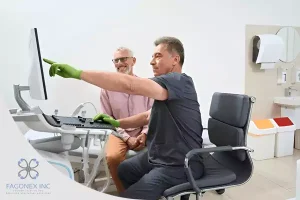
Are you interested in a career that blends technology and healthcare? Becoming an ultrasound tech could be the perfect fit for you.
This job lets you help patients while working with advanced medical equipment. But how do you get started? What skills do you need, and what steps should you take? You’ll find clear answers to these questions and a simple path to becoming a skilled ultrasound technician.
Keep reading to discover how you can turn your interest into a rewarding profession.

Credit: fagonex.com
Career Pathways
Choosing a career as an ultrasound technician opens several pathways. This field offers diverse roles and work settings. Understanding these options helps make better career decisions. Here are key aspects to consider about career pathways in ultrasound technology.
Roles And Responsibilities
Ultrasound techs use imaging equipment to view internal organs. They capture images to help doctors diagnose conditions. Daily tasks include preparing patients and operating ultrasound machines. Techs must ensure clear and accurate images. They also maintain equipment and update patient records. Good communication with patients and medical teams is essential.
Work Environments
Ultrasound technicians work in many places. Common settings include hospitals, clinics, and imaging centers. Some work in doctors’ offices or outpatient care centers. Mobile ultrasound services offer work on the go. Work hours vary from regular shifts to on-call schedules. Work can be fast-paced, especially in emergency rooms.
Job Outlook
The demand for ultrasound techs is growing steadily. Aging populations increase the need for diagnostic imaging. Job growth is faster than average in healthcare. Many opportunities exist in urban and rural areas. Certification and experience improve job prospects. Ongoing education helps techs stay competitive and advance.
Educational Requirements
Understanding the educational requirements is a crucial step toward becoming a successful ultrasound technician. Your choice of program and coursework will directly impact your skills and job readiness. Let’s break down what you need to focus on to build a strong foundation in this career.
Degree Options
You have several degree paths to consider when pursuing a career in ultrasound technology. Common options include:
- Associate Degree:Typically a 2-year program that balances classroom learning and clinical experience.
- Bachelor’s Degree:A 4-year program offering deeper knowledge and potentially more job opportunities.
- Postsecondary Certificate:For those who already have a healthcare background and want to specialize quickly.
Choosing the right degree depends on your current education, timeline, and career goals. Have you thought about how much time you can commit to your studies?
Accredited Programs
Enrolling in an accredited program is non-negotiable if you want to work as an ultrasound tech. Accreditation ensures the quality of education and eligibility for certification exams.
Look for programs accredited by the Commission on Accreditation of Allied Health Education Programs (CAAHEP). This accreditation signals that the curriculum meets industry standards.
Before you apply, check if the program has a strong clinical component. Hands-on experience is key to mastering ultrasound technology.
Essential Coursework
Your courses will cover both technical skills and medical knowledge. Expect classes such as:
- Human anatomy and physiology
- Ultrasound physics and instrumentation
- Patient care and safety
- Medical ethics and communication
These subjects prepare you to operate ultrasound machines accurately and interact professionally with patients. Are you ready to dive into science and technology combined with patient care?
Certification And Licensing
Certification and licensing are essential parts of becoming an ultrasound tech. They prove your skills and knowledge. Employers often require these credentials before hiring. They also ensure patient safety and quality care. Understanding the process helps you plan your career path effectively.
Certification Bodies
Several organizations offer certification for ultrasound technicians. The American Registry for Diagnostic Medical Sonography (ARDMS) is the most recognized. The American Registry of Radiologic Technologists (ARRT) also provides credentials. Each body tests different specialties within ultrasound technology. Choose one based on your career goals and state requirements.
Exam Preparation
Preparing for certification exams requires study and practice. Use official guides and practice tests to understand exam formats. Focus on anatomy, physics, and patient care topics. Join study groups or online forums for support. Regular review helps build confidence and improve retention.
Maintaining Credentials
After earning certification, maintaining it is crucial. Most certifications require continuing education credits. Attend workshops, courses, or seminars to stay updated. Submit renewal applications before expiration dates. Staying current ensures your skills remain relevant and trusted.

Credit: www.youtube.com
Skills And Qualities
Becoming an ultrasound tech requires more than just education. Certain skills and qualities help you perform well and grow in this career. These traits make the job easier and improve patient care. Focus on technical knowledge, people skills, and problem-solving abilities to succeed.
Technical Skills
Ultrasound techs use complex machines to capture images inside the body. Understanding how to operate ultrasound equipment is essential. You must know anatomy and physiology to identify body parts clearly. Attention to detail helps spot abnormalities in images. Basic computer skills are needed to manage patient data accurately.
Interpersonal Abilities
Working closely with patients requires good communication. You need to explain procedures clearly and calmly. Patience is key, especially with nervous or young patients. Showing empathy helps patients feel comfortable during exams. Teamwork skills matter when collaborating with doctors and nurses.
Problem-solving Techniques
Ultrasound techs face unexpected challenges during scans. Quick thinking helps adjust settings to get clear images. Analyzing unclear results demands critical thinking. You must find solutions without delaying patient care. Being resourceful improves efficiency and quality in your work.
Gaining Experience
Gaining hands-on experience is crucial to becoming a skilled ultrasound technician. It’s not enough to learn theory—you need real-world practice to build confidence and competence. The best way to do this is through structured opportunities that let you apply what you’ve learned in a clinical environment.
Internships And Clinicals
Internships and clinical rotations offer direct exposure to ultrasound technology in action. During these placements, you work alongside experienced professionals, learning how to operate equipment and interact with patients.
Seek programs that partner with hospitals or diagnostic centers to ensure quality training. Ask yourself: Are you getting enough variety in cases to build a broad skill set? The more diverse your clinical experience, the better prepared you’ll be for real job scenarios.
Volunteering Opportunities
Volunteering in healthcare settings can supplement your formal training. Even if you’re not performing ultrasounds, supporting roles in radiology departments help you understand workflow and patient care.
Volunteer work shows your commitment and can lead to shadowing opportunities. Have you considered how volunteering might open doors to meet professionals who can guide your career? Often, those connections come from simply being present and willing to learn.
Building A Professional Network
Networking plays a vital role in advancing your career as an ultrasound tech. Connect with other students, instructors, and technicians through professional associations and local meetups.
Attend workshops, seminars, and conferences to stay updated on industry trends. Think about who you can reach out to for advice or mentorship—your next opportunity could come from a conversation at a networking event.
Job Search Strategies
Finding a job as an ultrasound tech requires a clear and focused plan. Knowing how to present yourself and prepare for each stage can improve your chances. Strong job search strategies include crafting a solid resume, preparing well for interviews, and negotiating job offers smartly.
Resume And Cover Letter Tips
Keep your resume simple and easy to read. Use bullet points to list your skills and experience. Highlight your education, certifications, and clinical training. Show how you helped patients or worked with medical teams. Tailor your cover letter to each job. Mention why you want the role and how you fit the team.
Interview Preparation
Practice common interview questions about ultrasound techniques and patient care. Prepare examples that show your problem-solving skills. Dress neatly and arrive early. Bring copies of your resume and certifications. Listen carefully and answer clearly. Show enthusiasm for the job and the healthcare field.
Negotiating Offers
Understand the average salary for ultrasound techs in your area. Consider benefits like health insurance and paid leave. Be polite but clear about your needs. Ask questions about work hours and training opportunities. Take time to think before accepting an offer. A good negotiation sets a positive start at your new job.
Continuing Education
Continuing education is crucial for ultrasound techs to stay skilled and relevant. The medical field changes fast, so learning never stops. Ongoing training helps techs improve their knowledge and provide better patient care. It also opens doors to advanced roles and higher salaries.
Advanced Certifications
Advanced certifications show expertise beyond basic skills. They prove a tech’s ability to handle complex cases. Certifications may cover areas like abdominal, obstetrics, or vascular ultrasound. Employers often prefer certified techs for specialized positions. These credentials require passing exams and meeting experience standards.
Specializations
Specializing lets ultrasound techs focus on a specific area. Common options include cardiac, musculoskeletal, or neurosonography. Specializations increase job opportunities and pay potential. They also allow techs to work in niche medical fields. Training for specialization includes courses and hands-on practice.
Professional Development
Professional development includes workshops, seminars, and conferences. These events help techs learn new techniques and technology. Networking with peers can lead to job opportunities. Staying active in professional groups boosts career growth. Many employers support and encourage ongoing development.

Credit: www.cambridgehealth.edu
Frequently Asked Questions
What Qualifications Are Needed To Be An Ultrasound Tech?
To become an ultrasound tech, you need a relevant associate degree or certification. Most programs require completion of courses in anatomy, physiology, and medical terminology. Additionally, passing a certification exam through organizations like the American Registry for Diagnostic Medical Sonography (ARDMS) is essential for professional practice.
How Long Does It Take To Become An Ultrasound Tech?
Typically, it takes about two years to become an ultrasound tech. This includes completing an accredited associate degree program. Some programs may offer accelerated tracks. Certification exams can be taken after graduation, which may take additional preparation time.
What Skills Are Essential For Ultrasound Techs?
Ultrasound techs need strong communication and technical skills. They must understand medical terminology and anatomy. Attention to detail is crucial for accurate imaging and patient diagnosis. Interpersonal skills help in interacting with patients and healthcare teams effectively.
Can Ultrasound Techs Specialize In Certain Areas?
Yes, ultrasound techs can specialize in areas like obstetrics, vascular, or cardiac sonography. Specialization often requires additional training and certification. This allows techs to focus on specific types of imaging, enhancing their expertise and career opportunities.
Conclusion
Becoming an ultrasound tech takes time and effort. Start by choosing the right school. Complete your training with focus and dedication. Gain hands-on experience through clinical practice. Pass the certification exam to prove your skills. Keep learning to stay updated in this field.
This career offers good job opportunities and growth. Stay motivated and patient throughout your journey. Your hard work will lead to a rewarding career. Take the first step today and move forward.