How to Become Pharm Tech: Ultimate Guide to Launch Your Career
Are you interested in a career that combines healthcare with hands-on work? Becoming a pharmacy technician might be the perfect fit for you.
It’s a job that lets you help people every day while working behind the scenes in pharmacies, hospitals, or clinics. But how do you get started? What skills do you need? And what steps will take you from beginner to confident pharmacy tech?
Keep reading, because this guide will walk you through everything you need to know to launch your career and succeed in this rewarding field.

Credit: www.allalliedhealthschools.com
Pharmacy Technician Role
The role of a pharmacy technician is vital in the healthcare system. You act as the bridge between pharmacists and patients, ensuring medications are prepared and delivered accurately. Understanding this role will help you decide if this career fits your skills and interests.
Daily Responsibilities
Your day will involve a variety of tasks that keep the pharmacy running smoothly. You will fill prescriptions by measuring, packaging, and labeling medications with great attention to detail.
Other duties include managing inventory, checking for expired drugs, and handling insurance paperwork. You will also answer patient questions and assist pharmacists in providing safe medication use.
Imagine juggling these tasks while maintaining a calm and friendly attitude. How will you handle the pressure of accuracy and speed in a busy pharmacy?
Work Environment
Pharmacy technicians work in different settings such as retail pharmacies, hospitals, and clinics. Each environment has its pace and challenges.
In retail, you interact directly with customers, which requires strong communication skills. Hospital settings may involve working with complex medication orders and collaborating closely with medical staff.
Your work hours might include evenings, weekends, or holidays depending on the location. Are you ready to adapt your schedule and work under these conditions?

Credit: www.amazon.com
Skills Required
To become a successful pharmacy technician, you need more than just book knowledge. The right mix of skills sets you apart in a busy pharmacy environment. These skills help you handle medications safely, communicate clearly, and support pharmacists effectively.
Technical Skills
Your technical skills form the backbone of your work as a pharm tech. You must know how to read prescriptions accurately and understand drug names and dosages. Mistakes here can lead to serious consequences, so attention to detail is crucial.
Familiarity with pharmacy software is essential. Most pharmacies use digital systems to track inventory and patient records. Being comfortable with these tools makes your job smoother and faster.
Handling medications requires precision. You should be skilled in measuring, counting, and labeling medicines correctly. Have you ever noticed how a small error in dosage can affect a patient’s health? That’s why this skill can’t be overlooked.
Soft Skills
Soft skills are just as important as technical ones in a pharmacy tech role. Communication stands out—whether you’re answering patient questions or coordinating with pharmacists, clear and polite interaction builds trust.
Think about a time you had to explain something complex to someone with no background in the topic. The ability to simplify information is exactly what you’ll need here.
Patience and empathy also matter a lot. Patients may be anxious or confused about their medications, and your calm, understanding attitude can make a huge difference. How do you handle stressful situations? Developing emotional resilience will help you stay composed.
Lastly, strong organizational skills keep you on top of your tasks. Managing multiple prescriptions and deadlines requires good time management. Can you prioritize effectively when things get busy? This ability ensures smooth pharmacy operations.
Education Pathways
Choosing the right education pathway is key to becoming a pharmacy technician. The journey starts with foundational knowledge and grows through formal training. Understanding these steps helps you plan effectively and succeed in this career.
High School Preparation
High school courses build a strong base for pharmacy tech studies. Focus on science subjects like biology and chemistry. Math skills are important for measuring dosages and calculations. Taking health-related classes boosts your understanding of medical terms. Join health clubs or volunteer at clinics to gain experience. These actions prepare you for formal education and the job market.
Formal Education Options
Pharmacy technician programs offer the necessary skills and credentials. Choose from certificate programs, diplomas, or associate degrees. Certificate programs usually take a few months to complete. Diplomas provide more detailed training and last about a year. Associate degrees combine general education with pharmacy courses and take two years.
- Certificate programs focus on practical skills and pharmacy laws.
- Diploma programs include hands-on training in pharmacies or hospitals.
- Associate degrees cover pharmacy technology and general college courses.
Accredited programs ensure quality education and better job opportunities. Check for approval by recognized pharmacy technician organizations. Some programs also prepare you for certification exams, which many employers require.
Certification Process
The certification process is a crucial step in becoming a licensed pharmacy technician. It validates your knowledge and skills, making you a trustworthy professional in the pharmacy field. Understanding the certification process will help you prepare effectively and increase your chances of passing the exam on your first try.
Certifying Bodies
Two main organizations offer certification for pharmacy technicians in the United States:
- Pharmacy Technician Certification Board (PTCB)– This is the most widely recognized certification. It requires passing the Pharmacy Technician Certification Exam (PTCE) and meeting eligibility criteria such as a high school diploma.
- National Healthcareer Association (NHA)– Offers the ExCPT exam, which also requires a high school diploma or equivalent and passing their specific exam.
Each body has slightly different requirements and exam formats. Have you checked which certification employers in your area prefer?
Exam Preparation Tips
Preparing for the certification exam takes more than just reading textbooks. Creating a study schedule is key. Break down topics into manageable chunks, like medication names, pharmacy law, and dosage calculations.
- Use practice tests to identify weak areas. These mimic the real exam format and help reduce anxiety.
- Join online forums or study groups. Sharing questions and explanations can deepen your understanding.
- Focus on understanding concepts instead of memorizing facts. For example, knowing why a certain drug interaction is dangerous helps you recall it better during the test.
Think about your learning style—do you remember information better by listening, reading, or doing? Tailor your study methods accordingly to make your preparation efficient and less stressful.
Gaining Experience
Gaining experience is a key part of becoming a pharmacy technician. It helps build practical skills and confidence. Real-world experience teaches tasks that textbooks cannot fully cover. Employers value hands-on knowledge and reliability. Start gaining experience early to improve your chances of success.
Internships And Externships
Internships and externships offer supervised work in pharmacies. These programs provide a chance to observe daily operations. You learn to handle medication, assist pharmacists, and interact with customers. Most training programs include these experiences. They help you understand pharmacy rules and safety practices.
During internships, focus on:
- Following instructions carefully
- Asking questions to clarify tasks
- Practicing accuracy in filling prescriptions
- Learning to use pharmacy software
Externships are usually shorter and more intensive. They give a good glimpse of the pharmacy environment. Both help you build a resume and professional contacts.
Entry-level Positions
Starting in entry-level positions is another great way to gain experience. Jobs like pharmacy aide or assistant let you work closely with pharmacy teams. You perform tasks such as stocking shelves and labeling medicines. This work improves your understanding of pharmacy workflows.
Entry-level roles teach important skills like:
- Customer service and communication
- Inventory management
- Basic pharmaceutical terminology
- Attention to detail
These jobs often lead to promotion or better positions. Employers prefer candidates with some work history in pharmacy settings.
Career Advancement
Advancing your career as a pharmacy technician means more than just gaining experience. It requires strategic steps to enhance your skills and expand your knowledge. Career advancement opens doors to higher positions, better pay, and greater job satisfaction.
Specialization Opportunities
Choosing a specialization can set you apart from other pharmacy technicians. Areas like oncology, nuclear pharmacy, or compounding allow you to focus on specific patient needs and medication types.
Specializing often requires additional training or certification, but it significantly boosts your expertise and value to employers. Have you thought about which area excites you the most? Specializing can also lead to roles with more responsibility and leadership.
Continuing Education
Keeping your knowledge up-to-date is essential in the fast-changing field of pharmacy. Many states require pharmacy techs to complete continuing education (CE) credits regularly.
Taking CE courses can introduce you to new technologies, regulations, and best practices. Look for workshops, online classes, or seminars that fit your schedule. Staying current not only maintains your certification but also makes you a stronger candidate for promotions.
Job Market Insights
Understanding the job market is crucial if you want to become a successful pharmacy technician. Knowing where the demand lies and what employers expect can shape your career path and help you make smarter choices. Let’s look closely at the current landscape of pharmacy technician jobs and what you can realistically expect in terms of earnings.
Industry Trends
The pharmacy technician field is growing steadily due to an aging population and increasing medication needs. More pharmacies, hospitals, and healthcare facilities are hiring skilled technicians to handle complex tasks.
Automation and technology are changing the role, too. You’ll find yourself using new software systems and working alongside automated dispensing machines. This means keeping your tech skills sharp is essential.
Have you considered specializing? Some areas like oncology or nuclear pharmacy are expanding and offer unique opportunities. Specializing can set you apart and open doors to higher pay and job security.
Salary Expectations
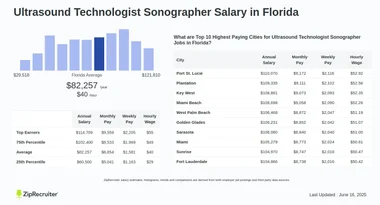
Salary depends on location, experience, and the type of employer. On average, pharmacy technicians earn between $30,000 and $45,000 per year, but this can vary widely.
| Work Setting | Average Annual Salary |
|---|---|
| Retail Pharmacy | $32,000 – $40,000 |
| Hospital Pharmacy | $35,000 – $45,000 |
| Specialty Pharmacy | $40,000 – $50,000+ |
Remember, gaining certification or additional training can boost your salary. Employers value credentials like the PTCB certification, which often lead to better pay and career advancement.
What salary do you aim for, and what steps are you willing to take to reach it? Thinking about your financial goals now can help you plan your training and job search effectively.

Credit: medium.com
Tips For Success
Success as a pharmacy technician depends on more than just passing exams and completing training. Building the right habits and connections can make a big difference in your career growth. Let’s look at practical tips that can help you stand out and thrive in this fast-paced field.
Networking Strategies
Networking isn’t just about exchanging business cards; it’s about building genuine relationships. Attend local pharmacy association meetings or healthcare job fairs to meet professionals who can offer advice or job leads.
Consider joining online forums or social media groups dedicated to pharmacy techs. These platforms allow you to ask questions, share experiences, and stay updated on industry trends.
Don’t hesitate to reach out to pharmacists or experienced techs at your workplace. A simple conversation can open doors to mentorship and new learning opportunities.
Professional Development
Continuing education keeps your skills sharp and your knowledge current. Look for workshops, certification courses, or webinars that focus on new medications, technology, or regulatory changes.
Volunteering for extra tasks at your job, like managing inventory or training new employees, shows initiative. These experiences build your resume and prepare you for future roles.
Ask yourself: What new skill can I learn this month that will improve my performance? Setting small, achievable goals helps maintain motivation and keeps you progressing steadily.
Frequently Asked Questions
What Are The Basic Requirements To Become A Pharm Tech?
To become a Pharm Tech, you need a high school diploma or GED. Completing an accredited pharmacy technician program is often required. Some states require certification, so check local regulations before applying for jobs.
How Long Does It Take To Become A Certified Pharm Tech?
Becoming a certified Pharm Tech usually takes 6 to 12 months. This includes completing a training program and passing a certification exam. Timeframes may vary depending on the program and your study pace.
What Skills Are Essential For A Successful Pharm Tech Career?
Key skills include attention to detail, strong communication, and basic math. Pharm Techs must accurately prepare medications and assist pharmacists. Organizational skills and knowledge of pharmacy laws are also important.
Can I Become A Pharm Tech Without Formal Education?
Some states allow on-the-job training without formal education. However, completing a certified program improves job prospects and salary potential. Certification is often preferred or required by employers.
Conclusion
Becoming a pharmacy technician takes clear steps and dedication. Start with the right education and training. Gain experience by working in a pharmacy setting. Keep learning to stay updated with new skills. The path may seem long but stay focused.
A rewarding career in healthcare awaits you. Take one step at a time and keep going. Your effort will lead to success in this field.

Similar Posts