How to Become Radiology Tech: Essential Steps for Success
Are you curious about a career that combines technology, healthcare, and helping people every day? Becoming a radiology tech might be the perfect fit for you.
Imagine being the person who operates advanced imaging machines to help doctors diagnose illnesses and save lives. If you want a job that is both rewarding and in high demand, this path could be your key. You’ll discover exactly what steps you need to take to become a radiology tech, what skills you’ll need, and how to stand out in this exciting field.
Ready to take the first step toward a career that makes a real difference? Keep reading!

Credit: www.amazon.com
Education Requirements
Becoming a radiology tech requires a solid educational foundation. The right training not only teaches you technical skills but also prepares you for certification and real-world challenges. Understanding what education paths to take is crucial to starting your career on the right foot.
High School Preparation
Your journey begins in high school. Focus on science subjects like biology, chemistry, and physics—they build the base for understanding human anatomy and imaging technology.
Math skills are equally important since you’ll deal with measurements and calculations daily. Don’t overlook computer classes, as digital imaging systems rely heavily on technology.
Have you considered volunteering or shadowing a radiology tech? It’s a great way to confirm your interest and gain early exposure.
Choosing The Right Degree
Most radiology techs start with an associate degree in radiologic technology, which typically takes two years. This program offers hands-on training combined with classroom theory.
If you want to advance your career, a bachelor’s degree is an option, providing deeper knowledge and more opportunities in specialized fields.
Look for programs that balance clinical experience with coursework—it’s essential to develop both your technical and patient care skills.
Accredited Programs
Not all radiology tech programs are created equal. Choose one accredited by the Joint Review Committee on Education in Radiologic Technology (JRCERT) or a similar authority.
Accreditation ensures the program meets industry standards and prepares you for certification exams. Employers often prefer graduates from accredited schools.
Before enrolling, verify the program’s success rate in placing graduates into jobs or passing certification tests. This data speaks volumes about the quality of education you’ll receive.
Certification And Licensing
Certification and licensing are key steps to work as a radiology tech. These credentials prove your skills and knowledge. They also ensure you meet the safety and quality standards in medical imaging.
Radiology techs must pass exams and meet state rules. Staying certified means ongoing learning and skill updates. This section explains the certification exams, state licensing rules, and how to keep your credentials active.
Certification Exams
Most radiology techs take the American Registry of Radiologic Technologists (ARRT) exam. This test covers anatomy, patient care, radiation safety, and imaging procedures. Passing it shows you have the needed knowledge and skills.
Before the exam, complete an accredited radiologic technology program. The test includes multiple-choice questions and practical tasks. Prepare well by studying and practicing imaging techniques.
State Licensing Criteria
Each state sets its own rules for radiology tech licensing. Some states require passing the ARRT exam. Others may have extra tests or background checks.
Check your state’s health department website for specific rules. Licensing usually involves submitting an application, proof of education, and exam results. Fees and renewal periods vary by state.
Maintaining Credentials
Radiology techs must renew certification every two years. This requires completing continuing education credits. These courses keep you updated on new technology and safety rules.
Failing to renew means losing certification. Without it, working as a radiology tech is not allowed. Keep records of your education and renewal dates to stay compliant.
Skills And Qualities
To become a successful radiology tech, you need certain skills and qualities. These help you perform your job well and keep patients safe. Radiology techs work with machines and people, so they must be both technically skilled and good communicators.
Strong attention to detail is crucial. It ensures accurate imaging and proper patient care. Developing these skills improves your chances of a rewarding career in radiology technology.
Technical Skills
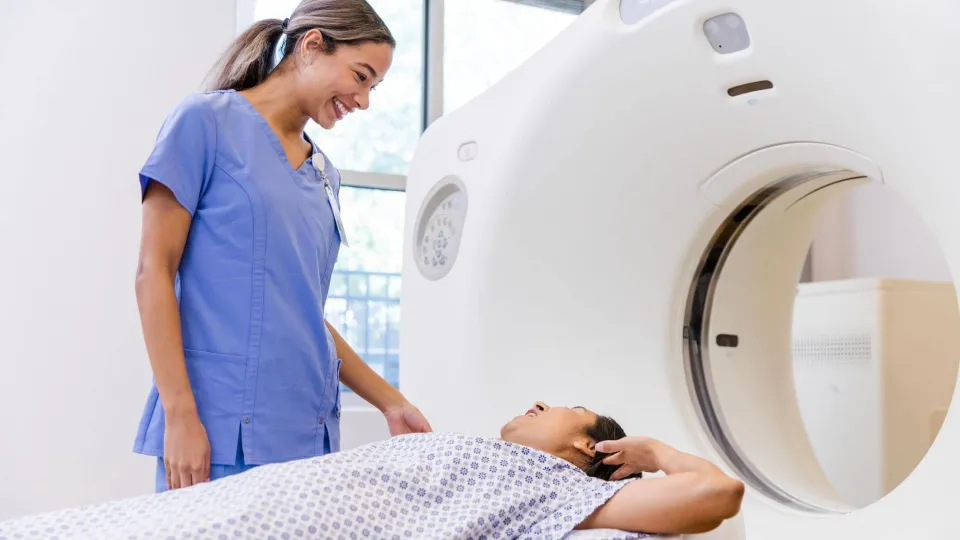
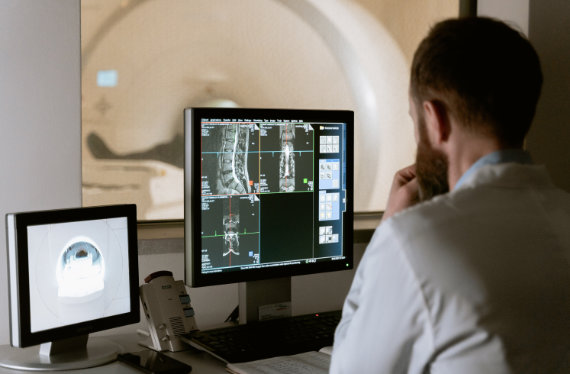
Radiology techs operate complex imaging machines like X-rays, CT scans, and MRIs. Understanding how these machines work is essential. You must follow safety rules to protect yourself and patients from radiation. Learning anatomy helps you capture clear images of the right body parts. Basic computer skills are also important for handling digital records and imaging software.
Communication Skills
Clear communication is vital in this role. You explain procedures to patients to ease their nerves. Listening to patients helps you understand their needs and concerns. You also work closely with doctors, nurses, and other staff. Sharing accurate information ensures correct diagnosis and treatment. Being polite and patient builds trust with everyone.
Attention To Detail
Precision matters in radiology technology. Small mistakes can affect image quality and diagnosis. You must position patients correctly and adjust machines carefully. Checking images for errors is part of the job. Following protocols exactly keeps all procedures safe and effective. A sharp eye helps you spot any problems early.
Gaining Experience
Gaining experience is vital for anyone aiming to become a radiology tech. Practical exposure builds skills and confidence in real healthcare settings. It helps you understand how to use radiology equipment and interact with patients professionally. Hands-on practice turns theory into action, making you job-ready.
Clinical Internships
Clinical internships provide direct experience in hospitals or clinics. During internships, you work under the supervision of experienced radiology techs. This helps you learn proper imaging techniques and safety protocols. Internships often last several weeks or months, giving ample time to develop skills. They also offer chances to observe different types of radiology procedures.
Volunteering Opportunities
Volunteering in healthcare settings is a great way to gain exposure. You can assist staff and support patient care in radiology departments. Volunteering helps you understand the hospital environment and workflow. It also builds your resume and shows commitment to the field. Many hospitals welcome volunteers eager to learn and help.
Entry-level Positions
Entry-level jobs in radiology or medical imaging provide valuable work experience. Positions like radiology assistant or imaging aide allow you to practice basic tasks. These roles teach you how to handle equipment and prepare patients for scans. Entry-level work improves your skills and helps you network with professionals. It can lead to better job opportunities in the future.
Job Search Strategies
Landing a job as a radiology tech requires more than just the right qualifications. Your approach to searching for a position can make all the difference. Effective job search strategies help you stand out in a competitive field and connect with the right employers quickly.
Building A Strong Resume
Your resume is your first impression. Focus on clear, concise descriptions of your skills and experience.
- Highlight certifications like ARRT or state licensure prominently.
- List hands-on experience with different imaging technologies, such as X-ray, MRI, or CT scans.
- Include any internships or clinical rotations, emphasizing real-world skills.
- Use bullet points to make information easy to scan.
- Tailor your resume for each job by matching keywords from the job description.
Think about the last resume that grabbed your attention. What made it stand out? Often, simple clarity and relevance are key.
Networking Tips
Connecting with professionals in radiology can open doors that online applications can’t. Reach out to mentors, former classmates, or colleagues from clinical rotations.
- Join professional groups on LinkedIn or Facebook related to radiologic technology.
- Attend local or virtual healthcare job fairs.
- Volunteer at hospitals or clinics to meet people and gain experience.
- Ask for informational interviews to learn about different workplaces and roles.
Have you ever considered how a casual conversation might lead to your next job? Sometimes, who you know matters just as much as what you know.
Interview Preparation
Interviews test both your technical knowledge and how well you fit with the team. Prepare by reviewing common radiology tech questions and practicing clear, confident answers.
- Understand the basics of safety protocols and patient care.
- Be ready to discuss how you handle challenging situations, like difficult patients or equipment issues.
- Prepare questions to ask the interviewer about team culture and growth opportunities.
- Practice your communication skills to explain complex information simply.
How do you prepare to show both your expertise and your personality? Being ready helps you stay calm and focused during the interview.
Credit: www.concorde.edu
Career Advancement
Advancing your career as a radiology tech can open doors to new opportunities, higher pay, and greater job satisfaction. It’s not just about gaining experience but also about strategically positioning yourself for growth. How can you make your career path more dynamic and fulfilling?
Specialization Options
Choosing a specialization can set you apart from other radiology techs. Areas like MRI, CT scanning, mammography, or nuclear medicine each require specific skills and certifications. Focusing on one can increase your expertise and make you a valuable asset to your employer.
For example, I once worked with a colleague who specialized in pediatric radiology. Her focused skills led to a promotion and a higher salary in a pediatric hospital. What specialization excites you the most?
Continuing Education
Staying updated with the latest technology and techniques is key. Many employers value techs who pursue additional courses and certifications. Continuing education not only sharpens your skills but also keeps you competitive in the job market.
Consider enrolling in online courses, attending workshops, or joining professional organizations. These steps can boost your knowledge and help you meet credentialing requirements for advanced roles.
Leadership Roles
Taking on leadership responsibilities can transform your career. Supervisory roles, training positions, or departmental coordinators allow you to influence how radiology services are delivered. Leadership experience also builds your resume and opens paths to management.
Have you thought about leading a team or mentoring new techs? These roles improve your communication and problem-solving skills, making you a stronger candidate for future promotions.
Credit: www.regiscollege.edu
Frequently Asked Questions
What Qualifications Are Needed For Radiology Tech?
To become a radiology tech, a high school diploma is essential. Enroll in an accredited radiologic technology program. Typically, these programs offer associate degrees. After graduation, obtaining certification from the American Registry of Radiologic Technologists (ARRT) is recommended. Some states require licensure for practice.
How Long Does Radiology Tech Training Take?
Radiology tech training usually takes about two years. Most programs offer associate degrees. Some institutions provide bachelor’s degree options, which may take four years. Specialized certifications can require additional training. Continuing education is often needed to maintain certification and stay updated with industry standards.
What Skills Are Required For Radiology Techs?
Radiology techs need strong communication skills. Attention to detail is crucial for accurate imaging. Technical proficiency is necessary to operate imaging equipment. Physical stamina helps when positioning patients. Problem-solving skills assist in handling unexpected situations. Continuous learning is important to adapt to technological advancements.
What Are The Job Prospects For Radiology Techs?
Radiology techs have promising job prospects. The demand for imaging services is growing. Healthcare facilities continually need skilled professionals. Opportunities exist in hospitals, clinics, and diagnostic centers. Career advancement can lead to specialized roles. Continuing education enhances job prospects and potential for higher earnings.
Conclusion
Becoming a radiology tech takes clear steps and dedication. Complete the right education and training first. Gain hands-on experience through clinical practice. Pass certification exams to prove your skills. Keep learning to stay updated with new tools. A career in radiology tech offers good job options.
It helps you support patient care in hospitals. Focus on your goal and work steadily. Success comes with patience and hard work. Your effort will lead to a rewarding career.