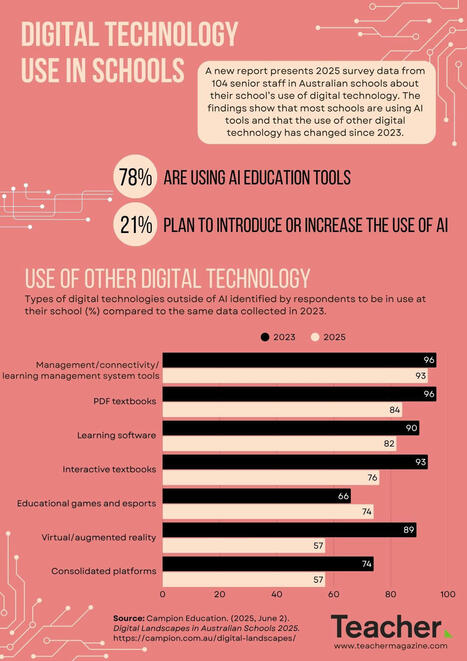
How to Implement Ed-Tech in Schools: Boosting Learning Outcomes with Technology Integration
Are you ready to transform your classroom and make learning more exciting? Implementing ed-tech in schools can boost student engagement, simplify teaching, and open up new opportunities for everyone.
But where do you start? This guide will walk you through easy steps to bring technology into your school successfully. By the end, you’ll have clear ideas that you can put into action right away. Keep reading, because your next big breakthrough in education is just ahead.
Benefits Of Ed-tech In Schools
The benefits of ed-tech in schools go far beyond simply using new tools in the classroom. It changes how students learn, how teachers teach, and how schools operate. These changes create a more dynamic and effective learning environment that can adapt to the needs of every student.
Enhancing Student Engagement
Ed-tech grabs students’ attention by making lessons interactive and fun. Instead of passively listening, students can participate through quizzes, videos, and games. This active involvement helps students focus better and retain information longer.
Think about a science class where students use virtual labs to conduct experiments. They get hands-on experience without safety risks or expensive materials. Wouldn’t you agree this kind of learning sparks curiosity and excitement?
Personalizing Learning Experiences
Every student learns differently, and ed-tech adapts to those differences. It lets you tailor lessons to fit each student’s pace and style. Tools like adaptive learning platforms can identify areas where a student struggles and provide extra help automatically.
This approach helps prevent students from falling behind or feeling bored. Have you noticed how personalized feedback motivates you more than generic comments?
Facilitating Collaboration
Ed-tech breaks down walls between students, classrooms, and even schools. It provides platforms where students can work together on projects, share ideas, and solve problems as a team. Collaboration tools like shared documents and video conferencing make group work easier and more effective.
Imagine students from different parts of the world working on a history project together. This global interaction broadens perspectives and builds communication skills. How often do your students get to collaborate beyond their immediate classroom?
Improving Assessment Methods
Traditional tests can be stressful and sometimes don’t show a student’s true understanding. Ed-tech offers diverse ways to assess knowledge, such as interactive quizzes, portfolios, and real-time progress tracking. These methods provide instant feedback, allowing teachers and students to adjust quickly.
With detailed analytics, teachers can spot patterns and identify which topics need more attention. Wouldn’t you want to know exactly where your students struggle before the final exam?
Choosing The Right Technology
Choosing the right technology is essential for effective ed-tech implementation in schools. The right tools support learning and teaching goals. They enhance student engagement and improve educational outcomes. Careful selection prevents wasted resources and frustration. Schools should analyze their unique needs before making decisions.
Evaluating School Needs
Assess current teaching methods and learning challenges. Identify subjects or skills needing more support. Gather feedback from teachers, students, and parents. Consider the school’s infrastructure, such as internet speed and device availability. Define clear goals for technology use. This creates a focused plan for selecting tools.
Selecting Appropriate Tools
Choose technology that fits the school’s goals and curriculum. Look for user-friendly platforms that teachers can adopt easily. Prioritize tools that offer interactive and engaging content. Evaluate software compatibility with existing hardware. Check for regular updates and technical support. Pilot programs help test effectiveness before full adoption.
Considering Accessibility And Inclusivity
Ensure technology is accessible to all students, including those with disabilities. Select tools that support multiple languages and learning styles. Check if software has features like text-to-speech or adjustable fonts. Promote equal learning opportunities for every student. Accessibility boosts participation and helps diverse learners succeed.
Budget And Resource Planning
Determine the total cost of ownership, including licenses and maintenance. Plan for teacher training and ongoing technical support. Allocate funds for upgrading hardware if needed. Balance quality with affordability to maximize impact. Create a timeline for phased implementation. Good planning avoids overspending and ensures smooth adoption.
Preparing Teachers For Tech Integration
Preparing teachers for technology integration is vital for successful ed-tech adoption. Teachers must feel confident and skilled in using new tools. Training helps them understand how technology fits into teaching goals.
Effective preparation creates a positive attitude towards tech use. It reduces frustration and builds motivation to try new methods. Schools that support teachers fully see better results in classrooms.
Professional Development Programs
Structured training programs equip teachers with necessary tech skills. These programs should be hands-on and practical. Sessions can cover software use, digital tools, and classroom management with tech.
Workshops and seminars allow teachers to practice and ask questions. Tailored programs meet different skill levels and subject needs. Regular updates keep teachers informed about new technologies.
Building Digital Literacy
Digital literacy means understanding how to use technology safely and effectively. Teachers need to learn basic skills like navigating apps and managing files. They must also know about online safety and privacy.
Encouraging critical thinking about digital content helps teachers guide students better. Schools can provide simple guides and resources for quick reference. Building these skills boosts teacher confidence.
Encouraging Innovative Teaching Methods
Technology offers new ways to engage students. Teachers should explore creative methods like flipped classrooms and interactive lessons. Innovation helps meet diverse learning styles and keeps students interested.
Sharing success stories and examples inspires teachers to experiment. Collaboration among teachers fosters idea exchange. Schools can recognize and reward innovative teaching efforts.
Providing Ongoing Support
Continuous help is crucial as teachers adopt new tools. Support can include tech coaches, help desks, and peer mentoring. Quick assistance prevents frustration and keeps teachers motivated.
Regular check-ins and feedback sessions help identify challenges early. Schools should create a culture where asking for help is encouraged. Ongoing support ensures lasting tech integration success.

Credit: www.idinsight.org
Implementing Ed-tech In The Classroom
Bringing educational technology into your classroom isn’t just about adding gadgets or apps. It’s about making technology a seamless part of learning that supports your teaching goals and helps students grasp concepts better. How can you make sure that tech use is practical, effective, and truly enhances the classroom experience?
Integrating Technology With Curriculum
Start by aligning digital tools with your lesson objectives. Choose software or devices that directly support the skills or knowledge you want students to gain. For example, if you’re teaching fractions, use interactive apps that let students manipulate shapes to see fraction parts visually.
Don’t let technology stand alone; it should complement textbooks, discussions, and hands-on activities. Ask yourself, does this tool deepen understanding or just add complexity? When you focus on purpose, technology becomes a meaningful part of the curriculum.
Creating Interactive Lessons
Interactive lessons keep students engaged and help them learn by doing. Use tools like quizzes, polls, or virtual simulations that require active participation. My experience showed me that students remember concepts better when they can interact with the material rather than passively watch a screen.
Try breaking lessons into short activities that use technology to reinforce each point. For example, after a brief explanation, students can complete an online quiz or collaborate on a shared document. This variety keeps energy high and minds focused.
Managing Classroom Technology Use
Clear rules make tech use smooth and stress-free. Set expectations on when and how devices should be used to avoid distractions. For instance, designate specific times for tech activities and ensure students know when to switch off devices.
It’s also helpful to have a backup plan for tech glitches. Prepare offline alternatives so learning continues without interruption. You’ll find that a little structure around technology use helps maintain control and keeps your classroom running efficiently.
Engaging Students With Digital Tools
Choose tools that excite your students and connect to their interests. Gamified learning platforms, storytelling apps, or creative design software can motivate students to explore topics more deeply. Have you noticed how enthusiasm spikes when students create their own digital projects?
Encourage collaboration through shared documents or discussion boards. This not only builds digital skills but also fosters peer learning. When students feel ownership of their tech-based work, their engagement naturally increases.
Overcoming Common Challenges
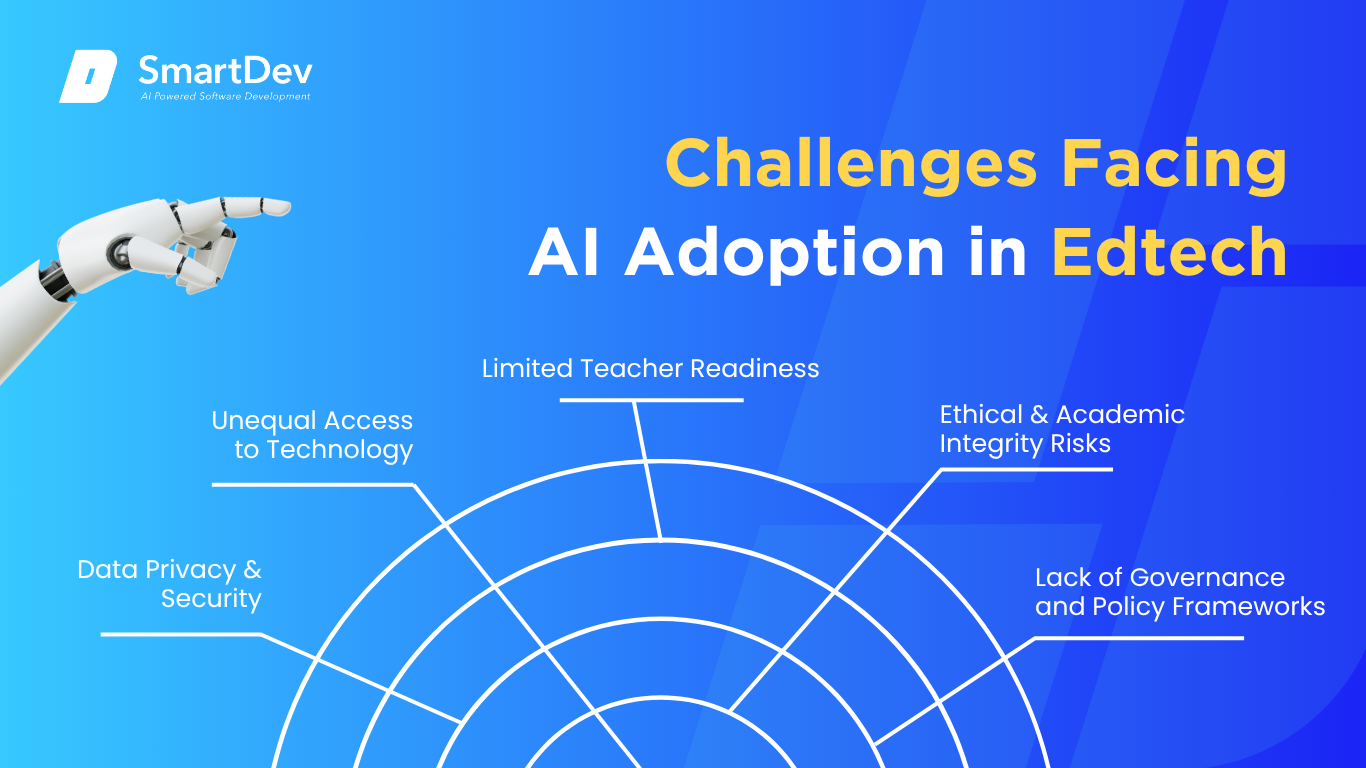
Implementing educational technology in schools brings many benefits. Challenges often arise during the process. Overcoming these obstacles ensures smooth integration and better learning outcomes.
Addressing Technical Issues
Technical problems can disrupt classes and frustrate users. Schools need reliable internet and up-to-date devices. Regular maintenance prevents breakdowns. Provide quick support for teachers and students. Training staff on basic troubleshooting helps reduce delays.
Ensuring Student Data Privacy
Protecting student information is critical. Use secure platforms with strong encryption. Follow local laws about data protection. Limit access to sensitive data to authorized personnel only. Inform parents and students about privacy policies clearly.
Handling Resistance To Change
Some teachers and staff may resist new technology. Share clear benefits and success stories. Offer hands-on training and ongoing support. Encourage collaboration and feedback from users. Celebrate small wins to build confidence and acceptance.
Maintaining Equity In Access
Not all students have the same access to technology. Provide devices and internet for those in need. Create offline alternatives for learning materials. Ensure every student can participate fully. Monitor usage to identify and solve access gaps.
Credit: smartdev.com
Measuring Impact On Learning
Measuring the impact of ed-tech in your school is essential to understand if the tools you’ve introduced are truly helping students learn better. It’s not enough to just add technology; you need clear evidence that it makes a difference. This means looking closely at how students perform, gathering opinions from everyone involved, and being ready to make changes based on what the data tells you.
Tracking Student Performance
Start by setting clear goals for what you want your students to achieve with the new technology. Use quizzes, assignments, and tests to see if their skills and knowledge improve over time. Digital tools often provide detailed reports—use these to spot trends and areas where students struggle.
Ask yourself: Are students completing tasks faster? Are their scores improving? This kind of data gives you a direct look at the technology’s effect on learning.
Collecting Feedback From Stakeholders
Students, teachers, and even parents have valuable insights about how the technology is working day-to-day. Create simple surveys or hold quick focus groups to gather their thoughts. Sometimes the biggest issues or benefits come from unexpected sources.
Encourage honest feedback by asking specific questions, like whether the tech makes lessons more engaging or if it’s easy to use. This helps you see beyond just numbers and understand the real impact on the classroom experience.
Adjusting Strategies Based On Data
Use the information from performance tracking and feedback to refine your approach. If certain tools aren’t helping, consider replacing or supplementing them. Maybe some students need more guidance, or teachers require additional training to use the technology effectively.
Change isn’t a sign of failure; it’s part of making your ed-tech efforts work better. What small tweaks could improve your results? Experiment and be flexible.
Celebrating Success Stories
Highlight wins, no matter how small. Share stories of students who improved or teachers who found new ways to engage their class using technology. This builds motivation and shows everyone the value of your efforts.
Celebrations also encourage others to embrace ed-tech with enthusiasm. What success story can you share today to inspire your school community?

Credit: thescreentimeconsultant.com
Frequently Asked Questions
What Are The Benefits Of Implementing Ed-tech In Schools?
Ed-Tech enhances student engagement, personalizes learning, and improves access to resources. It supports diverse learning styles and fosters collaboration. Schools gain efficient administrative tools and data-driven insights. Overall, Ed-Tech modernizes education and prepares students for future digital demands.
How Can Schools Start Integrating Ed-tech Effectively?
Begin with assessing current technology and needs. Train teachers on new tools and choose user-friendly platforms. Start small with pilot programs, then scale gradually. Involve students and parents for feedback. Focus on infrastructure and ongoing support for success.
What Challenges Do Schools Face In Ed-tech Adoption?
Common challenges include limited budgets, lack of training, and resistance to change. Technical issues and inadequate infrastructure also hinder progress. Addressing these requires strategic planning, professional development, and stakeholder engagement to ensure smooth implementation and sustained use.
Which Ed-tech Tools Are Best For Classroom Learning?
Top tools include interactive whiteboards, learning management systems, and educational apps. Tools that support collaboration, assessment, and personalized learning work best. Select technology aligned with curriculum goals and user needs to maximize impact and engagement.
Conclusion
Integrating ed-tech in schools opens doors to better learning. Teachers gain new tools to engage students. Students enjoy interactive lessons that boost understanding. Schools must plan carefully to ensure success. Training is key for both teachers and students. Choose technology that fits school needs and budget.
Regular feedback helps improve the process. Collaboration with tech experts can smooth the transition. Embrace this change to enrich education. Ed-tech offers exciting possibilities for growth. Start today, and watch your school evolve.