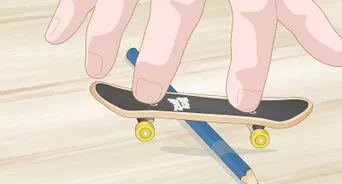
Have you ever watched someone nail a kickflip on their Tech Deck and wondered, “How do they do that?” You’re closer than you think to mastering this cool trick. With just a little practice and the right steps, you can impress your friends and take your fingerboarding skills to the next level.
This guide will break down exactly how to kickflip a Tech Deck, making it simple and fun for you to learn. Ready to start flipping your way to success? Let’s dive in!

Credit: www.youtube.com
Choosing The Right Tech Deck
Choosing the right Tech Deck is key to learning the kickflip. The perfect board feels comfortable in your hands. It helps you practice tricks more easily and enjoy the ride. Small details like size, grip tape, wheels, and bearings affect your control. Let’s explore these factors to find the best fit for you.
Board Size And Shape
Tech Decks come in various sizes and shapes. A wider deck offers more space for your fingers. Narrow decks are easier to flip quickly. The shape affects how the board responds to your movements. Pick a size that feels natural and fits your hand well. Experiment with different shapes to see what works best.
Grip Tape Options
Grip tape keeps your fingers from slipping off the board. Some decks have rough grip tape for better hold. Others have smooth surfaces that allow faster flips. The right grip tape depends on your style. If you want control, choose rough grip tape. For speed and quick tricks, smooth grip tape may be better.
Wheel Types And Bearings
Wheels and bearings affect how the Tech Deck rolls. Softer wheels provide more grip but slower speed. Hard wheels roll faster but can slip on smooth surfaces. Bearings make wheels spin smoothly. Good bearings help with better control during tricks. Match wheel hardness and bearings to your practice area and style.
Basic Fingerboard Stance
Getting the basic fingerboard stance right is key to doing a kickflip on a Tech Deck. A solid stance helps control the board and makes tricks easier. You need to position your fingers correctly and find the right balance. This section breaks down how to stand on your fingerboard with confidence and control.
Finger Placement Tips
- Place your index finger near the front bolts of the board.
- Keep your middle finger close to the center for stability.
- Rest your ring finger near the back bolts for control.
- Keep fingers relaxed but firm for smooth movement.
- Adjust finger spacing to fit your hand size comfortably.
Balancing On The Board
Balance is all about feeling the board under your fingers. Keep your fingers spread out evenly. Avoid putting too much pressure on one side. Stay loose but steady. Practice shifting your weight slightly to keep the board flat.
Try small movements to get used to how the board reacts. A steady balance helps you pop the board for a clean kickflip.
Step-by-step Kickflip Technique
Mastering the kickflip on a Tech Deck takes more than just flicking the board; it demands precision and timing. Each part of the trick builds on the last, so understanding the details can make your practice sessions more effective and enjoyable. Let’s break down the kickflip into clear, manageable moves that you can focus on one by one.
Setting Up Your Fingers
Place your index finger near the center of the board, just behind the front bolts. Your middle finger should rest lightly on the tail, ready to pop the board downward.
This setup gives you control over the flick and pop. Have you noticed how changing finger positions affects your board’s movement? Experiment to find what feels most natural for you.
Popping The Board
Snap your middle finger down hard on the tail to launch the board into the air. The pop needs to be quick and sharp to generate enough lift for the flip.
Don’t just press down—think of it as a snap. The better your pop, the more time you have to complete the flick and catch.
Flicking For The Flip
As soon as the board pops up, slide your index finger off the corner of the nose at a slight angle. This flick causes the board to spin along its axis.
Keep your flick controlled but firm; too soft, and the board won’t flip, too hard, and it might spin out of control. Have you tried adjusting your flick angle to see how it changes the flip speed?
Landing Smoothly
Watch the board as it completes the flip and prepare to catch it with both fingers. Timing here is key—catch the board right after the flip finishes.
Keep your fingers relaxed to absorb the landing impact. Landing cleanly means you’re ready to roll or go for the next trick without losing balance.

Credit: www.instagram.com
Common Mistakes To Avoid
Learning how to kickflip a Tech Deck takes practice and patience. Many beginners make simple mistakes that slow progress or cause frustration. Avoiding these common errors can help improve your technique faster. Focus on precise movements and control.
Incorrect Flicking Angle
The flicking angle affects the board’s flip speed and height. Flick too low, and the board won’t flip fully. Flick too high, and the board flips too fast or spins out. Aim for a smooth flick from the side of the board’s front edge. This helps the board rotate properly and land under your fingers.
Poor Timing
Timing is key to a clean kickflip. Flick the board and jump at the right moment. Flicking too early or late disrupts your balance and control. Practice syncing your flick with your jump. This creates a smooth motion and improves your chances of landing the trick.
Unstable Landing
Landing unstable causes the board to slip or fall. Keep your fingers ready to catch the board after it flips. Land with your feet centered on the board’s deck. Bend your knees slightly to absorb the impact. This stabilizes your landing and prepares you for the next trick.
Practice Drills For Consistency
Consistency is key when learning to kickflip a Tech Deck. Practice drills build muscle memory and improve control. Regular practice helps you land tricks more often.
Focus on small, focused exercises that target your flick and finger movements. These drills train your brain and fingers to work together smoothly.
Repetition Strategies
Practice the kickflip motion many times without the board first. Use your fingers to mimic the flick and pop. Then, try with the Tech Deck slowly.
Set a goal for daily repetitions. For example, do 20 flicks in a row. Rest briefly and repeat. This builds muscle memory and confidence.
- Start with slow, controlled flicks.
- Increase speed as you get comfortable.
- Focus on clean landings rather than fast tricks.
Improving Flick Speed
Speed up your flick to make the board flip correctly. Quick flicks give the board enough spin and height.
Practice snapping your fingers quickly, as if flicking a small coin. Use your index finger and thumb for better control.
- Do short flick bursts for speed.
- Keep your wrist loose but controlled.
- Try flicking at different angles to find your best motion.
Strengthening Finger Control
Strong fingers improve your control over the Tech Deck. They help with precise flicks and better balance.
Use finger exercises like squeezing a stress ball or stretching fingers apart. This builds strength and flexibility.
- Practice finger taps to build quick response.
- Try balancing the board on one finger for stability.
- Use finger push-ups on a flat surface to increase strength.
Advanced Kickflip Variations
Advanced kickflip variations add excitement and challenge to your Tech Deck tricks. They require better finger control and timing. These tricks improve your skills and impress your friends.
Double Kickflip
The double kickflip spins the board twice in one jump. Flick the board harder with your fingers. Control is key to catching it after two flips. Practice timing your catch for smooth landings.
Kickflip Shuvit
This trick mixes a kickflip with a shuvit spin. The board flips and spins 180 degrees beneath your fingers. Push the board with a flick and a scoop motion. Catch the board after both moves finish.
360 Kickflip
The 360 kickflip turns the board fully around while flipping. It combines a kickflip with a 360-degree shuvit spin. Use strong flicks and scoops together. Focus on catching the board after one full spin and flip.
Maintaining Your Tech Deck
Maintaining your Tech Deck is key to keeping your tricks smooth and your board looking fresh. A well-kept Tech Deck feels better in your hands and lasts longer, letting you focus on landing that perfect kickflip. Let’s look at how you can keep your miniature board in top shape.
Cleaning And Upkeep
Dust and dirt can build up quickly on your Tech Deck, especially if you use it outside. Use a soft brush or a microfiber cloth to gently wipe the deck and wheels. Avoid using water directly; instead, slightly dampen the cloth if needed to remove stubborn dirt.
Check the grip tape often. If it feels slippery, lightly roughen it with fine sandpaper or replace it. Keeping the grip tape in good condition makes your flicks and flips more precise.
Replacing Worn Parts
Over time, parts like wheels and screws can wear out or loosen, affecting your control. Keep a small toolkit handy so you can tighten screws as soon as you notice any wobbling. Loose parts can throw off your balance during tricks.
Worn wheels reduce your Tech Deck’s ability to roll smoothly. Swapping them out is simple and gives your board a fresh feel. Don’t wait until parts break completely—replacing them early can prevent bigger problems and save you money.

Credit: www.tiktok.com
Frequently Asked Questions
How Do I Start Learning A Tech Deck Kickflip?
Begin by mastering basic flick and pop techniques on your Tech Deck. Practice finger positioning and board control for smooth flips.
What Finger Placement Works Best For Tech Deck Kickflips?
Place your index finger near the front bolts and your middle finger on the tail’s edge for optimal flick and control.
How Can I Improve My Tech Deck Kickflip Consistency?
Practice regularly focusing on timing your flick and pop. Use smooth, controlled movements and watch tutorial videos for technique tips.
What Common Mistakes Should I Avoid In Tech Deck Kickflips?
Avoid flicking too hard or too soft. Don’t lift your fingers too early. Keep the board level for a clean flip.
Conclusion
Practice your Tech Deck kickflip often to improve your skills. Stay patient and keep trying, even if it feels hard. Small steps lead to big progress over time. Watch others and learn from their moves. Enjoy the process and have fun while you practice.
Every attempt gets you closer to landing it clean. Remember, practice makes perfect, so don’t give up. Your dedication will show in your Tech Deck tricks soon. Keep pushing forward, and you will see results.