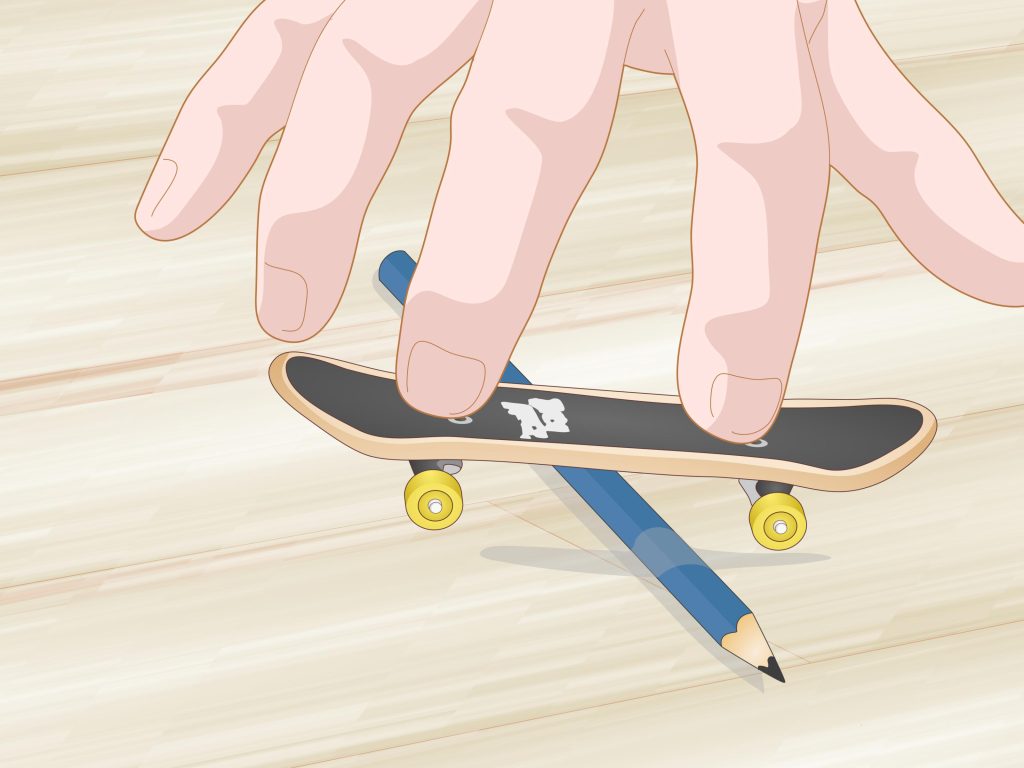
Want to master the Ollie on your Tech Deck and impress everyone with your fingerboarding skills? Learning this trick might seem tricky at first, but with the right steps, you can nail it faster than you think.
Imagine the thrill of popping your board into the air smoothly and landing like a pro. In this guide, you’ll discover simple tips and techniques that make learning the Ollie easy and fun. Ready to take your Tech Deck moves to the next level?
Let’s dive in and get your fingers rolling!
Gear Up For Tech Deck
Before you start mastering the ollie on your Tech Deck, getting the right gear in place is essential. The right setup not only improves your control but also makes learning smoother and more enjoyable. Let’s break down what you need to prepare so you can focus on perfecting your tricks.
Choosing The Right Tech Deck
Pick a Tech Deck that feels comfortable in your hands. Different boards have varying widths and shapes, so test a few if you can. A wider deck offers more stability, which is great when you’re learning ollies.
Look for boards with quality grip tape to keep your fingers from slipping. Some Tech Decks come with pre-applied grip tape, but you can also add your own for better control. Don’t overlook the wheels—smooth-rolling wheels make flicking the board easier, which is crucial for an ollie.
Essential Accessories
Having the right accessories can make a big difference. A small tool kit for tightening screws and adjusting trucks helps maintain your board’s performance. Loose trucks can ruin your ollie attempts.
Consider finger tape or gloves if your fingers get sore during practice. These protect your skin and give you extra grip. Also, a carrying case keeps your Tech Deck safe and ready for action anywhere.
Setting Up Your Workspace
Your practice space should be flat, clean, and free of clutter. A smooth surface like a wooden table or desk works best. Avoid rough or uneven surfaces that can throw off your balance.
Good lighting is key—make sure you can clearly see the board and your fingers. A dedicated spot for practice helps build focus and consistency. Have you set up a space where distractions are minimized? That can speed up your progress.
Basic Ollie Movements
Understanding the basic ollie movements is key to performing tricks on a Tech Deck. This move combines precise finger placement, a quick pop, and a smooth slide. Each part builds on the other to lift the board off the surface. Practice these steps slowly to gain control and confidence.
Finger Placement Tips
Place your index finger near the front bolts of the board. Your middle finger should rest on the tail. Keep your fingers relaxed but firm. This setup helps balance and control the board. Adjust your fingers slightly to find the most comfortable grip.
Popping The Board
Press down hard with your middle finger on the tail. The pop should be quick and sharp. This action makes the board jump off the surface. Avoid using too much force to keep control. Timing is important; pop and slide at the same moment.
Sliding For Lift
Slide your index finger forward along the board’s edge. This movement lifts the board into the air. Keep your fingers close to the board during the slide. The slide helps level the board while in the air. Practice smooth slides to improve your ollie height.
Timing And Coordination
Timing and coordination are key to performing a smooth ollie on your Tech Deck. Both your fingers and your sense of balance must work in harmony. Without perfect timing, the board won’t pop or land correctly. Practice helps your brain and fingers sync up for the trick.
Syncing Finger Actions
Your fingers control the flick and pop of the board. The back finger presses down hard to make the tail hit the surface. At the same time, the front finger slides forward to lift the board. Both actions must happen quickly and together. Practicing slow, controlled movements builds muscle memory.
Balancing The Board Mid-air
Once the board pops up, keep your fingers steady. The board will tilt if your fingers move unevenly. Use small adjustments to keep it flat in the air. This balance helps the board stay under control. Watch the board’s angle and correct it with gentle finger movements.
Landing Smoothly
Landing is the final test of timing. Your fingers must release the board just as it comes down. Too early or too late causes the board to slip or fall. Bend your fingers slightly to absorb the impact. A soft landing keeps the board steady and ready for the next move.

Credit: www.instagram.com
Common Mistakes To Avoid
Mastering the Ollie on a Tech Deck can be tricky, especially if you fall into common traps that many beginners encounter. Avoiding these mistakes can save you frustration and help you progress faster. Let’s look at some key errors to watch out for so your practice sessions become more effective and enjoyable.
Over-popping The Board
It’s tempting to slam the tail of your Tech Deck hard to get more height, but over-popping often causes the board to flip uncontrollably. You want a quick, controlled pop—not a forceful hit that sends the board spinning away from your fingers.
Try to feel the right amount of pressure that lifts the board without losing control. Think about timing your flick perfectly rather than relying on brute force. Have you noticed your board flipping too much? That’s a sign you’re over-popping.
Incorrect Finger Placement
Finger position is crucial for balance and control. Placing your fingers too close to the edges can make the board wobble or slip from your grip. Likewise, fingers too far apart can reduce the flick’s effectiveness.
Place your middle finger on the tail’s edge and your thumb near the middle of the board for better stability. Adjust your grip slightly if the board feels unsteady—small changes make a big difference. What feels comfortable may surprise you once you experiment.
Rushing The Trick
Trying to Ollie too fast often leads to mistakes like poor timing or loss of control. Taking your time to coordinate the pop and flick is essential for a clean Ollie. Slow down your movements initially and focus on smooth execution.
Practice patience and observe your board’s response after each attempt. Are you rushing because you want quick results? Remember, speed will come naturally once your technique improves. How often do you pause to reset and analyze your motion?
Advanced Ollie Variations
Once you’ve mastered the basic Ollie on your Tech Deck, it’s time to push your skills further. Advanced Ollie variations challenge your control, timing, and creativity. These tricks not only look impressive but also sharpen your overall fingerboarding technique.
Ollie 180
The Ollie 180 adds a twist—literally. After popping your Ollie, rotate your Tech Deck 180 degrees before landing. This move demands precise timing and smooth finger coordination to spin the board mid-air without losing balance.
Start by practicing the rotation on flat ground without popping the board. Then, combine the spin with the Ollie pop. Notice how your fingers need to push and flick in sync to make the rotation feel natural.
Nollie Techniques
Nollies begin with popping the nose instead of the tail, reversing the usual Ollie motion. This switch in technique changes the board’s dynamics, requiring different finger placement and pressure. Mastering the Nollie opens new lines of tricks you can combine effortlessly.
Try shifting your index finger to the nose and practice the pop. Observe the difference in timing compared to a regular Ollie. You’ll find it challenges your finger strength and coordination in fresh ways.
Flip Tricks Integration
Integrating flip tricks with your Ollie adds flair and complexity. After launching your Ollie, use your fingers to flip the board in various ways—kickflip, heelflip, or even varial flips. These require precise finger flicks and sharp timing to control the board’s spin.
Start with small, controlled flicks to understand how the board reacts mid-air. Combining flip tricks with your Ollie pushes your muscle memory and fingerboard control. Can you land a clean Ollie kickflip right now? It’s a test of patience and perseverance.

Credit: www.instagram.com
Practice Routines For Speed
Improving your speed in performing an Ollie on a Tech Deck requires focused practice routines. Speed comes from muscle memory and confidence. Regular drills build both. Practicing consistently sharpens your reflexes and control.
Short, focused sessions work best. Practicing a little every day keeps your skills fresh. This approach helps you react faster and land Ollies smoothly.
Daily Drill Ideas
- Start with basic Ollie pops to warm up.
- Practice flicking the board quickly for better speed.
- Try small Ollies over imaginary obstacles to increase timing.
- Use a timer to perform as many Ollies as possible in 1 minute.
- Combine Ollies with quick finger movements to mimic real skate tricks.
Tracking Progress
Keep a simple log of your daily practice. Note how many Ollies you can do in a set time. Write down improvements in speed and control.
Recording videos helps. Watching yourself shows areas to improve. You notice small mistakes slowing you down.
Staying Motivated
Set small goals each week to keep practice fun. Celebrate hitting new speed targets, even if small.
Change drills often to avoid boredom. Try new tricks or combos after speed improves.
Join online Tech Deck communities. Sharing progress boosts motivation and gets helpful tips.
Troubleshooting Common Issues
Practicing the ollie on a Tech Deck can bring up some common issues. These problems might slow down your progress or cause frustration. Identifying and fixing these issues helps improve your skills faster. Here are solutions to typical challenges faced by Tech Deck users.
Board Slipping
Board slipping is a frequent problem during tricks. It happens when your fingers lose grip on the Tech Deck. To fix this, clean your fingers and the board’s surface. Use a dry cloth to wipe off dust or oils. Adding a small piece of grip tape can improve traction. Also, practice keeping steady pressure with your fingers.
Finger Fatigue
Finger fatigue occurs after extended play. Your fingers may feel sore or weak. Take short breaks to rest and stretch your fingers. Strengthening exercises like squeezing a stress ball can help. Try to use relaxed but firm finger movements. Avoid gripping the board too tightly to reduce strain.
Surface Challenges
The surface you play on affects your ollie success. Smooth or slippery tables make controlling the board hard. Choose surfaces with some texture or grip. Avoid rough or uneven surfaces that can damage your Tech Deck. A flat, stable surface is best for consistent practice. This helps your board slide and flip properly.

Credit: www.tiktok.com
Frequently Asked Questions
What Is A Tech Deck Ollie?
A Tech Deck Ollie is a basic trick performed with fingerboards. It involves popping the board into the air using your fingers, mimicking the skateboard ollie. This trick is essential for learning more advanced fingerboard maneuvers and helps improve your control and coordination on a Tech Deck.
How Do You Start Learning Ollie?
To learn an Ollie, begin by positioning your fingers correctly on the Tech Deck. Your index finger should be near the tail and your middle finger on the deck. Practice popping the tail down while sliding your middle finger forward to lift the board.
Consistent practice will improve your technique.
What Common Mistakes To Avoid?
Avoid incorrect finger positioning, which can hinder your Ollie. Make sure your fingers are properly placed for balance and control. Another common mistake is not popping hard enough. Ensure you apply enough force to lift the board. Focus on smooth, coordinated movements for best results.
How Long Does It Take To Master?
Mastering the Tech Deck Ollie varies from person to person. With regular practice, you might get the hang of it in a few days. Consistency and patience are key. Dedicate time daily to practice and refine your technique for quicker mastery.
Conclusion
Practicing the Ollie on a Tech Deck takes time and patience. Start slow and focus on your finger movements. Try small jumps first, then increase height as you improve. Watch your balance and keep your fingers steady. Every attempt helps you learn and get better.
Keep practicing regularly to build confidence and skill. Soon, you will land smooth Ollies with ease. Remember, enjoy the process and have fun with your Tech Deck.