What are the Prerequisites for Radiology Tech: Essential Steps to Start
Are you considering a career as a radiology tech but unsure where to start? Knowing the right prerequisites can make all the difference in getting accepted into a program and succeeding in this rewarding field.
You’ll discover exactly what qualifications, skills, and steps you need to take to become a radiology technologist. By understanding these essentials upfront, you’ll be one step closer to turning your goal into reality. Keep reading to find out what it takes to begin your journey in radiology tech.
Educational Requirements
Educational requirements form the foundation for a career as a radiology tech. This field demands knowledge in biology, anatomy, and medical imaging. Preparing through proper education helps students gain the skills needed for clinical work and certification exams.
High School Courses
High school courses play a key role in preparing for radiology tech programs. Focus on science classes such as:
- Biology
- Chemistry
- Physics
- Mathematics
Strong communication and computer skills are also important. These classes build a solid base for further study.
Degree Options
Most radiology techs earn an associate degree. This typically takes two years and includes classroom and clinical training. Some pursue a bachelor’s degree for more advanced knowledge. Degree programs cover:
- Radiologic technology principles
- Patient care techniques
- Radiation safety
- Medical ethics
Both degree types prepare students for certification and licensure.
Accredited Programs
Choosing an accredited radiology tech program is crucial. Accreditation ensures the program meets quality standards. The Joint Review Committee on Education in Radiologic Technology (JRCERT) is a leading accrediting body. Graduating from an accredited program is often required for certification. It also helps with job prospects and professional growth.

Credit: www.clarksoncollege.edu
Certification And Licensing
Certification and licensing are vital for radiology techs. They prove your skills and allow legal work in healthcare. These credentials show you meet professional standards and keep patient safety a top priority. Understanding the process helps you prepare and succeed in your career.
Certification Bodies
Several organizations offer certification for radiology techs. The most recognized is the American Registry of Radiologic Technologists (ARRT). ARRT certification requires passing an exam after completing an accredited program. Other bodies include the Nuclear Medicine Technology Certification Board (NMTCB) and the American Registry for Diagnostic Medical Sonography (ARDMS). Choose a certification that fits your specialty and career goals.
Licensing Procedures
Licensing rules vary by state but generally require certification first. Apply through your state’s health or medical board. Submit proof of education, certification, and background checks. Some states require a separate licensing exam or continuing education. Always check your state’s specific requirements before applying.
Maintaining Credentials
Certifications and licenses need renewal. Most require continuing education credits every two years. Keep learning about new technology and safety practices. Missing renewal deadlines can lead to losing your license. Stay organized and track your education hours carefully. This keeps your credentials valid and your skills sharp.
Technical Skills Needed
Technical skills form the backbone of a radiology technician’s daily work. Without a solid grasp of these skills, delivering precise and safe imaging results becomes challenging. Let’s break down the core technical abilities you need to master to excel in this field.
Imaging Techniques
Understanding various imaging techniques is crucial. You must be skilled in operating X-rays, CT scans, MRI machines, and ultrasound equipment. Each technique requires knowledge of how to adjust settings based on the patient’s condition and the diagnostic goal.
Have you ever wondered how tiny adjustments in positioning can change the entire image quality? Learning to position patients correctly and selecting the right imaging mode directly impacts diagnosis accuracy. Practicing these techniques regularly sharpens your ability to capture clear and useful images.
Equipment Handling
Handling radiology equipment demands precision and care. You should be comfortable setting up machines, calibrating them, and troubleshooting minor issues. Proper handling not only ensures high-quality images but also extends the lifespan of expensive equipment.
Imagine the frustration of a delayed scan due to a preventable equipment malfunction. Your technical competence here can prevent such setbacks. Familiarity with the latest technology trends and updates also keeps you ahead in your role.
Safety Protocols
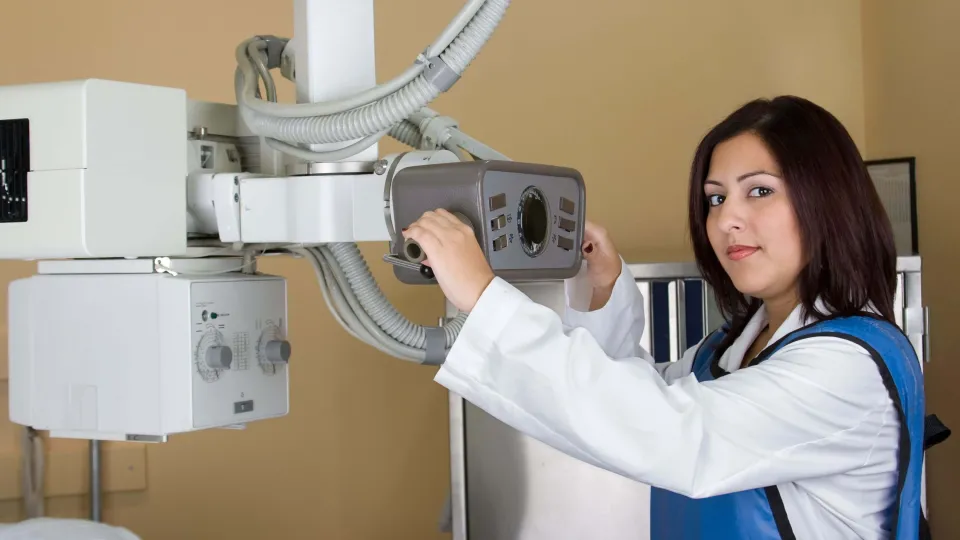
Safety is non-negotiable in radiology. You need to strictly follow protocols to protect yourself, your patients, and your colleagues from unnecessary radiation exposure. This includes using shielding devices, monitoring exposure times, and adhering to regulatory guidelines.
Do you know the exact steps to take if a safety breach occurs? Being proactive and vigilant about safety protocols builds trust and professionalism. It also reduces risks, making your workplace safer for everyone involved.
Credit: www.concorde.edu
Clinical Experience
Clinical experience is a crucial part of becoming a skilled radiology technician. It bridges the gap between classroom learning and real-world application, giving you hands-on exposure to the equipment and patient care scenarios you’ll face daily. Without this practical experience, understanding the nuances of radiologic procedures and patient interaction can be challenging.
Internships
Internships offer you a chance to work under the supervision of experienced radiologists and technologists. This period helps you observe different imaging techniques and understand safety protocols. Have you considered how shadowing professionals might reveal skills textbooks don’t teach?
During internships, you learn to operate imaging machines, prepare patients for scans, and handle emergency situations. These experiences make your resume stand out and boost your confidence in clinical settings.
Practical Training
Practical training sessions let you practice using X-ray, MRI, CT, and ultrasound machines in a controlled environment. This training focuses on developing your technical abilities and understanding machine calibration and maintenance.
Engaging in simulated patient scenarios sharpens your decision-making skills. How comfortable would you feel adjusting settings on complex machines without prior hands-on practice?
Building Competence
Gaining competence requires consistent practice and feedback. Every patient you assist teaches you something new about positioning, communication, and image quality.
Keep a journal of your clinical experiences to track your progress and reflect on challenges. What areas do you find most difficult, and how can you improve them with more focused practice?
Soft Skills
Soft skills are essential for any radiology tech. They help in managing patients, working with a team, and handling complex tasks. These skills improve the quality of care and make daily work smoother.
Communication
Clear communication helps explain procedures to patients calmly. It reduces their fear and makes them cooperate better. Good communication also ensures accurate information exchange with doctors and staff.
Attention To Detail
Radiology techs must notice small details in scans and equipment. Mistakes can lead to wrong diagnoses or safety issues. Careful attention ensures images are clear and equipment works well.
Teamwork
Radiology techs work closely with nurses, doctors, and other staff. Teamwork helps solve problems quickly and improves patient care. Respect and support among team members create a positive work environment.
Career Planning
Planning a career as a radiology technologist requires understanding the field’s demands and opportunities. It involves more than just completing the necessary education. Thinking ahead about job trends, specialization, and ongoing learning helps build a strong career path. Early career planning can lead to better job satisfaction and growth.
Job Market Insights
The demand for radiology techs is steady and growing in many areas. Hospitals, clinics, and imaging centers need skilled professionals. Job availability varies by location, with urban areas offering more positions. Salary ranges differ based on experience and place of work. Understanding these factors helps in choosing the right place to work.
Specialization Options
Radiology techs can specialize in several fields to enhance skills and career prospects. Common specializations include:
- Computed Tomography (CT)
- Magnetic Resonance Imaging (MRI)
- Mammography
- Sonography
Specialization often requires additional training or certification. It can lead to higher pay and more job opportunities. Choosing a specialization depends on personal interest and market demand.
Continuing Education
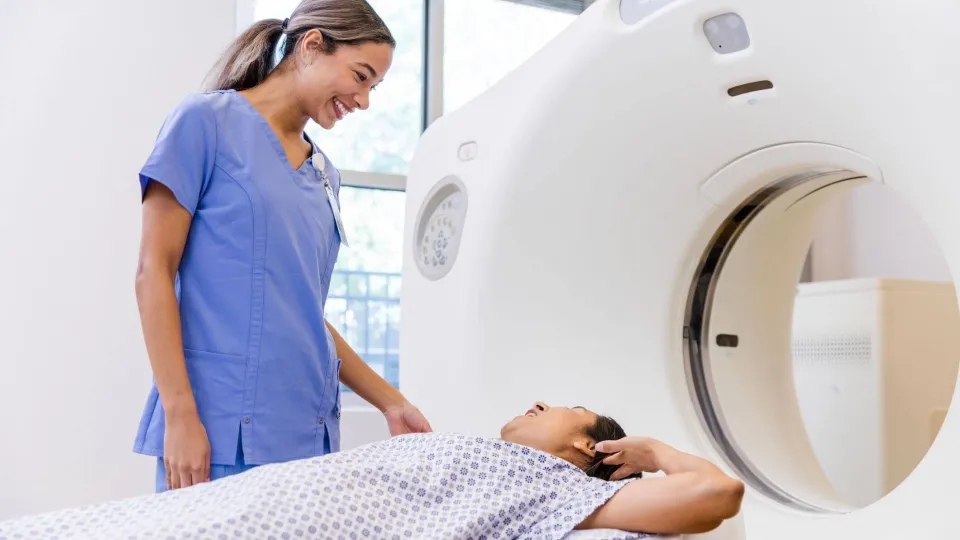
Learning does not stop after getting certified. Radiology technologists must keep up with new technology and methods. Many employers require continuing education credits to maintain certification. Courses, workshops, and seminars help maintain skills. Staying updated ensures better patient care and career advancement.
Credit: www.concorde.edu
Frequently Asked Questions
What Education Is Needed For Radiology Tech?
To become a radiology tech, you typically need an associate’s degree in radiologic technology. Some employers may require a bachelor’s degree. The program includes courses in anatomy, radiation physics, and patient care. Accredited programs are essential for certification eligibility, which is mandatory for most positions.
Is Certification Required For Radiology Tech?
Yes, certification is generally required for radiology techs. The American Registry of Radiologic Technologists (ARRT) offers the certification. It ensures you meet professional standards. Many states also require licensure. Certification involves passing an exam after completing an accredited educational program.
How Long Does Radiology Tech Training Take?
Radiology tech training usually takes two years to complete. This includes both classroom instruction and clinical practice. Some programs might offer accelerated options. Advanced degrees or specializations may require additional time. Always check the specific program’s duration and requirements.
What Skills Are Essential For Radiology Techs?
Radiology techs need strong technical skills and attention to detail. They must understand imaging equipment and procedures. Excellent communication skills are important for patient interactions. Physical stamina is necessary for long shifts. Problem-solving skills help in identifying and resolving equipment issues.
Conclusion
Becoming a radiology tech requires meeting key prerequisites. You need a high school diploma or GED. Basic knowledge in science and math helps a lot. Completing an accredited radiologic technology program is essential. Passing certification exams proves your skills to employers.
Good communication and attention to detail matter too. These steps build a strong foundation for your career. Keep focused and prepare well to succeed in this field. Radiology tech work is rewarding and offers many opportunities. Start with the basics, and you will do well.

Similar Posts