What Do Cath Lab Techs Do: Essential Roles and Life-Saving Skills
Have you ever wondered what happens behind the scenes in a heart catheterization lab? If you’re curious about how life-saving heart procedures take place, understanding the role of a Cath Lab Tech is a great place to start.
These skilled professionals play a crucial part in diagnosing and treating heart conditions, working closely with doctors to keep patients safe. Keep reading to discover exactly what Cath Lab Techs do, and why their work matters to your health.
Cath Lab Tech Responsibilities
Cath lab techs play a vital role in cardiac catheterization labs. Their responsibilities cover various tasks that ensure smooth and safe procedures. These professionals support doctors and nurses during heart-related tests and treatments. Their work requires precision, attention to detail, and quick responses to changes.
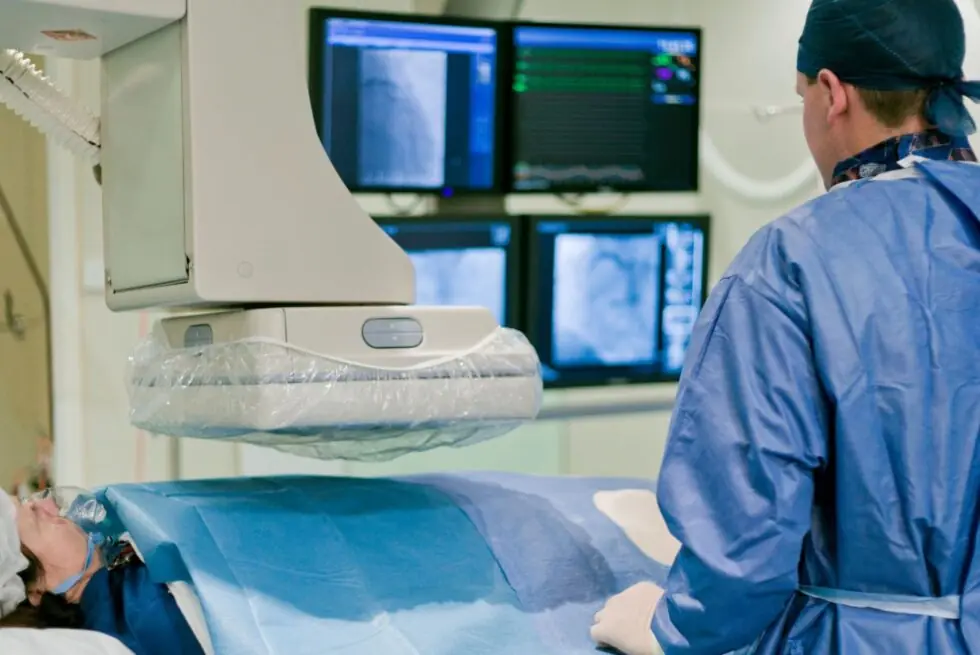
Their duties include helping during procedures, watching patient vital signs, using imaging machines, and keeping the workspace sterile. Each task contributes to patient safety and the success of the procedure.
Assisting In Procedures
Cath lab techs prepare tools and equipment for heart procedures. They help doctors by handing instruments at the right time. Their support speeds up the process and reduces risks. They also set up catheters and guidewires used during treatments. Clear communication with the team is essential during these tasks.
Monitoring Patient Vital Signs
These techs continuously watch patients’ heart rate, blood pressure, and oxygen levels. Early detection of any changes helps prevent complications. They report unusual readings to the medical team immediately. This monitoring keeps patients safe during the entire procedure.
Operating Imaging Equipment
Cath lab techs use X-ray and ultrasound machines to create live images. These images guide doctors as they perform delicate tasks inside blood vessels. Proper operation of this equipment requires skill and focus. They adjust settings to get clear pictures and help in accurate diagnosis.
Ensuring Sterile Environment
Maintaining cleanliness is crucial in the cath lab. Techs sterilize instruments and prepare the area before procedures. They follow strict protocols to avoid infections. Wearing protective gear and handling materials carefully protects patients and staff. A clean environment supports faster patient recovery.
Credit: nomadhealth.com
Skills Required For Cath Lab Techs
Cath lab techs play a vital role in heart health care. Their skills ensure patient safety and accurate results. Each skill supports their daily tasks in the cath lab. These skills help them work well with technology, patients, and doctors.
Technical Proficiency
Cath lab techs must know how to use complex medical equipment. They operate imaging machines that guide heart procedures. Understanding software and hardware helps them capture clear images. They also maintain and troubleshoot devices to avoid delays. Precise technical skills lead to better patient outcomes.
Attention To Detail
Small errors can affect patient care in the cath lab. Techs carefully monitor vital signs and equipment settings. They check every step during procedures to prevent mistakes. Recording accurate data helps doctors make quick decisions. A sharp eye for detail improves safety and success.
Critical Thinking
Cath lab techs often face unexpected challenges during procedures. They analyze situations and respond quickly to changes. Problem-solving skills allow them to adjust equipment or alert the team. They must think clearly under pressure. Good judgment supports smooth and safe procedures.
Communication Skills
Clear communication is essential in the cath lab. Techs explain procedures and comfort patients before tests. They share vital information with doctors and nurses. Listening carefully helps them understand patient needs. Strong communication builds trust and teamwork.
Training And Certification
Training and certification are the backbone of a successful career as a Cath Lab Tech. They ensure you have the skills and knowledge to operate complex equipment and assist in critical cardiac procedures. Understanding the pathways and requirements can help you plan your journey effectively.
Educational Pathways
Most Cath Lab Techs start with a background in cardiovascular technology, radiologic technology, or a related healthcare field. You can pursue an associate’s degree or a specialized certificate program that focuses on cardiac catheterization and imaging techniques.
Many programs combine classroom instruction with hands-on clinical experience, giving you a realistic view of what the job entails. Have you considered how practical experience might shape your readiness for this role?
Certification Requirements
Certification validates your expertise and increases your job prospects. The Registered Cardiovascular Invasive Specialist (RCIS) credential is widely recognized and often required by employers.
To earn the RCIS, you must pass an exam covering anatomy, physiology, equipment operation, and safety protocols. Some employers may also require Basic Life Support (BLS) or Advanced Cardiovascular Life Support (ACLS) certifications.
Continuing Education
Your learning doesn’t stop once you’re certified. Medical technology advances rapidly, and staying current is crucial to patient safety and career growth.
Many certification bodies require you to complete continuing education units (CEUs) regularly. These can include workshops, online courses, or attending industry conferences—opportunities to deepen your skills and network with other professionals.
Credit: www.trustedtalent.com
Challenges Faced By Cath Lab Techs
Cath lab technicians play a crucial role in cardiac care, but their job comes with unique challenges. These challenges test their technical skills, emotional resilience, and ability to stay updated with fast-changing technology. Understanding these obstacles gives you a clearer picture of what it takes to thrive in this demanding field.
Handling High-stress Situations
Every procedure in the cath lab can be a race against time. You must make quick decisions while maintaining precision under pressure. One unexpected complication can change the entire course of treatment.
Staying calm is easier said than done. Many techs develop personal techniques like focused breathing or mental checklists to keep their nerves steady. How do you think you would handle such intense moments?
Managing Patient Anxiety
Patients often enter the cath lab scared and uncertain. You are not just a technician; you become a source of reassurance. Simple acts like explaining the steps clearly or offering a comforting word can make a huge difference.
Listening carefully to patient concerns helps you tailor your communication. Have you noticed how a calm, confident tone can ease someone’s fears? It’s a skill that improves with experience and empathy.
Adapting To Technological Advances
The technology in cath labs evolves rapidly. New imaging tools and software are introduced regularly, requiring you to learn constantly. Falling behind is not an option when patient outcomes depend on your expertise.
Continuous education and hands-on practice become part of your routine. How prepared are you to embrace new tools and techniques that could change the way you work tomorrow?
Impact On Patient Outcomes
The role of cath lab techs goes beyond operating complex equipment—they directly influence how well patients recover and thrive after cardiac procedures. Their expertise and attention to detail can make a real difference in outcomes, shaping the patient’s journey from diagnosis to healing.
Enhancing Procedure Success Rates
Cath lab techs ensure every tool and machine works perfectly before and during procedures. Their precision in handling imaging equipment helps cardiologists see clear, accurate pictures of the heart’s condition. This accuracy allows doctors to perform interventions with higher confidence and fewer errors, increasing the chances of a successful procedure.
Think about a time you trusted technology that didn’t work right—frustrating, isn’t it? For patients, a tech’s skill in managing equipment can be the difference between a smooth procedure and complications.
Reducing Recovery Times
When cath lab techs operate efficiently, procedures are often quicker and less invasive. This means patients experience less trauma and can start healing sooner. For example, skilled techs help minimize the use of contrast dyes and radiation, which reduces side effects and speeds up recovery.
You might wonder: how can a tech’s role shorten hospital stays? By streamlining the process and preventing delays, they help patients get back to their daily lives faster.
Improving Patient Safety
Safety is at the heart of every cath lab tech’s job. They carefully monitor vital signs and equipment readings to catch any warning signs early. This vigilance helps prevent complications such as infections or equipment malfunctions during procedures.
Imagine being in a high-pressure situation where a quick response saves a life—that’s what cath lab techs do regularly. Their commitment to safety means you can trust that every precaution is in place during your care.
Future Of Cath Lab Technology
The future of cath lab technology promises exciting changes. These advances will improve how techs work and boost patient outcomes. New tools and techniques will make procedures safer and faster. The role of cath lab techs will grow with technology. Patients will benefit from more precise and less invasive care.
Innovations In Equipment
New cath lab machines are smarter and more efficient. Imaging tools now provide clearer, real-time views of the heart. Robots assist in delicate procedures with high accuracy. Portable devices allow care outside traditional labs. Software helps monitor patient vitals and procedure progress closely. These advances reduce risks and improve success rates.
Evolving Role Of Techs
Cath lab techs will use more advanced tools daily. They need skills in operating complex machines and software. Techs will assist more in decision-making during procedures. Training will focus on new technology and patient safety. Their role will include data analysis and equipment management. The job will be more technical and interactive.
Implications For Patient Care
Patients will experience shorter procedure times and quicker recovery. Less invasive methods mean less pain and fewer complications. Real-time monitoring ensures faster response to any issues. Personalized treatment plans become possible with better data. Overall, care quality will improve, leading to better heart health.

Credit: skillgigs.com
Frequently Asked Questions
What Are The Primary Duties Of A Cath Lab Tech?
Cath Lab Techs assist in diagnosing heart conditions using imaging equipment. They prepare patients, operate devices, and monitor vitals during procedures. Their role ensures smooth, safe cardiac catheterization and angiography processes.
How Do Cath Lab Techs Support Cardiac Procedures?
They set up and maintain equipment, assist doctors, and monitor patient status. Their support is crucial for accurate imaging and successful intervention in heart-related treatments.
What Education Is Required To Become A Cath Lab Tech?
Typically, a degree in cardiovascular technology or related field is needed. Certification through accredited programs enhances job prospects and ensures proficiency in specialized cardiac procedures.
What Skills Are Essential For Cath Lab Techs?
Attention to detail, technical proficiency, and strong communication skills are vital. They must operate complex machinery and work well under pressure in clinical settings.
Conclusion
Cath lab techs play a key role in heart care. They work closely with doctors during tests and treatments. Their skills help find and fix heart problems quickly. This job needs focus, care, and teamwork. Understanding what cath lab techs do shows how important they are.
They help save lives every day. Many people rely on their work for better health. This career suits those who enjoy health science and technology. It offers a chance to make a real difference.