What Do I Need to Become a Surgical Tech: Essential Steps Revealed
Are you curious about what it takes to become a surgical tech? If you’re someone who wants to work closely with doctors and play a vital role in life-saving surgeries, this career could be a perfect fit for you.
But what exactly do you need to get started? From education to certification, and the skills that will set you apart, this guide breaks it all down. Keep reading to discover the clear steps you can take to turn your interest into a rewarding career in the operating room.
Educational Requirements
To become a surgical tech, meeting the right educational requirements is essential. These requirements ensure you have the foundational knowledge and skills to support surgeons effectively in the operating room. Understanding each step will help you plan your path clearly and avoid surprises along the way.
High School Diploma And Prerequisites
Your journey starts with a high school diploma or GED. Focus on classes like biology, chemistry, and anatomy if available. These subjects give you a head start by familiarizing you with the human body and medical terms.
Some programs may ask for additional prerequisites, such as CPR certification or basic math skills. Checking these details early saves time and effort.
Accredited Surgical Tech Programs
Next, enrolling in an accredited surgical tech program is crucial. Accreditation ensures the program meets strict quality standards and prepares you well for the job. Look for programs accredited by organizations like the Commission on Accreditation of Allied Health Education Programs (CAAHEP).
Programs usually last from 9 months to 2 years, offering diplomas, certificates, or associate degrees. Choose the format that fits your schedule and career goals.
Hands-on Clinical Training
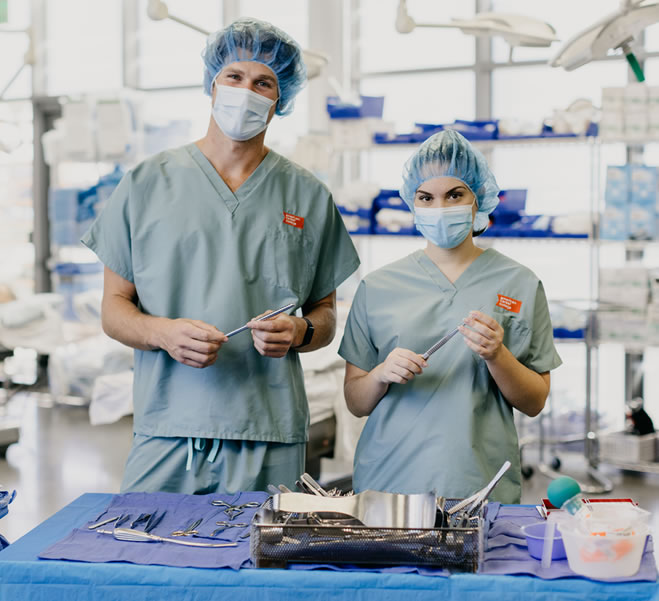
Classroom learning alone won’t make you a skilled surgical tech. Hands-on clinical training is a key part of your education. During this phase, you work in real surgical environments under the supervision of experienced professionals.
This experience helps you build confidence, learn sterile techniques, and understand operating room protocols. Ask yourself: how comfortable am I with working in high-pressure, fast-paced settings?
Certification And Licensing
Certification and licensing are crucial milestones on your path to becoming a surgical tech. They validate your skills and knowledge, ensuring you meet the healthcare industry’s standards. Without these credentials, working in many hospitals or surgical centers might not be possible.
Certified Surgical Technologist Exam
The Certified Surgical Technologist (CST) exam is a key step to prove your competence. This test covers a wide range of topics, including anatomy, surgical procedures, and sterile techniques. Passing this exam shows employers that you have the necessary skills to assist in surgeries safely.
Many find the exam challenging but manageable with proper study and practice. You can access study guides and practice tests online, which help you focus on weak areas. Think about how confident you feel handling surgical instruments — the exam will test exactly that practical knowledge.
State Licensing Requirements
Some states require surgical techs to hold a license in addition to certification. Licensing rules vary widely, so check your state’s specific regulations before you start working. In some places, certification alone is enough, while others demand additional paperwork or exams.
Failing to meet your state’s licensing requirements can delay your career. Imagine preparing for years only to find out you need an extra step to legally work. Don’t skip this part—contact your state’s health board or visit their website to get accurate, up-to-date information.
Maintaining Certification
Getting certified isn’t the end of the journey; you must keep that certification current. The National Board of Surgical Technology and Surgical Assisting (NBSTSA) requires CSTs to renew their certification every four years. You do this by earning continuing education credits or retaking the exam.
Regular renewal pushes you to stay updated on new techniques and safety protocols. Ask yourself: How often do you refresh your knowledge to stay sharp? This process ensures you remain a valuable member of the surgical team.
Skills And Qualities Needed
To become a successful surgical tech, you need more than just formal education. Certain skills and qualities are essential to handle the fast-paced and precise nature of the operating room. Developing these will help you perform effectively and support the surgical team with confidence.
Technical Skills
Your role demands strong technical abilities. You’ll need to know how to prepare and sterilize surgical instruments properly. Understanding the use of different tools during various procedures is crucial to avoid delays or mistakes.
Think about how quickly you must react when handing instruments to surgeons. Any hesitation or error can affect the outcome of the surgery. Are you comfortable working with complex equipment and following strict protocols?
Attention To Detail
Attention to detail is critical in this field. You must keep track of every instrument, sponge, and needle to ensure nothing is left inside the patient. Small oversights can lead to serious complications.
Being detail-oriented also means following surgical checklists and infection control procedures without fail. Can you maintain focus during long, intense surgeries and spot even the smallest irregularities?
Communication And Teamwork
Clear communication can save lives in the operating room. You’ll work closely with surgeons, nurses, and anesthesiologists, so you must express yourself clearly and listen carefully. Misunderstandings can cause dangerous mistakes.
Teamwork is just as important. Surgical techs support others by anticipating needs and staying coordinated. Ask yourself: how well do you collaborate under pressure and adapt to sudden changes during surgery?

Credit: www.instagram.com
Gaining Experience
Gaining hands-on experience is essential to becoming a skilled surgical tech. It bridges the gap between theory and practice, helping you build confidence in the operating room. Without real-world exposure, your knowledge stays incomplete and limits your career growth.
Internships And Externships
Internships and externships provide a valuable chance to observe and assist in surgical procedures under expert supervision. These opportunities often come through your training program or local hospitals. You get to learn the workflow, sterile techniques, and teamwork required in surgery.
During my externship, I realized how crucial communication is between the surgical tech and the rest of the team. It’s not just about knowing the tools but anticipating the surgeon’s needs. Have you thought about what kind of environment you want to train in?
Entry-level Positions
Starting as an entry-level surgical tech or even a surgical assistant can fast-track your learning curve. These roles let you apply your skills daily and understand the pace of an operating room. You might face challenges that textbooks don’t prepare you for, like managing stress or adapting to unexpected situations.
Working in a busy hospital taught me to stay calm and focused under pressure. Each shift felt like a new lesson. Are you ready to take on responsibilities that test both your skills and mindset?
Continuing Education
The medical field evolves constantly, so continuing education is key to staying relevant. Workshops, certifications, and advanced courses help you sharpen your skills and learn new technologies. This ongoing learning makes you a more valuable team member and opens doors to specialized roles.
Consider what areas excite you the most—orthopedic surgery, cardiovascular, or something else? Pursuing education in those fields can set you apart. How will you keep your knowledge fresh and your career moving forward?
Job Outlook And Career Growth
The job outlook for surgical technologists is promising. Demand grows as healthcare needs increase. Hospitals and clinics rely on skilled surgical techs for safe operations. Career growth offers many options for those who want to advance.
Employment Opportunities
Surgical techs find work in various places:
- Hospitals
- Outpatient surgery centers
- Physician offices
- Specialty clinics
- Emergency care facilities
Jobs are available nationwide, with more openings in urban and growing areas.
Advancement Paths
Experience can lead to higher roles. Surgical techs may choose to:
- Become lead surgical technologists
- Move into surgical first assistant roles
- Pursue education to become nurses or other healthcare professionals
- Work in management or training positions
Certifications and further education help improve career options.
Salary Expectations
The average salary for surgical techs varies by location and experience. Entry-level positions start lower but rise with skill. Median salaries often range from $45,000 to $55,000 annually. Some areas and specialties pay more. Benefits and overtime can increase total earnings.

Credit: www.instagram.com
Credit: americancareercollege.edu
Frequently Asked Questions
What Education Is Needed To Be A Surgical Tech?
To become a surgical tech, you typically need a postsecondary certificate or associate’s degree. Programs include coursework in anatomy, medical terminology, and surgical procedures. Accredited programs often require clinical experience. Certification, though optional, can enhance job prospects and credibility in the field.
How Long Does Surgical Tech Training Take?
Surgical tech training typically takes 9 months to 2 years. Certificate programs are shorter, while associate’s degrees take longer. Duration depends on the program type and part-time or full-time attendance. Clinical experience is included, providing hands-on training for real-world skills.
Are Surgical Techs In High Demand?
Yes, surgical techs are in high demand due to growing healthcare needs. Employment is expected to grow faster than average. Advancements in technology and surgical procedures contribute to demand. Aging populations increase surgical procedure frequency, further boosting the need for skilled technicians.
Do Surgical Techs Need Certification?
Certification for surgical techs is optional but recommended. It enhances job prospects and professional credibility. Certification is obtained through passing an exam, typically after completing an accredited program. Employers often prefer certified techs, and some states require it for practice.
Conclusion
Becoming a surgical tech takes clear steps and dedication. You need proper education, hands-on training, and certification. Good communication and teamwork skills help a lot. Staying focused and learning continuously improves your chances. The job is challenging but rewarding for those who care.
Start with a plan and work steadily toward your goal. This career offers a chance to help others every day.