Have you ever wondered what radiology techs do every day? If you’re curious about a career in healthcare or just want to understand how medical images help doctors, this article is for you.
Radiology techs play a key role behind the scenes, using special machines to create images that can save lives. By the time you finish reading, you’ll know exactly what their job involves and why it matters to your health. Keep reading to discover the world of radiology techs and how they make a real difference.
Credit: www.jobtrees.com
Radiology Tech Daily Tasks
Radiology techs play a crucial role in medical imaging, making sure patients receive accurate scans and doctors get clear images to diagnose health issues. Their daily tasks involve a mix of technical skills and patient interaction. Let’s dive into the specific duties that shape their workday.
Patient Preparation
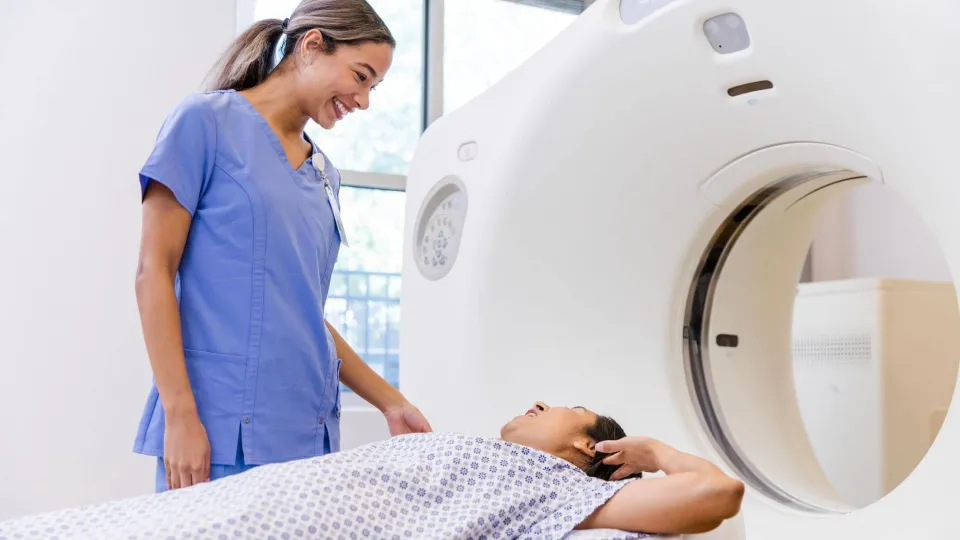
Getting a patient ready is more than just positioning them. Radiology techs explain procedures clearly to reduce anxiety and gain cooperation. They also check patient history and allergies to avoid complications during imaging.
Sometimes, you might need to help patients change into gowns or remove metal objects that could interfere with scans. This step ensures the images come out clear without any unexpected artifacts.
Operating Imaging Equipment
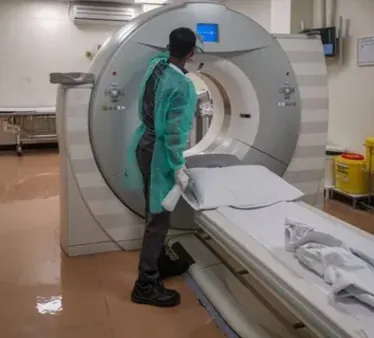
Radiology techs handle advanced machines like X-rays, CT scanners, and MRIs. They must know how to adjust settings to capture the best images for different body parts. Precision here is key—too much or too little radiation can affect image quality and patient safety.
Imagine balancing the need for clarity with the lowest radiation dose possible. Techs use their training to hit that sweet spot every time.
Image Capture Techniques
Capturing the right image requires more than pressing a button. Radiology techs position patients carefully and select angles that highlight the area of concern. They also check images immediately to see if a retake is necessary.
Have you ever wondered how a slight movement can blur a scan? Techs often ask patients to hold their breath or stay still to avoid this problem.
Safety Protocols
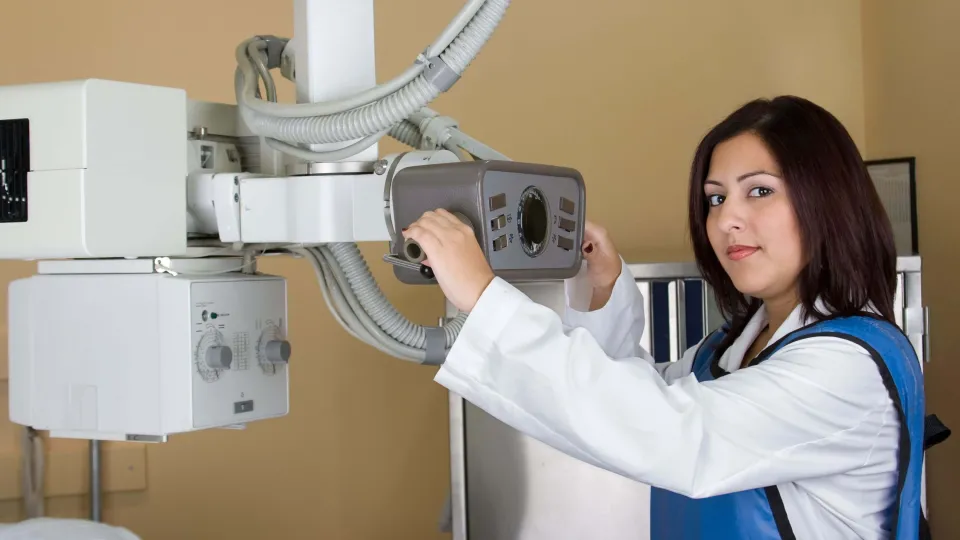
Protecting patients and themselves is a top priority for radiology techs. They follow strict guidelines on radiation exposure, using lead shields and maintaining distance when possible. Regular equipment checks and maintenance are part of their routine to prevent malfunctions.
Do you think safety measures slow down the process? Actually, they help avoid repeat scans and reduce overall risk, saving time and protecting everyone involved.
Credit: www.concorde.edu
Types Of Radiology Procedures
Radiology techs perform various procedures to help doctors see inside the body. These procedures use different technologies to create images of bones, organs, and tissues. Each type of imaging serves a unique purpose. Understanding these types helps explain what radiology techs do daily.
X-rays
X-rays use radiation to capture images of bones and chest areas. They help detect broken bones, lung infections, and dental problems. The process is quick and painless. Radiology techs position patients and adjust machines to get clear images.
Ct Scans
CT scans combine X-rays and computer technology to create detailed cross-section images. These images show bones, blood vessels, and soft tissues clearly. CT scans help diagnose cancers, injuries, and internal bleeding. Radiology techs operate the scanner and monitor patient safety during the scan.
Mri Scans
MRI scans use magnets and radio waves to produce detailed pictures of organs and tissues. They are useful for brain, spinal cord, and joint examinations. MRI does not use radiation. Radiology techs prepare patients and control the MRI machine during the procedure.
Ultrasound Imaging
Ultrasound uses sound waves to create images, often of soft tissues and blood flow. It is common in pregnancy to check the baby’s health. Ultrasound is safe and painless. Radiology techs move a handheld device on the skin to capture images in real-time.
Skills Required For Radiology Techs
Radiology technicians need a mix of skills to perform their job well. These skills help them handle complex equipment and work closely with patients. They must be precise and calm under pressure. Understanding these skills gives a clearer picture of their daily work.
Technical Proficiency
Radiology techs operate advanced imaging machines like X-rays and MRIs. They must know how to set up and adjust these devices for clear images. Learning new technology quickly is crucial. They also follow safety rules to protect patients and themselves from radiation.
Attention To Detail
Small errors can affect diagnosis. Radiology techs carefully position patients and check machine settings. They review images to ensure quality before sending them to doctors. Accuracy in their work helps doctors find the right treatment faster.
Patient Communication
Explaining procedures simply helps patients feel safe and relaxed. Radiology techs answer questions and provide comfort during scans. Good listening skills are important to understand patient concerns. Clear communication improves the overall patient experience.
Problem Solving
Equipment issues and unexpected patient reactions happen often. Radiology techs must think quickly to fix problems and keep the process smooth. They adapt to different situations and find solutions fast. This skill keeps the workflow efficient and safe.
Education And Certification
Education and certification form the foundation for a career as a radiology tech. These elements ensure professionals have the skills to operate imaging equipment safely and accurately. They also guarantee a standard level of knowledge to provide quality patient care.
Degree Programs
Most radiology techs complete an associate degree in radiologic technology. This program typically lasts two years and includes classroom and clinical training. Some may pursue a bachelor’s degree for advanced opportunities. Coursework covers anatomy, patient care, radiation physics, and imaging techniques.
Licensing Requirements
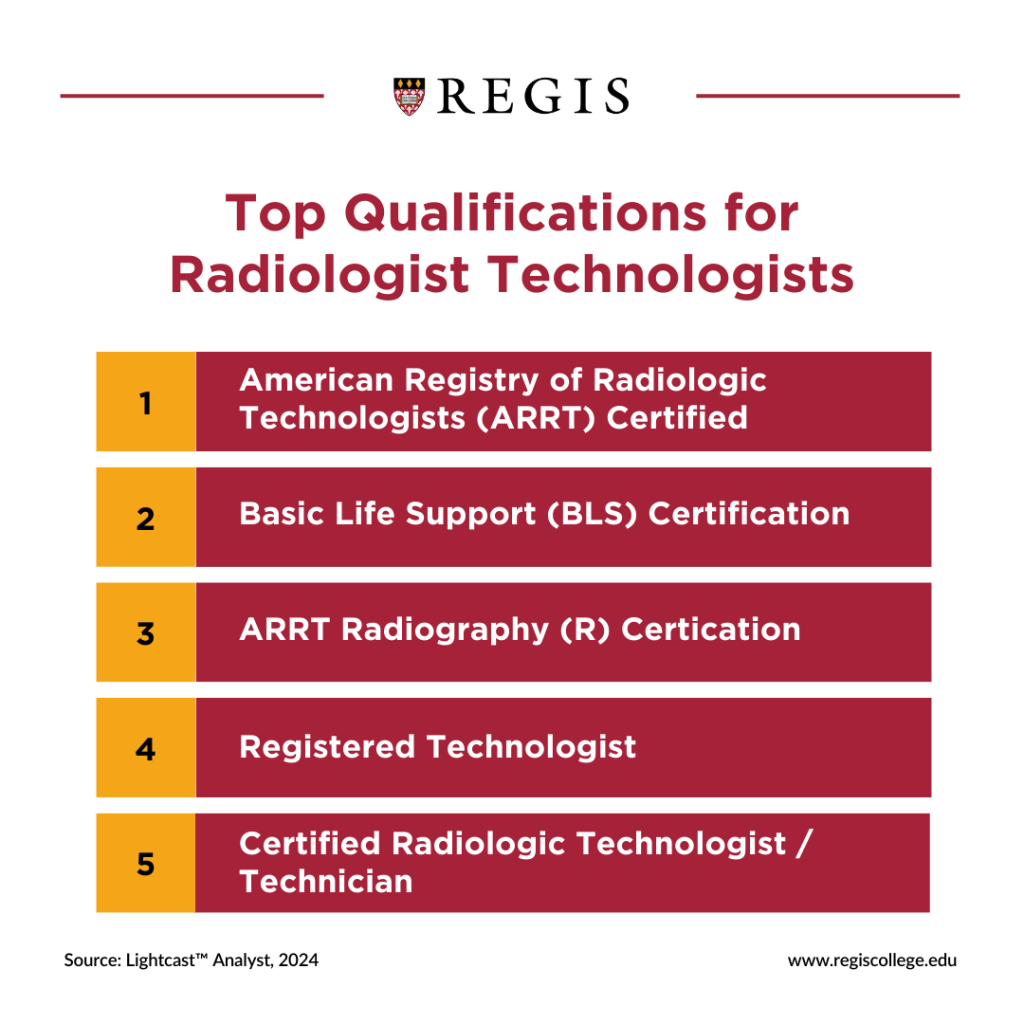
Licensing rules vary by state but usually require passing a certification exam. The American Registry of Radiologic Technologists (ARRT) exam is the most common. Licensing ensures techs meet safety and professional standards. Employers often require this certification before hiring.
Continuing Education
Radiology techs must keep their skills current through continuing education. This involves taking courses or attending workshops regularly. It helps techs stay updated on new technology and safety protocols. Continuing education is often required to renew certification and license.
Work Environment And Schedule
Understanding the work environment and schedule of radiology technicians helps you grasp what daily life in this profession looks like. The setting and hours can greatly affect your job satisfaction and work-life balance. Let’s break down where radiology techs work and what their time commitments often involve.
Hospital Settings
Many radiology techs spend their days in hospitals. These environments are fast-paced and demand quick thinking. You might perform a wide range of imaging procedures, from X-rays to MRIs, often on patients in critical condition.
Hospitals require techs to be ready for emergencies at any time. You could find yourself rushing to assist in trauma cases or adjusting schedules due to sudden patient needs. This unpredictability can be challenging but also rewarding if you thrive under pressure.
Outpatient Clinics
Outpatient clinics offer a different pace. Here, radiology techs usually work with scheduled appointments and more routine imaging tasks. The environment tends to be calmer, with fewer urgent cases.
Working in a clinic might give you more regular hours and closer interaction with patients. If you prefer building rapport with people over time, this setting could suit you well. However, the range of procedures might be narrower compared to hospital work.
Shift Patterns
Your schedule as a radiology tech can vary widely. Hospitals often require shifts that cover 24/7 operations, including nights, weekends, and holidays. This means you need flexibility and stamina.
Outpatient clinics usually operate during standard business hours, which might allow for a more predictable routine. Think about how your personal life fits with these options. Would you handle overnight shifts or prefer a regular 9-to-5?
Workplace Challenges
Radiology techs face several challenges related to their environment and schedule. Standing for long hours while operating complex machines can be physically demanding. You also need to stay alert and precise to avoid errors.
Managing stress from emergency cases or handling anxious patients adds another layer of difficulty. Have you considered how you manage stress in high-pressure situations? Your ability to adapt can make all the difference in this role.
Credit: www.concorde.edu
Career Growth Opportunities
Career growth opportunities for radiology techs are diverse and promising. This field allows professionals to expand their skills and explore new roles. Growth happens through gaining experience, education, and certifications. Many radiology techs choose to specialize or move into leadership roles.
Specialization Options
Radiology techs can focus on specific imaging techniques. Common specializations include:
- MRI (Magnetic Resonance Imaging)
- CT (Computed Tomography)
- Sonography (Ultrasound)
- Interventional Radiology
- Mammography
Specializing enhances job prospects and often leads to higher pay. It also builds expertise in a focused area of healthcare.
Advancement Paths
Advancing in radiology involves several paths. Some techs become lead technologists or supervisors. Others move into management or education roles. Pursuing further education can open doors to becoming a radiologist assistant or healthcare administrator. Growth depends on skills, experience, and credentials.
Professional Organizations
Joining professional groups boosts career growth. These organizations provide networking, training, and certification resources. Examples include:
- American Registry of Radiologic Technologists (ARRT)
- Society of Radiologic Technologists (ASRT)
- American Society of Radiologic Technologists
Membership keeps radiology techs updated with industry trends and best practices.
Impact On Patient Care
The impact of radiology techs on patient care is profound and multifaceted. These professionals do more than just operate imaging machines—they play a crucial role in the healthcare journey by providing clear, accurate images that guide treatment decisions. Their work directly affects how quickly and accurately patients receive the care they need.
Early Disease Detection
Radiology techs help catch health issues before symptoms become severe. By producing high-quality images, they allow doctors to spot abnormalities early. This can lead to earlier treatments that improve patient outcomes and sometimes save lives.
Think about a routine X-ray revealing a small lung nodule that might otherwise go unnoticed. That early detection can change the entire course of treatment.
Supporting Diagnosis
Your doctor relies on the images radiology techs produce to understand what’s happening inside your body. Clear images help differentiate between conditions that may look similar but need different treatments.
Radiology techs ensure the images are precise and correctly positioned, reducing the need for repeat scans. This not only speeds up diagnosis but also minimizes patients’ exposure to radiation.
Collaborating With Healthcare Teams
Radiology techs are key team players in healthcare. They communicate findings and technical details to radiologists, nurses, and doctors to ensure everyone is on the same page.
Have you ever wondered how all the pieces of your medical care fit together? Radiology techs help by providing the visual information that supports decisions made by the entire healthcare team.
Frequently Asked Questions
What Are The Main Duties Of A Radiology Tech?
Radiology techs operate imaging equipment like X-rays and MRIs. They prepare patients, capture images, and ensure safety protocols. Their role supports doctors in diagnosing medical conditions accurately and efficiently.
How Do Radiology Techs Prepare Patients For Scans?
They explain procedures clearly, position patients correctly, and ensure comfort. Radiology techs check for contraindications and use protective measures to minimize radiation exposure during scans.
What Skills Are Essential For Radiology Techs?
Attention to detail, technical proficiency, and patient care skills are vital. Radiology techs must understand anatomy, operate complex machines, and communicate well with healthcare teams and patients.
What Types Of Imaging Do Radiology Techs Handle?
They work with X-rays, CT scans, MRIs, and ultrasounds. Each modality requires specific training to capture clear images for accurate diagnosis.
Conclusion
Radiology techs play a crucial role in healthcare. They handle imaging equipment. Provide clear images. Help doctors diagnose conditions. Their work involves precision and care. Vital for patient safety. They work closely with medical teams. Ensure accurate results. Radiology techs need strong communication skills.
Must understand complex medical terms. They support patient comfort during procedures. A rewarding career path. Offers growth and learning opportunities. Essential in modern medicine. Radiology techs contribute significantly to patient care. A key component in healthcare.