What Do Scrub Techs Do: Essential Roles in the Operating Room
Have you ever wondered who makes sure everything runs smoothly during surgery? That’s where scrub techs come in.
These professionals play a crucial role in the operating room, but their work often goes unnoticed. If you want to know what scrub techs really do and why their job matters to your health, keep reading. By the end, you’ll see just how important they are in saving lives and keeping surgeries safe.
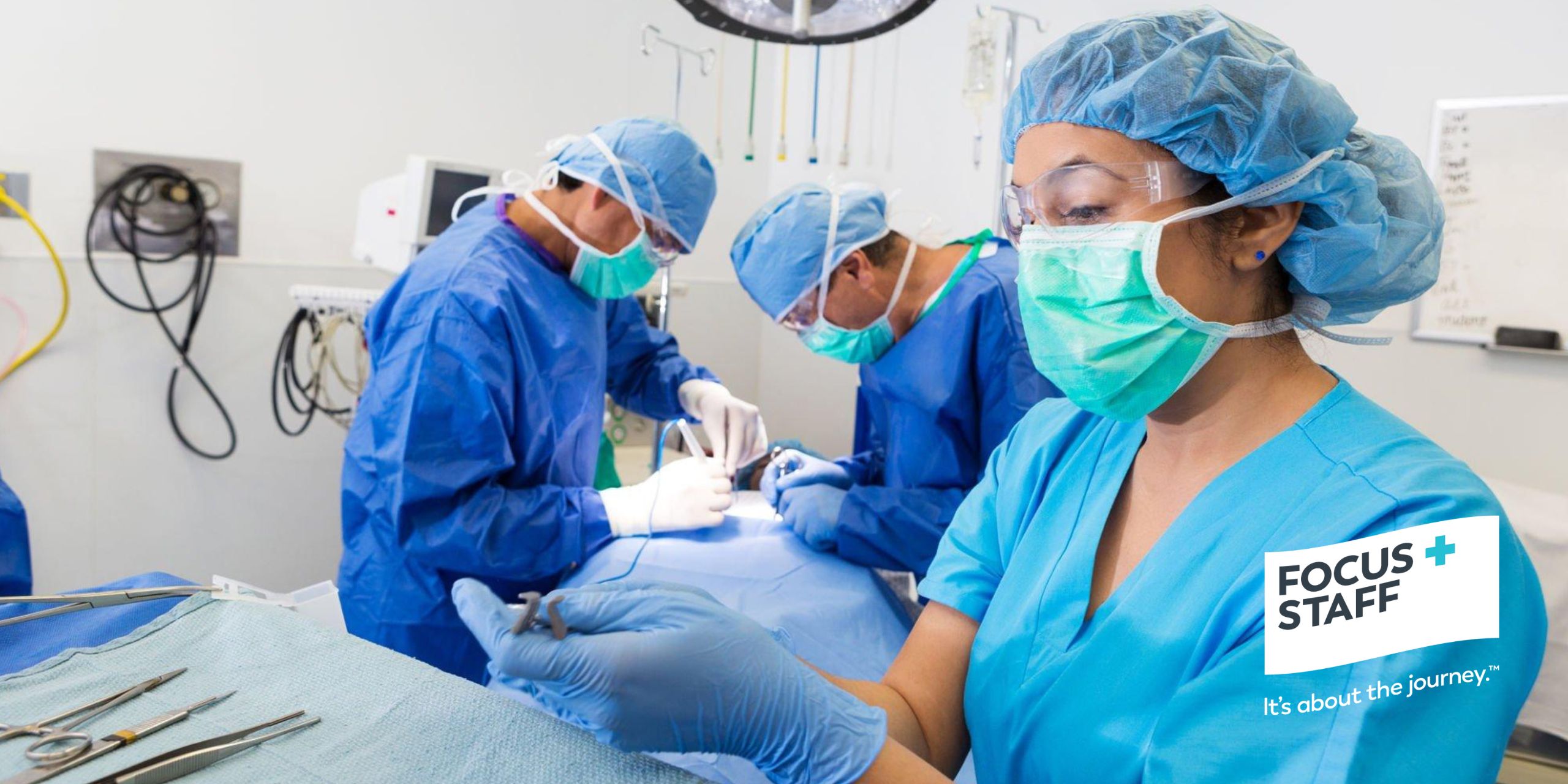
Credit: focus-staff.com
Role Of Scrub Techs
Scrub techs play a vital role in the operating room. They ensure surgeries run smoothly and safely. Their work demands precision, focus, and teamwork. Without scrub techs, surgeons would lack critical support during operations.
Key Responsibilities
- Prepare surgical instruments and equipment before surgery
- Maintain sterile fields to prevent infection
- Pass instruments and supplies to surgeons during procedures
- Count sponges and tools to ensure nothing is left inside patients
- Assist in setting up the operating room environment
Daily Tasks In Surgery
Scrub techs check all tools for cleanliness and functionality. They arrange instruments in a specific order for quick access. During surgery, they anticipate the needs of the surgeon. They hand over tools promptly and safely. After surgery, scrub techs help clean and sterilize equipment.
Collaboration With Surgical Team
Scrub techs work closely with surgeons, nurses, and anesthesiologists. Clear communication helps prevent mistakes and delays. They follow surgeon instructions carefully and adapt quickly. Teamwork creates a safer environment for patients. Every member relies on scrub techs to keep the process efficient.
Preparation Before Surgery
Preparation before surgery is a critical phase where scrub techs play a vital role. Their work ensures everything is ready for the surgical team to perform safely and effectively. This phase involves meticulous attention to detail, from sterilizing tools to confirming equipment readiness.
Sterilization Procedures
Scrub techs start by sterilizing all surgical instruments to eliminate any chance of infection. They follow strict protocols using autoclaves or chemical disinfectants to kill bacteria and viruses.
Have you ever thought about how a tiny missed spot on a tool could cause complications? Scrub techs carefully inspect each item after sterilization to guarantee it’s completely clean.
Setting Up Surgical Instruments
Once sterilized, instruments must be arranged logically for the surgeon’s ease. Scrub techs organize tools on trays based on the specific procedure and surgeon’s preferences.
This setup minimizes delays and errors during surgery. Imagine reaching for a scalpel and it’s not where you expected—scrub techs prevent this by following precise layouts every time.
Ensuring Equipment Functionality
Beyond instruments, scrub techs check that all surgical equipment is functioning properly before the procedure starts. This includes lights, suction devices, and monitors.
They test these devices to avoid malfunctions during critical moments. Have you ever wondered what happens if a key device fails mid-surgery? Scrub techs help prevent that risk by thorough pre-checks.
Support During Surgery
During surgery, scrub techs play a vital role in supporting the surgical team. They work closely with surgeons and nurses to ensure procedures run smoothly. Their tasks require focus, precision, and quick thinking. Every second counts in the operating room, and scrub techs help keep everything on track.
Passing Instruments
Scrub techs pass surgical instruments to the surgeon quickly and accurately. They know the name and use of each tool. This helps avoid delays and keeps the surgery flowing. Careful handing of instruments also reduces the risk of contamination.
Maintaining Sterile Field
Keeping the sterile field clean is a top priority. Scrub techs ensure all equipment and supplies stay sterile. They watch for any breaks in sterility and fix them immediately. This helps prevent infections and protects the patient’s health.
Anticipating Surgeon’s Needs
Experienced scrub techs predict what the surgeon needs next. They prepare instruments and supplies ahead of time. This anticipation saves precious moments during surgery. It also shows strong teamwork and deep understanding of surgical procedures.
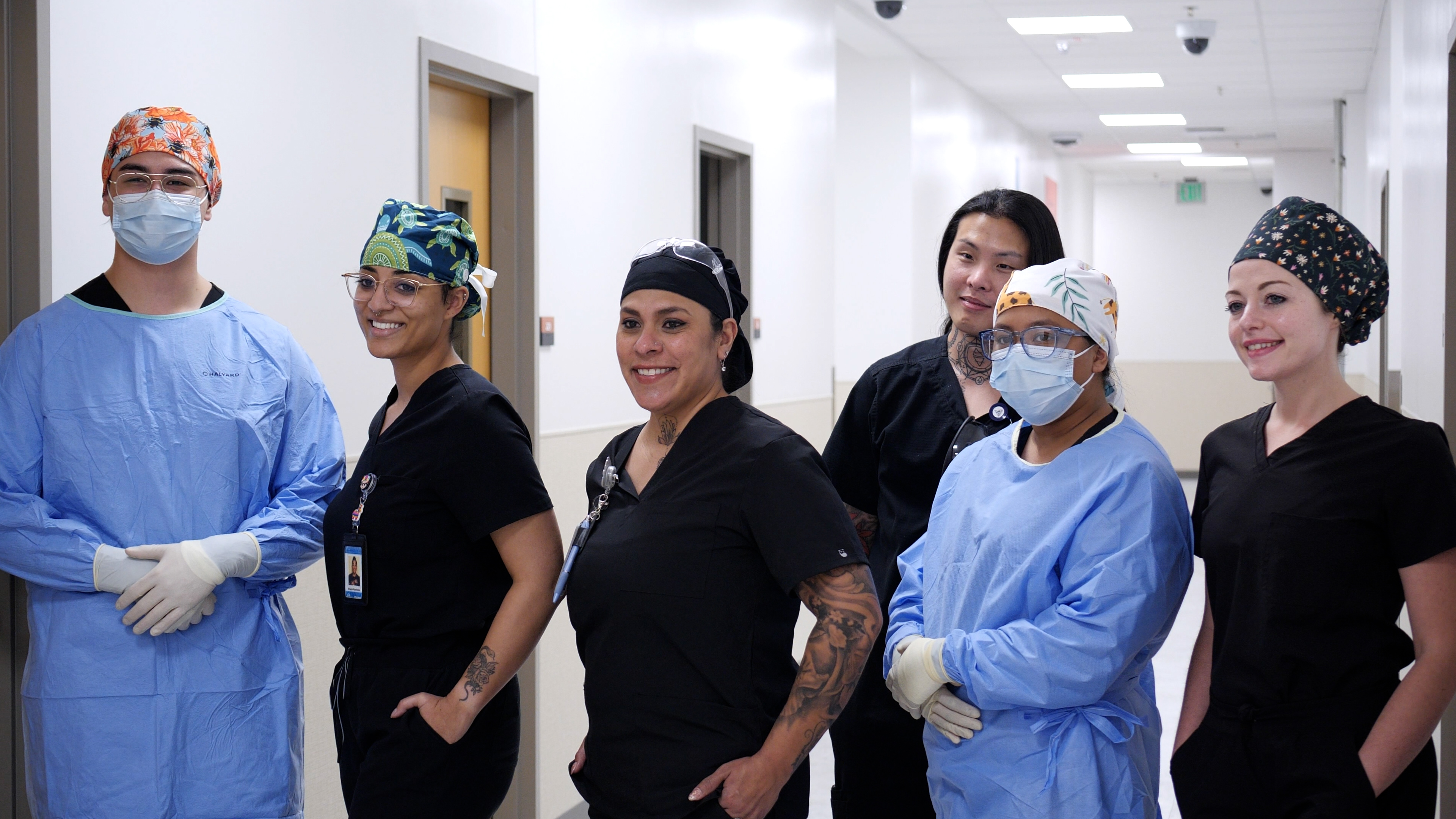
Credit: www.pikespeak.edu
Post-surgery Duties
After the surgery is complete, scrub techs shift their focus to essential tasks that maintain the operating room’s safety and readiness. These post-surgery duties ensure every tool and supply is clean, accounted for, and properly documented. Your role here is crucial to preventing infections and supporting the next procedure smoothly.
Cleaning And Sterilizing Tools
Once the surgery ends, scrub techs gather all instruments used during the procedure. Each tool must be carefully cleaned to remove blood and tissue. This prevents contamination and keeps the tools safe for future use.
After cleaning, the instruments go through sterilization processes such as autoclaving. This step kills any remaining bacteria or viruses. Have you ever thought about how one missed step here could risk patient safety?
Restocking Supplies
After handling instruments, scrub techs check the supply levels in the operating room. They replenish items like gloves, gowns, and sterile drapes to prepare for the next surgery. This quick restocking avoids delays and keeps the surgical team focused on patient care.
It’s not just about refilling; scrub techs also inspect supplies for damage or expiration. Catching these issues early can save lives. How often do you consider the behind-the-scenes effort that keeps surgeries running smoothly?
Documenting Procedures
Accurate documentation is a key post-surgery duty. Scrub techs record details about the instruments used, any issues during the procedure, and the condition of supplies. This information helps track inventory and ensures accountability.
Proper records also assist in case of complications or infections later on. They provide a clear timeline and evidence of what occurred in the operating room. Could thorough documentation be the difference in solving a medical mystery?
Skills And Qualifications
The skills and qualifications of scrub techs play a crucial role in ensuring surgical procedures run smoothly and safely. These professionals need a blend of formal education, technical know-how, and interpersonal abilities to excel. Understanding what you need to succeed can help you decide if this career path is right for you.
Required Training And Certification
Scrub techs typically complete specialized training programs that focus on surgical technology. These programs often last between 9 months to 2 years and include both classroom instruction and hands-on clinical experience.
Certification is usually required and shows employers you have met professional standards. The Certified Surgical Technologist (CST) credential, offered by organizations like the National Board of Surgical Technology and Surgical Assisting (NBSTSA), is widely recognized.
Have you considered how much time and effort you’re willing to invest in training before entering the operating room?
Essential Technical Skills
Precision and attention to detail are key technical skills for scrub techs. You must know how to prepare and maintain sterile instruments and equipment to prevent infection.
Familiarity with surgical procedures and the ability to anticipate surgeons’ needs are equally important. Quick thinking and manual dexterity help you handle tools efficiently during operations.
Think about how comfortable you are working under pressure, since every second counts in the OR.
Soft Skills For Effective Teamwork
Beyond technical abilities, scrub techs need strong communication skills to coordinate with surgeons, nurses, and anesthesiologists. Clear and calm communication can prevent costly mistakes.
Adaptability is essential because surgical environments can change rapidly. You’ll need to stay focused and flexible, even during long and stressful procedures.
Are you ready to work closely with a team where your role directly impacts patient outcomes?
Challenges Faced By Scrub Techs
Scrub techs play a critical role in the operating room, but their job comes with unique challenges that test both their skills and resilience. Understanding these challenges can give you a clearer picture of what it takes to excel in this demanding profession.
High-pressure Environment
Every second counts in the operating room. Scrub techs must stay focused and ready to provide instruments precisely when needed. One missed step can slow down the entire procedure and impact patient outcomes.
Imagine handing the wrong tool during a delicate surgery—how would you handle the immediate pressure to correct that without disrupting the team? Your ability to maintain calm and precision under stress is crucial.
Handling Emergencies
Emergencies can arise without warning, requiring scrub techs to think and act fast. Whether it’s a sudden complication or equipment failure, you must adapt quickly to support the surgical team.
Preparation plays a huge role here. Scrub techs who anticipate potential issues and keep backup tools ready help save valuable time. Have you ever considered how your readiness could make the difference in a crisis?
Physical And Mental Demands
Scrub techs spend long hours standing, often in awkward positions. This physical strain can lead to fatigue and discomfort. Maintaining physical endurance is as important as mental sharpness.
Mental focus is equally demanding. Concentrating on every detail while filtering out distractions requires strong mental stamina. How do you recharge and stay sharp during intense shifts?
Career Growth And Opportunities
Career growth and opportunities for scrub techs are both promising and varied. This role serves as a solid foundation for advancing within the healthcare field. Understanding the available paths can help you plan your next steps effectively and make informed decisions about your future.
Advancement Paths
As a scrub tech, you can move up by gaining experience and additional certifications. Many progress to become surgical technologist specialists or supervisors overseeing operating room teams. Some choose to pursue further education to become registered nurses or physician assistants, expanding their scope of practice and earning potential.
Have you considered which path aligns with your strengths and interests? Taking small steps like attending workshops or earning certifications can open doors to leadership roles.
Specialization Options
Scrub techs have the option to specialize in areas like orthopedic surgery, cardiovascular surgery, or neurosurgery. Specializing sharpens your skills in a particular field, making you a valuable member of specialized surgical teams.
Specializations often require additional training but can lead to higher pay and more responsibility. If you enjoy a specific type of surgery, focusing on that area can keep your work engaging and rewarding.
Job Outlook And Demand
The demand for scrub techs is growing steadily due to an aging population and advances in medical technology. Hospitals and surgical centers continue to hire skilled techs to maintain efficient and safe operating rooms.
Your job security is strong, and opportunities exist across various healthcare settings, including outpatient clinics and specialty hospitals. Are you ready to meet the growing need for skilled scrub techs and take advantage of the steady demand?

Credit: tjc.edu
Frequently Asked Questions
What Are The Main Duties Of Scrub Techs?
Scrub techs prepare and maintain the sterile field during surgeries. They pass instruments to surgeons and ensure all tools are ready. They help prevent infections and support the surgical team throughout procedures.
How Do Scrub Techs Ensure Surgical Safety?
Scrub techs sterilize instruments and equipment before surgery. They monitor the sterile field to avoid contamination. Their role is critical to maintaining hygiene and preventing infections during operations.
What Skills Are Essential For Scrub Techs?
Scrub techs need attention to detail, manual dexterity, and teamwork. They must understand surgical procedures and sterile techniques. Good communication and quick decision-making also improve operating room efficiency.
How Do Scrub Techs Assist Surgeons During Operations?
Scrub techs anticipate surgeon needs by passing instruments promptly. They keep track of surgical tools and supplies. Their support helps surgeries proceed smoothly and safely without delays.
Conclusion
Scrub techs play a vital role in operating rooms. They ensure that surgeries run smoothly. Their duties include sterilizing instruments and assisting surgeons. Scrub techs keep the environment clean and organized. They also help in quick decision-making during procedures. This profession requires strong attention to detail and teamwork.
It’s a challenging yet rewarding field. Understanding their role helps appreciate their contribution. Scrub techs are essential to patient care and surgical success. Their hard work supports the healthcare system. Considering a career as a scrub tech? It’s an opportunity to make a difference.