Have you ever wondered what happens behind the scenes in an operating room? Surgical techs play a crucial role that many people don’t fully understand.
If you’re curious about what surgical techs do and how they keep surgeries running smoothly, you’re in the right place. By the end of this article, you’ll see why these professionals are essential to patient care and what makes their job both challenging and rewarding.
Keep reading to uncover the vital tasks surgical techs handle every day.
Role In The Operating Room
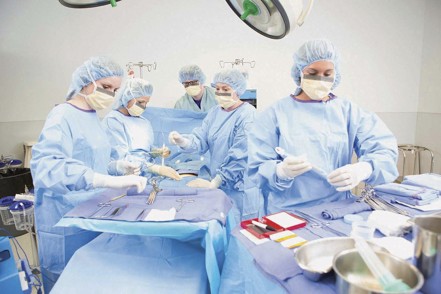
Surgical technologists play a vital role in the operating room. They work closely with surgeons, nurses, and other staff. Their focus is on ensuring every surgery runs smoothly and safely. These techs handle many tasks before, during, and after surgery. Their work requires precision, attention to detail, and quick thinking. Each duty contributes to patient safety and successful outcomes.
Preparing Surgical Instruments
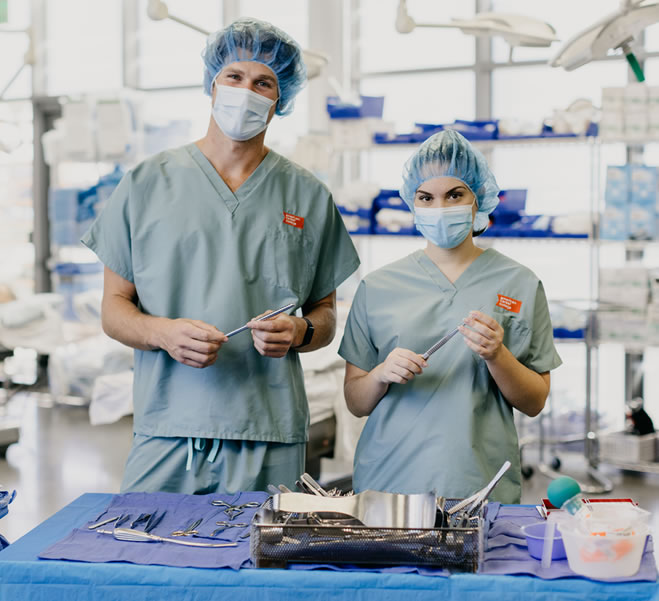
Surgical techs gather and prepare all needed instruments. They check tools for cleanliness and sharpness. Sterilization is critical to prevent infections. Techs arrange instruments on trays in the correct order. This setup allows the surgeon to work without delay. They also count instruments before surgery to avoid missing items.
Assisting Surgeons During Procedures
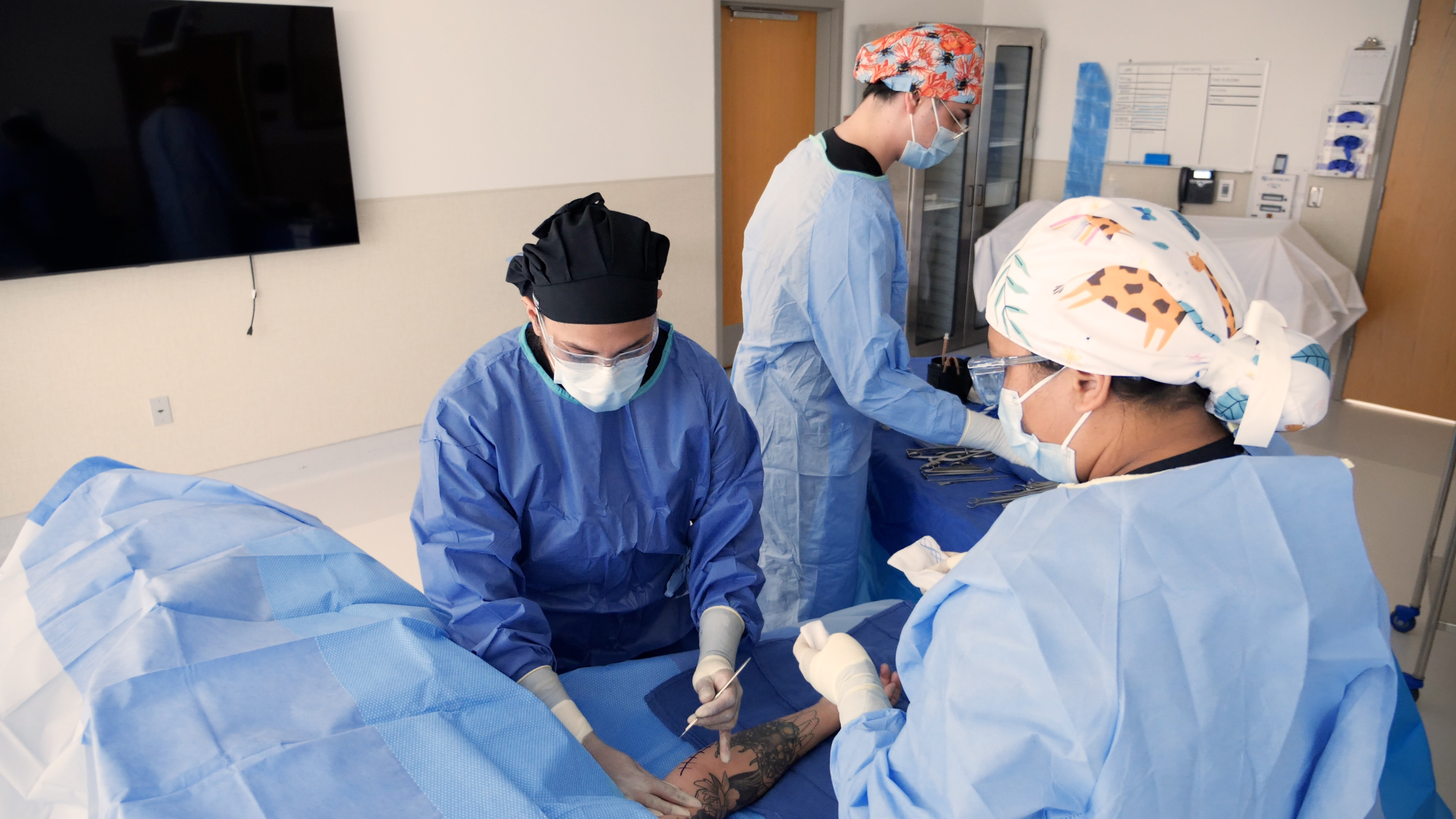
During surgery, surgical techs stand close to the surgeon. They pass instruments quickly and accurately. Techs anticipate the surgeon’s needs to speed up the process. They keep an eye on instruments and supplies. If a tool drops or becomes contaminated, they replace it fast. Their support helps the surgeon focus on the patient.
Maintaining Sterile Environment
Keeping the operating room sterile is a top priority. Surgical techs follow strict guidelines to prevent contamination. They wear sterile gowns, gloves, and masks. Techs clean and prepare the surgical area before surgery starts. They monitor the sterile field throughout the procedure. Any break in sterility is addressed immediately to protect the patient.

Credit: www.healthtechacademy.org
Preoperative Duties
Preoperative duties are the backbone of a smooth surgical procedure. Surgical techs play a crucial role in preparing everything before the surgeon even steps into the room. Their work ensures that the operation starts without delays and that patient safety is prioritized from the very beginning.
Setting Up Operating Room
Imagine walking into a room where every tool is exactly where it should be, sterile and ready to use. Surgical techs arrange surgical instruments, drapes, and supplies in precise order. They follow strict protocols to maintain a sterile environment, reducing the risk of infection.
Have you ever wondered how every scalpel and clamp ends up perfectly placed within seconds? This setup requires not only knowledge but also speed and attention to detail. A well-organized operating room can make all the difference during critical moments of surgery.
Verifying Patient Information
Before surgery starts, surgical techs double-check patient details to avoid any mix-ups. They confirm the patient’s identity, the surgical site, and the procedure to be performed. This step is vital for patient safety and helps prevent serious errors.
Think about the last time you had a medical appointment—how important was it that your information was correct? Surgical techs ensure this accuracy every time, acting as an extra layer of verification alongside the surgical team. It’s a responsibility that cannot be overlooked.
Ensuring Equipment Functionality
Nothing can slow down a surgery like malfunctioning equipment. Surgical techs test machines and instruments to make sure everything works perfectly. They inspect everything from suction devices to lights, ensuring every piece is operational.
If you were relying on equipment to perform a delicate task, wouldn’t you want it checked thoroughly first? Surgical techs take this question seriously. Their proactive checks prevent interruptions that could compromise the procedure or patient safety.
Intraoperative Responsibilities
Surgical technologists play a vital role during surgery. Their work focuses on supporting the surgical team and ensuring the procedure runs smoothly. They stay alert and ready to assist at every step of the operation.
Their responsibilities inside the operating room require precision and quick thinking. Each task helps keep the patient safe and the surgery efficient.
Passing Instruments And Supplies
Surgical techs prepare and organize instruments before surgery begins. During the procedure, they hand the correct tools to the surgeon instantly. This requires knowing each instrument by name and use.
They keep track of all supplies and instruments. This helps avoid delays or missing items during surgery. Their fast, accurate passing of tools supports the surgeon’s focus on the patient.
Monitoring Patient Status
Surgical technologists watch the patient’s condition closely during the operation. They observe vital signs and alert nurses or doctors to any changes. Their attention helps detect problems early.
They also maintain a sterile environment to prevent infection. Keeping the area clean protects the patient’s health and aids recovery.
Handling Specimens
During surgery, surgical techs collect tissue or fluid samples as needed. They label and package these specimens carefully for lab analysis. Accuracy in this step is critical for diagnosis.
Proper handling ensures samples do not get contaminated or lost. This task supports the medical team in making informed decisions after surgery.
Credit: www.pikespeak.edu
Postoperative Tasks
Postoperative tasks are crucial for maintaining safety and efficiency in the operating room after surgery. Surgical technologists play a vital role in these tasks. Their work helps prepare the room for the next procedure and supports the healthcare team.
Cleaning And Sterilizing Instruments
Surgical techs carefully clean used instruments to remove blood and tissue. They use special detergents and brushes to ensure all debris is gone. After cleaning, instruments go through sterilization to kill germs. This process prevents infections and keeps patients safe.
Restocking Supplies
After surgery, techs check the supply levels in the operating room. They restock items like gloves, gowns, and surgical tools. Keeping the room ready saves time for the next surgery. It also helps the surgical team work smoothly without delays.
Documenting Procedures
Surgical technologists document details about the operation and the instruments used. Accurate records help track equipment and patient care. This documentation supports hospital rules and improves patient safety. It also helps with billing and future reference.
Skills And Qualifications
Surgical technicians play a critical role in the operating room, and their skills and qualifications reflect this responsibility. To excel, you need more than just basic training; you must master specific abilities that ensure patient safety and support the surgical team effectively. Understanding these skills can help you prepare better if you’re considering this career or want to appreciate the expertise involved.
Technical Knowledge
Having a strong foundation in medical terminology and surgical procedures is essential. You need to know how to handle surgical instruments correctly and understand sterile techniques to prevent infections.
For example, a surgical tech must quickly recognize the difference between various scalpels and forceps during an operation. This expertise helps the surgeon work efficiently and reduces the risk of errors.
Attention To Detail
In surgery, every second counts, and so does every detail. You must be vigilant about maintaining a sterile environment and ensuring all tools are accounted for before and after surgery.
Missing even one small item can lead to severe complications, so your ability to focus and double-check everything is crucial. Have you ever noticed how a small oversight can cause bigger problems? This role demands your full attention at all times.
Communication Skills
Clear and precise communication can make or break a surgical procedure. You’ll need to relay information quickly and accurately between the surgical team members.
Imagine the pressure when a surgeon asks for a specific tool urgently, and you must respond instantly without hesitation. Your communication skills ensure smooth teamwork and help keep the operation on track.
Challenges And Rewards
Surgical techs face many challenges in their work. The job demands sharp focus and quick thinking. Stressful moments test their skills and patience. Yet, the rewards of helping save lives make it worthwhile. The role offers both personal satisfaction and career growth.
High-pressure Environment
Surgical techs work in fast-paced, tense settings. Every second counts during surgery. Mistakes can have serious consequences. They must stay calm and precise. Handling equipment and supplies under pressure is routine. This environment sharpens their problem-solving skills.
Team Collaboration
Working closely with surgeons, nurses, and anesthetists is key. Clear communication prevents errors and ensures smooth operations. Trust and respect build strong teamwork. Surgical techs play a vital role in this team. They support others and keep the flow steady.
Career Growth Opportunities
The field offers chances to learn new skills. Surgical techs can specialize in different types of surgery. Training and certifications lead to higher roles. Experience opens doors to leadership positions. The career path is rewarding for those who strive.
Credit: americancareercollege.edu
Frequently Asked Questions
What Are The Main Duties Of A Surgical Tech?
Surgical techs prepare operating rooms, sterilize instruments, and assist surgeons during procedures. They ensure all equipment is ready and help maintain a sterile environment.
How Do Surgical Techs Support Surgeons During Operations?
They pass instruments, handle supplies, and anticipate surgeon needs. Their role is crucial for smooth, efficient surgeries and patient safety.
What Skills Are Essential For Surgical Techs?
Attention to detail, manual dexterity, and teamwork are vital. Surgical techs must also know medical terminology and maintain strict hygiene standards.
What Education Is Required To Become A Surgical Tech?
Most surgical techs complete a postsecondary certificate or associate degree program. Certification is often preferred to improve job prospects.
Conclusion
Surgical techs play a vital role in the operating room. They ensure tools are ready and sterile. Their presence supports surgeons and nurses, enhancing teamwork. They focus on patient safety throughout procedures. Their tasks demand precision and quick thinking. Each day brings new challenges, requiring adaptability.
Aspiring surgical techs should value detail and stay calm under pressure. This career offers a chance to make a real difference. It’s rewarding to be part of life-saving efforts. With dedication, surgical techs contribute significantly to healthcare success. Their work truly matters in every surgery performed.