What Do You Need to Be a Radiology Tech: Essential Skills & Tips
Are you curious about what it takes to become a radiology tech? Maybe you’re thinking about a career where you can help people, work with advanced technology, and have strong job stability.
Understanding exactly what you need—skills, education, and certifications—can make your path much clearer. Keep reading to discover the essential steps and insider tips that will set you up for success in this rewarding field. Your future as a radiology tech starts here.
Educational Requirements
Becoming a radiology tech requires specific education and training. This ensures you can safely operate imaging machines and assist doctors. The educational path includes completing a recognized program and passing certification exams. These steps prepare you to handle the technical and patient care aspects of the job.
Accredited Programs
Start by enrolling in an accredited radiologic technology program. These programs meet national standards for quality education. You can find them at community colleges, technical schools, and universities. Programs usually take 1 to 2 years for an associate degree.
Courses cover anatomy, patient care, radiation physics, and imaging techniques. Hands-on clinical experience is a key part of training. This practice helps students learn to use X-ray and other imaging equipment safely. Graduates earn a diploma or degree needed to advance.
Certification Exams
After finishing your education, certification is the next step. Most employers require certification to work as a radiology tech. The American Registry of Radiologic Technologists (ARRT) offers the main certification exam.
This exam tests knowledge of radiology procedures and patient safety. Passing it proves your skills and knowledge. Certified techs must follow ethical standards and continue learning to keep their certification. This keeps their skills current and improves patient care.
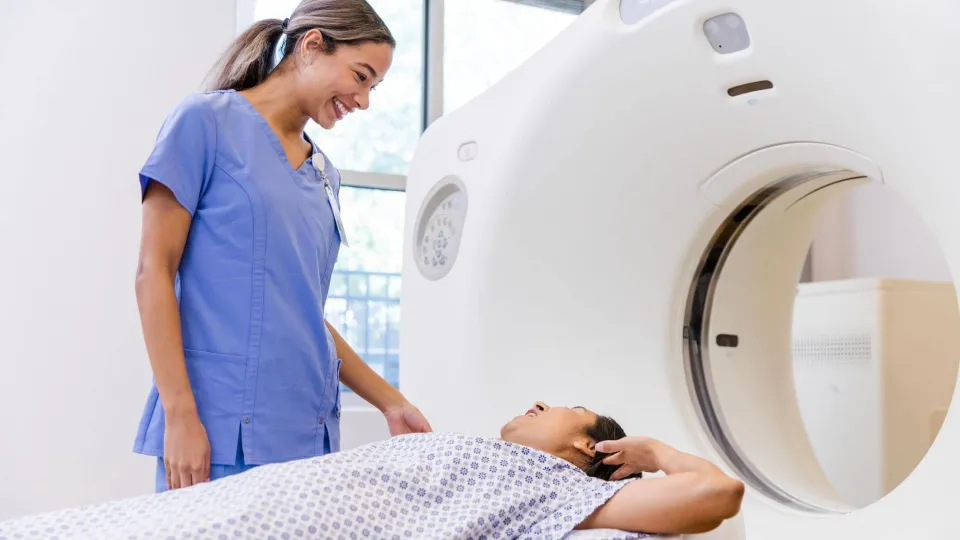
Credit: www.concorde.edu
Technical Skills
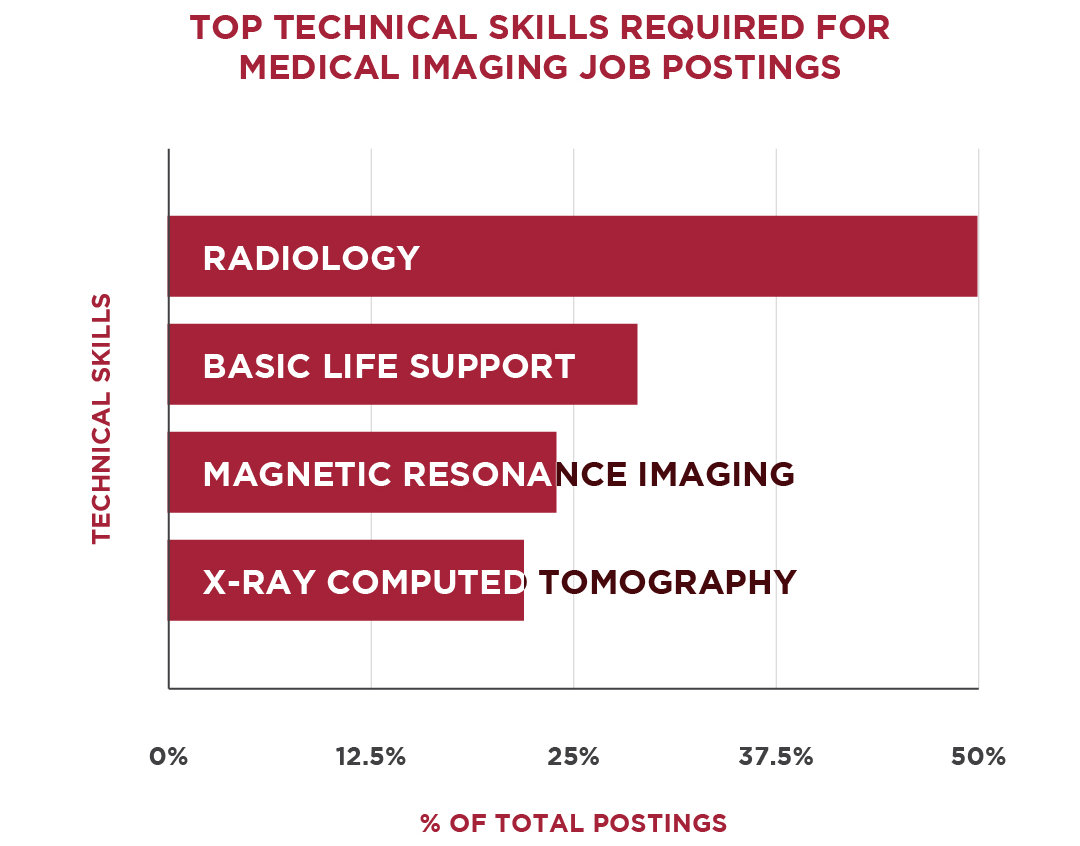
Technical skills form the backbone of a radiology tech’s daily tasks. These skills ensure precise and safe imaging for accurate diagnosis. A radiology tech must handle complex machines and understand detailed medical information. These abilities reduce errors and improve patient care.
Operating Imaging Equipment
Radiology techs must know how to operate various imaging machines. These include X-ray, MRI, CT, and ultrasound devices. Each machine has unique controls and safety features. Techs must adjust settings to capture clear images. They follow strict safety rules to protect patients and themselves from radiation. Regular maintenance checks are also part of the job to keep equipment working well.
Understanding Anatomy
A strong knowledge of human anatomy is essential. Techs need to identify bones, organs, and tissues on images. This helps them position patients correctly and target the right area. Understanding anatomy also helps in spotting abnormalities in images. It improves communication with doctors and other healthcare staff. Accurate anatomy knowledge leads to better imaging results and patient outcomes.
Soft Skills
Being a radiology tech requires more than just technical knowledge. Your soft skills play a huge role in how effectively you perform your job and connect with patients and colleagues. These skills help you navigate daily challenges and create a positive work environment.
Communication
Clear communication is essential in radiology. You need to explain procedures to patients in a way that eases their worries and helps them understand what to expect. At the same time, communicating accurately with doctors and other medical staff ensures that images are interpreted correctly and patient care is seamless.
Think about a time you had to calm someone down or clarify instructions under pressure. That skill directly translates to your role as a radiology tech. How well can you listen and respond to others’ concerns?
Attention To Detail
In radiology, small mistakes can have big consequences. You must be precise when positioning patients and setting up equipment to capture the right images. Missing a detail could mean a retake or even a misdiagnosis.
Develop habits like double-checking your work and staying focused during routine tasks. What systems do you have in place to catch errors before they happen?
Problem Solving
Technical issues or unexpected patient reactions are part of your daily routine. You’ll often need to think quickly to adjust settings or find alternative solutions without delaying care. Creative problem solving keeps things running smoothly.
Have you encountered a situation where you had to improvise to get the job done? Reflect on how you approached that challenge—this mindset will serve you well as a radiology tech.
Licensing And Certification
Licensing and certification are essential for anyone wanting to work as a radiology tech. They prove you have the skills and knowledge needed to perform imaging procedures safely and correctly. These credentials also show employers and patients you follow industry standards. Meeting these requirements can open many doors in your career.
State Licenses
Most states require radiology techs to have a license to work legally. Each state has its own rules for licensing. You usually need to complete an accredited training program and pass a state exam. Some states may also ask for continuing education to keep your license active. Check your state’s requirements to stay compliant.
Professional Certifications
Professional certifications add extra value to your resume. The American Registry of Radiologic Technologists (ARRT) is the most recognized certification body. To earn ARRT certification, you must pass a national exam. This certification proves you meet high professional standards. It often helps with job opportunities and salary growth.
Hands-on Experience
Getting hands-on experience is a crucial part of becoming a skilled radiology tech. It’s not enough to just learn theory; you need to practice real techniques and handle actual equipment. This practical exposure builds your confidence and prepares you for the fast-paced environment of a medical imaging department.
Clinical Rotations
Clinical rotations give you direct contact with patients and imaging technology. During these rotations, you’ll apply classroom knowledge to real situations, which helps you understand the workflow and patient care better.
Imagine working alongside experienced technologists who guide you through positioning patients and operating X-ray machines. This on-the-job training sharpens your skills and teaches you how to handle unexpected challenges.
Have you considered how clinical rotations might expose you to different specialties, like mammography or CT scans? This variety can help you find your specific interest within radiology.
Internships
Internships often last longer and offer deeper involvement in daily radiology operations. You get to shadow professionals, assist in procedures, and sometimes manage minor tasks independently.
One intern shared how assisting in emergency radiology cases improved their ability to stay calm and work quickly under pressure. These experiences are invaluable for your professional growth.
Think about what you want from an internship: Is it exposure to advanced imaging technologies or a chance to strengthen patient interaction skills? Choosing the right internship can shape your career path significantly.
Credit: www.regiscollege.edu
Career Advancement Tips
Career advancement in radiology technology requires ongoing effort and smart strategies. Staying updated with new skills and building professional relationships can open doors to better roles. Focus on learning and connecting with others to grow your career steadily.
Continuing Education
Radiology technology changes fast. New tools and techniques appear regularly. Taking courses helps you stay current and improve your skills. Many employers prefer techs who keep learning. Certifications and special training can boost your resume. Short classes or online programs fit busy schedules well.
Continuing education also prepares you for leadership or specialized roles. It shows dedication and professionalism. Look for workshops, seminars, and certificate programs. Keep track of required credits for license renewal. Education is a key to long-term success.
Networking Opportunities
Building a strong network is important. Meeting other radiology techs and healthcare professionals can lead to job offers. Join local or national radiology groups. Attend conferences or professional meetings. These events provide chances to share knowledge and find mentors.
Online forums and social media groups also help. Connect with peers who share your interests. Networking increases your visibility in the field. It can provide support and advice during career changes. Regular interaction with others keeps you informed about job openings and industry news.
Work Environment
The work environment for a radiology tech shapes daily experiences and job satisfaction. This role involves working closely with patients and medical teams. It also requires handling advanced imaging equipment. Understanding the settings and conditions helps prepare for the job’s demands.
Typical Settings
Radiology techs work in diverse healthcare facilities. Common places include:
- Hospitals
- Clinics
- Outpatient imaging centers
- Specialty medical offices
- Urgent care centers
Each setting has unique workflows and patient types. The environment varies from busy emergency rooms to quiet office clinics.
Work Hours And Conditions
Work hours can differ by location and employer. Many radiology techs work full-time schedules. Shifts may include days, nights, weekends, and holidays.
The job requires standing for long periods. Techs often move or assist patients during imaging. Radiation safety rules guide daily tasks. Protective gear and strict protocols ensure safety.
Credit: www.regiscollege.edu
Frequently Asked Questions
What Qualifications Are Needed To Be A Radiology Tech?
To become a radiology tech, you typically need an associate degree in radiologic technology. Additionally, state licensure or certification may be required. Programs often include courses in anatomy, radiation physics, and patient care. Clinical experience is also essential for hands-on learning in medical settings.
How Long Does Radiology Tech Training Take?
Radiology tech training usually takes about two years to complete. This includes classroom instruction and clinical experience. Some programs offer accelerated tracks, allowing students to finish in less time. Continuing education is important for maintaining certifications and staying updated with technological advancements.
What Skills Are Essential For Radiology Techs?
Radiology techs need strong communication and technical skills. They must understand medical imaging equipment and ensure patient safety. Attention to detail and problem-solving abilities are crucial. Interpersonal skills help in comforting patients during procedures, making the experience smoother and more efficient.
Are Radiology Techs In High Demand?
Yes, radiology techs are in high demand. The aging population and advancements in medical imaging increase the need for skilled professionals. Employment opportunities are expected to grow, especially in hospitals, diagnostic labs, and outpatient care centers. Job prospects are favorable for new graduates entering the field.
Conclusion
Becoming a radiology tech takes education and hands-on training. You need good communication skills to work well with patients. Being detail-focused helps produce clear and accurate images. Staying calm and careful keeps patients safe during scans. A passion for healthcare drives success in this field.
With the right skills and effort, you can build a rewarding career. Radiology techs play a key role in helping doctors diagnose problems. It is a job that offers both challenge and growth. Think it over and take the steps to start your journey.