What Do You Need to Be an Ultrasound Tech: Essential Steps Revealed
Are you curious about what it takes to become an ultrasound tech? If you’re thinking about a career where you can make a real difference in people’s lives, this job might be perfect for you.
But before you dive in, you probably want to know exactly what skills, education, and qualities you’ll need. Keep reading, and you’ll discover everything essential to start your path as an ultrasound technician—and why this career could be a great fit for you.
Education Requirements
Becoming an ultrasound technician requires specific education. It is important to meet these requirements to work in the field. Proper education ensures you understand the technology and patient care. This section explains the key education steps to become an ultrasound tech.
High School Preparation
High school courses set the foundation for ultrasound training. Focus on subjects like biology, anatomy, and physics. Math skills are important for understanding measurements and calculations. Taking health or medical classes can also help. Strong reading and writing skills improve communication with patients and staff.
Accredited Degree Programs
Ultrasound techs need formal education from accredited programs. Most programs offer an associate degree or a certificate. Some colleges provide bachelor’s degrees in diagnostic medical sonography. Accreditation ensures the program meets industry standards. It prepares students for certification exams and job readiness. Hands-on clinical experience is a key part of these programs.
Online Vs On-campus Options
Both online and on-campus programs are available for ultrasound training. Online programs offer flexibility for busy students. They include video lessons and virtual labs. On-campus programs provide in-person instruction and lab practice. Clinical rotations are required in both types. Choose a program that fits your learning style and schedule.

Credit: junxionmedstaffing.com
Certification And Licensing
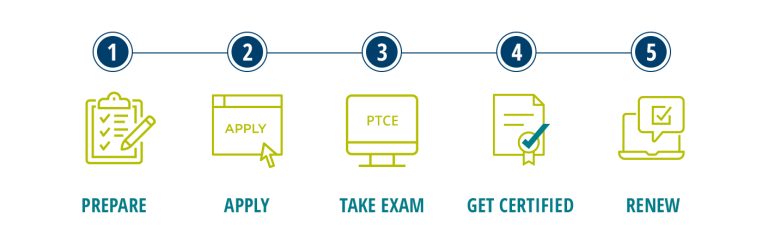
Certification and licensing are essential for ultrasound techs. These credentials prove your skills and knowledge. They also ensure patient safety and professional standards. Employers often require certification before hiring. Licensing rules vary by state, so understanding them is key. This section explains key certification bodies, the exam process, and state licensing needs.
Key Certification Bodies
Several organizations offer ultrasound tech certification. The most recognized is the American Registry for Diagnostic Medical Sonography (ARDMS). ARDMS certifies specialists in areas like abdomen, obstetrics, and vascular technology.
Another important body is the American Registry of Radiologic Technologists (ARRT). ARRT certifies sonographers with a focus on radiologic science. The Cardiovascular Credentialing International (CCI) also certifies in cardiac and vascular sonography.
Choosing the right certification depends on your specialty and career goals. Each body has its own standards and exams to meet.
Certification Exam Process
The certification exam tests your knowledge and skills. It usually includes multiple-choice questions and practical components. You must complete an accredited training program before taking the exam.
Register for the exam through the certification body’s website. Prepare using study guides, practice tests, and review courses. Passing the exam grants you certification as a professional ultrasound tech.
Certification often needs renewal every few years. This requires continuing education to keep skills current.
State Licensing Needs
Some states require ultrasound techs to be licensed. Licensing rules vary widely across the country. Check with your state’s health department for specific requirements.
Licensing may require certification, background checks, and fees. It ensures ultrasound techs meet state standards for safe practice.
Not all states require a license, but certification is almost always needed. Maintaining both can improve job prospects and credibility.
Skills And Qualities
To succeed as an ultrasound tech, certain skills and qualities are essential. These help in handling equipment, interacting with patients, and producing accurate images. Developing the right abilities ensures better job performance and patient care.
Technical Skills
Ultrasound techs must understand how to operate complex imaging machines. They need knowledge of anatomy and physiology to capture clear images. Familiarity with medical terminology helps in communicating results. Basic computer skills are required to manage patient records and imaging files.
Interpersonal Skills
Working with patients requires patience and kindness. Techs often deal with nervous or uncomfortable people. Clear communication helps explain procedures and ease fears. Teamwork is important for coordinating with doctors and nurses. Respect and empathy improve the overall patient experience.
Attention To Detail
Precision is crucial in capturing accurate ultrasound images. Small mistakes can affect diagnosis and treatment plans. Techs must carefully follow protocols and check equipment. Observing subtle differences in images requires focus. Strong attention to detail leads to reliable and useful results.

Credit: www.cambridgehealth.edu
Gaining Practical Experience
Gaining practical experience is a crucial step in becoming a skilled ultrasound tech. It bridges the gap between classroom knowledge and real-world application. Without hands-on practice, mastering ultrasound technology and patient interaction remains a challenge.
Clinical Internships
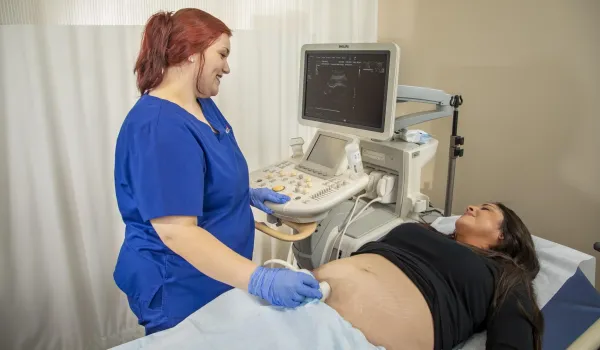
Clinical internships provide direct exposure to ultrasound equipment and patient care. You’ll work alongside experienced sonographers, which helps you understand daily routines and challenges. These internships often take place in hospitals or diagnostic centers, giving you a realistic view of the profession.
During my internship, I learned how to adjust machine settings quickly to get the best images. This skill isn’t taught well in textbooks but is essential in practice. Have you considered how much you could improve by working in a real clinical environment?
Volunteer Opportunities
Volunteering at clinics or community health centers offers extra chances to observe and sometimes assist in ultrasound procedures. It also shows your commitment to the field, which employers appreciate. Volunteering can help build your confidence in patient communication and technical skills.
Even if you don’t operate the machine initially, watching professionals perform scans and asking questions sharpens your understanding. Are there local health organizations where you could volunteer to gain this valuable insight?
Building A Strong Resume
Documenting your practical experiences clearly on your resume makes you stand out to employers. Highlight specific skills gained during internships and volunteer work, such as patient positioning or image analysis. Including measurable achievements, like the number of scans assisted with, adds credibility.
- List clinical sites and duration of internships.
- Describe hands-on tasks you performed.
- Mention any specialized ultrasound techniques you learned.
Think about how your resume tells the story of your readiness for an ultrasound tech role. Does it show that you have both knowledge and hands-on experience? If not, what can you add to make it stronger?
Job Search Strategies
Finding a job as an ultrasound tech requires smart strategies. Job search strategies help you target the right opportunities and stand out. Focus on where to find job openings, how to network, and how to prepare for interviews. These steps improve your chances of landing a good position.
Where To Find Job Openings
Start with online job boards specializing in healthcare roles. Hospital websites often post ultrasound tech vacancies. Check local clinics and imaging centers for openings. Use job search engines and filter results by location and job type. Consider professional organizations that list job offers too.
Networking Tips
Connect with current ultrasound techs and healthcare workers. Attend local health fairs and professional meetings. Join ultrasound tech groups on social media platforms. Ask for advice and job leads from your contacts. Networking helps you learn about hidden job openings.
Interview Preparation
Research the employer before your interview. Practice common ultrasound tech interview questions. Prepare to explain your skills and experiences clearly. Dress professionally and arrive on time. Bring copies of your resume and certifications to the interview.
Continuing Education
Continuing education is a crucial part of being an ultrasound tech. Medical technology changes fast, and keeping your skills updated ensures you provide the best care. It also opens doors to career growth and keeps your work interesting.
Importance Of Lifelong Learning
Ultrasound techs who keep learning stay ahead in their field. New imaging techniques and equipment come out regularly. By learning continuously, you avoid becoming outdated and increase your confidence on the job.
Think about the last time you learned a new skill—did it make your work easier or more enjoyable? Lifelong learning in ultrasound technology works the same way, helping you solve problems more efficiently and improve patient outcomes.
Advanced Certifications
Advanced certifications prove your expertise beyond the basic requirements. They can focus on specialties like vascular or cardiac sonography. Holding these certificates often leads to higher pay and more job options.
Certifications require study and testing, but they show employers you are serious about your profession. If you want to stand out, pursuing a specialty certification can be a smart move.
Workshops And Seminars
Workshops and seminars offer hands-on experience and direct interaction with experts. They are perfect for learning new skills quickly or refreshing your knowledge. Many employers support attendance because it benefits the whole team.
Look for local or online workshops that fit your schedule. Even a one-day seminar can introduce new techniques or equipment you might not encounter daily. How often do you take time to update your skills this way?
Credit: www.concorde.edu
Frequently Asked Questions
What Qualifications Are Needed For Ultrasound Techs?
To become an ultrasound tech, a high school diploma is required. You also need to complete an accredited program in diagnostic medical sonography. Most programs require two years of study. Additionally, certification from a recognized body enhances job prospects and credibility.
Continuous education is often necessary to keep up with technological advances.
How Long Does It Take To Become An Ultrasound Tech?
It typically takes two years to become an ultrasound tech. This includes completing an accredited associate degree program. Some students may opt for a bachelor’s degree, which takes four years. Certification exams can be taken after graduation. Continuous learning is essential to keep skills up-to-date.
What Skills Are Essential For Ultrasound Techs?
Ultrasound techs need strong technical skills to operate machinery. Good communication skills are crucial for interacting with patients. Attention to detail is vital for accurate image interpretation. Physical stamina is needed as the job requires long hours standing. Problem-solving skills help in analyzing complex images.
Are Ultrasound Techs In High Demand?
Yes, ultrasound techs are in high demand. The healthcare industry is growing, increasing the need for diagnostic imaging professionals. Advancements in technology also contribute to the demand. Ultrasound is a preferred diagnostic tool due to its non-invasive nature. Job opportunities are abundant in hospitals and clinics.
Conclusion
Becoming an ultrasound tech takes education and hands-on training. You need good communication skills and attention to detail. Patience and care help when working with patients. Certification boosts your chances of getting a job. This career offers steady work and chances to grow.
If you enjoy healthcare and technology, this path fits well. Keep learning and practicing to succeed in this field. A rewarding job awaits those who prepare well and stay dedicated.