
Have you ever wondered what a dialysis tech does every day? If you or someone you care about needs kidney treatment, understanding this role can make a big difference.
A dialysis technician is more than just a medical worker—they are the hands and heart behind a life-saving process. You’ll discover exactly what their job involves, why it matters to your health, and how they help patients feel safe and supported.
Keep reading to learn how dialysis techs make a real impact on people’s lives.
Credit: www.kidneyfund.org
Dialysis Tech Role
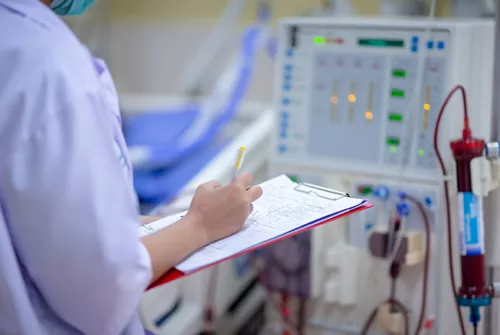
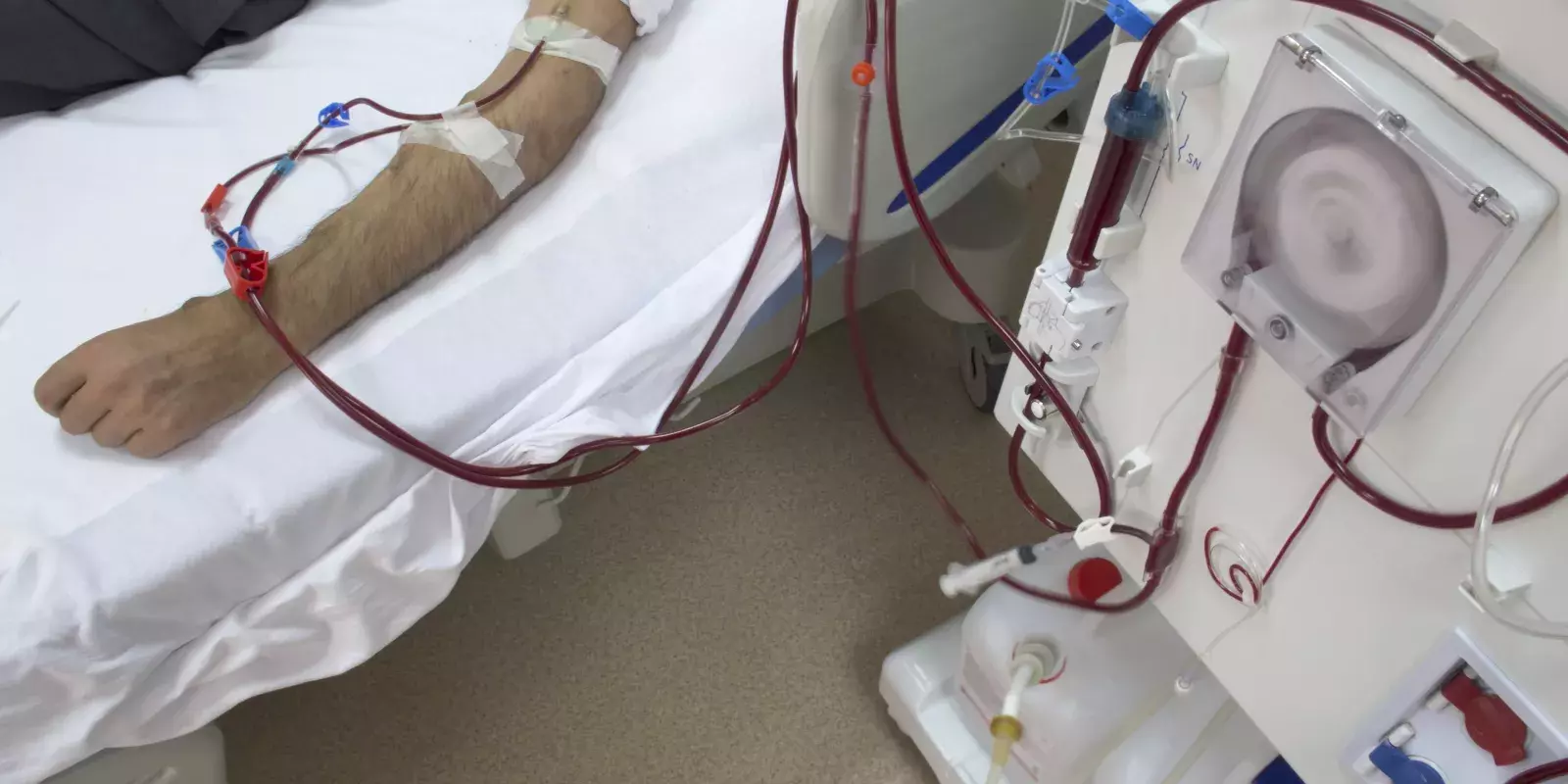
The role of a dialysis tech is vital in helping patients with kidney failure. These professionals assist during dialysis treatments that cleanse the blood. Their work ensures treatments are safe and effective. They support both patients and medical staff throughout the process.
Daily Responsibilities
Dialysis techs prepare machines before each session. They check the equipment for any issues. Monitoring patients throughout the treatment is key. They record vital signs like blood pressure and temperature. After sessions, techs clean and disinfect equipment. They also maintain accurate patient records. Communication with nurses and doctors is essential for patient care.
Patient Care Tasks
Dialysis techs help patients get comfortable in the chair. They explain the procedure in simple terms. They watch for any signs of discomfort or problems. Assisting patients with basic needs during treatment is common. Techs provide emotional support to ease patient anxiety. They ensure patients follow safety guidelines during dialysis.
Equipment Operation
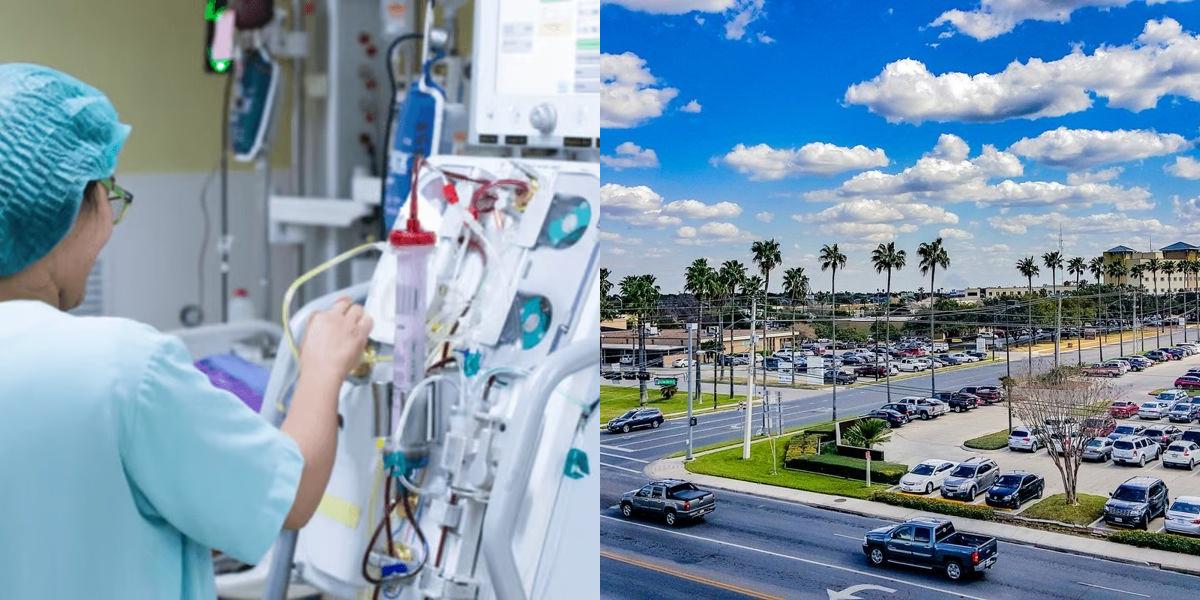
Operating dialysis machines requires careful attention. Techs set up the machine according to treatment plans. They monitor the machine’s function throughout the session. Adjustments are made if the machine signals any errors. Techs troubleshoot technical problems quickly. Proper machine operation prevents complications and keeps patients safe.
Credit: dreambound.com
Essential Skills
Dialysis technicians play a vital role in patient care. Their work demands a unique set of skills. These skills ensure treatments run smoothly and safely. Understanding these skills helps appreciate their daily challenges and responsibilities.
Technical Expertise
Dialysis techs handle complex machines and equipment. They must know how to set up and monitor dialysis machines. Regular checks prevent errors and protect patient health. Knowledge of sterilization and infection control is essential. Precision and attention to detail keep treatments effective and safe.
Communication Abilities
Clear communication is key in this role. Techs explain procedures to patients calmly and clearly. They listen carefully to patients’ concerns and symptoms. Communication with nurses and doctors ensures coordinated care. Good interpersonal skills help build patient trust and comfort.
Problem-solving Skills
Unexpected issues can arise during dialysis sessions. Techs must identify problems quickly and act fast. They troubleshoot machine malfunctions and patient reactions. Critical thinking helps maintain patient safety and treatment quality. Staying calm under pressure is crucial in emergencies.
Training And Certification
Training and certification are the backbone of becoming a skilled dialysis technician. Without proper education and credentials, you won’t be ready to handle the complex machinery and critical patient care involved. Understanding these requirements can help you plan your path effectively and stand out in this vital healthcare role.
Educational Requirements
Most dialysis technician programs require at least a high school diploma or GED. You will then need to enroll in a formal training program, which typically lasts from 6 months to 1 year. These programs combine classroom instruction with hands-on clinical experience, teaching you about kidney functions, dialysis procedures, and patient safety.
Look for programs accredited by recognized bodies to ensure quality education. Community colleges and technical schools often offer these courses, making them accessible and affordable. Have you checked if your local schools provide such training?
Certification Process
After completing your education, certification is the next step to prove your competency. The most widely recognized certification is offered by the Nephrology Nursing Certification Commission (NNCC) or the Board of Nephrology Examiners Nursing Technology (BONENT). These certifications require passing an exam that tests your knowledge of dialysis techniques and patient care.
Certification often demands a combination of education and clinical hours. For example, BONENT requires a minimum number of supervised dialysis treatments before you can sit for the exam. Passing this test can significantly boost your job prospects and credibility with employers.
Continuing Education
Certification isn’t a one-time achievement; you must keep your skills up to date. Most certifying bodies require dialysis techs to complete continuing education credits every few years. This ongoing learning helps you stay informed about new dialysis technologies, safety protocols, and treatment methods.
Consider it a way to protect your patients and your career. How often do you think medical procedures change, and are you ready to keep pace? Regular training sessions, workshops, and online courses make this manageable and even enjoyable.
Challenges Faced
Dialysis technicians face many challenges daily. Their job is critical for patients with kidney failure. These challenges test their skills and patience. Understanding these struggles shows the true value of their work.
Handling Emergencies
Emergencies can happen during dialysis sessions. A patient might suddenly feel dizzy or short of breath. Dialysis techs must act quickly and calmly. They monitor vital signs closely to catch problems early. Immediate response can save a patient’s life.
Managing Patient Emotions
Many patients feel anxious or scared during treatment. Dialysis techs often comfort and support them. They listen patiently and provide reassurance. Building trust helps patients relax. Emotional care is as important as medical care.
Work Environment
Dialysis centers can be busy and noisy. Techs work long hours on their feet. They handle medical equipment and chemicals safely. The environment demands focus and stamina. Despite this, techs maintain a positive attitude to help patients.
Impact On Patient Lives
Dialysis technicians play a vital role in the lives of patients undergoing dialysis treatment. Their work goes beyond operating machines; they offer comfort and care that significantly affect patients’ daily experiences. The impact on patient lives is seen in many ways, from improving health to emotional support.
Improving Quality Of Life
Dialysis techs ensure treatments run smoothly and safely. They monitor patients closely, spotting issues early to prevent complications. Their careful attention helps patients feel more comfortable during long sessions. This support allows patients to maintain better health and energy.
Building Trust
Patients often feel anxious about dialysis. Techs create a calm and friendly environment. They listen and answer questions, easing fears. Trust builds as patients see the techs’ dedication and kindness. This bond encourages patients to stay committed to their treatment.
Supporting Treatment Plans
Dialysis techs follow doctors’ instructions precisely. They adjust machines and treatments based on patient needs. This teamwork ensures the best possible outcomes. Techs also educate patients on care at home, helping them manage their health daily.
Credit: www.kidneyfund.org
Frequently Asked Questions
What Are The Main Duties Of A Dialysis Tech?
A dialysis tech operates and monitors dialysis machines to support kidney function. They prepare equipment, assist patients, and ensure safety during treatment.
How Does A Dialysis Technician Help Kidney Patients?
They provide life-saving treatments by filtering waste from patients’ blood. They also monitor vital signs and address patient concerns during dialysis sessions.
What Skills Are Essential For A Dialysis Technician?
Key skills include attention to detail, patient care, technical knowledge of dialysis machines, and strong communication to explain procedures clearly.
What Education Is Required To Become A Dialysis Tech?
Most dialysis technicians complete a certificate or associate degree program. They also undergo clinical training and often obtain certification for employment.
Conclusion
Dialysis techs play a vital role in patient care. They help people with kidney problems. Their work ensures smooth dialysis sessions. They monitor machines and assist nurses. Their skills reduce health risks. Each day, they make a difference. Their dedication is commendable.
Without them, dialysis centers struggle. Patients rely on their expertise. They promote health and comfort. Their impact is profound and lasting. Understanding their role helps appreciate their work. Their commitment enhances healthcare quality. Dialysis techs are crucial in medical teams.
Their contributions are invaluable. They support patients and healthcare providers efficiently.