What Does a Medical Lab Tech Do: Key Roles and Career Insights
Have you ever wondered who helps doctors find out what’s really going on inside your body? That’s where a medical lab tech steps in.
These professionals work behind the scenes, running tests that reveal crucial information about your health. If you’re curious about what a medical lab tech does every day and how their work impacts your care, keep reading. Understanding their role might surprise you—and it could even inspire your next career move.
Daily Tasks Of Medical Lab Techs
The daily tasks of medical lab techs are both varied and essential to the healthcare process. Each day offers a mix of hands-on work with samples, precise testing, and careful data handling. If you think this job is just about working behind a microscope, think again—there’s much more that keeps the lab running smoothly.
Sample Collection And Preparation
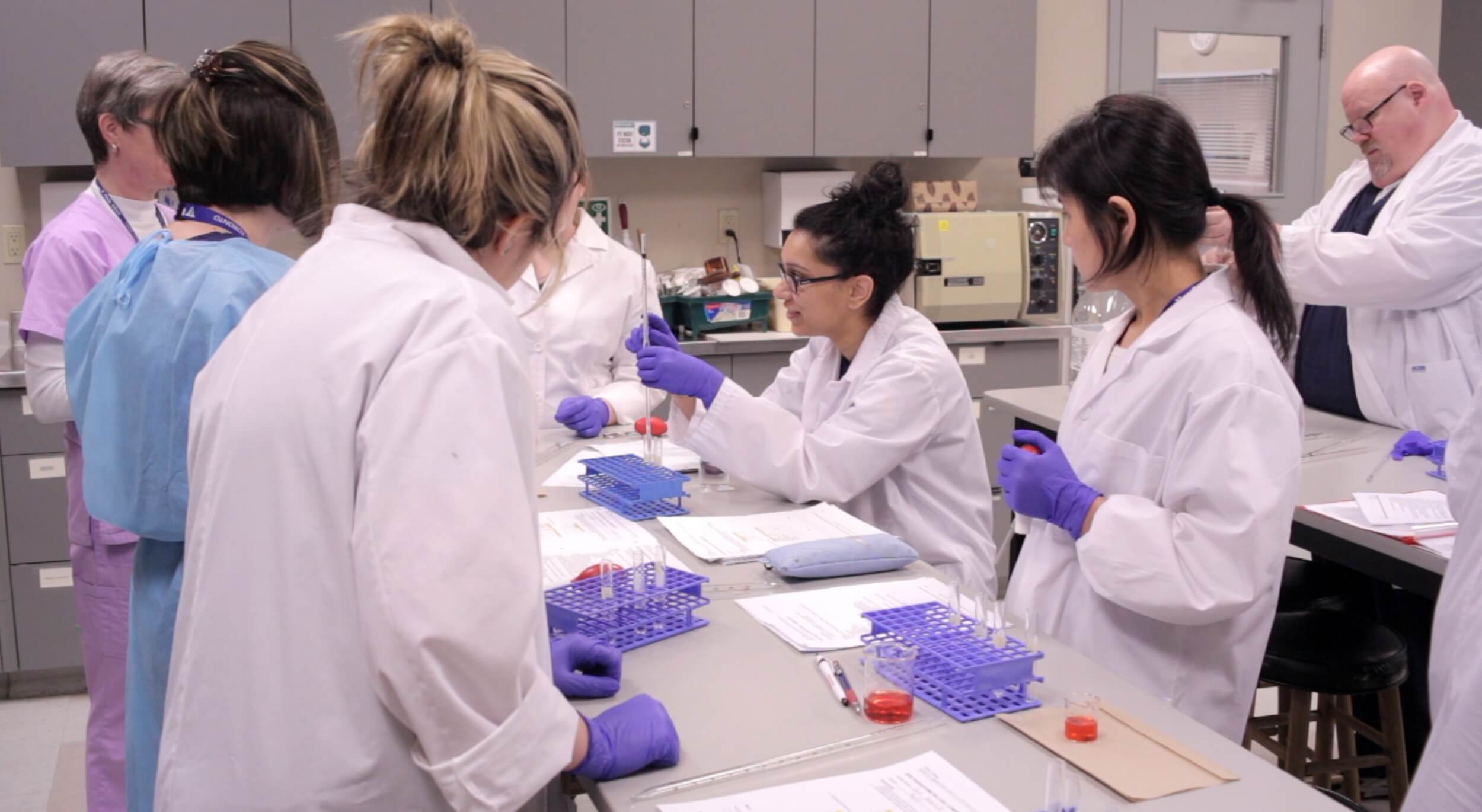
Collecting samples is often the first step in a medical lab tech’s day. You might handle blood, urine, or tissue samples, making sure they are collected safely and labeled correctly. Preparation is key—this includes processes like centrifuging, staining, or refrigerating samples to ensure they’re ready for testing.
Have you ever wondered how a tiny error in labeling could affect a patient’s diagnosis? Your attention to detail here can prevent such mistakes.
Conducting Laboratory Tests
Once samples are ready, you perform various tests using specialized equipment. These tests can range from simple blood counts to complex molecular analyses. You follow strict protocols to maintain accuracy and reliability in every test you run.
This part of your job requires focus and consistency. Even a small deviation from the procedure could lead to incorrect results, impacting patient care.
Analyzing And Recording Results
After testing, you analyze the data and document the results carefully. This involves interpreting numbers, spotting abnormalities, and sometimes rerunning tests if results seem off. Accurate recording ensures doctors have the right information to make decisions.
Imagine how critical your role is in ensuring that the results you submit lead to the right treatment plans. Your precision can literally save lives.
Maintaining Lab Equipment
Keeping lab equipment in top shape is part of your daily routine. You clean, calibrate, and troubleshoot machines to avoid breakdowns. Regular maintenance helps maintain test accuracy and extends the life of expensive instruments.
Have you ever thought about how much downtime a lab could face if equipment isn’t properly cared for? Your diligence keeps everything running without interruption.
Credit: medixcollege.ca
Essential Skills For Success
Success as a medical lab technician relies heavily on a unique set of skills. These skills not only ensure accurate test results but also maintain the safety and efficiency of the lab environment. Understanding which abilities matter most can help you focus your efforts and excel in this vital healthcare role.
Attention To Detail
Precision is crucial in medical testing. A small mistake, like mixing up samples or misreading data, can lead to incorrect diagnoses. When I first started, I learned that double-checking every step saved time and prevented costly errors.
You need to cultivate sharp observation skills and patience. Always ask yourself: Could I miss something important here?
Technical Proficiency
Handling complex lab equipment and software is part of your daily routine. You must be comfortable with various machines that analyze blood, tissue, and other samples. Learning to operate and troubleshoot this equipment quickly keeps the workflow smooth.
Staying updated with new technology also sets you apart. How often do you review the latest lab techniques or software updates in your field?
Communication Skills
Clear communication is essential when you work with doctors, nurses, and other lab staff. You’ll need to explain test procedures and results accurately, sometimes under pressure. Sharing precise information helps prevent misunderstandings that could affect patient care.
Listening carefully and asking questions when unclear can improve teamwork. What’s your approach to ensuring everyone is on the same page?
Problem-solving Abilities
Unexpected issues often arise in the lab, from equipment failures to unusual test results. Your ability to think critically and find solutions quickly matters. I remember a time when a machine malfunctioned mid-shift, and troubleshooting under pressure saved the day.
Develop a mindset that views challenges as puzzles waiting to be solved. Are you ready to tackle problems with confidence and creativity?
Work Environment And Conditions
Medical lab technicians work in controlled and clean environments. Their workspaces support accuracy and safety. Lab conditions can vary based on the facility and tests performed.
Typical Lab Settings
Most medical lab techs work in hospitals, clinics, or research labs. These labs have advanced machines for testing samples. The environment is quiet, well-lit, and organized. Some labs handle blood, urine, or tissue samples. Others focus on microbiology or chemistry tests.
Safety Protocols
Safety is a top priority in medical labs. Techs wear gloves, masks, and lab coats to avoid contamination. They follow strict rules for handling samples and chemicals. Proper disposal of biohazard waste is mandatory. Regular training ensures techs stay updated on safety standards.
Work Hours And Shifts
Work hours vary by facility and workload. Many lab techs work full-time with standard daytime hours. Some labs require evening, night, or weekend shifts. Shift work helps labs provide 24/7 testing support. Flexibility and stamina are important for these roles.
Credit: www.pwioi.com
Education And Certification Paths
To become a medical lab technician, education and certification are essential. These paths prepare candidates with the skills and knowledge needed for this role. Understanding the required degrees and certifications helps in planning a clear career route.
Degree Requirements
Most medical lab techs start with an associate degree in medical laboratory technology or related fields. This degree usually takes two years to complete. Some employers prefer candidates with a bachelor’s degree in clinical laboratory science. These programs include courses in biology, chemistry, and lab techniques. Hands-on training through internships or clinical rotations is also part of the education.
Certification Options
Certification proves a technician’s competence and can improve job prospects. The American Society for Clinical Pathology (ASCP) offers a widely recognized certification. Candidates must pass an exam covering lab procedures and safety. Other certifying bodies include AMT (American Medical Technologists) and AAB (American Association of Bioanalysts). Certification requires graduation from an accredited program and sometimes work experience.
Continuing Education
Medical lab technology evolves with new tools and methods. Continuing education keeps skills current and maintains certification. Professionals attend workshops, seminars, or online courses. Some states require periodic renewal of certification through continuing education credits. Staying updated ensures accurate test results and career growth.
Career Growth And Opportunities
Medical lab technology offers solid career growth and many opportunities. The field is broad, letting professionals find their best fit. Advancing skills can lead to higher roles and better pay. Demand for skilled lab techs remains strong across healthcare.
Specialization Areas
Lab techs can specialize in areas such as:
- Hematology – studying blood and its disorders
- Microbiology – identifying bacteria and viruses
- Chemistry – analyzing chemical components of body fluids
- Immunology – testing immune system functions
- Blood banking – managing blood donations and transfusions
Specializing helps techs focus on their interests and gain expert skills.
Advancement Possibilities
Career advancement often includes roles like:
- Senior Medical Lab Technologist
- Lab Supervisor or Manager
- Clinical Laboratory Scientist
- Quality Control Specialist
- Medical Laboratory Consultant
Higher education and certifications can speed up promotion chances.
Job Market Outlook
The need for medical lab techs grows steadily. Hospitals, clinics, and research labs require skilled workers. Aging populations increase testing demands. Job stability and good wages attract many to this career. Geographic flexibility exists, with openings in urban and rural areas.
Credit: nomadhealth.com
Challenges Faced By Medical Lab Techs
Medical lab technicians face many challenges every day. Their work demands accuracy and speed. They must handle difficult cases, manage heavy workloads, and keep up with new technology. These challenges test their skills and patience.
Handling Complex Cases
Some tests are very hard to perform. Lab techs often deal with rare diseases or unclear symptoms. They must be precise to avoid mistakes. One small error can change a patient’s treatment plan. This requires great focus and knowledge.
Managing Workload
Lab technicians often work long hours. They handle many samples each day. High pressure can cause stress and fatigue. It is important to stay organized and calm. Efficient time management helps them finish tasks on time.
Keeping Up With Technology
Medical technology changes quickly. New machines and software appear every year. Lab techs must learn these tools to do their job well. Continuous training is necessary to stay updated. This learning is a constant part of their career.
Frequently Asked Questions
What Tasks Does A Medical Lab Tech Perform Daily?
Medical lab techs collect and analyze patient samples like blood and tissue. They operate lab equipment, run tests, and report accurate results to doctors for diagnosis.
How Do Medical Lab Techs Impact Patient Care?
Lab techs provide critical data that helps doctors diagnose diseases quickly. Their precise testing ensures effective treatment plans, improving patient outcomes and healthcare quality.
What Skills Are Essential For Medical Lab Techs?
Attention to detail, technical skills, and knowledge of lab equipment are vital. Strong communication helps in reporting results clearly to healthcare professionals.
Where Do Medical Lab Techs Typically Work?
They work in hospitals, clinics, research labs, and diagnostic centers. Their role is crucial in any healthcare setting involving laboratory testing.
Conclusion
A medical lab tech plays a vital role in healthcare. They perform tests and analyze samples. Their work helps doctors diagnose and treat patients effectively. Accuracy and attention to detail are crucial. They ensure reliable results. Their skills support a smooth healthcare process.
Aspiring techs need education and training. This career offers rewarding challenges. It’s an essential part of modern medicine. Understanding their tasks enriches our appreciation of healthcare. They contribute to better outcomes for patients. Their work behind the scenes is invaluable.
Embracing their role fosters trust in medical care.