What Does a Rad Tech Do: Essential Roles Explained Clearly
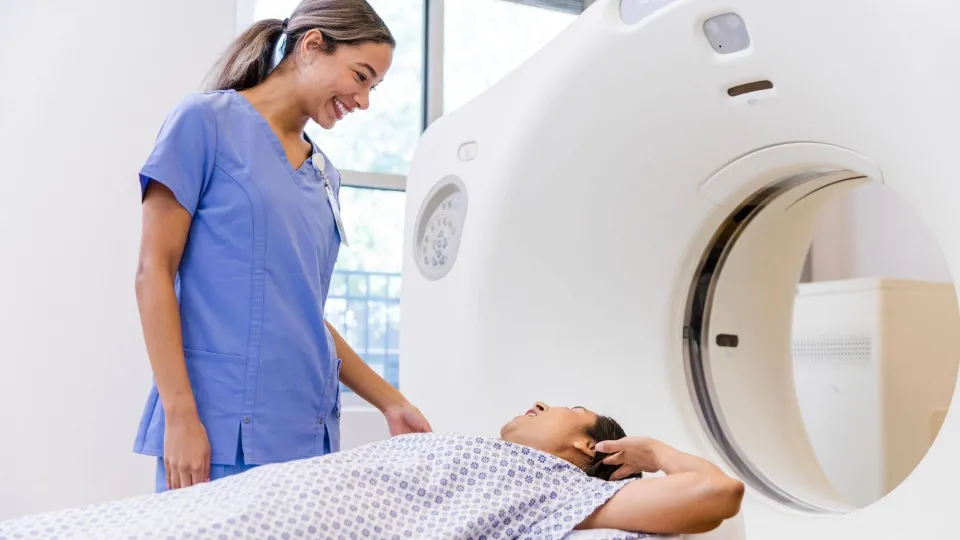
Have you ever wondered what a Rad Tech really does? If you’ve ever had an X-ray or MRI, a Radiologic Technologist was likely behind the scenes, making sure everything went smoothly.
But their job is more than just taking pictures. Understanding what a Rad Tech does can give you a new appreciation for this important role in healthcare. Keep reading to discover the key tasks they handle, how they help patients like you, and why their work matters more than you might think.
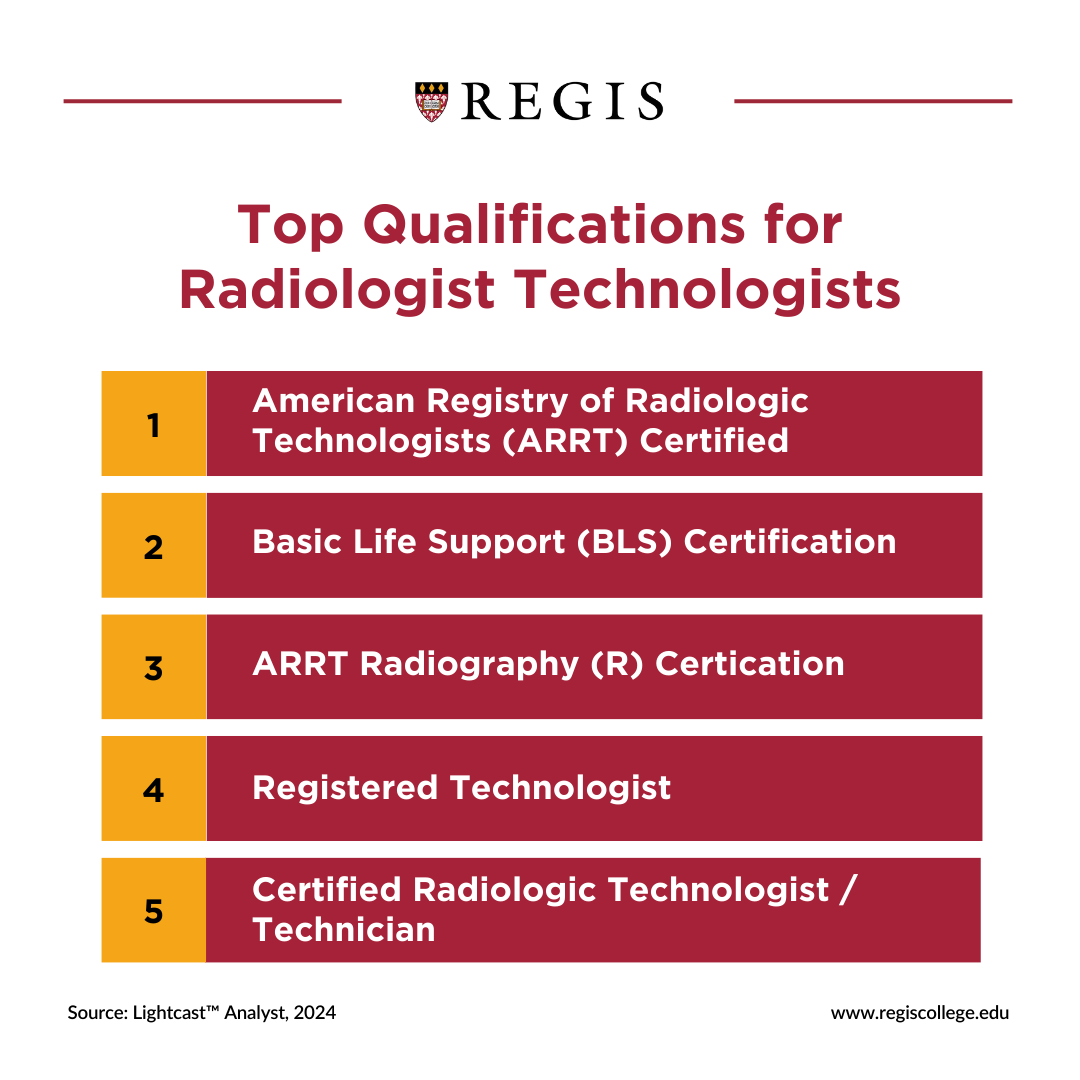
Credit: www.regiscollege.edu
Daily Tasks Of A Rad Tech
A Radiologic Technologist, or Rad Tech, plays a vital role in medical imaging. Their daily tasks ensure accurate and safe imaging for diagnosis. Each day involves a mix of patient care, technical skill, and safety protocols.
Preparing Patients For Imaging
Rad Techs greet patients and explain procedures clearly. They help patients remove metal objects and wear gowns if needed. Positioning patients correctly is crucial for clear images. They ensure patients feel comfortable and calm before imaging starts.
Operating Imaging Equipment
Rad Techs handle machines like X-rays, CT scanners, and MRIs. They adjust settings based on the exam type and patient needs. Monitoring equipment performance prevents errors during imaging. They stay alert to machine alerts and troubleshoot issues fast.
Capturing Quality Images
Taking clear, precise images is a top priority. Rad Techs position patients and equipment carefully. They check images for quality and clarity on the spot. Retakes happen if images don’t show the needed details. Good images help doctors make the right diagnosis.
Maintaining Safety Standards
Rad Techs follow strict safety rules to protect patients and themselves. They use lead shields to block unnecessary radiation exposure. Equipment is cleaned and inspected regularly for safety. They keep detailed records to track radiation doses. Safety is key to every imaging procedure.
Credit: www.concorde.edu
Types Of Imaging Procedures
Radiologic technologists perform various imaging procedures to help diagnose illnesses. Each type of imaging shows different parts of the body. These images assist doctors in making accurate decisions. Below are common imaging procedures that rad techs operate.
X-rays
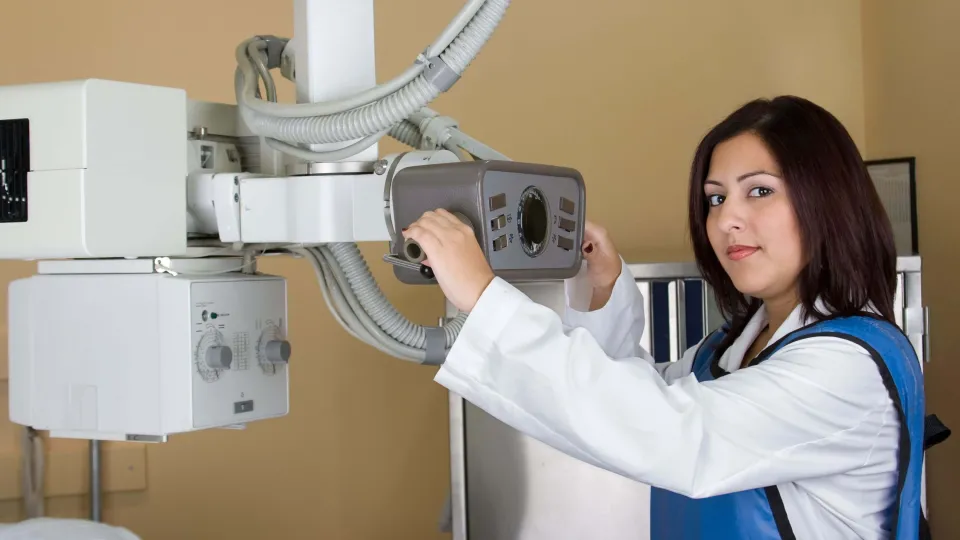
X-rays use a small amount of radiation to create images of bones and organs. They are quick and painless. Rad techs position patients carefully to get clear pictures. X-rays help detect fractures, infections, and lung issues.
Ct Scans
CT scans combine X-ray images taken from different angles. A computer creates detailed cross-sectional pictures of the body. These scans reveal internal injuries, tumors, and blood clots. Rad techs guide patients through the machine and monitor the process.
Mri Scans
MRI uses strong magnets and radio waves to produce detailed images. It shows soft tissues like the brain, muscles, and joints clearly. Rad techs ensure patients stay still during the scan. MRI is useful for diagnosing brain disorders and joint problems.
Ultrasound
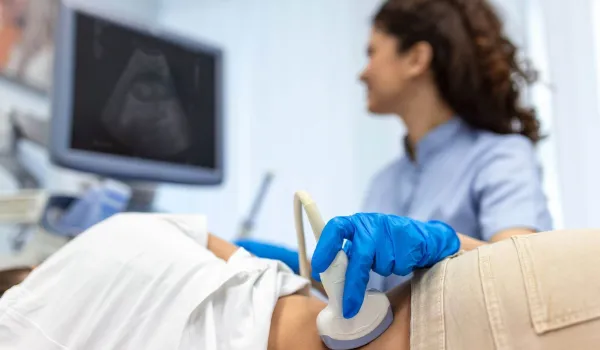
Ultrasound uses sound waves to create real-time images of organs and blood flow. It is safe and does not use radiation. Rad techs apply gel and move a transducer on the skin. Ultrasound helps check pregnancies, heart function, and abdominal organs.
Skills Required For Rad Techs
Rad techs need a unique set of skills to perform their jobs well. These skills help them handle advanced machines and ensure patient safety. They must combine technical knowledge with good communication and problem-solving abilities. Each skill plays a vital role in daily tasks and patient care.
Technical Proficiency
Rad techs operate complex imaging equipment like X-rays, MRIs, and CT scanners. They must understand how to set up and adjust these machines correctly. Knowledge of safety protocols to protect patients and themselves is crucial. Staying updated on new technology helps them work efficiently and accurately.
Attention To Detail
Precision matters in medical imaging. Rad techs must capture clear, accurate images for doctors to diagnose. Small mistakes can lead to wrong results or repeated tests. They carefully follow instructions and patient positioning to avoid errors. This focus ensures high-quality images every time.
Communication Skills
Rad techs explain procedures to patients clearly and calmly. They help reduce patient anxiety and gain cooperation during scans. Good communication with doctors and nurses ensures smooth workflow. Rad techs must also document patient information correctly for medical records.
Problem-solving Abilities
Technical issues can arise during imaging. Rad techs need quick thinking to fix problems or adjust settings. They must adapt to different patient needs and conditions. These skills help maintain a smooth and safe imaging process. Being resourceful improves patient care and job performance.
Work Environment And Settings
Understanding the work environment and settings of a Radiologic Technologist (Rad Tech) helps you see how versatile and dynamic this career can be. Each setting offers unique challenges and experiences that shape the daily routine and skills you’ll use. Whether in a bustling hospital or a quiet clinic, your role adapts to meet the needs of patients and healthcare teams.
Hospitals
Hospitals are often fast-paced and high-pressure environments. As a Rad Tech here, you might handle a wide range of imaging procedures, from emergency trauma cases to routine scans. You’ll work closely with doctors and nurses, often needing to make quick decisions to assist with urgent diagnoses.
Expect to encounter diverse patient conditions, which keeps the job engaging but requires constant attention to safety and accuracy. Have you considered how handling emergency situations could sharpen your skills and increase your confidence?
Clinics
Clinics usually provide a more controlled and less hectic atmosphere compared to hospitals. Your work might focus on specific types of imaging, such as mammography or orthopedic X-rays, allowing you to develop specialized expertise. The patient interactions tend to be longer and more personal, giving you a chance to build trust and comfort.
Working in clinics often means a steadier schedule and less exposure to critical emergencies, which can suit those who prefer routine. How might developing close patient relationships affect your satisfaction and effectiveness as a Rad Tech?
Diagnostic Centers
Diagnostic centers specialize in imaging services and often feature the latest technology. Here, you’ll perform detailed imaging tests like CT scans, MRIs, and ultrasounds. This setting demands precision and technical know-how to produce clear images that aid accurate diagnoses.
Working in such centers can enhance your technical skills and keep you updated on advances in imaging technology. Would you enjoy focusing deeply on technology and technique rather than broader medical care?
Mobile Imaging Units
Mobile imaging units take your skills on the road, bringing diagnostic services to patients who can’t travel easily. This could mean visiting nursing homes, remote areas, or even disaster sites. Flexibility and problem-solving are key, as you adapt to different environments and equipment setups.
This setting offers a unique way to make a direct impact where it’s needed most. Can you imagine how rewarding it would be to provide essential imaging services to underserved communities?
Education And Certification
Understanding the education and certification process is essential if you’re considering a career as a radiologic technologist (Rad Tech). This path requires specific training, exams, and ongoing learning to keep your skills sharp and your credentials valid. Let’s break down what you need to know to get started and stay current in this field.
Training Programs
Training programs for Rad Techs typically last from one to four years, depending on the level of education you pursue. You can find accredited associate’s degree programs, bachelor’s degrees, and certificate programs tailored to prepare you for clinical work.
Hands-on experience is a big part of these programs. You’ll work with imaging equipment and learn patient care techniques. Have you thought about how much practical training you might need before feeling confident in a clinical setting?
- Associate’s degree programs usually take about two years and are the most common path.
- Bachelor’s degrees offer more in-depth study and may open doors to advanced roles.
- Certificate programs are shorter and suited for those already in healthcare who want to specialize.
Certification Exams
After completing your training, you must pass a certification exam to become a licensed Rad Tech. The American Registry of Radiologic Technologists (ARRT) exam is the most recognized certification in the U.S.
Passing this exam proves you have the knowledge and skills required to perform safely and effectively. Do you feel prepared to handle both the technical and patient care aspects that this exam tests?
- The exam covers anatomy, patient positioning, radiation safety, and image evaluation.
- You need to maintain good moral character and adhere to ARRT’s ethical standards.
- Many candidates prepare using practice tests, study groups, and review courses.
Continuing Education
Certification isn’t a one-time achievement; it requires ongoing education to keep your skills current. The ARRT mandates continuing education credits every two years to renew your certification.
This ensures you stay updated on new technologies, safety protocols, and best practices. What new skills or techniques could you learn that would make a real difference in your daily work?
- Continuing education can be earned through workshops, online courses, and professional conferences.
- Some Rad Techs specialize further by pursuing additional certifications in MRI or CT imaging.
- Staying active in professional organizations helps you network and access learning opportunities.
Credit: www.concorde.edu
Challenges Faced By Rad Techs
Rad Techs face many challenges daily. Their role demands skill and calm under pressure. They must balance technical tasks with patient care. Each challenge tests their knowledge and patience.
Dealing With Patient Anxiety
Many patients feel scared before scans. Rad Techs must comfort and explain procedures clearly. They use simple words to reduce fear. A calm voice and kind attitude help patients relax. This creates a better experience and improves results.
Managing Radiation Exposure
Rad Techs work with radiation every day. They follow strict safety rules to protect themselves and others. Wearing shields and keeping distance limits exposure. They check equipment often to ensure safety. Staying alert prevents harmful radiation doses.
Handling Emergency Situations
Emergencies can happen anytime during imaging. Rad Techs act fast and stay focused. They know first aid and emergency protocols well. Clear communication with doctors and nurses is key. Quick response can save lives and reduce risks.
Career Growth Opportunities
Career growth opportunities for radiologic technologists extend beyond basic imaging tasks. The field offers paths that allow professionals to deepen their expertise, lead teams, and contribute to medical science and education. Each path has its own rewards and challenges, offering varied experiences and skill development.
Advanced Specializations
Rad techs can specialize in areas like MRI, CT scans, or mammography. Specializing increases job options and pay potential. It also builds deeper knowledge in a chosen field. Certifications and extra training are often required. This path suits those who enjoy mastering specific technologies.
Leadership Roles
Experienced rad techs may move into supervisory or management roles. These jobs involve overseeing staff and daily operations. Leadership positions require strong communication and organizational skills. They allow technologists to influence workplace policies and improve service quality. Many find this path rewarding for its responsibility and impact.
Research And Teaching
Some rad techs choose to work in research or teaching. Research roles help improve imaging techniques and patient care. Teaching jobs involve training future technologists at schools or hospitals. Both paths require advanced education, such as a bachelor’s or master’s degree. These careers suit those passionate about knowledge and helping others learn.
Frequently Asked Questions
What Are The Main Duties Of A Rad Tech?
A Rad Tech operates imaging equipment like X-rays and MRIs. They prepare patients, capture images, and ensure safety protocols. Their work assists doctors in diagnosing medical conditions accurately and quickly.
How Does A Rad Tech Ensure Patient Safety?
Rad Techs follow strict safety guidelines to minimize radiation exposure. They use protective gear and position patients correctly. Monitoring equipment and maintaining cleanliness also help protect both patients and staff.
What Education Is Required To Become A Rad Tech?
Becoming a Rad Tech typically requires an associate degree in radiologic technology. Certification and licensing vary by location but are generally necessary. Ongoing training keeps skills current with technological advances.
What Skills Are Essential For A Successful Rad Tech?
Key skills include attention to detail, technical proficiency, and patient care. Rad Techs must operate complex machines and communicate clearly. They also need critical thinking to adapt during procedures.
Conclusion
Rad techs play a crucial role in healthcare. They operate imaging equipment. Their skills help doctors diagnose and treat patients. This profession demands precision and attention to detail. Rad techs ensure images are clear and accurate. They work closely with medical teams.
Safety protocols are essential in their daily tasks. Their expertise contributes to better patient care. Understanding their role enhances appreciation for their work. Rad techs are vital in medical imaging. Their dedication makes a difference in patient outcomes. A rewarding career, offering growth and stability.