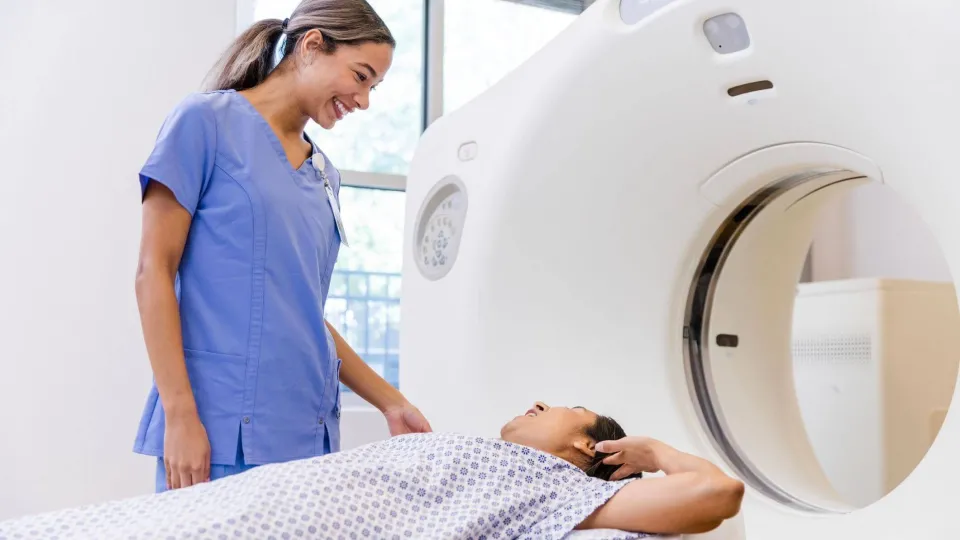
What Does a Radiology Tech Do: Key Roles & Career Insights
Have you ever wondered who helps doctors see inside your body without surgery? That’s where a radiology tech comes in.
If you’re curious about what a radiology tech does every day, you’re in the right place. Understanding their role can give you a clearer picture of how medical imaging works and why it’s so important for your health. Keep reading, and you’ll discover how these skilled professionals use technology to help diagnose and treat patients like you.
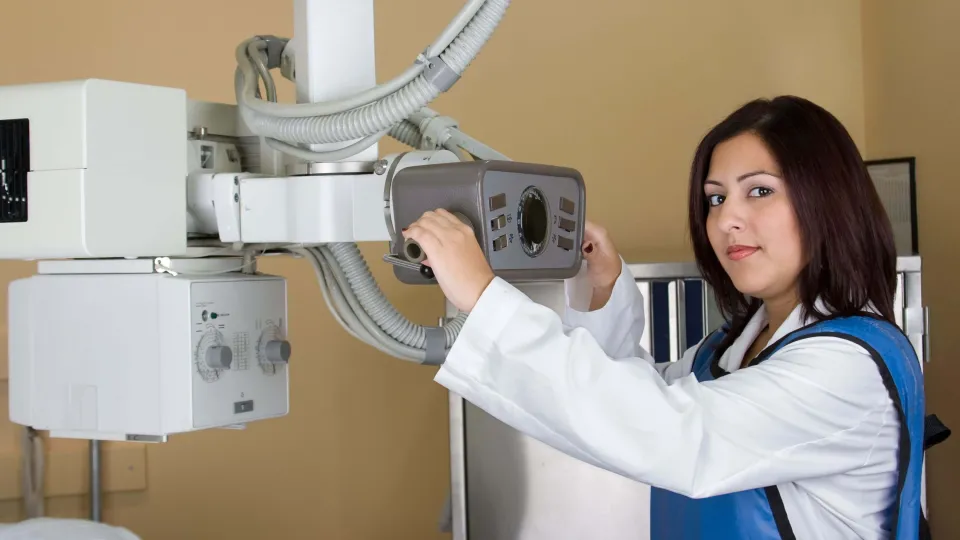
Credit: www.concorde.edu
Daily Tasks Of A Radiology Tech
Understanding the daily tasks of a radiology tech gives you a clear picture of the essential role they play in healthcare. Each day involves a mix of patient interaction, technical operation, and detailed documentation. These tasks require precision, care, and focus to ensure accurate diagnostic results.
Preparing Patients For Imaging
Before any scan, you need to explain the procedure clearly to the patient. This helps reduce their anxiety and ensures they follow instructions properly. You might ask about allergies or medical history that could affect the imaging process.
Positioning patients correctly is crucial. A slight misalignment can affect the quality of the images, so you must be attentive and gentle, especially with elderly or injured patients.
Operating Imaging Equipment
You will handle various machines like X-ray, MRI, or CT scanners. Each device requires specific settings adjusted to the type of scan and body part being examined. This task demands technical knowledge and steady hands.
Safety protocols are a big part of your responsibility here. You always ensure minimal radiation exposure to patients and yourself, using protective gear and following strict guidelines.
Ensuring Image Quality
Once the scan is done, you review the images for clarity and accuracy. Poor quality images mean repeating the process, which can delay diagnosis and increase patient discomfort. Spotting issues early saves time and improves care.
Sometimes you need to adjust settings or reposition the patient and retake images. Your attention to detail here directly impacts the doctor’s ability to diagnose correctly.
Maintaining Patient Records
After imaging, you document all relevant details carefully. This includes patient information, procedure specifics, and any observations during the scan. Accurate records support continuity of care and legal compliance.
Managing these records digitally or on paper requires organization skills. You must ensure confidentiality while making information accessible to authorized medical staff.
Credit: nomadhealth.com
Types Of Imaging Techniques
Radiology techs use different imaging techniques to capture clear pictures of the inside of your body. Each technique has its own way of working and is chosen based on what part of the body needs to be seen. Understanding these types helps you appreciate the skill involved in getting accurate images for diagnosis and treatment.
X-rays
X-rays are one of the oldest and most common imaging techniques. They use a small amount of radiation to create images of bones and certain organs. If you’ve ever broken a bone, you’ve likely had an X-ray, showing how essential this method is for quick and clear results.
Radiology techs must position you carefully to get the best image while minimizing your exposure to radiation. Have you ever wondered how they manage to capture such detailed images so quickly?
Ct Scans
CT scans, or computed tomography scans, combine X-rays with computer technology to create detailed cross-sectional images. These images give doctors a closer look at organs, bones, and tissues from different angles. This technique is especially useful for detecting internal injuries or diseases.
As a radiology tech, managing the CT scanner requires precision and attention to patient comfort. If you’ve experienced a CT scan, you might recall the machine’s loud noises and how you had to stay very still for clear images.
Mri Scans
MRI, or magnetic resonance imaging, uses strong magnets and radio waves instead of radiation to produce detailed images. This technique excels at showing soft tissues like the brain, muscles, and joints. It provides a different kind of detail that other methods can’t match.
Radiology techs play a key role in preparing patients for MRI scans, ensuring no metal objects interfere with the magnets. Have you ever felt claustrophobic during an MRI? Techs often help ease that discomfort with clear instructions and reassurance.
Ultrasound
Ultrasound uses high-frequency sound waves to create live images, often seen during pregnancy scans. It’s safe, painless, and provides real-time views of organs and blood flow. This makes it a preferred choice for many diagnostic needs without radiation exposure.
Operating ultrasound equipment requires skill to capture the right images while explaining the procedure to patients. Have you noticed how much trust you place in the tech during these scans? Their expertise directly affects the quality of the images and your experience.
Skills Needed For Success
Success as a radiology tech depends heavily on a set of specific skills that go beyond just knowing how to operate machines. These skills help you deliver accurate results while providing a supportive environment for patients. Whether you’re new to the field or looking to sharpen your abilities, understanding these core skills is crucial to your growth and effectiveness.
Technical Proficiency
Mastering the technology is the foundation of being a good radiology tech. You need to confidently operate complex imaging equipment like X-rays, MRIs, and CT scanners.
Technology changes fast, so staying updated is part of the job. Have you ever faced a machine glitch during a scan? Knowing how to troubleshoot on the spot can save time and reduce patient stress.
Attention To Detail
Precise images are critical for accurate diagnosis. Even a slight error in positioning or settings can lead to unclear results or misdiagnosis.
Paying close attention helps you catch these small but important details. When you focus deeply, you reduce the need for retakes, which means less radiation exposure for patients and smoother workflow for you.
Patient Communication
Working with patients requires more than technical skill; it demands clear and compassionate communication.
Explaining procedures in simple terms helps ease patient anxiety and builds trust. Think about how you’d feel if you didn’t understand what’s happening during a scan—wouldn’t you want someone to guide you patiently?
Problem-solving
Unexpected situations happen regularly, from equipment failures to patients who can’t stay still. You need to think quickly and adapt.
Problem-solving means finding practical solutions without compromising safety or image quality. Can you recall a time when you had to improvise to get the best image? That ability sets you apart as a reliable professional.
Education And Certification
Education and certification form the foundation of a radiology tech’s career. These professionals must gain specific knowledge and skills to operate imaging equipment safely and effectively. The path includes formal education, passing certification exams, and ongoing learning to maintain credentials.
Required Degrees
A radiology tech usually needs an associate degree in radiologic technology. This program often lasts two years and combines classroom study with clinical practice. Some may pursue a bachelor’s degree for advanced opportunities. Coursework covers anatomy, radiation physics, and patient care.
Certification Exams
After completing their degree, aspiring radiology techs take certification exams. The American Registry of Radiologic Technologists (ARRT) exam is the most recognized. Passing this test proves competence in radiography principles and safety standards. Certification is essential to work in most healthcare settings.
Continuing Education
Radiology techs must keep their knowledge current through continuing education. They complete courses every few years to renew certification. This training includes new imaging technologies and updated safety protocols. Staying informed ensures high-quality patient care and job security.
Work Environment And Schedule
Understanding the work environment and schedule of a radiology tech gives you a clearer picture of what the day-to-day job looks like. This role can vary significantly based on the setting, which influences your routine, interactions, and even your energy levels throughout the day. Let’s break down where radiology techs work and what their schedules often entail.
Hospital Settings
Most radiology techs find themselves working in hospitals, which are fast-paced and often unpredictable. You may assist emergency cases at any hour, requiring quick thinking and adaptability. Hospitals offer exposure to a variety of imaging techniques, but they also demand high stamina due to frequent patient movement and urgent situations.
Outpatient Clinics
Outpatient clinics typically provide a more predictable workday compared to hospitals. You’ll see patients scheduled for routine imaging, which allows for a steadier pace and less emergency stress. This setting often means closer interaction with patients, giving you a chance to improve their comfort during procedures.
Shift Patterns
Shift work is common, especially in hospital environments. Expect early mornings, late evenings, weekends, and sometimes overnight shifts. If you prefer a regular 9-to-5 schedule, outpatient clinics might suit you better, but flexibility often increases your job opportunities.
Workplace Challenges
Handling anxious or uncooperative patients tests your patience and communication skills daily. You’ll also face physical demands like standing for long periods and moving equipment. How do you prepare yourself to stay focused and calm in such a demanding role?
Career Growth Opportunities
The field of radiology technology offers many paths for career advancement. Radiology techs can expand their skills and take on new roles. Growth depends on education, experience, and interests. Opportunities exist in specialized areas, leadership, and ongoing learning. These options help radiology techs stay competitive and fulfilled in their careers.
Advanced Specializations
Radiology techs can choose to specialize in focused areas. Specialties include:
- Magnetic Resonance Imaging (MRI)
- Computed Tomography (CT)
- Sonography
- Mammography
- Interventional Radiology
Specializing increases job options and earning potential. It also allows techs to develop expert skills in a particular field.
Leadership Roles
Experienced radiology techs can move into leadership. Roles include:
- Lead Technologist
- Department Supervisor
- Clinical Instructor
- Radiology Manager
Leaders guide teams, manage workflow, and improve department operations. These roles require strong communication and organizational skills.
Continuing Education Options
Continuing education keeps skills current and opens new doors. Options include:
- Workshops and seminars
- Certification programs
- Associate and bachelor’s degrees
- Online courses
Lifelong learning helps radiology techs adapt to technology changes and clinical advances.
Salary And Job Outlook
Understanding the salary and job outlook of a radiology tech can help you decide if this career fits your financial goals and job stability needs. It’s important to look beyond just numbers and see what influences these figures. Let’s break down the average salary range, current job market trends, and key factors that impact your earnings as a radiology technician.
Average Salary Range
Radiology techs typically earn between $50,000and $75,000annually in the United States. Entry-level positions start around $45,000, while experienced techs or those with special certifications can exceed $80,000. Salaries often vary by location, healthcare facility, and your level of expertise.
Job Market Trends
The demand for radiology technicians is growing steadily due to an aging population and advances in medical imaging technology. According to recent data, employment in this field is expected to increase by about 7% over the next decade. This growth means more job openings and a relatively stable career path.
But ask yourself: How might emerging technologies like AI impact your role? Staying updated with new skills can keep you ahead in this evolving market.
Factors Influencing Earnings
- Location:Urban areas and regions with high healthcare needs usually offer higher pay.
- Experience and Education:Additional certifications and years on the job often lead to better salaries.
- Work Setting:Hospitals tend to pay more than outpatient clinics or private practices.
- Specializations:Techs skilled in MRI, CT scans, or mammography can command higher wages.
Knowing these factors, how can you shape your career path to maximize your income and job satisfaction?
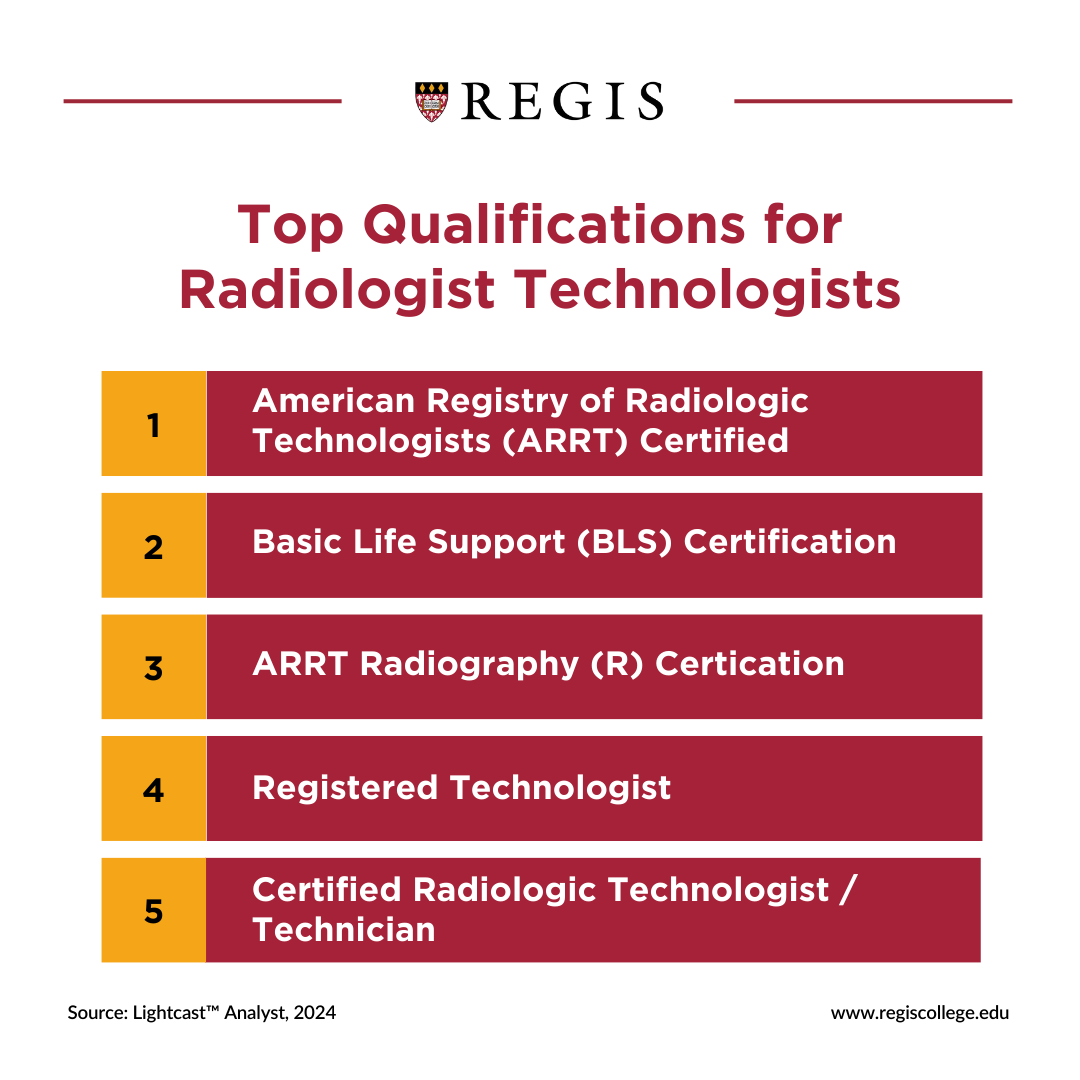
Credit: www.regiscollege.edu
Frequently Asked Questions
What Are The Main Duties Of A Radiology Tech?
A radiology tech operates imaging equipment to create X-rays and scans. They assist doctors in diagnosing medical conditions accurately and safely. They also prepare patients, position them correctly, and ensure image quality meets medical standards.
How Long Does It Take To Become A Radiology Tech?
Becoming a radiology tech typically requires 2 to 4 years of education. This includes an associate’s degree or a bachelor’s degree in radiologic technology. Certification and licensure may also be required depending on the state.
What Skills Are Essential For A Radiology Tech?
Key skills include attention to detail, technical proficiency, and patient care. Radiology techs must understand anatomy, operate complex machines, and communicate clearly with patients and medical staff. Physical stamina and critical thinking are also important.
What Work Environment Do Radiology Techs Typically Have?
Radiology techs usually work in hospitals, clinics, or diagnostic imaging centers. The environment is clinical and fast-paced. They may work full-time, including nights or weekends, depending on the healthcare setting and patient needs.
Conclusion
Radiology techs play a crucial role in healthcare. They operate imaging equipment safely. They help doctors diagnose medical conditions. Training and skills are essential for their job. They ensure patient comfort during procedures. Their work demands precision and attention to detail.
Radiology techs also manage patient records carefully. Their expertise supports effective treatments. They are a vital part of medical teams. Their dedication improves patient care every day. Considering this career can be rewarding. It offers growth and stability. Understanding their role helps appreciate their contribution to health services.