Have you ever wondered who turns complex technology into clear, simple instructions you can easily follow? That’s where a tech writer steps in.
If you’ve ever struggled with a confusing manual or wished a gadget came with better guidance, you’ll want to know what a tech writer really does. This article will uncover how these professionals make your life easier by breaking down complicated info into plain language.
Keep reading, and you’ll discover why tech writers are key players behind every user-friendly product and service you use daily.

Credit: bradley-nice.medium.com
Role Of A Tech Writer
The role of a tech writer goes far beyond just putting words on a page. You become the bridge between complex technology and the people who need to understand it. Your work ensures users, developers, and stakeholders can easily grasp technical details without confusion.
Creating Clear Documentation
As a tech writer, your primary job is to create clear, precise documentation. This can include user manuals, online help files, API guides, or software release notes. Clear documentation helps users solve problems quickly and reduces support requests.
Imagine trying to fix a device without a manual. Your writing prevents that frustration by guiding users step-by-step. Every instruction you write needs to be simple and actionable.
Collaborating With Teams
You don’t work in isolation. Tech writers collaborate closely with engineers, product managers, and customer support teams. This teamwork helps you gather accurate information and understand the product deeply.
Sometimes, engineers may use jargon that confuses users. It’s your job to ask the right questions and translate their language into something user-friendly. Have you ever noticed how much smoother a project runs when communication is clear?
Simplifying Complex Information
Technical concepts can be hard to follow. Your challenge is to break down these complex ideas into simple language anyone can understand. This requires empathy and a strong grasp of the subject matter.
For example, explaining how a blockchain works to a non-technical audience demands careful choice of words and examples. You must think about what your readers already know and what they need to learn next.
Can you spot the difference between confusing jargon and clear explanation in your own writing? That awareness is key to your success as a tech writer.

Credit: medium.com
Essential Skills
Technical writing demands a unique set of skills to explain complex ideas clearly. Essential skills help tech writers create useful and easy-to-understand content. These skills improve communication between experts and users.
Strong Writing Abilities
Clear and simple writing is the core of technical writing. Tech writers use short sentences and common words. They organize ideas logically to guide readers step by step. Good grammar and correct spelling build trust with the audience.
Technical Knowledge
Understanding the subject is vital for accurate content. Tech writers study software, hardware, or processes related to their projects. This knowledge helps them explain terms and concepts correctly. It also lets them ask the right questions to experts.
Research Proficiency
Research skills help writers find reliable information fast. They check manuals, websites, and interviews for facts. Good research avoids mistakes and adds credibility. It also helps update content as technology changes.
Attention To Detail
Details matter in technical documents. Writers check facts, figures, and instructions carefully. They ensure consistency in style and format. Attention to detail prevents confusion and errors, making the content more professional.
Tools And Technologies
Tech writers rely on a variety of tools and technologies to create clear, precise, and user-friendly documentation. These tools help organize content, maintain consistency, and enhance the visual appeal of technical documents. Understanding these tools can improve your efficiency and the quality of your work.
Authoring Software
Authoring software is where most tech writing begins. Programs like Microsoft Word and Google Docs are common for drafting, but advanced tools like MadCap Flare and Adobe FrameMaker offer specialized features for complex documents.
These tools help you manage large documents, create templates, and automate repetitive tasks. Have you noticed how much faster you can work when you use keyboard shortcuts and style guides built into these programs?
Content Management Systems
Content Management Systems (CMS) help tech writers store, organize, and update documentation efficiently. Systems like Confluence, SharePoint, and Drupal allow multiple contributors to collaborate and keep content current.
Using a CMS means you can track changes easily and avoid version confusion. Think about how much smoother your workflow could be with a centralized system that keeps all your files and feedback in one place.
Graphic And Multimedia Tools
Visuals often clarify complex information better than words alone. Tools such as Adobe Illustrator, Snagit, and Camtasia enable you to create and edit images, screenshots, and videos that support your text.
Including clear graphics or short video tutorials can reduce user confusion and support different learning styles. When was the last time a well-placed diagram saved you from rereading a confusing paragraph?
Credit: medium.com
Types Of Documentation
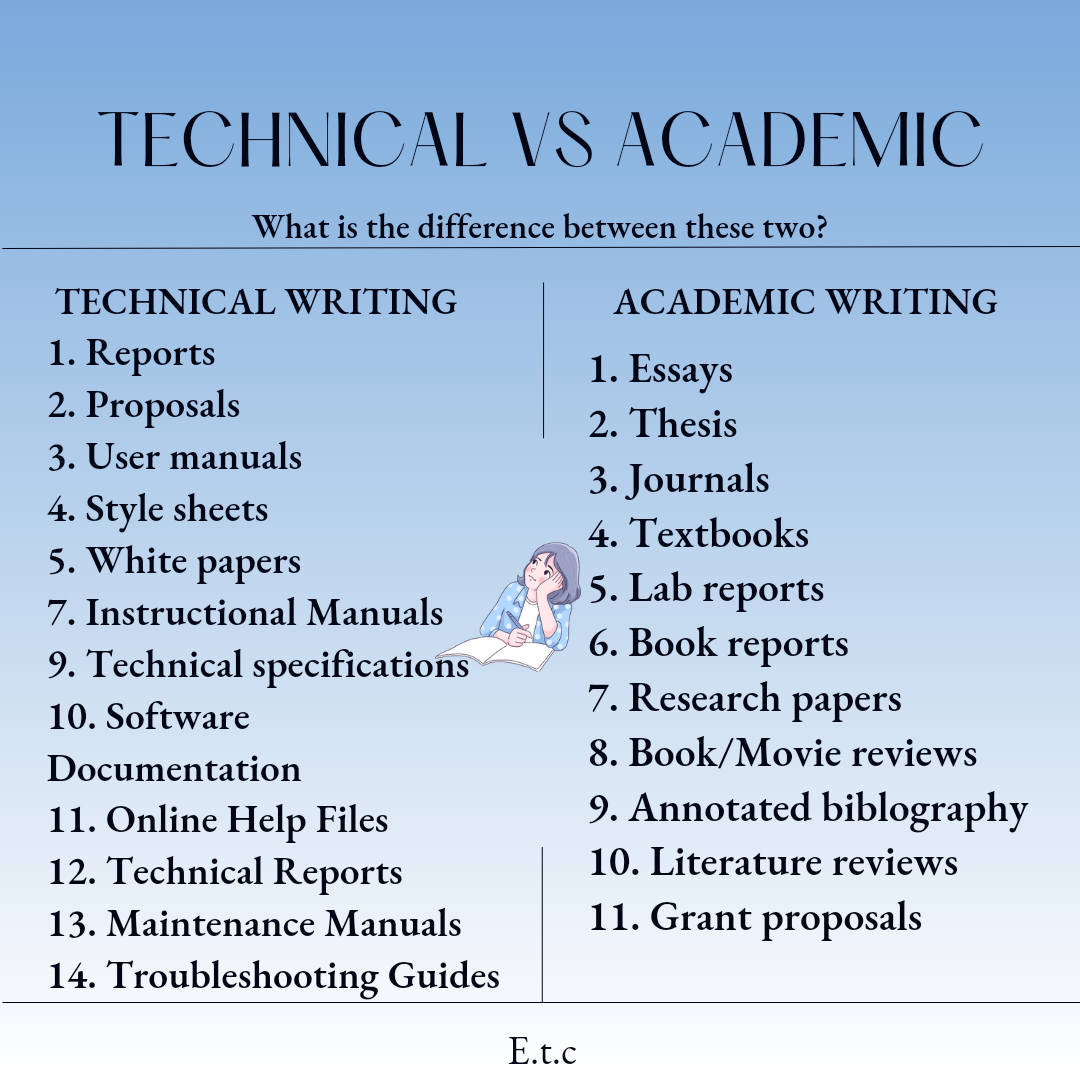
Tech writers create various types of documentation to help users understand and use technology effectively. Each type serves a specific purpose and targets different audiences. Understanding these types can give you a clearer picture of what tech writing really involves.
User Manuals
User manuals guide customers through setting up and using a product. They break down complex steps into easy-to-follow instructions. Have you ever struggled with a device until you found a clear manual that made everything click? That’s the power of good user manuals.
These manuals often include diagrams, safety tips, and troubleshooting sections. Your job as a tech writer is to make sure anyone, regardless of their skill level, can get the product working smoothly.
Api Documentation
API documentation is designed for developers who need to understand how to interact with software components. It explains functions, classes, and protocols with precise examples and code snippets. If you’ve ever used a piece of software and wondered how it connects to other tools, API docs are the answer.
Writing this type of documentation requires you to think like a programmer while keeping explanations clear. You help developers save time by providing accurate, concise details that prevent guesswork.
Online Help Guides
Online help guides offer quick answers and solutions for users navigating software or websites. They are usually searchable and broken into bite-sized topics. Think about the last time you clicked “Help” and found a step-by-step fix within seconds—that’s what these guides deliver.
Your role involves anticipating common questions and organizing information so users find what they need fast. Good online guides reduce frustration and support calls, making your work invaluable.
Release Notes
Release notes inform users about new features, bug fixes, and improvements in software updates. They need to be clear and concise to keep users informed without overwhelming them. Have you ever skipped reading release notes because they were too technical or boring? That’s what you want to avoid.
Writing effective release notes means highlighting what truly matters to the user. It’s about balancing technical details with user-friendly language to keep everyone in the loop.
Challenges Faced
Tech writing may seem straightforward, but it comes with its own set of hurdles. You need to constantly adapt and find the right balance to keep your audience engaged and informed. Understanding these challenges helps you prepare for the realities of the job and improve your approach.
Keeping Up With Technology
Technology changes fast. What you wrote last month might be outdated today. Staying updated means you must read, test, and learn continuously.
When I first started, I struggled to keep pace with new tools. But focusing on key trends and subscribing to niche newsletters helped me stay ahead. What sources do you trust for your tech updates?
Balancing Technical And User Language
You write for experts and beginners at the same time. Too much jargon confuses readers; too little detail frustrates experts. Finding that middle ground takes practice.
One tip is to use simple language first, then add technical terms with clear explanations. Imagine explaining the concept to a curious friend who’s new to the topic. How do you decide which terms to simplify or explain?
Meeting Deadlines
Deadlines can be tight, especially when you depend on developers for information. Waiting too long for inputs can put your entire schedule at risk.
Setting clear timelines with your team and breaking your work into smaller tasks keeps you on track. I’ve found that early drafts, even if rough, open communication and speed up reviews. How do you handle pressure when the clock is ticking?
Career Path And Growth
Understanding the career path and growth opportunities in tech writing can help you plan your future wisely. The field offers a clear progression from beginner roles to advanced positions. Growth depends on your ability to learn continuously and adapt to new technologies and writing styles.
Entry-level Roles
Starting out, you might work as a junior technical writer or documentation assistant. These roles focus on creating basic manuals, FAQs, and product guides. You’ll often collaborate closely with developers and engineers to gather information.
Early on, your goal is to develop strong writing skills and understand technical concepts. Can you break down complex ideas into simple language that anyone can understand? This skill is key to moving forward.
Advanced Positions
As you gain experience, opportunities open up for roles like senior technical writer, content strategist, or documentation manager. These positions involve overseeing projects and mentoring junior writers.
You may also specialize in areas such as API documentation, user experience writing, or instructional design. At this stage, leadership and strategic thinking become just as important as writing skills.
Continuous Learning
The tech world changes fast, so staying current is essential. You’ll need to learn new software, writing tools, and keep up with industry trends.
Consider attending workshops, webinars, and conferences. Networking with other tech writers can provide fresh perspectives and job opportunities.
Have you thought about how you’ll keep your skills sharp as technology evolves? Your commitment to learning can define your long-term success in this career.
Frequently Asked Questions
What Skills Do Tech Writers Need?
Tech writers need strong writing, research, and communication skills. They must understand complex technical concepts and explain them clearly. Familiarity with tools like Microsoft Word, Adobe FrameMaker, and content management systems is crucial. Attention to detail and the ability to work collaboratively with engineers and developers are also important.
How Do Tech Writers Create Documentation?
Tech writers gather information from subject matter experts and research technical topics. They organize content logically and use clear, concise language. Technical writers often use style guides to maintain consistency. They may utilize tools like DITA XML, Markdown, or other structured authoring environments to produce high-quality documentation.
Why Is Tech Writing Important?
Tech writing ensures users understand how to use products effectively. It reduces support costs by providing clear instructions. Well-written documentation enhances user experience and satisfaction. It helps bridge the gap between complex technology and end-users, ensuring efficient product utilization and minimizing errors during implementation.
What Industries Employ Tech Writers?
Tech writers are employed across various industries, including software, hardware, healthcare, finance, and manufacturing. They create user manuals, online help, and technical documentation. Companies in these sectors rely on tech writers to convey complex information clearly, ensuring users can operate products and systems efficiently.
Conclusion
A tech writer explains complex ideas in simple words. They help users understand technology clearly and quickly. Writing guides, manuals, and FAQs are their common tasks. They work closely with engineers and designers. Clear communication improves user experience and product success.
Tech writers play a key role in technology fields. Anyone interested in writing and technology can explore this career. It offers learning, creativity, and steady demand. Understanding what a tech writer does helps appreciate their work better.