What Does a Ultrasound Tech Do: Essential Roles Explained
Have you ever wondered what an ultrasound tech does behind the scenes? If you’re curious about how these skilled professionals help doctors see inside the body without surgery, you’re in the right place.
Understanding the role of an ultrasound tech can open your eyes to a fascinating career or simply satisfy your curiosity about medical imaging. By the end of this article, you’ll know exactly what goes into their work and why it matters to your health.
Keep reading to discover the important tasks ultrasound techs perform every day.
Credit: nomadhealth.com
Daily Duties
Understanding the daily duties of an ultrasound tech reveals how much precision and care go into their work every day. Their tasks are not just technical but also deeply human, requiring attention to detail and empathy. Let’s break down what a typical day looks like for these healthcare professionals.
Preparing Equipment
Before starting any scan, ultrasound techs carefully prepare their equipment. This includes checking the ultrasound machine, cleaning the transducers, and setting up the right settings for each specific type of scan. Proper preparation ensures clear images and accurate results, which are crucial for diagnosis.
Have you ever wondered how much time goes into just setting up before the actual scan begins? This stage can sometimes take as long as the scan itself, highlighting the importance of being thorough and organized.
Conducting Scans
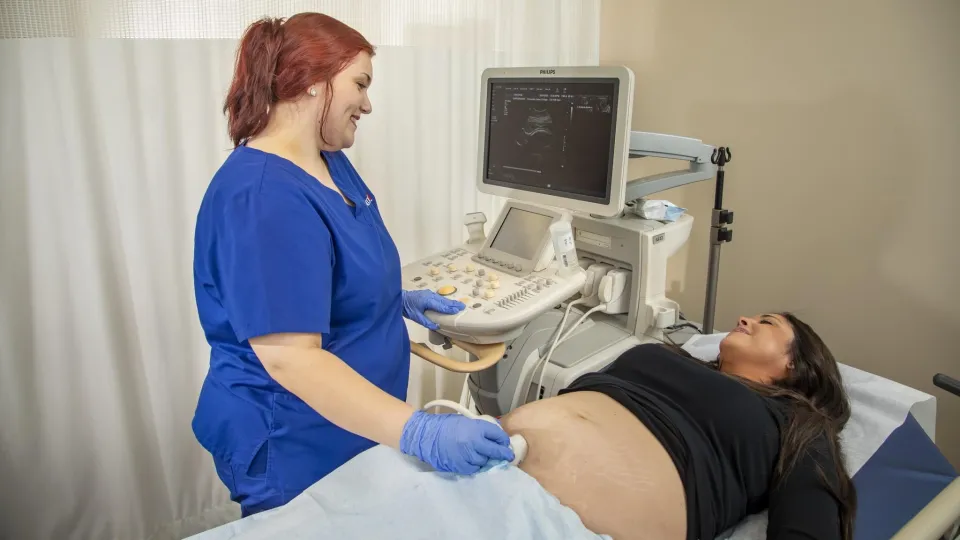
Performing the ultrasound scan is the core of the job. Techs position the patient and apply gel to improve sound wave transmission. They then move the transducer carefully to capture images of organs, tissues, or blood flow.
During this process, the tech must be highly observant, adjusting angles and settings to get the clearest images. This hands-on work demands steady hands and a deep understanding of anatomy. Have you ever thought about how each image can tell a different story, depending on the tech’s skill?
Patient Interaction
Ultrasound techs don’t just work with machines; they work with people. Explaining the procedure, answering questions, and comforting nervous patients are vital parts of the job. Building trust helps patients relax, which often leads to better scan results.
Techs must be patient and clear in their communication, especially since many patients may be anxious or unfamiliar with the process. Have you noticed how much a calm voice and friendly attitude can ease your worries during medical tests?
Technical Skills
Technical skills form the backbone of an ultrasound tech’s daily responsibilities. These skills go beyond just pressing buttons—they require precision, attention to detail, and a deep understanding of the machines and images involved. Mastering these skills allows you to provide accurate diagnostic information that doctors rely on for patient care.
Operating Ultrasound Machines
Operating ultrasound machines involves more than turning the device on and off. You need to adjust settings like frequency, depth, and gain to capture the clearest images possible. Each patient and procedure demands a different approach, so your ability to quickly adapt the machine’s controls is essential.
Have you ever considered how much your knowledge of anatomy influences the way you handle the machine? Understanding body structures helps you position the probe correctly to avoid retakes and reduce patient discomfort.
Image Analysis
Image analysis is a critical skill that requires a trained eye to distinguish between normal and abnormal findings. You must evaluate the images in real-time, identifying any irregularities that need further medical attention. This skill improves with experience, making your role vital in the diagnostic process.
Think about the last time you noticed something unusual on a scan—how did your technical knowledge help you decide whether to capture additional views or alert the physician? Your ability to analyze images can directly impact patient outcomes.
Maintaining Equipment
Proper maintenance of ultrasound equipment ensures consistent performance and patient safety. You should regularly clean the probes, check for damages, and perform basic troubleshooting to prevent downtime. Knowing when to call for professional repairs can save time and avoid costly disruptions.
Have you ever encountered a machine malfunction during a scan? How you handle such situations reflects your preparedness and technical competence. Keeping equipment in top shape supports your efficiency and the quality of your work.
Work Environments
Ultrasound technicians work in different places. Their work environment affects daily tasks and patient interaction. Each setting requires specific skills and offers unique experiences.
Hospitals
Hospitals are busy and fast-paced. Ultrasound techs handle many cases daily. They work with doctors in emergency and maternity wards. The job demands quick thinking and precise imaging. Techs often see patients with serious health issues.
Clinics
Clinics offer a calmer environment. Ultrasound techs perform routine scans here. They build closer relationships with patients. The pace is slower than in hospitals. Techs often explain procedures and answer questions. Clinics focus on preventive care and follow-ups.
Specialized Centers
Specialized centers focus on specific medical fields. Examples include cardiology or women’s health centers. Ultrasound techs use advanced machines for detailed scans. They work with expert doctors and teams. This environment demands deep knowledge of specialty areas. Techs often handle complex cases and research tasks.
Credit: www.concorde.edu
Specializations
Ultrasound technicians don’t just perform one type of scan. They often specialize in specific areas, allowing them to develop deep expertise and provide more accurate results. Understanding these specializations can help you appreciate the variety within this career and see where your interests might fit.
Obstetric Ultrasound
Obstetric ultrasound is one of the most recognized specializations. It involves scanning pregnant women to monitor the health and development of the fetus.
As an ultrasound tech in this field, you’ll detect fetal growth, check for abnormalities, and even determine the baby’s gender. Imagine the joy and responsibility of helping expectant parents see their child for the first time. It’s a role that demands precision and empathy.
Cardiac Ultrasound
Cardiac ultrasound, or echocardiography, focuses on the heart. Technicians capture detailed images of heart structures and function to assist cardiologists.
This specialization requires understanding complex heart anatomy and being able to spot irregularities like valve issues or heart defects. If you enjoy fast-paced environments and critical diagnostics, cardiac ultrasound might be a perfect fit. Have you ever wondered how heart health is tracked without invasive procedures?
Abdominal Ultrasound
Abdominal ultrasound covers a broad area, including organs like the liver, kidneys, and gallbladder. It’s a crucial tool for diagnosing abdominal pain or diseases.
Techs in this specialization must skillfully navigate different organs and identify problems such as tumors, cysts, or blockages. It’s a chance to contribute directly to patient care by providing clear images that guide treatment decisions. What’s fascinating is how much information you can gather just from sound waves.
Education And Training
Becoming an ultrasound tech requires more than just an interest in medical imaging. It demands solid education and ongoing training to ensure you can operate complex equipment and interpret images accurately. Your journey starts with foundational learning and continues with certifications and updates throughout your career.
Required Degrees
Most ultrasound techs begin with an associate degree in diagnostic medical sonography, which usually takes about two years to complete. Some choose to pursue a bachelor’s degree for deeper knowledge and better job prospects. These programs cover anatomy, physics, patient care, and hands-on ultrasound practice.
Community colleges and universities offer these degrees, often with clinical internships included. If you’re switching careers, there are also certificate programs designed for healthcare professionals who want to specialize in sonography.
Certification Process
Certification validates your skills and boosts your credibility with employers. The American Registry for Diagnostic Medical Sonography (ARDMS) is the leading organization that offers certification exams. To qualify, you usually need to complete an accredited education program and pass a two-part exam covering general and specialty knowledge.
Getting certified in specific areas like abdominal, obstetrics, or vascular sonography can increase your job options. Think about which specialties interest you most before choosing your certification path.
Continuing Education
Technology and medical standards change fast, so continuing education is essential. Most certifications require you to earn continuing medical education (CME) credits every few years to keep your credentials active. These credits come from workshops, online courses, or conferences.
Keeping up with new ultrasound techniques and equipment not only maintains your certification but also improves your skills and patient care. How do you plan to stay updated in such a rapidly evolving field?

Credit: www.cambridgehealth.edu
Challenges Faced
Working as an ultrasound tech involves more than just operating machines and capturing images. You will encounter several challenges that test your physical stamina, emotional resilience, and ability to keep up with rapid technological changes. Understanding these challenges can prepare you better for a rewarding career in this field.
Physical Demands
Your job requires long hours on your feet, often in awkward positions to get the perfect image. Repetitive movements, like holding the probe steady and applying pressure, can lead to strain or injury over time.
Many ultrasound techs develop shoulder, wrist, or back pain. How will you protect your body while maintaining precision? Stretching regularly and using ergonomic tools can help reduce these risks.
Emotional Stress
You’ll frequently work with patients who are anxious or facing serious health concerns. Delivering clear, compassionate communication while focusing on your technical tasks can be emotionally draining.
Imagine scanning a nervous pregnant woman or a patient awaiting a critical diagnosis. Your ability to stay calm and supportive impacts their experience and your own mental well-being.
How do you manage emotional burnout? Finding a balance between empathy and professional detachment is key.
Technological Updates
The field of medical imaging advances quickly. New ultrasound machines and software updates require you to continuously learn and adapt.
Staying current means attending workshops, certifications, and self-study. What strategies will you use to keep your skills sharp without feeling overwhelmed?
Being proactive about learning ensures you provide the best care and stay competitive in your career.
Career Outlook
The career outlook for ultrasound technicians is promising and stable. Demand for their skills grows as healthcare needs increase. Ultrasound techs play a key role in diagnostics, helping doctors see inside the body without surgery.
Opportunities exist in hospitals, clinics, and imaging centers. The field offers good job security and chances to work in various specialties.
Job Growth
The need for ultrasound techs is expected to rise faster than average. Aging populations and advances in medical imaging drive this growth. Job openings will increase in many healthcare settings.
Salary Expectations
Ultrasound technicians earn competitive wages. Salaries vary by location, experience, and workplace type. Entry-level techs earn less, but wages grow with skill and time.
| Experience Level | Average Annual Salary |
|---|---|
| Entry-Level | $55,000 |
| Mid-Level | $70,000 |
| Experienced | $85,000+ |
Advancement Opportunities
Ultrasound techs can advance by gaining certifications in specialties. Leadership roles in departments or education are options. Some techs move into sales or technical support for imaging equipment.
Frequently Asked Questions
What Is The Role Of An Ultrasound Tech?
An ultrasound tech, or sonographer, operates imaging equipment to capture images of organs and tissues. They assist doctors in diagnosing conditions by providing clear images. Their role involves patient interaction, equipment maintenance, and sometimes explaining procedures to patients to ensure comfort and understanding.
How Do Ultrasound Techs Prepare For Procedures?
Ultrasound techs prepare by reviewing patient history and ensuring equipment functionality. They position patients correctly and apply gel for better image quality. Their preparation helps in obtaining clear, accurate images, which are crucial for proper diagnosis and treatment planning.
What Skills Are Essential For Ultrasound Techs?
Key skills include attention to detail, technical proficiency, and strong communication abilities. Ultrasound techs must interpret images accurately and understand anatomy. They also need patience and empathy to handle patient concerns, ensuring a comfortable and informative experience for everyone involved.
Are Ultrasound Techs Involved In Patient Diagnosis?
Ultrasound techs are not directly involved in diagnosing patients. They provide detailed images that aid doctors in diagnosis. Their expertise ensures high-quality imaging, but medical diagnosis is performed by physicians based on the images and other relevant information.
Conclusion
Ultrasound techs play a key role in healthcare every day. They use special machines to create images inside the body. These images help doctors find problems and treat patients. The job requires skill, care, and attention to detail. It also offers chances to work closely with people.
For those interested in health and technology, it can be a good career choice. Understanding what ultrasound techs do helps appreciate their important work. They make a real difference in many lives.