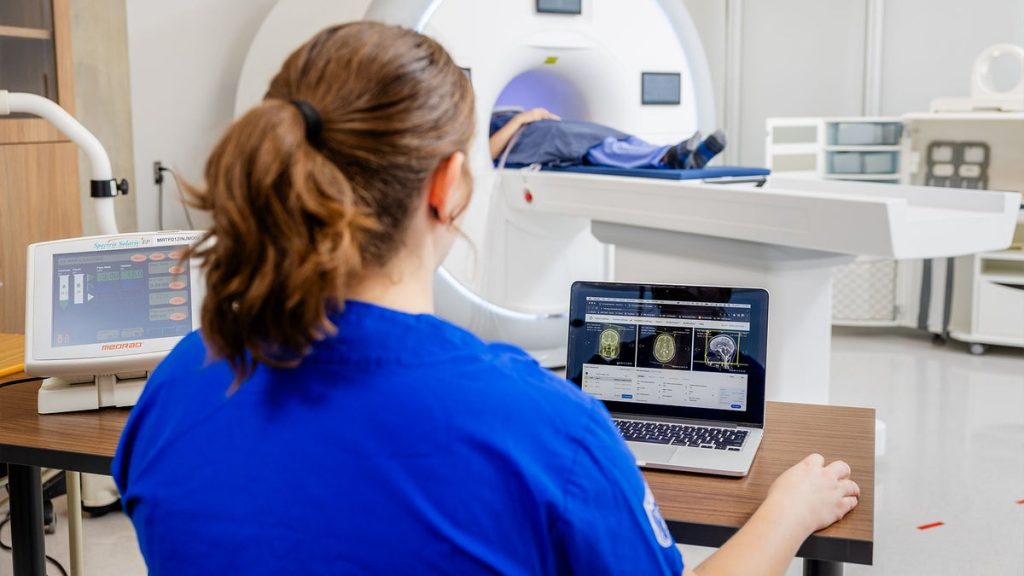
Have you ever wondered what happens behind the scenes when you get an MRI scan? Understanding what an MRI tech does can help ease any worries you might have about the process.
These skilled professionals play a key role in capturing detailed images of your body, helping doctors find answers quickly and accurately. If you want to know how they work, what skills they need, and why their job matters to your health, keep reading.
This article will give you clear insights into the vital role of an MRI tech—and why they could be one of the most important people in your medical journey.

Credit: www.medicalimagingsource.com
Role Of An Mri Tech
The role of an MRI tech goes beyond just operating machines. You act as the bridge between complex technology and patient care. Your work ensures that doctors get clear images to diagnose health issues accurately.
Daily Responsibilities
Each day, you handle multiple tasks that keep the imaging process smooth. Scheduling scans, maintaining patient records, and ensuring machine functionality are part of your routine. You also need to stay updated on safety protocols to protect yourself and patients.
Think about the precision needed when positioning patients and adjusting settings. Small mistakes can lead to unclear images, causing delays in diagnosis. Your attention to detail directly impacts patient outcomes.
Patient Preparation
Preparing patients is more than just explaining the procedure. You assess their medical history and screen for any metal implants or conditions that could affect the scan. This step is critical to avoid risks and ensure accurate results.
Calming nervous patients is part of your job, too. Your ability to communicate clearly and empathetically helps reduce anxiety, making the scan easier for everyone involved. Have you ever noticed how a simple reassurance can change a patient’s entire experience?
Operating Mri Machines
Operating the MRI machine requires technical skill and focus. You set up the equipment, select scan parameters, and monitor images in real time. Adjusting settings based on the patient’s condition ensures the best image quality.
Besides technical know-how, troubleshooting skills come in handy when machines act up. You often solve issues on the spot to keep the workflow uninterrupted. Your role here is both technical and problem-solving, demanding a sharp mind and steady hands.
Skills And Qualifications
Understanding the skills and qualifications needed to become an MRI tech is essential if you want to pursue this career. These requirements ensure you can operate complex imaging equipment while providing patient care with professionalism and accuracy. Let’s break down what you need to succeed in this role.
Educational Requirements
Most MRI techs start with an associate degree in radiologic technology or a related field. Some may choose to complete a bachelor’s degree for more advanced opportunities.
Programs typically include courses in anatomy, patient care, and medical imaging technology. Hands-on clinical experience is a must to build confidence with MRI machines and patient interaction.
Certification through organizations like the American Registry of Radiologic Technologists (ARRT) often follows education. This credential proves you meet industry standards and can handle the responsibilities safely.
Technical Skills
Operating MRI scanners requires strong technical knowledge. You must understand how to position patients correctly to get clear images while ensuring their comfort.
It’s important to know how to adjust machine settings based on the body part being scanned and the type of scan ordered. Mistakes here can lead to poor image quality or the need for retakes.
Additionally, you should be familiar with safety protocols to protect patients and yourself from magnetic fields and contrast agents. Can you imagine the consequences of overlooking these safety measures?
Interpersonal Skills
Working closely with patients is a big part of the job. You’ll often deal with people who feel anxious or uncomfortable in the MRI environment.
Clear communication helps you explain procedures and ease fears. Patience and empathy build trust, making scans smoother and more efficient.
Teamwork skills are also crucial. You’ll coordinate with radiologists, nurses, and other healthcare professionals regularly. How well you collaborate can directly impact patient outcomes and workflow efficiency.
Work Environment
Understanding the work environment of an MRI tech gives you a clearer picture of what to expect in this career. It’s more than just operating machines; it involves interacting with patients and working closely with healthcare teams. Your daily surroundings and schedule can vary widely depending on where you work.
Typical Settings
MRI techs usually work in hospitals, outpatient imaging centers, or specialized diagnostic clinics. Each setting has its own pace and atmosphere. For instance, hospitals often require quick responses to emergency scans, while outpatient centers may have a more predictable schedule.
You might also find yourself working in research facilities or mobile imaging units. These places sometimes offer a quieter environment but demand flexibility in handling diverse patient needs. Have you thought about which setting fits your personality and lifestyle better?
Work Hours And Conditions
Most MRI techs work full-time, but shifts can vary. Hospitals often require evening, night, or weekend shifts, especially in emergency departments. In contrast, outpatient centers generally stick to regular business hours, giving you more routine.
The work involves standing for long periods and occasionally helping patients who have limited mobility. You’ll need to be comfortable with close contact and maintaining focus during detailed scans. How would you handle the physical and mental demands that come with these conditions?
Safety And Protocols
Safety and protocols are at the heart of an MRI technologist’s responsibilities. You might not realize how much care goes into protecting patients during MRI scans. Every step, from preparation to execution, follows strict guidelines to ensure no harm comes to anyone involved.
Patient Safety Measures
Ensuring patient safety starts with thorough screening. MRI techs ask detailed questions about implants, metal objects, or medical devices that could react dangerously to the magnetic field.
They also make sure the patient understands the procedure, reducing anxiety and improving cooperation. Comfort items like earplugs or blankets can make a big difference during the scan.
Constant communication is key. The tech stays in touch with the patient through an intercom, ready to pause the scan if the patient feels uncomfortable or experiences pain.
Handling Emergency Situations
Emergencies during MRI scans are rare but can happen. MRI techs are trained to respond swiftly, prioritizing patient safety above all.
If a patient shows signs of distress or a medical emergency occurs, the tech immediately stops the scan and calls for help. Quick removal from the magnetic field is crucial if there’s any threat from metal objects or devices.
You might wonder how a technologist manages this high-pressure environment. Their training includes regular drills for fire, cardiac arrest, and other emergencies, ensuring they act confidently and effectively.
Career Growth And Opportunities
Choosing a career as an MRI technologist offers many paths for growth and new opportunities. The healthcare field values skilled MRI techs who want to improve their skills and take on new roles. This job can evolve into various positions that offer higher pay and more responsibility. Continuous learning also plays a big role in career success and satisfaction.
Advancement Paths
MRI technologists can advance by gaining experience and additional certifications. Some move into specialized imaging areas like CT scans or mammography. Others choose supervisory roles, managing teams of technologists. Teaching new students or working in sales for medical equipment are other options. Advancement often means better pay and a more stable career.
Continuing Education
Continuing education keeps MRI techs up to date with the latest technology and safety standards. Courses and workshops help improve skills and knowledge. Many employers support further education through tuition assistance. Certifications from professional bodies boost credibility and job prospects. Learning does not stop after the first job; it is a lifelong process in this field.

Credit: uk.scan.com
Common Challenges
Working as an MRI technologist comes with its own set of challenges. These hurdles test your technical skills and your ability to connect with patients on a personal level. Understanding these common difficulties can prepare you to handle them more effectively in your daily work.
Technical Difficulties
Technical issues can arise unexpectedly during MRI scans, causing delays and frustration. Machines may malfunction, software updates might interrupt workflow, or image quality could suffer due to equipment limitations.
Imagine running a scan and suddenly the images appear blurry or incomplete. Troubleshooting quickly becomes essential, and knowing how to adjust settings or perform minor repairs saves time and improves patient care.
Do you have a strategy for staying calm and resourceful when technology fails you? Building strong problem-solving skills is key to overcoming these moments.
Patient Anxiety
Many patients feel nervous or claustrophobic inside the MRI machine. Their anxiety can make it harder to get clear images because they might move or struggle to stay still.
Communicating clearly and offering reassurance helps ease their fears. Simple techniques like explaining the process, playing calming music, or using cushions for comfort can make a big difference.
Have you ever noticed how a small gesture of empathy can turn a stressful scan into a smoother experience for your patient? Your ability to connect emotionally impacts the quality of the results as much as your technical expertise.

Credit: www.saskatchewan.ca
Frequently Asked Questions
What Are The Primary Duties Of An Mri Tech?
An MRI tech operates MRI machines to capture detailed images of the body’s internal structures. They prepare patients, ensure safety, and assist radiologists with image analysis.
How Does An Mri Tech Prepare Patients For Scans?
MRI techs explain procedures, position patients correctly, and screen for metal objects. They ensure comfort and reduce anxiety before and during the scan.
What Skills Are Essential For An Mri Tech Career?
Key skills include attention to detail, technical proficiency, patient care, communication, and knowledge of MRI safety protocols. These ensure high-quality imaging and patient safety.
How Long Does It Take To Become An Mri Tech?
Becoming an MRI tech typically requires 1-2 years of specialized training after high school, including certification and clinical experience.
Conclusion
MRI techs play a vital role in healthcare. They operate MRI machines. These machines capture images inside the body. Their work helps doctors diagnose conditions. MRI techs ensure patient safety. They explain procedures clearly. Their skills are crucial for accurate results.
Training and attention to detail are essential. They make complex technology accessible. Patients rely on their expertise. The healthcare system depends on them. Understanding their role provides insight into medical imaging. Their contributions are indispensable. MRI techs are dedicated professionals.
Their work supports effective treatment plans. They bridge technology with patient care.