What Does an Ultrasound Tech Do: Essential Roles Explained Clearly
Have you ever wondered what an ultrasound tech really does? If you’re curious about how medical images are created or thinking about a career in healthcare, this article is for you.
Understanding the role of an ultrasound tech can give you a clearer picture of how they help doctors see inside the body without surgery. Keep reading to discover what their daily work looks like, why their skills matter, and how they make a difference in patient care.
This could be the insight you’ve been looking for.
Daily Tasks Of An Ultrasound Tech
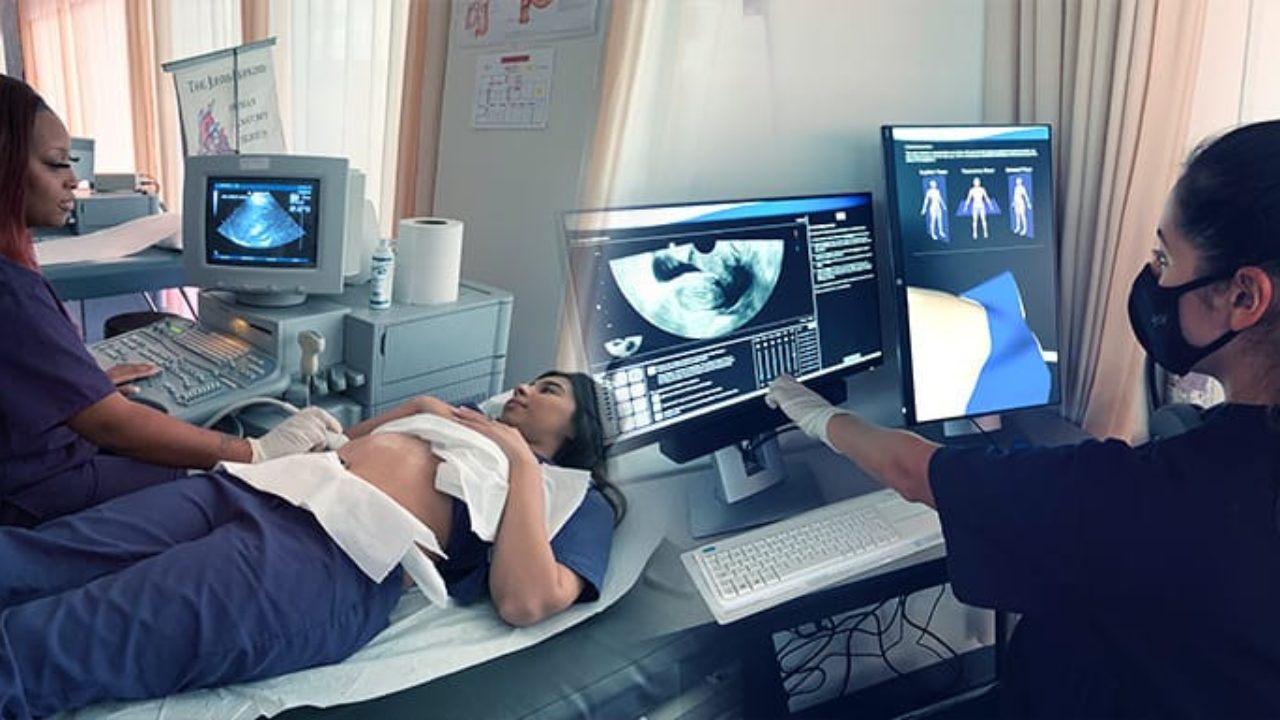
The daily tasks of an ultrasound tech are more than just pressing buttons and looking at screens. Each day involves a combination of patient care, technical skill, and detailed record-keeping. Understanding these tasks helps you appreciate the precision and dedication required in this role.
Preparing Patients For Scans
Before the scan begins, you help patients feel comfortable and informed. This might mean explaining the procedure in simple terms or answering their questions to ease any anxiety. You also ensure that patients follow any necessary preparations, like fasting or wearing loose clothing.
Think about how a calm patient can lead to clearer images. Have you ever noticed how a friendly approach changes the mood in a healthcare setting?
Operating Ultrasound Equipment
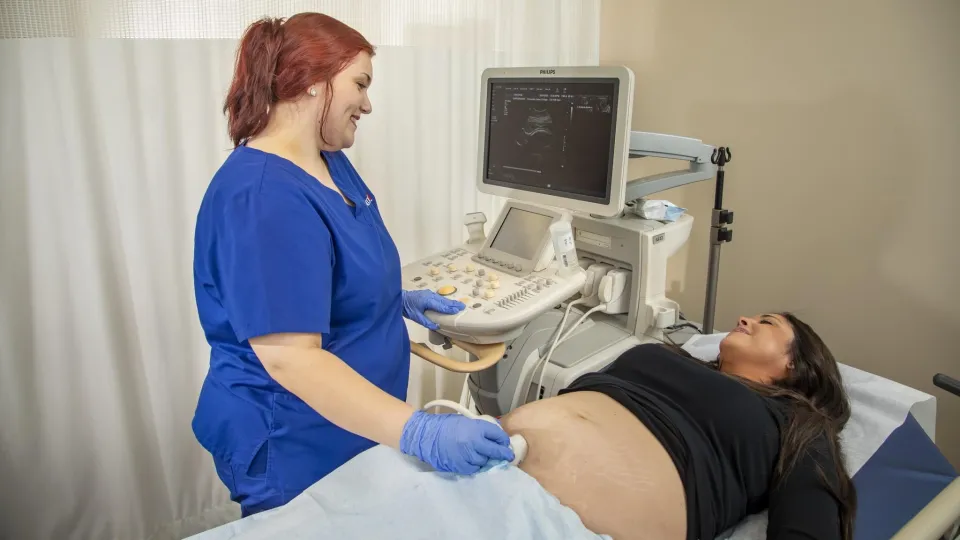
Handling ultrasound machines requires skill and attention to detail. You adjust settings and position the probe correctly to get the best view of the area being examined. This task demands steady hands and a deep understanding of the equipment’s capabilities.
You might be surprised how small changes in angle or pressure can affect the image quality. Are you ready to learn how these subtle adjustments make a big difference?
Capturing Quality Images
Capturing clear and accurate images is at the heart of your job. You must identify the right anatomical structures and ensure the images show what doctors need to see. This means working quickly but carefully, balancing speed and precision.
Have you thought about the impact your images have on patient diagnosis and treatment? Each photo can change a life.
Maintaining Patient Records
Keeping detailed and organized records is crucial. You log each scan, noting any findings or technical issues. These records support ongoing patient care and legal documentation.
Attention to detail here protects both you and the patients. How do you ensure accuracy when managing important information under time pressure?

Credit: www.cambridgehealth.edu
Key Skills Required
Ultrasound technicians need a unique blend of skills to perform their duties effectively. These skills ensure accurate imaging and positive patient experiences. Understanding what you need to succeed can help you prepare better for this career.
Technical Proficiency
Mastering the ultrasound equipment is essential. You must know how to operate machines, adjust settings, and troubleshoot issues quickly.
During my first week on the job, I encountered a machine glitch. Knowing the basics saved time and prevented patient delays. Can you imagine how much smoother your day would be if you were confident with every piece of equipment?
Attention To Detail
Ultrasound techs need sharp eyes to catch subtle differences in images. Missing small details can lead to incorrect diagnoses.
This skill goes beyond just looking closely; it means being methodical and patient. When you focus on every detail, you contribute directly to a doctor’s ability to treat patients accurately.
Communication Skills
Talking clearly with patients helps ease their anxiety. You explain procedures and answer questions, building trust along the way.
Good communication also means working well with doctors and nurses. You share findings and collaborate on patient care. How comfortable are you explaining complex information in simple terms?
Problem-solving Abilities
Sometimes, images don’t come out as expected. You must think quickly and adjust techniques to get the best results.
Problem-solving means being adaptable and creative. When I faced tricky cases, changing angles or settings made all the difference. How would you handle unexpected challenges during a scan?
Common Specializations
Ultrasound technicians have many areas of focus. Each specialization requires unique skills and knowledge. These specializations help technicians provide detailed images for specific body parts or conditions. Understanding these common areas shows how versatile ultrasound technology is.
Obstetric Ultrasound
Obstetric ultrasound is used to monitor pregnancies. It helps check the baby’s growth and health. Technicians capture images of the fetus inside the womb. These images assist doctors in detecting any issues early on. This specialization requires care and patience.
Abdominal Ultrasound
Abdominal ultrasound looks at organs in the belly. It examines the liver, kidneys, pancreas, and gallbladder. Technicians look for signs of disease or injury. This type of scan helps diagnose many common health problems. Accuracy is important to guide treatment plans.
Cardiac Ultrasound
Cardiac ultrasound, or echocardiography, focuses on the heart. It shows how well the heart pumps and beats. Technicians check heart valves and chambers. This helps doctors find heart diseases or damage. The work requires understanding heart function deeply.
Vascular Ultrasound
Vascular ultrasound studies blood flow in veins and arteries. It detects blockages or clots that affect circulation. Technicians use this to help prevent strokes or heart attacks. The images reveal how blood moves through the body. This specialization demands precision and alertness.
Credit: www.concorde.edu
Work Environments
Ultrasound technicians work in various settings. Each place offers a unique experience and set of responsibilities. Understanding these environments helps grasp the full scope of their work.
Hospitals And Clinics
Hospitals and clinics are common workplaces for ultrasound techs. They perform scans for inpatients and outpatients. These settings often require fast-paced work and teamwork. Techs assist doctors in diagnosing many conditions quickly. They handle emergency cases and routine check-ups alike.
Diagnostic Imaging Centers
Diagnostic imaging centers specialize in medical imaging services. Ultrasound techs here focus on detailed scans. They use advanced equipment to capture clear images. These centers usually have scheduled appointments. Techs spend time explaining procedures to patients.
Private Practices
Private practices may include obstetricians, cardiologists, or other specialists. Ultrasound techs support doctors by performing targeted scans. The environment is often more personal and slower-paced. Techs build closer relationships with regular patients. They may handle more specialized imaging tasks.
Research Facilities
Research facilities offer a different role for ultrasound techs. They assist in clinical studies and trials. Techs help develop new imaging techniques and tools. Work here involves careful data collection and analysis. The pace may vary depending on the project stage.
Challenges Faced By Ultrasound Techs
Ultrasound technicians play a crucial role in medical diagnostics, but their job comes with unique challenges that test both their skills and patience. Every day, they face situations that require more than technical know-how—they need empathy, quick thinking, and adaptability. Understanding these challenges can give you a clearer picture of what the profession demands beyond just operating machines.
Managing Patient Anxiety
Many patients feel nervous or scared during an ultrasound, especially if they’re awaiting important results. You must create a calm and reassuring environment, often explaining the procedure in simple terms to ease their worries.
Sometimes, patients may be uncooperative due to fear or discomfort. How do you maintain professionalism and patience while ensuring the scan is accurate? Developing strong communication skills is key to overcoming this hurdle.
Handling Equipment Limitations
Ultrasound machines are powerful but not perfect. You might encounter issues like poor image quality or outdated technology that makes capturing clear images difficult.
In these cases, your creativity and knowledge can make a difference—adjusting settings or repositioning the probe to get the best possible result. Have you ever had to improvise because the equipment wasn’t cooperating? That’s a common scenario in this field.
Maintaining Accuracy Under Pressure
Ultrasound techs often work in fast-paced environments where mistakes can affect patient care. You must stay focused and precise, even when faced with tight schedules or urgent cases.
Balancing speed with accuracy means developing strong time management and decision-making skills. What strategies do you use to avoid errors when the pressure is on?
Career Path And Growth
The career path of an ultrasound tech offers steady growth and many opportunities. This job involves using imaging equipment to help diagnose health issues. Many people choose this field for its blend of technology and patient care. The path begins with proper training and certification. Growth comes through experience, further education, and specialization.
Certification And Training
Most ultrasound techs start with a formal education program. These programs usually take 1 to 2 years. They cover anatomy, medical terminology, and ultrasound technology. After training, passing a certification exam is important. Certification shows employers the tech meets industry standards. Many states require certification to work legally.
Advancement Opportunities
Advancement can include roles like lead sonographer or department supervisor. Some techs specialize in areas like cardiac or vascular ultrasound. Specialization often leads to higher pay and more responsibility. Experience and strong skills open doors to teaching or sales roles. Ultrasound techs can also move into healthcare management.
Continuing Education
Continuing education keeps skills sharp and knowledge current. Many employers require ongoing training to maintain certification. This education may include workshops, courses, or conferences. Learning new techniques helps techs stay competitive. It also improves patient care and job satisfaction.

Credit: www.ivytech.edu
Frequently Asked Questions
What Are The Main Duties Of An Ultrasound Tech?
Ultrasound techs operate imaging equipment to capture body images. They assist doctors in diagnosing conditions by providing clear scans. They also prepare patients and maintain equipment for accurate results.
How Does An Ultrasound Tech Help In Medical Diagnosis?
Ultrasound techs produce real-time images of organs and tissues. These images help doctors identify abnormalities or monitor health. Their role is critical in early detection and treatment planning.
What Skills Are Essential For An Ultrasound Technician?
Key skills include attention to detail, technical proficiency, and patient care. Ultrasound techs must understand anatomy and operate complex imaging devices. Good communication skills help in explaining procedures to patients.
What Work Environments Do Ultrasound Techs Typically Have?
Ultrasound techs work in hospitals, clinics, and diagnostic labs. Some may specialize in fields like obstetrics or cardiology. Their work environment is usually clinical and fast-paced.
Conclusion
Ultrasound techs play a crucial role in healthcare. They provide essential diagnostic images. These images help doctors make informed decisions. Their work requires precision and care. Ultrasound techs use advanced equipment daily. They ensure patient comfort during procedures. Training and skill are vital for this job.
It’s a career with impact. It requires dedication and attention to detail. Consider exploring this rewarding path. It offers growth and fulfillment. Whether in hospitals or clinics, ultrasound techs are in demand. Their work enhances patient care significantly. Start your journey in this valuable profession today.