What Does an X Ray Tech Do: Essential Roles Explained Clearly
Have you ever wondered what happens behind the scenes when you get an X-ray? If you’re curious about the person who operates that machine and helps doctors see inside your body, you’re in the right place.
Understanding what an X-ray tech does can give you a new appreciation for the care you receive. Keep reading to discover how these skilled professionals play a key role in your health and why their job matters more than you might think.
Credit: www.betterteam.com
Skills And Qualifications
X-ray technicians play a vital role in healthcare. Their skills and qualifications ensure accurate imaging and patient safety. These professionals need a mix of education, technical ability, and personal traits. Each aspect supports their daily tasks and career growth.
Educational Requirements
X-ray techs typically complete a formal education program. This often includes an associate degree in radiologic technology. Programs teach anatomy, radiation safety, and imaging techniques. Clinical experience is a key part of learning. Certification or licensing is required in many states. It proves competence and meets legal standards.
Technical Skills Needed
- Operating X-ray and imaging equipment
- Positioning patients correctly for clear images
- Understanding anatomy to capture precise images
- Following safety protocols to protect patients and staff
- Maintaining and troubleshooting equipment
- Keeping detailed records of procedures
Soft Skills For Success
- Good communication to explain procedures clearly
- Empathy to comfort nervous patients
- Attention to detail for accurate imaging
- Patience during difficult or anxious situations
- Teamwork to coordinate with doctors and nurses
- Problem-solving to handle unexpected issues
Work Environment
Understanding the work environment of an X-ray technician is key to knowing what this career truly involves. The setting, hours, and safety measures shape your daily experience and impact how you perform your job. Let’s take a closer look at where and how X-ray techs work, so you can picture yourself in this role.
Typical Settings And Locations
X-ray technicians usually work in hospitals, outpatient clinics, and diagnostic imaging centers. You might find them in specialized departments like radiology or emergency rooms where quick imaging is critical.
Other common places include dental offices and veterinary clinics. Each location demands slightly different skills and equipment familiarity, so you’ll need to adapt depending on where you work.
Work Hours And Conditions
Work hours for X-ray techs often include shifts that cover evenings, nights, weekends, and holidays. Healthcare never stops, so flexibility is essential.
The job involves standing for long periods and sometimes helping move patients who have limited mobility. The environment can be fast-paced, especially in emergency settings, requiring you to stay alert and efficient.
Safety Measures And Protocols
Safety is a top priority because you work with radiation. Strict protocols protect both you and patients from unnecessary exposure.
- Wearing lead aprons and shields during procedures
- Regular equipment checks and maintenance
- Following precise positioning techniques to minimize repeat scans
Are you comfortable working in a role where safety rules are critical and must be followed without exception? This aspect can be challenging but also rewarding, knowing you protect lives while doing your job.

Credit: ccitraining.edu
Career Path And Growth
The career path of an X-ray tech offers steady growth and various opportunities. Starting with basic skills, professionals can advance through education and experience. The field values certification and specialized knowledge. This helps techs stand out and increase their job options. Growth often involves moving into specialized areas or leadership roles. The journey requires dedication and ongoing learning.
Certification And Licensing
Becoming an X-ray tech requires certification. Most states demand a license to practice. Certification proves you understand safety and technical skills. The American Registry of Radiologic Technologists (ARRT) offers a common certification. Passing the ARRT exam is often a key step. States may also require continuing education to keep the license active. Certification and licensing ensure quality care for patients.
Advancement Opportunities
Advancement depends on skills and experience. X-ray techs can move into supervisory roles. Some become department managers or trainers. Further education opens doors to advanced imaging techniques. A tech might specialize in MRI or CT scans. Others choose to teach in radiologic programs. Leadership roles often involve managing teams and schedules. The field offers many paths for career growth.
Specializations Within The Field
Specializing can improve job prospects and salary. Common areas include:
- MRI (Magnetic Resonance Imaging)
- CT (Computed Tomography)
- Mammography
- Bone Densitometry
- Radiation Therapy
Each specialty requires extra training and certification. Specializations allow techs to work with advanced equipment. They also focus on specific patient needs. Choosing a specialty can make work more interesting. It also helps in gaining expert knowledge.
Impact On Healthcare
The role of an X-ray technician extends far beyond simply taking images. Their work directly influences healthcare outcomes by providing crucial information that shapes patient care. Understanding their impact helps you appreciate the precision and teamwork behind every diagnostic image.
Contribution To Diagnosis And Treatment
X-ray techs capture detailed images that reveal the root of medical problems. These images help doctors identify fractures, infections, or abnormalities quickly.
Accurate X-rays can speed up diagnosis and lead to faster treatment decisions. Without these clear visuals, doctors might miss critical signs that affect patient recovery.
Collaboration With Medical Teams
X-ray technicians don’t work in isolation. They coordinate closely with radiologists, physicians, and nurses to ensure images meet diagnostic needs.
This teamwork means your care plan is based on clear, accurate information. Have you ever wondered how many hands are involved before your doctor even sees an X-ray?
Importance Of Accuracy And Precision
Even a small mistake in positioning or exposure can obscure important details in an X-ray. Techs must be meticulous to avoid retakes that delay diagnosis.
Precision in imaging means fewer errors and better patient outcomes. When you think about your own medical tests, how much do you trust that every image was done perfectly the first time?
Frequently Asked Questions
What Does An X-ray Tech Do Daily?
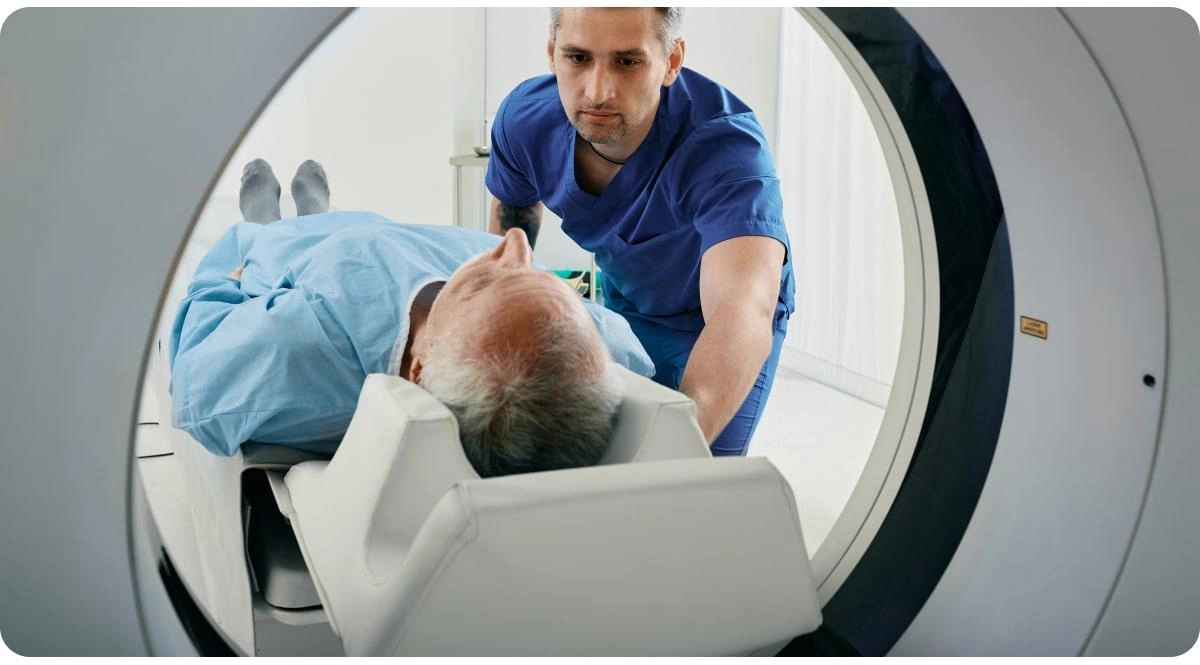
An X-ray tech operates imaging equipment and assists patients. They capture diagnostic images and ensure safety protocols. Their day involves preparing patients, maintaining equipment, and collaborating with healthcare teams. They play a crucial role in diagnosing medical conditions.
How Long Does It Take To Become An X-ray Tech?
Becoming an X-ray tech typically takes 2 years. Most programs offer associate degrees in radiologic technology. Training includes classroom instruction and clinical practice. Certification is usually required, which involves passing an exam. Continuous education is essential for staying updated.
Do X-ray Techs Work In Hospitals Only?
X-ray techs work in hospitals and other healthcare facilities. They can be found in clinics, imaging centers, and outpatient care centers. Some work in private practices or mobile imaging units. Their skills are versatile and applicable in various healthcare settings.
Are X-ray Techs Involved In Patient Care?
Yes, X-ray techs are actively involved in patient care. They ensure patient comfort and explain procedures. They help position patients correctly for imaging. Their interaction is important for accurate imaging results. They also follow safety protocols to protect patients.
Conclusion
X-ray techs help doctors see inside the body clearly. They operate machines safely and guide patients during scans. Their work is important for quick and accurate diagnosis. Every day, they assist in finding health problems early. This job needs skill, care, and attention to detail.
Understanding what an X-ray tech does shows their key role in healthcare. It is a profession that combines science and patient care closely. Many people rely on their expertise to stay healthy.

Similar Posts