What Does Ultrasound Tech Do: Unlocking Vital Medical Insights
Have you ever wondered what an ultrasound tech really does? If you’re curious about this important healthcare role, you’re in the right place.
Ultrasound techs play a key part in helping doctors see inside the body without surgery. But their job is much more than just pushing a button. You’ll discover the skills they use, the tools they work with, and why their work matters to your health.
Keep reading to find out how ultrasound techs make a difference every day.

Credit: www.concorde.edu
Role Of An Ultrasound Tech
The role of an ultrasound tech goes beyond just operating a machine. You act as a crucial link between the patient and the physician, providing clear images that help in diagnosing medical conditions. Your skills directly impact the accuracy of patient care, making your role both technical and compassionate.
Key Responsibilities
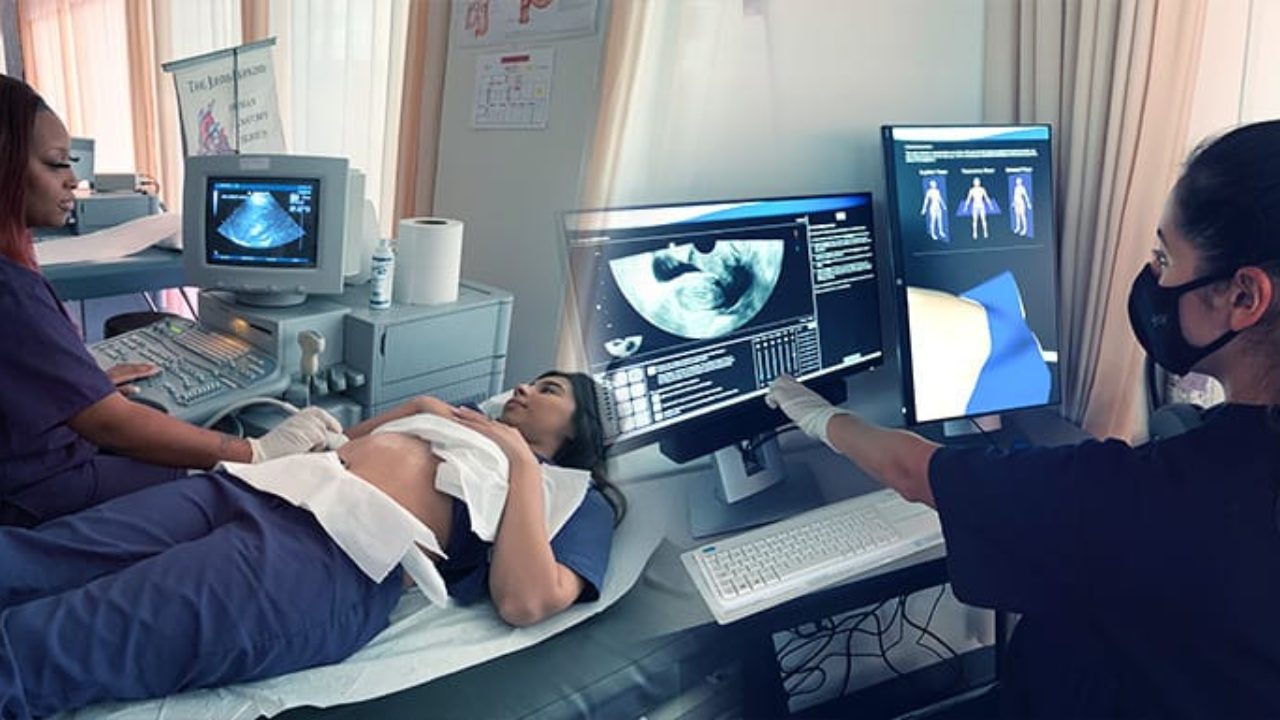
- Performing Ultrasound Exams:You capture images of internal organs, tissues, and blood flow using specialized equipment.
- Patient Preparation:Explaining procedures and ensuring patients are comfortable before and during the scan.
- Image Analysis:Checking images for clarity and completeness to assist doctors in making accurate diagnoses.
- Equipment Maintenance:Regularly cleaning and calibrating machines to ensure they work correctly and safely.
- Record Keeping:Documenting findings and updating patient records with relevant information from the scans.
Daily Tasks And Workflow
Your day starts with reviewing patient schedules and medical histories. This helps you prepare for specific imaging needs and anticipate any challenges.
During exams, you position patients carefully and adjust equipment settings to capture the best images. You must stay alert for any signs of discomfort or issues, responding quickly to ensure patient safety.
After each scan, you spend time reviewing and labeling images accurately. Then, you collaborate with radiologists or doctors, discussing any unusual findings you notice.
Have you ever thought about how your attention to detail in these daily tasks affects a patient’s treatment plan? Small actions you take can lead to life-changing decisions for someone else.

Credit: www.cambridgehealth.edu
Types Of Ultrasound Procedures
Ultrasound technology covers a wide range of procedures that allow healthcare providers to see inside the body without surgery. Each type of ultrasound focuses on different organs or systems, helping to diagnose or monitor specific conditions. Understanding these types can give you a clearer picture of what an ultrasound tech does every day.
Obstetric Ultrasound
This is one of the most familiar ultrasound procedures. It helps monitor the growth and health of a baby during pregnancy.
Ultrasound techs use this to check the baby’s heartbeat, position, and development. Have you ever wondered how parents get those early glimpses of their unborn child? This procedure is the answer.
Cardiac Ultrasound
Also known as an echocardiogram, this ultrasound focuses on the heart. It shows how well the heart is pumping and if there are any structural issues.
Techs capture real-time images of the heart’s chambers and valves. Imagine watching your heart beat live on a screen—that’s what this procedure offers.
Abdominal Ultrasound
This procedure examines organs like the liver, kidneys, gallbladder, and pancreas. It’s often used to investigate pain or swelling in the belly area.
Ultrasound techs help detect problems like gallstones or kidney stones without any discomfort. Could this non-invasive scan replace more invasive tests for you?
Vascular Ultrasound
This type looks at blood flow in the veins and arteries. It’s crucial for detecting blockages or blood clots.
Techs use it to assess circulation issues, especially in the legs and neck. Think about how important clear blood flow is—this scan can catch problems before symptoms show.
Skills And Training Required
Ultrasound technicians need a mix of education, technical skills, and personal abilities. Their job demands precision and care. Training prepares them to operate ultrasound machines and interact with patients effectively. The right skills and training ensure clear images and accurate results.
Educational Pathways
Most ultrasound technicians earn an associate degree in diagnostic medical sonography. Some pursue a bachelor’s degree for advanced roles. Programs include classroom learning and hands-on clinical practice. Topics cover anatomy, physics, and ultrasound technology. Certification is often required to work in hospitals and clinics. Accredited programs help students meet licensing standards.
Technical And Soft Skills
Strong technical skills are essential for operating ultrasound equipment. Technicians must adjust settings to get clear images. They analyze images to assist doctors in diagnosis. Attention to detail helps avoid errors.
Soft skills are equally important. Good communication helps explain procedures to patients. Patience and empathy reduce patient anxiety. Problem-solving skills aid in handling equipment issues. Teamwork is crucial for working with healthcare staff.
Technology Behind Ultrasound
The technology behind ultrasound is a fascinating blend of physics and engineering that brings images from inside your body to the screen in real time. Understanding how these machines work can give you a deeper appreciation of what an ultrasound tech does every day. It’s more than just pressing buttons; it’s about mastering sophisticated tools that require precision and skill.
How Ultrasound Machines Work
Ultrasound machines use high-frequency sound waves to create images of organs and tissues. A handheld device called a transducer sends sound waves into your body. These waves bounce off internal structures and return to the transducer as echoes.
The machine processes these echoes to build an image on the screen. The clearer the echoes, the sharper the image. This real-time imaging helps doctors diagnose conditions quickly.
Advancements In Imaging Technology
Ultrasound technology has evolved significantly over the years. Modern machines offer 3D and even 4D imaging, allowing you to see detailed, moving images of a baby in the womb.
New software enhances image clarity and helps techs measure and analyze structures more accurately. Some devices now include AI tools that assist in identifying abnormalities faster.
Have you ever wondered how these advances impact patient care? Better images mean fewer repeat scans and quicker diagnoses, which can make a huge difference in your treatment journey.
Impact On Patient Care
Ultrasound technology has a direct and meaningful impact on patient care. It supports doctors in making timely decisions, which can drastically change outcomes. Understanding how ultrasound tech improves care helps you appreciate its role beyond just creating images.
Early Diagnosis And Monitoring
Ultrasound tech plays a key role in spotting health issues early. This early diagnosis can catch problems before symptoms even show. For example, detecting a small cyst during a routine checkup gives you a head start on treatment.
Regular monitoring through ultrasound lets healthcare providers track progress without invasive procedures. This ongoing observation helps adjust treatments quickly if needed. Have you ever wondered how doctors keep close tabs on conditions without repeated surgeries?
Non-invasive And Safe Imaging
One of the best things about ultrasound is that it’s non-invasive. You don’t need to worry about needles or radiation exposure. This makes the experience less stressful and safer, especially for pregnant women and children.
Ultrasound’s safety allows for frequent scans without added risk. This means you can get the detailed insights needed without harmful side effects. How often do you think about the safety of the tests you undergo?
Challenges Faced By Ultrasound Techs
Ultrasound technicians play a crucial role in healthcare, but their job comes with unique challenges. These challenges test their physical endurance and emotional strength. Understanding these hurdles can help you appreciate the dedication required in this field and prepare if you are considering this career.
Physical And Emotional Demands
Ultrasound techs spend hours standing and maneuvering equipment to capture clear images. This often leads to fatigue, muscle strain, and repetitive motion injuries. Imagine holding a probe steadily for long periods while adjusting your position to get the perfect angle—your body feels it.
Beyond the physical, emotional stress is significant. You regularly interact with patients who may be anxious or receiving difficult news. Staying calm and compassionate while maintaining focus is a daily balancing act that can wear down even the most resilient professionals.
Keeping Up With Technological Changes
Technology in medical imaging evolves rapidly, and ultrasound techs must stay current. New machines and software updates require continuous learning and adaptation. If you don’t keep up, you risk falling behind or missing critical diagnostic details.
Training sessions, certifications, and self-study become part of your routine. But how do you find time for these amid a busy work schedule? Many techs overcome this by setting small, consistent learning goals—like mastering one new feature each week. This steady approach makes big changes manageable.
Career Opportunities And Growth
Choosing a career as an ultrasound technician opens many doors for growth and development. This field offers more than just a stable job; it provides opportunities to specialize, earn certifications, and advance into leadership roles. If you want a career that evolves with your skills and interests, ultrasound technology can offer exactly that.
Specializations And Certifications
Ultrasound technicians can focus on different areas depending on what excites you most. Some popular specializations include:
- Obstetric and gynecologic ultrasound
- Cardiac ultrasound (echocardiography)
- Abdominal ultrasound
- Vascular ultrasound
- Musculoskeletal ultrasound
Gaining certifications in these areas can boost your credibility and salary potential. For instance, the American Registry for Diagnostic Medical Sonography (ARDMS) offers certifications that employers highly value. Have you thought about which specialization fits your passion and strengths?
Job Outlook And Advancement
The demand for ultrasound technicians is growing steadily, thanks to the aging population and advances in medical imaging. This means more job openings and better pay over time. According to the U.S. Bureau of Labor Statistics, employment for sonographers is expected to grow much faster than average through 2030.
Advancing your career can include roles like lead sonographer, educator, or ultrasound department manager. Experience combined with additional training can help you step into these positions. Are you ready to take on new challenges and lead others in this field?

Credit: fagonex.com
Frequently Asked Questions
What Does An Ultrasound Tech Do Daily?
An ultrasound tech performs imaging tests using sound waves. They help diagnose medical conditions by capturing images of internal organs. Their daily tasks include preparing patients, operating equipment, and analyzing results. They work closely with physicians to ensure accurate diagnoses.
Ultrasound techs also maintain equipment and keep detailed patient records.
How Long Does Ultrasound Tech Education Take?
Ultrasound tech education typically takes 2 to 4 years. Programs offer associate or bachelor’s degrees. These programs include classroom instruction and clinical training. Students learn anatomy, patient care, and equipment operation. After graduation, certification exams are often required. Continuing education helps techs stay updated with new technologies.
What Skills Are Needed For Ultrasound Techs?
Ultrasound techs need strong communication and analytical skills. They must be detail-oriented and have good hand-eye coordination. Technical proficiency with imaging equipment is crucial. Compassion and patience are essential for patient care. Problem-solving skills help in analyzing images accurately. Continuous learning is important for adapting to new technologies.
Are Ultrasound Techs In High Demand?
Yes, ultrasound techs are in high demand. The healthcare industry is growing, increasing the need for diagnostic imaging. Advances in technology expand ultrasound applications. The aging population requires more medical services. This leads to more job opportunities for ultrasound techs.
Competitive salaries and benefits make it a desirable career.
Conclusion
Ultrasound techs play a key role in healthcare every day. They use special machines to create images inside the body. These images help doctors find health problems early. Ultrasound techs work closely with patients and doctors. Their skills require both knowledge and care.
This job is important for many medical fields. Understanding what ultrasound techs do helps us value their work. It shows how technology and health come together. This career offers a chance to make a real difference. Simple, clear, and vital work.