What is a Maintenance Tech: Essential Role Explained Clearly
Have you ever wondered who keeps machines, equipment, and buildings running smoothly behind the scenes? That’s exactly what a Maintenance Tech does.
If you’re curious about what this job involves and how it might fit into your career plans, you’re in the right place. By the end of this article, you’ll understand the key skills, daily tasks, and why Maintenance Techs are so important.
Ready to discover what it takes to become one? Let’s dive in.
Role Of A Maintenance Tech
The role of a Maintenance Tech is essential in keeping facilities, machinery, and equipment running smoothly. This position requires a mix of technical know-how and problem-solving skills. You might think it’s just about fixing things, but it’s much more—it’s about preventing breakdowns and ensuring safety.
Core Responsibilities
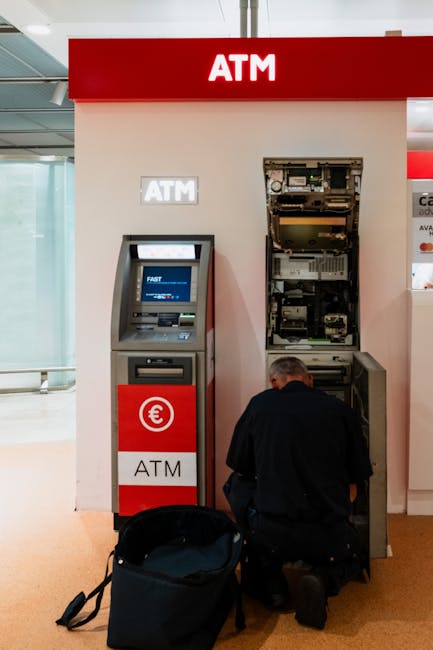
Maintenance Techs handle the upkeep of mechanical, electrical, and plumbing systems. They perform inspections to spot issues before they cause downtime. You’ll often find them troubleshooting equipment to identify root causes of malfunctions.
They also install new machinery and upgrade existing systems. Documentation is part of the job—keeping detailed records of repairs and maintenance schedules helps teams stay organized. Have you ever thought about how much work goes into ensuring your workplace doesn’t grind to a halt?
Daily Tasks
- Inspecting equipment and machinery for wear and tear
- Repairing or replacing faulty parts
- Testing systems to ensure everything operates correctly
- Responding quickly to emergency breakdowns to minimize downtime
- Maintaining tools and equipment to stay ready for any job
- Collaborating with other team members and departments
These tasks demand both precision and speed. If you like hands-on work and solving puzzles, this role keeps you engaged every day. How do you prioritize tasks when everything feels urgent?
Key Skills Required
| Skill | Why It Matters | Example in Action |
|---|---|---|
| Technical Knowledge | Understanding systems and equipment prevents errors. | Diagnosing an electrical fault quickly to avoid downtime. |
| Problem-Solving | Finding solutions when things break down. | Figuring out why a machine overheats and fixing it. |
| Attention to Detail | Small issues can lead to big problems if missed. | Spotting a worn belt before it snaps during operation. |
| Communication | Explaining technical problems clearly to non-technical staff. | Reporting maintenance needs to management accurately. |
| Time Management | Balancing routine tasks with emergency repairs effectively. | Completing scheduled checks without neglecting urgent calls. |
Are you ready to develop these skills to keep vital systems running? Being a Maintenance Tech means you’re the backbone of operational success.
Types Of Maintenance Technicians
Maintenance technicians come in various specializations, each with unique skills that keep different systems running smoothly. Understanding the types of maintenance technicians helps you identify which expert to call when something breaks down or needs regular upkeep. Whether it’s your company’s machinery, electrical systems, or climate control, knowing these roles can save you time and money.
Mechanical Technicians
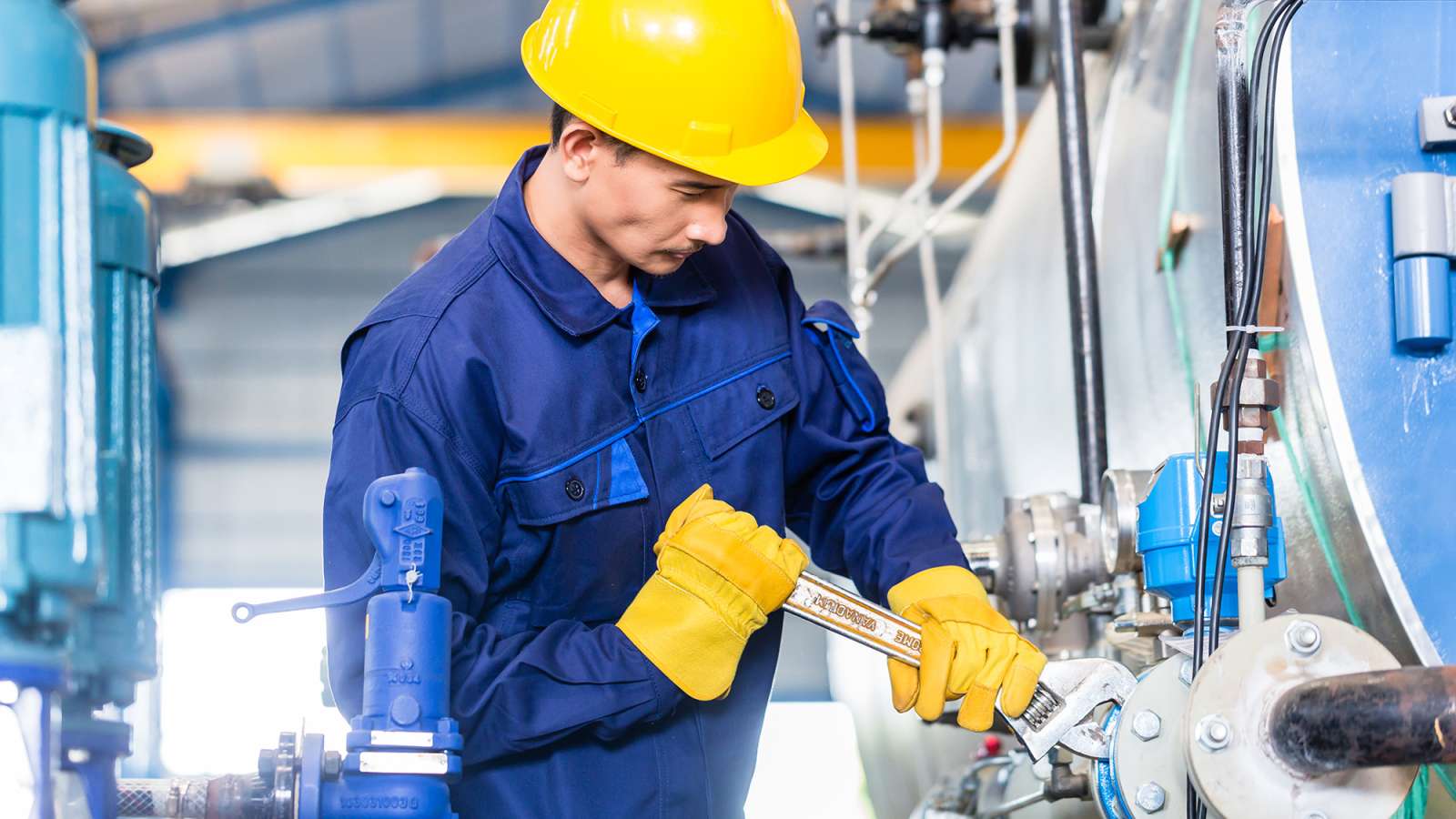
Mechanical technicians focus on machines and mechanical systems. They repair and maintain engines, conveyors, pumps, and other equipment with moving parts. If a machine in your factory suddenly stops working, a mechanical technician is the person who will troubleshoot and fix the problem.
These technicians often work with tools like wrenches, lathes, and precision measuring instruments. Their expertise can prevent costly downtime by catching issues early during routine inspections.
Electrical Technicians
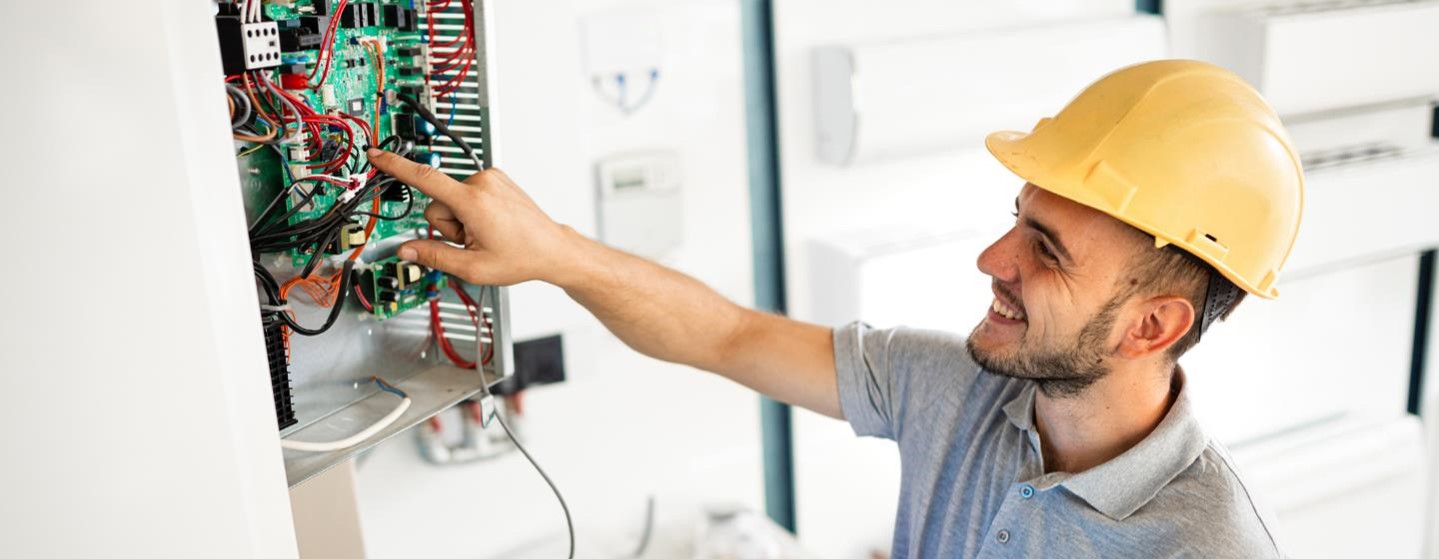
Electrical technicians handle wiring, circuits, and electrical components. They ensure your power systems and electronic devices function safely and efficiently. From fixing faulty wiring to installing new electrical panels, their work keeps the lights on and machines powered.
Have you ever wondered why a simple electrical fault can shut down an entire production line? Electrical technicians prevent these disruptions by performing regular tests and maintenance.
Hvac Technicians
HVAC technicians specialize in heating, ventilation, and air conditioning systems. They maintain comfortable indoor environments by repairing furnaces, air conditioners, and ventilation ducts. If your office becomes unbearably hot or cold, an HVAC technician is the one who can restore balance.
These experts also improve energy efficiency, which can reduce your utility bills. Have you checked when your HVAC system was last serviced? Regular care from a technician ensures it runs smoothly year-round.
Tools And Equipment Used
Maintenance technicians rely on various tools and equipment to perform their tasks efficiently. These tools help them fix, inspect, and maintain machines and systems. Having the right equipment ensures work is done safely and correctly.
Hand Tools
Hand tools are essential for every maintenance tech. They include screwdrivers, wrenches, pliers, and hammers. These tools help with tightening, loosening, cutting, and assembling parts.
- Screwdrivers: flathead and Phillips
- Adjustable wrenches and socket sets
- Pliers: needle-nose, slip-joint, and cutting
- Hammers: claw and ball-peen
- Measuring tapes and levels
Diagnostic Instruments
Diagnostic instruments identify problems in machines and systems. They help techs find faults quickly and accurately. Common instruments include multimeters, thermal cameras, and vibration analyzers.
- Multimeters to test voltage, current, and resistance
- Thermal cameras to detect hot spots and overheating
- Vibration analyzers to check motor and machine health
- Pressure gauges and leak detectors
- Inspection mirrors and borescopes for hard-to-see areas
Safety Gear
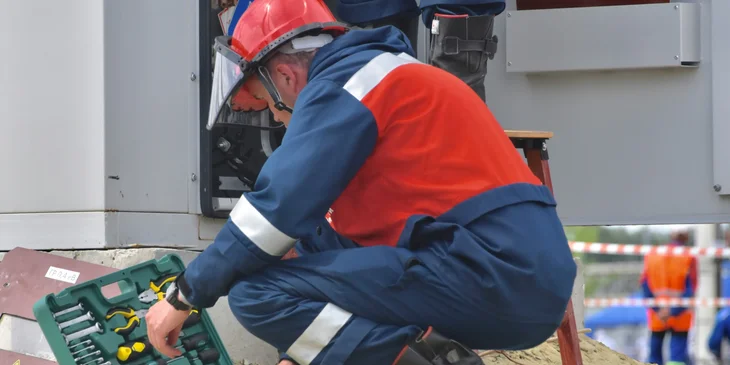
Safety gear protects technicians from injuries during maintenance work. It is mandatory in many workplaces. Common safety equipment includes gloves, goggles, and helmets.
- Protective gloves for handling sharp or hot objects
- Safety goggles to shield eyes from debris
- Hard hats to protect against head injuries
- Ear protection to reduce noise exposure
- Respirators and masks for dust and fumes
Credit: www.betterteam.com
Work Environments
Maintenance technicians work in a variety of environments, each with its own unique challenges and demands. Understanding these settings can help you appreciate the versatility required in this role. Whether you prefer bustling factories, quiet office buildings, or cozy homes, there’s a place where your skills can shine.
Industrial Settings
Industrial environments often involve large factories, manufacturing plants, and warehouses. Here, maintenance techs keep heavy machinery running smoothly and prevent costly downtime. You might find yourself fixing conveyor belts one day and troubleshooting robotic arms the next.
The pace can be fast, and safety is always a top priority. Noise, heat, and sometimes hazardous materials are part of the daily landscape. Do you have the focus and quick problem-solving skills to thrive in this high-pressure atmosphere?
Commercial Buildings
Commercial buildings include offices, shopping centers, and hospitals. Maintenance techs in these settings manage HVAC systems, electrical wiring, and plumbing to ensure comfort and functionality for occupants. You’ll often work behind the scenes, solving issues before anyone even notices.
Working hours can be more predictable here, but you may need to respond quickly to emergencies like power outages or water leaks. How well do you handle the pressure of keeping a busy building operational without disrupting its daily flow?
Residential Areas
In residential environments, maintenance techs handle repairs and upkeep for homes, apartment complexes, and condominiums. This role often requires a friendly, customer-focused approach since you interact directly with residents.
Tasks range from fixing broken appliances to maintaining heating and cooling systems. Are you ready to combine technical skills with good communication to make a real difference in people’s daily lives?
Training And Certification
Training and certification are essential for a maintenance technician’s success. These steps build the skills and knowledge needed to handle various equipment and repairs safely and efficiently. Employers prefer candidates who have solid training and recognized certifications, as these prove competence and reliability.
Educational Requirements
Most maintenance technicians need a high school diploma or GED. Courses in math, science, and technical subjects help prepare for this role. Some employers prefer candidates with vocational school or community college training. These programs often focus on mechanical, electrical, or HVAC systems.
Certification Programs
Certifications show specialized skills and can improve job prospects. Common certifications include:
- Certified Maintenance and Reliability Technician (CMRT)
- Electrical or HVAC certification
- OSHA safety certifications
These credentials prove knowledge of industry standards and safety practices. They often require passing an exam and maintaining ongoing education.
On-the-job Training
Hands-on experience is crucial for maintenance techs. Most learn through apprenticeships or entry-level positions. This training helps develop problem-solving skills and familiarity with tools and machinery. Experienced technicians often mentor new hires, sharing practical tips and safety advice.
Challenges Faced
Maintenance technicians face many challenges daily. Their job requires quick thinking and hands-on skills. Problems can vary widely, testing their knowledge and patience. These challenges affect how well they perform and keep equipment running smoothly.
Troubleshooting Complex Issues
Maintenance techs often deal with machines that stop working for unclear reasons. Finding the root cause is not easy. They must inspect parts and systems carefully. This process needs deep technical knowledge and sharp problem-solving skills. Sometimes, they work under pressure to fix urgent breakdowns fast.
Time Management
Balancing multiple tasks is tough for maintenance techs. They must prioritize repairs to avoid long downtimes. Scheduling maintenance before failures happen saves time and money. Unexpected problems can disrupt planned work. Good time management helps them stay organized and meet deadlines.
Safety Hazards
Maintenance techs face many safety risks daily. They work with heavy machinery and electrical systems. Proper safety gear and training are essential. Ignoring safety rules can cause serious injuries. They must stay alert and follow safety procedures strictly to protect themselves and others.
Career Growth Opportunities
Career growth opportunities for maintenance technicians are diverse and promising. Your skills can open doors to higher positions and specialized roles that match your interests. Understanding these paths can help you plan your next move and increase your earning potential.
Advancement Paths
Starting as a maintenance tech, you can climb the ladder to roles like lead technician or maintenance supervisor. These positions involve managing teams, scheduling work, and ensuring safety protocols. Gaining experience and certifications often speeds up this progression.
Some technicians move into facilities management or project coordination. These roles let you oversee entire operations, giving you broader responsibilities and a chance to influence company efficiency.
Specialization Options
You can focus on specific areas such as HVAC systems, electrical maintenance, or industrial machinery. Specializing makes you valuable for complex tasks that generalists might not handle. Certifications in these fields boost your credibility and job security.
Think about what excites you the most in your daily tasks. Do you enjoy troubleshooting electrical issues, or are you drawn to mechanical repairs? Choosing a specialty aligns your career with your strengths and interests.
Salary Expectations
| Position | Average Salary (USD) |
|---|---|
| Entry-Level Maintenance Tech | $35,000 – $45,000 |
| Lead Technician/Supervisor | $50,000 – $65,000 |
| Specialized Technician (e.g., HVAC, Electrical) | $55,000 – $75,000 |
| Facilities Manager | $70,000 – $90,000 |
Your salary grows as you gain experience, take on more responsibility, or specialize. Have you considered which path will not only increase your income but also keep you motivated?
Credit: www.ntc.edu
Credit: www.bluearrow.co.uk
Frequently Asked Questions
What Does A Maintenance Tech Do?
A maintenance tech is responsible for the upkeep of machinery and facilities. They perform routine inspections, troubleshoot issues, and conduct repairs. Their goal is to ensure operational efficiency and prevent downtime. They play a crucial role in maintaining safety and functionality in various settings.
What Skills Are Needed For Maintenance Tech?
Maintenance techs need technical skills, problem-solving ability, and attention to detail. They should understand mechanical systems and electrical components. Effective communication and teamwork are also essential. They must be able to follow safety protocols and work under pressure. Continuous learning is important for adapting to new technologies.
How To Become A Maintenance Tech?
To become a maintenance tech, pursue relevant education or training. Many start with vocational courses or apprenticeships in maintenance. Gaining experience through entry-level positions is beneficial. Certifications can enhance your qualifications. Strong technical skills and a willingness to learn are essential for success.
What Industries Employ Maintenance Techs?
Maintenance techs work in various industries including manufacturing, healthcare, and hospitality. They are also employed in facilities management and public services. Their skills are essential in any sector that relies on machinery or equipment. The demand for maintenance techs is consistent across many fields.
Conclusion
A maintenance tech keeps machines and buildings working well. They fix problems quickly to avoid big issues later. Their skills help save time and money. This role is important in many industries. Many tools and knowledge are needed daily. A maintenance tech works hard to keep things safe and efficient.
Now you understand what a maintenance tech does. It is a job that helps keep the world running smoothly.