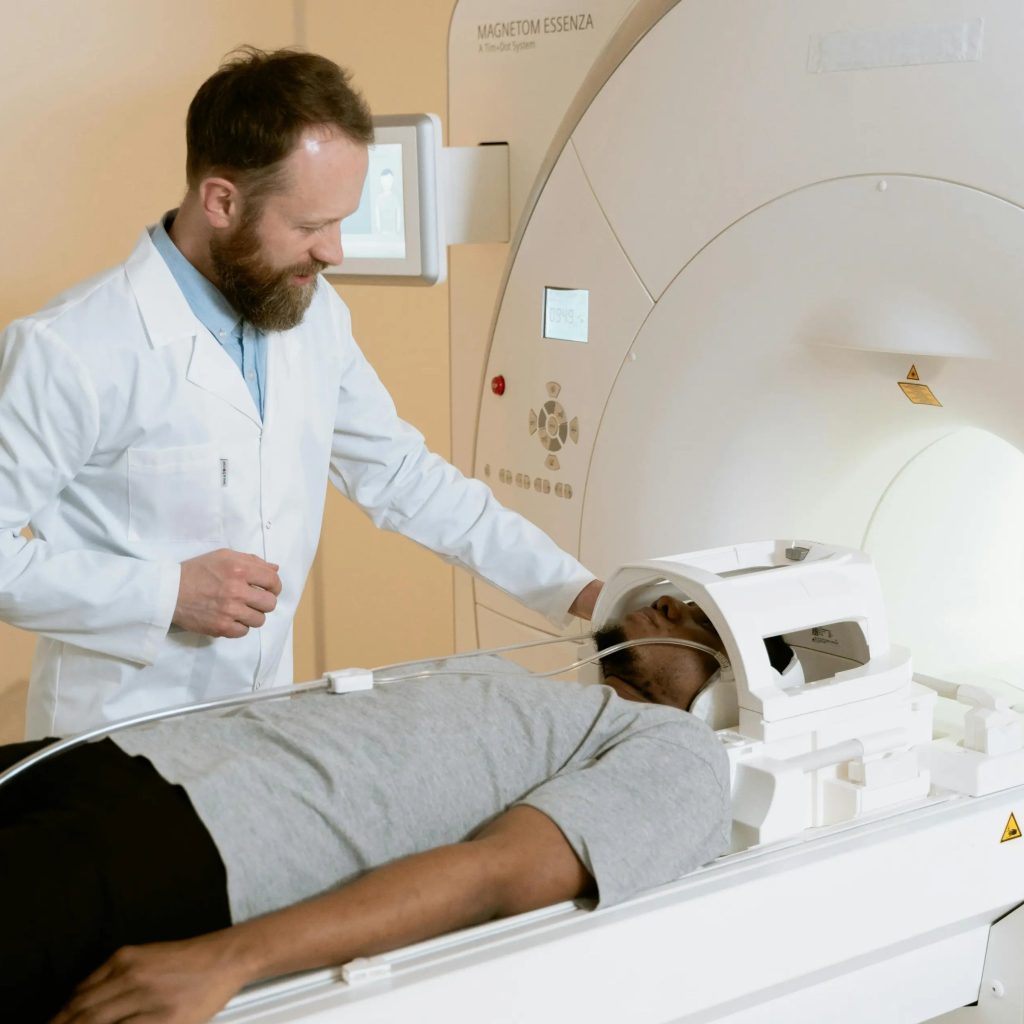
Have you ever wondered who operates those big, powerful machines that take detailed pictures inside your body? That person is called an MRI tech.
If you’re curious about what they do, how they help doctors, or even considering this career path, you’re in the right place. Understanding the role of an MRI tech can open your eyes to a vital part of healthcare that often goes unnoticed.
Keep reading to discover what an MRI tech really does and why their work matters to your health.
Credit: nomadhealth.com
Role Of An Mri Tech
An MRI tech plays a vital role in healthcare. They operate MRI machines to create detailed images of the body. These images help doctors diagnose various conditions. The role requires precision and care to ensure patient safety and image quality.
Daily Responsibilities
- Prepare patients for MRI scans by explaining the process.
- Position patients correctly on the MRI table.
- Operate MRI equipment to capture clear images.
- Monitor patients during the scan for any discomfort.
- Maintain and clean MRI machines regularly.
- Work with doctors to review image quality.
- Keep accurate records of procedures and patient information.
Key Skills Required
- Strong understanding of MRI technology and anatomy.
- Good communication skills to ease patient anxiety.
- Attention to detail for accurate imaging.
- Ability to follow safety protocols strictly.
- Technical skills to operate and troubleshoot equipment.
- Physical stamina to assist and position patients.
- Empathy and patience for working with diverse patients.
Training And Certification
Understanding the training and certification required to become an MRI technologist is key if you’re considering this career. The path involves both education and official credentials that prove your ability to operate MRI machines safely and effectively. Your training lays the foundation, while certification validates your skills to employers and patients alike.
Educational Pathways
Your journey begins with formal education. Most MRI techs start with an associate degree in radiologic technology, which usually takes about two years. Some choose to pursue a bachelor’s degree for more comprehensive training and better job prospects.
During your studies, expect hands-on clinical experience. This practical training helps you understand MRI equipment and patient care in real-world settings. Community colleges, technical schools, and universities offer programs accredited by organizations like the Joint Review Committee on Education in Radiologic Technology (JRCERT).
Certification Process
After completing your education, certification is your next step. The American Registry of Radiologic Technologists (ARRT) is the most recognized certifying body for MRI technologists. You must pass their MRI certification exam, which tests your knowledge of anatomy, patient care, safety protocols, and MRI procedures.
Maintaining certification requires ongoing education, which ensures you stay current with technology and best practices. Have you considered how committing to lifelong learning could impact your daily work and career growth? This process not only boosts your confidence but also increases your value in the job market.
Mri Technology Basics
Understanding MRI technology is key to appreciating the work of an MRI technologist. This technology uses powerful magnets and radio waves to create detailed images of the inside of your body. These images help doctors diagnose and monitor various health conditions without surgery or radiation.
How Mri Machines Work
An MRI machine uses a strong magnetic field to align the protons in your body’s hydrogen atoms. Then, it sends radio waves to knock these protons out of alignment. When the radio waves are turned off, the protons realign and emit signals that the machine detects.
These signals are processed by a computer to create clear images of tissues and organs. You might wonder why MRI scans don’t use harmful radiation like X-rays. That’s because MRI relies on magnetic fields and radio waves, making it safer for many patients.
Types Of Mri Scans
There are several types of MRI scans, each designed for different purposes. Some common types include:
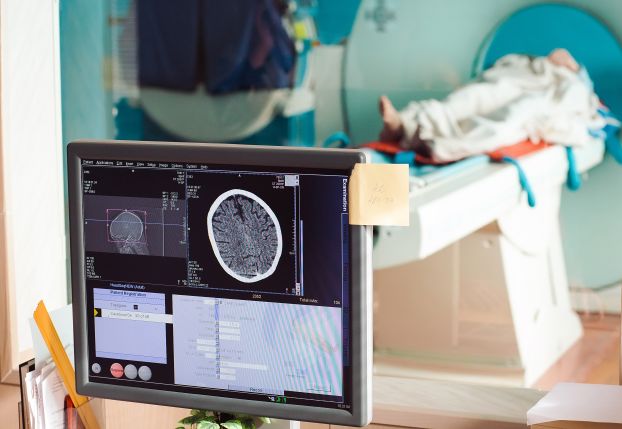
- Brain MRI:Used to detect tumors, brain injuries, or stroke.
- Spine MRI:Helps diagnose spinal cord injuries or disk problems.
- Joint MRI:Focuses on muscles, ligaments, and cartilage for sports injuries.
- Cardiac MRI:Examines heart structure and function.
Have you ever thought about how a single machine can capture such detailed images of different body parts? The variety of MRI types shows how versatile this technology is in medicine.
Credit: www.nsf.gov
Work Environment
The work environment of an MRI tech plays a key role in their daily routine. It shapes how they perform tasks and interact with patients. Understanding this environment helps one grasp the nature of this medical career.
Typical Workplace Settings
MRI techs mostly work in hospitals and diagnostic imaging centers. Some also find jobs in outpatient clinics and research facilities. These places have special rooms for MRI machines. The rooms are quiet, clean, and controlled to keep equipment safe. Techs work closely with doctors, nurses, and other healthcare staff. The role often involves direct patient care in a calm and professional space.
Work Hours And Conditions
MRI techs usually work full-time with varied shifts. Shifts can include nights, weekends, and holidays. Emergency scans may require immediate attention at odd hours. The job demands standing for long periods and moving patients gently. Techs must follow strict safety protocols to avoid exposure to strong magnets. The environment is low-stress but requires focus and patience. Teamwork and communication are vital for smooth operations.
Challenges Faced By Mri Techs
MRI technologists face a unique set of challenges that test both their technical skills and their ability to connect with patients. These challenges can impact the quality of imaging and the overall patient experience. Understanding these obstacles helps you appreciate the complexity behind every MRI scan.
Technical Difficulties
MRI machines are complex and sensitive to even minor disruptions. You might encounter equipment malfunctions or software glitches that delay scans and increase patient anxiety.
Maintaining image quality requires precise calibration and constant attention. Small errors in positioning or settings can lead to unclear images, forcing retakes and longer procedure times.
Have you ever wondered how an MRI tech manages to troubleshoot these issues quickly? It often involves a mix of deep technical knowledge and creative problem-solving under pressure.
Patient Interaction
Working with patients during MRI scans is not always straightforward. Many patients feel nervous or claustrophobic, which can make cooperation difficult.
Explaining the process clearly and calming anxieties becomes as important as technical expertise. You need to read non-verbal cues and adjust your communication style on the spot.
Imagine guiding a patient who is scared and unable to stay still—your ability to build trust directly affects the scan’s success. What strategies could you use to put patients at ease and improve their experience?

Credit: abiscans.com
Career Growth Opportunities
Career growth opportunities for MRI techs are promising and varied. As you gain experience, you can expand your skills and move into more specialized roles or management positions. Your career path can evolve based on your interests and dedication to learning.
Advanced Specializations
Specializing can set you apart in the field. You might choose to focus on areas like cardiac MRI, neuroimaging, or pediatric MRI. Each specialization requires additional training but can increase your expertise and job satisfaction.
Some MRI techs also become educators or trainers, sharing their knowledge with new students. Others might pursue certifications in related imaging technologies like CT scans or ultrasound. Diversifying your skills can make your career more resilient and interesting.
Ask yourself: Which area of MRI technology excites you the most? Focusing on that can guide your next steps in professional development.
Salary Expectations
Salary for MRI techs varies depending on location, experience, and specialization. Entry-level positions offer a solid starting wage, but as you gain certifications and experience, your earning potential rises.
According to recent data, the average salary for MRI techs in the US ranges from $60,000 to $80,000 annually. Specialized roles or supervisory positions can push that figure higher. Knowing the salary trends in your region helps you set realistic financial goals.
Consider the benefits beyond salary, like health insurance, retirement plans, and continuing education support. These perks can significantly impact your overall job satisfaction and long-term career growth.
Impact On Patient Care
The impact of an MRI technologist on patient care is profound and essential. These professionals ensure that imaging scans are done safely and accurately. Their work directly affects how doctors understand a patient’s condition and plan treatment. Patients often feel anxious before MRI scans, but skilled MRI techs help ease those fears. They communicate clearly and provide support during the procedure. This care improves patient comfort and cooperation, leading to better scan results.
Role In Diagnosis
MRI technologists play a key role in diagnosing medical issues. They operate advanced imaging machines to capture detailed pictures of the body. These images help doctors identify problems like tumors, injuries, or diseases. Accurate images allow for faster and more precise diagnosis. MRI techs must follow strict protocols to ensure image quality. Their attention to detail reduces errors and helps avoid repeat scans.
Contribution To Treatment Plans
Clear MRI images guide doctors in creating effective treatment plans. MRI techs provide the necessary data by capturing high-quality scans. This information helps decide the best approach for surgery, therapy, or medication. Timely and accurate imaging speeds up treatment decisions. MRI technologists also monitor patients during scans to ensure safety. Their work supports ongoing patient care and recovery.
Frequently Asked Questions
What Does An Mri Tech Do Daily?
An MRI tech operates MRI scanners to create detailed images of the body. They prepare patients, ensure safety, and assist radiologists with image quality.
How Long Does It Take To Become An Mri Tech?
Becoming an MRI tech typically requires 1-2 years of specialized training after basic radiologic education. Certification may also be necessary.
What Skills Are Essential For An Mri Tech?
Key skills include technical proficiency, patient care, attention to detail, and understanding of anatomy. Communication and problem-solving abilities are also important.
Is Being An Mri Tech A High-demand Job?
Yes, MRI techs are in demand due to growing healthcare needs. Job growth is expected as imaging technology advances.
Conclusion
MRI techs play a crucial role in healthcare. They operate machines to capture detailed images. These images help doctors diagnose and treat patients. Training and dedication are key for success in this field. MRI techs need to understand both technology and patient care.
Their work requires precision and patience. Safety is a top priority for MRI techs. They ensure patients are comfortable during scans. The demand for MRI techs is growing. Pursuing a career in MRI technology can be rewarding. It offers a chance to help people while working with advanced technology.