What is a Patient Care Tech: Essential Role in Healthcare Today
Have you ever wondered who helps patients feel comfortable and cared for during their hospital stay? That’s where a Patient Care Tech comes in.
If you’re curious about what this role involves and how it impacts patient recovery, you’re in the right place. Understanding what a Patient Care Tech does could open your eyes to a vital part of healthcare that often goes unnoticed.
Keep reading to discover how these professionals make a difference every day—and why their work matters to you or your loved ones.

Credit: medcertify.com
Role Of Patient Care Techs
Patient Care Techs play a vital role in healthcare settings. They support nurses and doctors by providing direct care to patients. Their work helps patients feel comfortable and safe during their stay. Patient Care Techs act as a bridge between patients and the medical team, ensuring smooth communication and care delivery.
Daily Responsibilities
- Assist patients with daily activities like bathing and dressing
- Check vital signs such as temperature, pulse, and blood pressure
- Help patients move safely to prevent falls
- Prepare patients for medical exams and treatments
- Report changes in patient condition to nursing staff
- Maintain cleanliness and hygiene in patient rooms
Skills Required
- Strong communication to understand patient needs
- Compassion and patience for providing emotional support
- Attention to detail in monitoring patient conditions
- Physical stamina to assist with lifting and moving patients
- Ability to follow medical instructions accurately
- Teamwork skills for working with healthcare staff
Work Environment
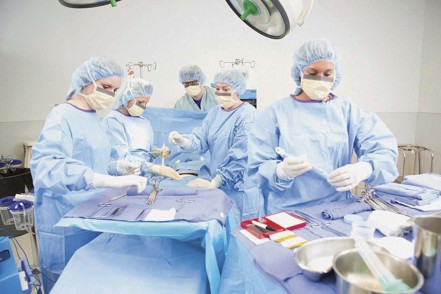
Patient Care Techs work in hospitals, clinics, and nursing homes. The environment can be fast-paced and demanding. Shifts may include nights, weekends, and holidays. They often spend long hours on their feet. The role requires wearing protective gear for safety. Patient Care Techs interact closely with patients and their families.

Credit: www.ivytech.edu
Training And Certification
Training and certification are essential for becoming a skilled Patient Care Tech. These steps prepare individuals to assist patients safely and effectively. Proper education builds a strong foundation in healthcare basics. Certification shows employers that a candidate meets professional standards.
Educational Pathways
Most Patient Care Techs start with a high school diploma or GED. Many attend vocational schools or community colleges. Programs usually last a few months to a year. Training covers basic nursing skills, anatomy, and patient care techniques. Hands-on practice in clinical settings helps build confidence. Some programs also include CPR and first aid training.
Certification Options
Certification is not always required but highly recommended. It improves job prospects and credibility. Common certifications include:
- Certified Patient Care Technician/Assistant (CPCT/A)
- National Healthcareer Association (NHA) certification
- State-specific certifications depending on location
To earn certification, candidates usually pass a written exam. Some certifications require proof of training hours. Renewal often happens every few years with continued education or retesting.
Continuing Education
Healthcare rules and methods change frequently. Patient Care Techs must update their knowledge regularly. Continuing education courses cover new techniques and safety rules. Employers may require ongoing training to keep certifications current. This education can be online or in person. Staying informed helps Patient Care Techs provide the best care possible.
Impact On Patient Outcomes
The role of a Patient Care Tech (PCT) directly influences patient outcomes in many ways. Their support helps patients feel safe and cared for. This support also aids medical teams in delivering better care. The presence of PCTs improves the overall efficiency of healthcare services.
Enhancing Patient Comfort
Patient Care Techs assist with daily activities that improve comfort. They help patients with bathing, dressing, and moving safely. These simple tasks reduce patient stress and promote healing. PCTs also provide emotional support, which boosts patient morale. Their close attention helps detect discomfort early.
Supporting Medical Staff
PCTs assist nurses and doctors by handling routine tasks. This support frees medical staff to focus on complex care needs. PCTs monitor vital signs and report changes quickly. Their help improves communication within the healthcare team. This teamwork ensures timely and accurate patient treatment.
Improving Care Efficiency
Patient Care Techs streamline many care processes in hospitals. They prepare patients for procedures and help with equipment setup. PCTs also maintain cleanliness and order in patient areas. These actions reduce delays and prevent errors. Efficient care helps patients recover faster and reduces hospital stays.
Challenges Faced By Patient Care Techs
Patient Care Techs face many challenges in their daily work. Their role demands both physical strength and emotional resilience. Understanding these challenges helps appreciate their crucial work in healthcare settings.
Physical And Emotional Demands
Patient Care Techs often lift and move patients. This work can strain their muscles and joints. Long shifts on their feet cause fatigue and soreness. Emotionally, they support patients through pain and fear. Witnessing suffering can be hard and draining. They must stay calm and compassionate at all times.
Workplace Hazards
Exposure to germs and infections is common. Patient Care Techs must follow strict hygiene rules. They also face risks from sharp instruments and medical equipment. Slips and falls happen in busy hospital areas. They wear protective gear to reduce dangers. Safety training is crucial to avoid injuries.
Managing Stress
Stress builds from heavy workloads and time pressures. Balancing many tasks can feel overwhelming. Patient Care Techs use breaks and breathing exercises to relax. Talking with coworkers provides emotional support. Staying organized helps manage daily duties better. Mental health care is vital for lasting success.
Career Growth Opportunities
Career growth opportunities for Patient Care Technicians (PCTs) are varied and promising. Whether you want to climb the ladder within your current role or specialize in a specific area, there are clear pathways to enhance your skills and increase your value in the healthcare field. Understanding these options can help you plan your next move effectively.
Advancement Paths
You can advance from a Patient Care Tech to roles with more responsibility and higher pay. Many PCTs move into positions like Licensed Practical Nurse (LPN) or Registered Nurse (RN) after gaining experience and additional certifications.
Some also transition into supervisory roles, managing teams of PCTs or working as clinical coordinators. If you enjoy hands-on patient care but want more autonomy, pursuing nursing degrees can be a practical next step.
Specialization Options
Specializing can set you apart and open doors to unique job opportunities. You might focus on areas such as:
- Electrocardiogram (EKG) monitoring
- Phlebotomy
- Geriatric care
- Emergency room support
Specializing not only improves your expertise but can also make your work more rewarding. Have you considered which area aligns best with your interests and strengths?
Salary Expectations
Salary varies depending on location, experience, and specialization. Entry-level PCTs typically earn a modest wage, but with additional skills and certifications, your earning potential grows.
| Role | Average Annual Salary |
|---|---|
| Patient Care Technician | $30,000 – $40,000 |
| Licensed Practical Nurse (LPN) | $45,000 – $55,000 |
| Registered Nurse (RN) | $60,000 – $80,000+ |
Thinking about your salary goals can help you decide which certifications or degrees to pursue next.
Future Trends In Patient Care Tech Roles
The role of a Patient Care Tech is changing fast. New tools and ideas shape how care is given. These changes bring new chances and challenges for Patient Care Techs. Understanding future trends helps prepare for what lies ahead in this career.
Technological Integration
Technology is becoming a core part of patient care. Patient Care Techs now use devices to monitor vital signs in real time. Electronic health records help track patient information quickly. Telehealth tools allow care even when patients are far away. Learning to use new technology will be vital for success.
Evolving Responsibilities
Patient Care Tech duties are expanding beyond basic tasks. They assist more with patient education and comfort. Some roles include simple clinical procedures under supervision. Communication skills are important to explain care steps clearly. Flexibility helps adapt to new duties as healthcare changes.
Healthcare Industry Changes
Healthcare is shifting towards preventive and personalized care. Patient Care Techs support these goals by promoting healthy habits. Teamwork with nurses and doctors grows more important. The aging population increases the need for skilled Patient Care Techs. Understanding healthcare trends ensures better job security and growth.

Credit: www.dtcc.edu
Frequently Asked Questions
What Does A Patient Care Tech Do?
A Patient Care Tech assists nurses and doctors with medical tasks. They help with patient hygiene, mobility, and monitoring vital signs. They also perform basic medical procedures, such as drawing blood. Their role is vital in ensuring patient comfort and efficient healthcare delivery.
How To Become A Patient Care Tech?
To become a Patient Care Tech, you need a high school diploma. Complete a certified training program, which includes clinical experience. Some states require passing a certification exam. Strong communication and empathy skills are essential. Continuing education may be needed to stay updated with healthcare practices.
What Skills Are Needed For Patient Care Tech?
Patient Care Techs need excellent communication and interpersonal skills. They should be detail-oriented and have strong problem-solving abilities. Physical stamina is essential for handling patients. Basic medical knowledge, including understanding vital signs, is crucial. Empathy and patience help in providing compassionate care.
Are Patient Care Techs In Demand?
Yes, Patient Care Techs are in high demand due to growing healthcare needs. As the population ages, more healthcare services are needed. Hospitals and clinics increasingly rely on Patient Care Techs. This role is essential for efficient patient care, making it a promising career choice.
Conclusion
A Patient Care Tech plays a key role in healthcare teams. They help patients with daily needs and support nurses and doctors. Their work makes hospitals and clinics run smoothly. This job requires kindness, patience, and good communication. Many find it rewarding to help others heal and feel comfortable.
For those interested in healthcare, becoming a Patient Care Tech offers valuable experience. It is a job that truly makes a difference in people’s lives.

Similar Posts