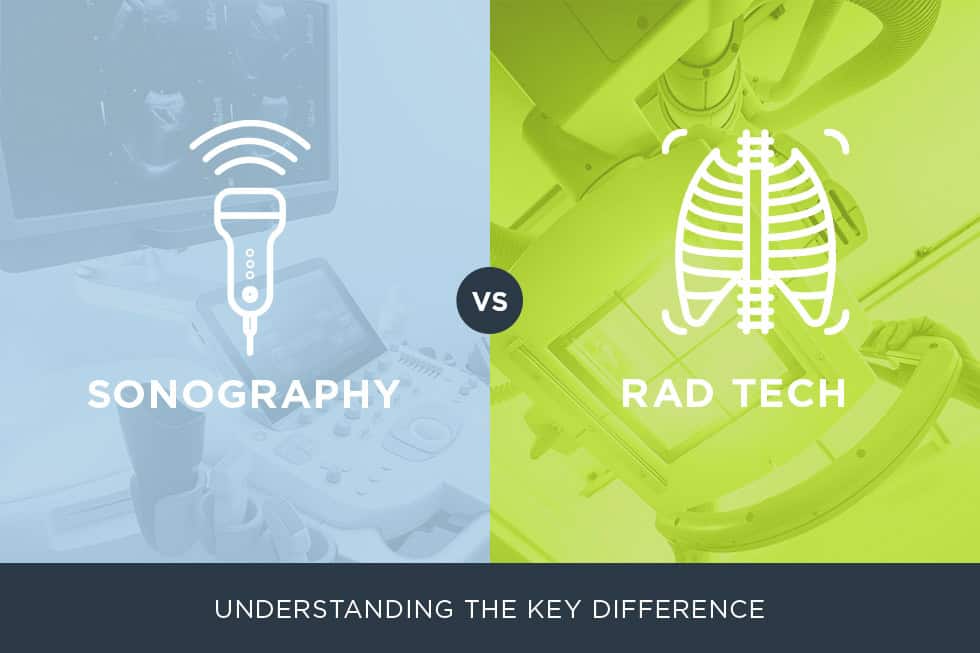
Have you ever wondered who takes the detailed images that help doctors see inside your body? That’s where a Rad Tech steps in.
If you’re curious about what a Rad Tech does, how they impact your healthcare, or if you’re considering this career path, you’re in the right place. By the end of this article, you’ll understand exactly what a Rad Tech is and why their role is so important.
Keep reading—you might discover something that changes the way you view medical care forever.
Credit: www.lumexaimaging.com
Role Of A Rad Tech
A Radiologic Technologist, or Rad Tech, plays a vital role in healthcare. They perform imaging tests that help doctors see inside the body. Their work supports diagnosis and treatment for many conditions.
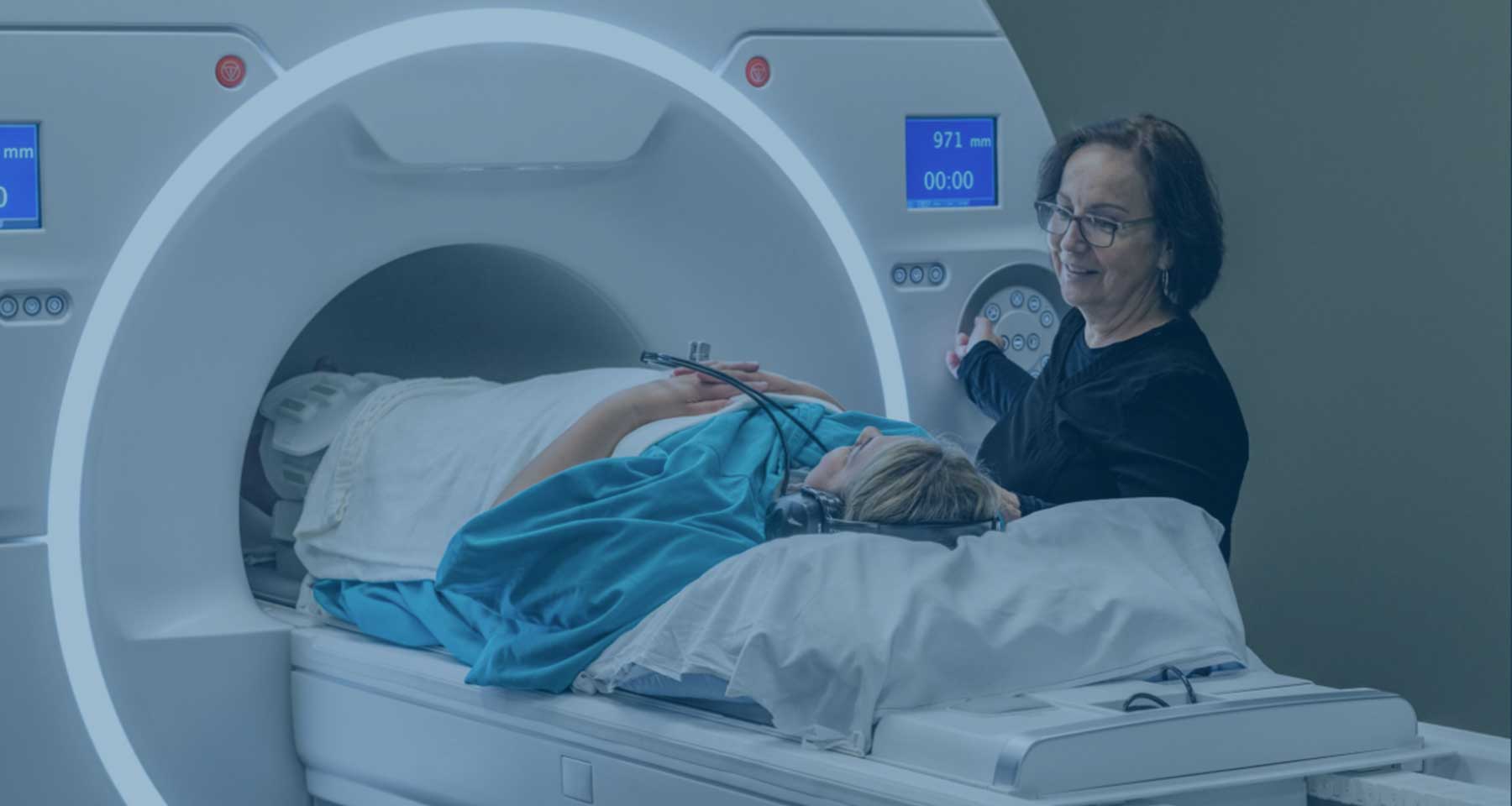
Rad Techs use machines like X-rays, CT scanners, and MRIs. They must follow safety rules to protect patients and themselves from radiation. Their role combines technical skills with patient care.
Key Responsibilities
- Operate imaging equipment to capture body images
- Prepare and position patients for scans
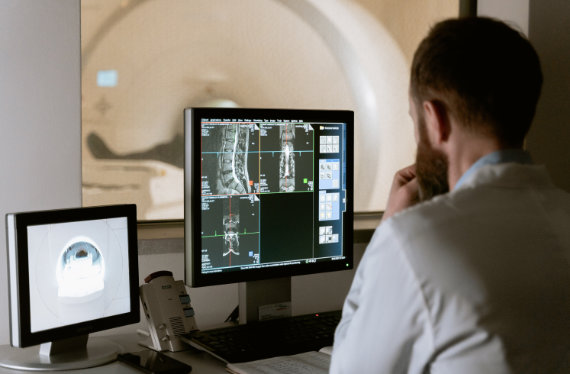
- Ensure image quality and clarity for accurate diagnosis
- Maintain and clean imaging tools and machines
- Follow safety protocols to reduce radiation exposure
- Keep detailed records of procedures and patient history
Daily Tasks In Healthcare
- Greet and explain procedures to patients
- Verify patient identity and medical history
- Adjust machine settings based on the exam type
- Capture images from different angles as needed
- Assist patients with mobility and comfort
- Review images for quality before sending to doctors
Collaboration With Medical Teams
- Work closely with radiologists to interpret images
- Communicate patient concerns or special needs
- Coordinate with nurses and doctors for smooth care
- Participate in team meetings to improve procedures
- Support emergency teams with urgent imaging requests

Credit: chartercollege.edu
Required Skills And Qualifications
Becoming a Rad Tech requires a blend of education, technical know-how, and personal traits. These skills help Rad Techs perform imaging tasks safely and accurately. Understanding the required skills and qualifications is key to starting a career in this field.
Educational Pathways
A high school diploma is the minimum education requirement. Most Rad Techs complete a formal program in radiologic technology. These programs usually last two years and lead to an associate degree. Some pursue a bachelor’s degree for more opportunities. Accredited programs cover anatomy, patient care, and radiation safety. Certification and licensing are often required to work legally.
Technical Skills
- Operating X-ray, MRI, and CT scan machines
- Positioning patients correctly for images
- Understanding radiation protection measures
- Analyzing images for quality and clarity
- Maintaining and troubleshooting equipment
- Following strict safety protocols
Soft Skills Needed
- Good communication to explain procedures to patients
- Attention to detail to capture clear images
- Empathy to comfort anxious patients
- Problem-solving to handle technical issues
- Teamwork skills for working with healthcare staff
- Patience and focus during repetitive tasks
Types Of Imaging Techniques
Radiologic technologists use different imaging techniques to see inside the body. Each type shows unique details and helps doctors diagnose health problems. Understanding these techniques shows how Rad Techs work to capture clear images for patient care.
X-rays
X-rays use small amounts of radiation to create pictures of bones and tissues. They are quick and simple. Commonly used to check broken bones and chest problems. The images show dense parts like bones as white and softer tissues as darker.
Ct Scans
CT scans combine X-ray images from many angles. A computer makes detailed cross-section pictures. CT scans show bones, organs, and blood vessels clearly. They help detect tumors, infections, and injuries inside the body.
Mri
MRI uses strong magnets and radio waves to create detailed images. It shows soft tissues like the brain, muscles, and joints better than X-rays. MRI is useful for diagnosing brain disorders, spinal injuries, and joint problems without radiation.
Ultrasound
Ultrasound uses sound waves to produce images of soft tissues and organs. It is safe and painless. Commonly used in pregnancy and to check the heart, liver, and kidneys. Ultrasound images show movement and blood flow in real time.
Work Environment And Settings
The work environment for a Radiologic Technologist (Rad Tech) varies widely depending on the setting. Each place offers unique challenges and opportunities that can shape your daily tasks and overall job satisfaction. Understanding these environments can help you decide which setting suits your skills and preferences best.
Hospitals
Hospitals are the most common workplaces for Rad Techs. Here, you often deal with emergency cases, which means your day can be unpredictable and fast-paced. You might move quickly from one patient to another, performing X-rays, CT scans, or MRIs to assist doctors in diagnosing injuries or illnesses.
In hospitals, teamwork is crucial. You’ll collaborate with nurses, doctors, and other healthcare staff regularly. This setting also requires you to be comfortable with night shifts or on-call duties.
Clinics
Clinics usually provide a more controlled and predictable work environment. Your schedule tends to be more regular, with less emergency work compared to hospitals. This can be ideal if you prefer steady hours and building relationships with patients over time.
In clinics, you might focus on routine imaging like mammograms or dental X-rays. This setting allows you to develop specialized skills and often involves more patient interaction, giving you a chance to explain procedures and ease patient concerns.
Specialized Imaging Centers
Specialized imaging centers concentrate on advanced diagnostic tests such as MRI, CT, or nuclear medicine scans. These centers often have state-of-the-art equipment, allowing you to work with cutting-edge technology.
Your role here may involve detailed imaging procedures that require precision and expertise. If you enjoy technical challenges and want to deepen your knowledge in specific imaging techniques, this setting might be your best fit.
Have you thought about which environment matches your personality and career goals? Each setting offers a different pace and focus, so consider where you’ll thrive the most.
Career Growth And Opportunities
Career growth and opportunities for Radiologic Technologists (Rad Techs) extend far beyond the basics of operating imaging equipment. This field offers a pathway to expanding your skills, taking on more responsibility, and increasing your earning potential. If you’re curious about how to build a rewarding career in medical imaging, understanding certification, advanced roles, and salary expectations is key.
Certification And Licensing
Certification is often the first step to advancing your career as a Rad Tech. Most employers require you to hold a certification from recognized bodies like the American Registry of Radiologic Technologists (ARRT). This not only proves your skills but also increases your job prospects.
Licensing varies by state but is generally mandatory for Rad Techs. Keeping your license current involves continuing education, which means you’ll keep learning new techniques and technologies. Have you considered how staying updated could open doors to specialized areas like MRI or CT scanning?
Advanced Roles
Once certified, you can move into specialized or supervisory positions. Roles like MRI technologist, CT technologist, or radiation therapist require additional training but offer more responsibility and variety. If you enjoy teaching, becoming a clinical instructor or program director might be your next move.
Some Rad Techs transition into healthcare management or sales for medical imaging equipment. These paths show how your technical knowledge can translate into leadership or business opportunities. What advanced role aligns best with your strengths and interests?
Salary Expectations
Salary for Rad Techs depends on experience, location, and specialization. Entry-level positions generally start in the mid $50,000 range, but specialized roles can push salaries well above $80,000 annually. Supervisory or managerial roles often come with additional benefits and bonuses.
| Position | Average Salary (USD) |
|---|---|
| Entry-Level Rad Tech | $55,000 |
| MRI Technologist | $75,000 |
| CT Technologist | $80,000 |
| Supervisory Roles | $90,000+ |
Are you ready to invest in certifications that can boost your salary? Understanding how your skills impact your income might motivate you to pursue those extra steps.
Credit: www.regiscollege.edu
Challenges Faced By Rad Techs
Working as a Rad Tech involves navigating several unique challenges that impact both daily tasks and long-term career growth. These challenges can affect your safety, the quality of patient care you provide, and how well you adapt to fast-changing technology. Understanding these hurdles can prepare you to handle them more effectively.
Radiation Safety
Radiation exposure is a constant concern for Rad Techs. Even though safety protocols exist, staying vigilant is essential to protect yourself and your patients. Have you ever wondered how small lapses in safety measures might affect your health over time?
Using lead aprons, shields, and monitoring badges helps reduce exposure, but these tools are only as effective as your commitment to using them consistently. You also need to stay updated on the latest safety guidelines because standards can change with new research.
Patient Care Issues
Rad Techs often work with patients who are anxious, in pain, or unable to communicate clearly. Managing these situations requires strong communication skills and empathy. How do you stay calm and reassuring when a patient is scared or uncooperative?
Balancing technical tasks with patient comfort is tricky. You must position patients accurately while making them feel safe and respected. Sometimes, quick thinking is necessary to adjust your approach based on the patient’s condition or emotional state.
Technological Advances
Technology in radiology evolves rapidly, and Rad Techs must keep pace. New machines and software improve imaging quality but come with steep learning curves. Are you ready to continuously update your skills to avoid falling behind?
Adapting to these advances means more training and sometimes longer hours. However, mastering new tools can make your work more efficient and accurate. Being proactive in learning can turn technological challenges into career advantages.
Impact On Patient Outcomes
The role of a Radiologic Technologist (Rad Tech) goes far beyond simply operating imaging equipment. Their expertise directly influences how quickly and accurately patients receive diagnoses and treatments. Understanding the impact Rad Techs have on patient outcomes sheds light on why their work is critical in healthcare settings.
Accurate Diagnoses
Rad Techs ensure imaging is done precisely, capturing clear and detailed images necessary for doctors to identify health issues. A slight error in positioning or technique can lead to unclear images, which might delay or mislead diagnosis.
Imagine a patient with a suspected fracture; a Rad Tech’s skill in taking the right X-ray angle can be the difference between spotting the break immediately or missing it altogether. Your health hinges on these images being right the first time.
Treatment Planning
Once a diagnosis is made, Rad Techs help monitor the progress of treatment through follow-up imaging. Their ability to produce consistent and high-quality images allows doctors to adjust treatments based on how well a patient is responding.
Think about cancer patients who need regular scans to see if tumors shrink. Accurate imaging helps doctors decide whether to continue, change, or stop a treatment plan, directly affecting recovery chances.
Emergency Situations
In emergencies, Rad Techs act quickly and calmly to provide crucial images that guide urgent medical decisions. Their speed and accuracy can save lives by revealing internal injuries or conditions that require immediate action.
Have you ever wondered how emergency rooms manage to diagnose serious injuries fast? Rad Techs are the unsung heroes who deliver the visual information doctors need to act within minutes.
Frequently Asked Questions
What Does A Rad Tech Do?
A Rad Tech operates imaging equipment like X-rays and MRIs. They assist physicians in diagnosing and treating diseases. They ensure patient safety and image quality. Rad Techs also maintain equipment and follow strict protocols. Their role is vital in the healthcare system.
How To Become A Rad Tech?
To become a Rad Tech, earn an associate degree in radiologic technology. Complete clinical training and pass a certification exam. Some states require licensure. Continuous education is important for career advancement. Certification ensures you meet professional standards.
Are Rad Techs In Demand?
Yes, Rad Techs are in high demand. The healthcare industry constantly requires skilled imaging professionals. Aging populations and technological advancements drive demand. Employment opportunities are expected to grow significantly. Rad Techs enjoy job stability and competitive salaries.
What Skills Do Rad Techs Need?
Rad Techs need strong communication and technical skills. They must understand anatomy and imaging technology. Attention to detail is crucial for accurate image capturing. They require problem-solving abilities and patient care expertise. Continuous learning is essential in this field.
Conclusion
A Rad Tech plays a key role in healthcare. They take images that help doctors find problems. Their work needs skill and care every day. Many people rely on their expertise for good treatment. It is a job that requires focus and patience.
Understanding what a Rad Tech does helps appreciate their work. This career offers both challenges and rewards. It suits those who like science and helping others. Knowing their role shows how medicine works behind the scenes.