What is a Sterile Tech: Essential Role and Career Insights
Have you ever wondered who makes sure that the tools doctors use during surgery are perfectly clean and safe? That’s where a sterile tech comes in.
If you’re curious about a career that plays a vital role in healthcare but often works behind the scenes, understanding what a sterile tech does could be eye-opening. This article will take you through the key duties, skills, and impact of a sterile tech, showing you why this job matters so much—and why it might just be the right path for you.
Keep reading to discover how sterile techs help save lives every day.
Credit: www.hirecruiting.com
Role Of A Sterile Tech
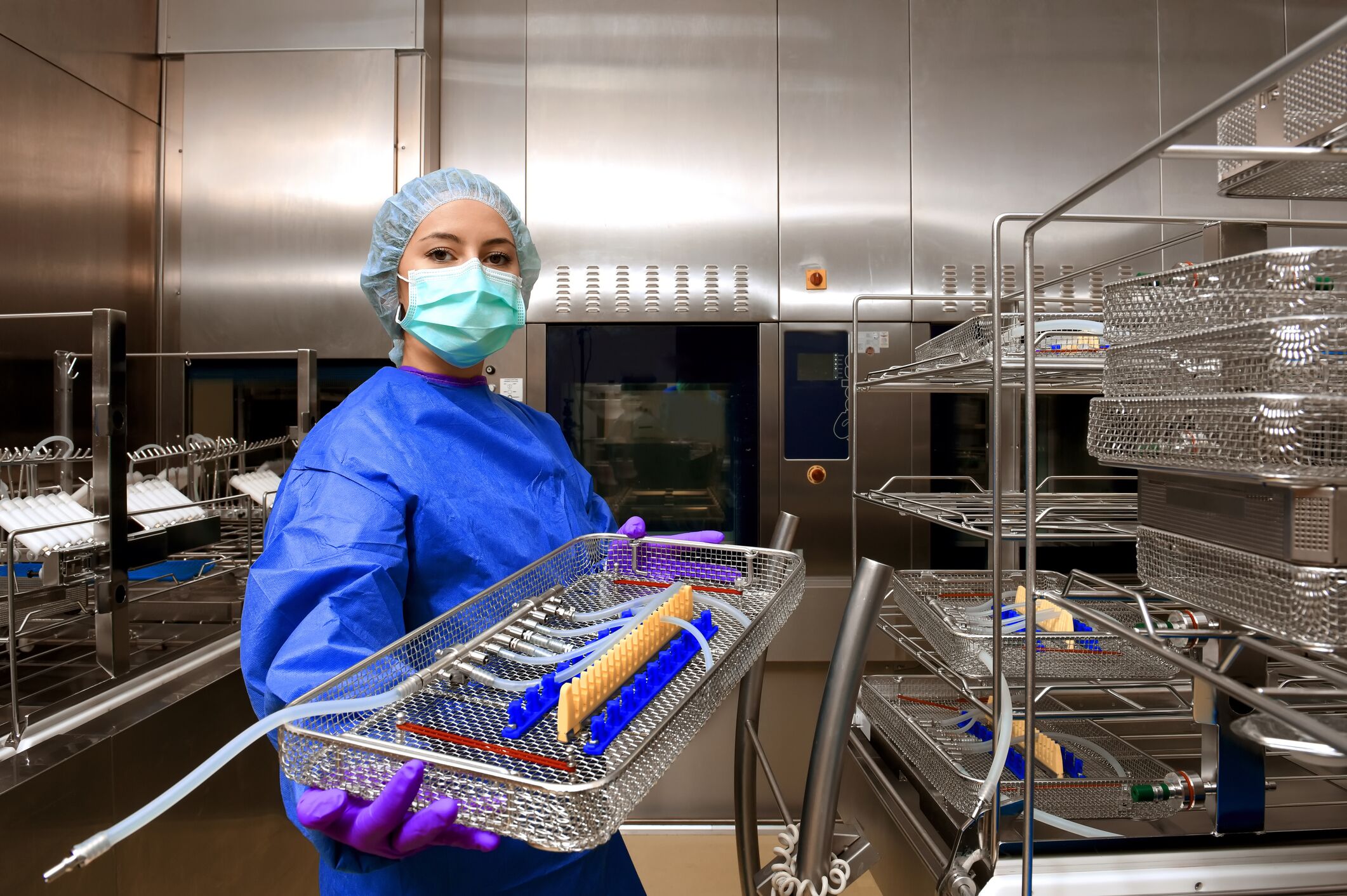
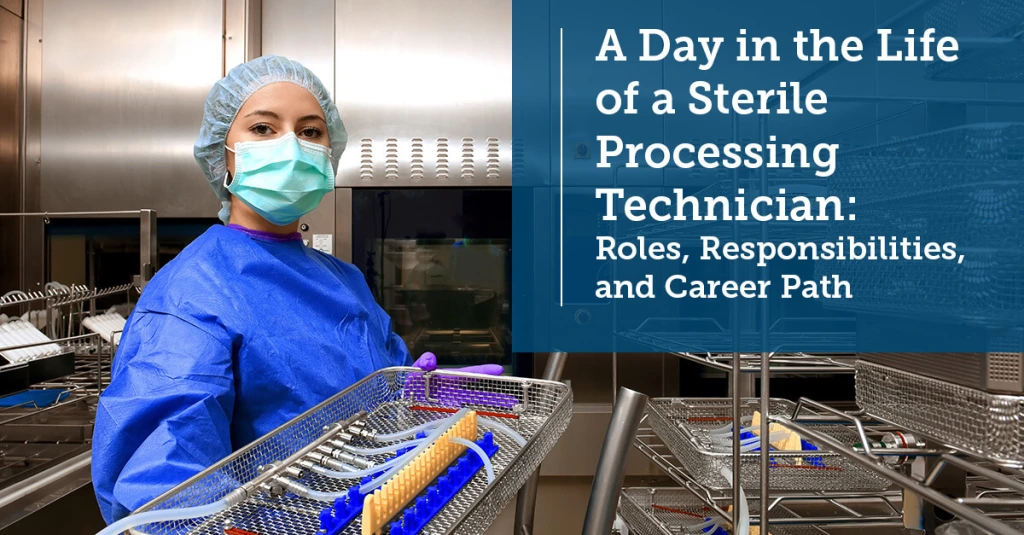
The role of a sterile tech is crucial in maintaining a safe and clean environment in healthcare settings. These professionals ensure that all surgical instruments and medical equipment are properly sterilized, reducing the risk of infection. Understanding what a sterile tech does can give you a clearer picture of how hospitals keep patients safe during procedures.
Key Responsibilities
- Sterilizing surgical tools and equipment using autoclaves and other sterilization machines
- Inspecting instruments for damage or wear before and after sterilization
- Organizing and storing sterile supplies to maintain cleanliness
- Documenting sterilization processes and maintaining records for quality control
- Collaborating with surgical teams to ensure instruments are ready for use
Daily Tasks And Duties
Your day as a sterile tech involves continuous attention to detail. You will receive used instruments from operating rooms, clean them, and prepare them for sterilization. After sterilization, you must carefully package and label the instruments to prevent contamination.
Communication plays a big part too. You often coordinate with nurses and surgeons to make sure the right tools are available when needed. This means you need to be organized and quick, especially during emergencies.
Importance In Healthcare
Have you ever thought about how many infections could be prevented simply by proper sterilization? Sterile techs are the frontline defenders against hospital-acquired infections. Without their work, patient recovery could be delayed, or worse, complications could arise.
Hospitals rely on sterile techs to keep surgical environments safe. Their role supports not just the surgical team but the overall health and safety of every patient. This makes the sterile tech an essential part of the healthcare system you might not often see but always benefit from.
Skills Required
A Sterile Tech plays a vital role in maintaining clean and safe medical environments. The skills they bring to the job ensure that surgical tools and equipment are free from germs. These skills help prevent infections and protect patients during medical procedures.
Strong skills are essential for Sterile Techs to perform their duties accurately and efficiently. They must handle delicate instruments, follow strict guidelines, and work well with healthcare teams. Below are some key skills required for this important role.
Technical Expertise
Sterile Techs must know how to clean and sterilize medical tools correctly. They use machines like autoclaves and ultrasonic cleaners. Understanding how these devices work is critical for safe sterilization. They also need to identify different instruments and materials to handle them properly.
Attention To Detail
Every tool must be spotless and sterile. Sterile Techs check each item carefully for damage or contamination. Small mistakes can cause serious health risks. Being precise and focused helps them avoid errors and maintain high safety standards.
Communication Skills
Clear communication with doctors, nurses, and other staff is important. Sterile Techs must report any problems or shortages quickly. They also follow instructions exactly and share information about equipment status. Good teamwork depends on their ability to communicate well.
Education And Training
Education and training form the backbone of a Sterile Tech’s ability to maintain safety and precision in medical environments. This role demands a blend of formal learning and hands-on experience to master the sterilization of surgical instruments and equipment. Your journey to becoming a skilled Sterile Tech involves several key stages that build your knowledge and confidence.
Certification Programs
Certification programs offer structured education tailored to the needs of Sterile Techs. These programs typically cover infection control, sterilization techniques, and equipment handling.
Many community colleges and vocational schools provide these courses, which often end with an exam to verify your knowledge. Certification not only boosts your resume but also ensures you meet industry standards.
Have you considered how certification might open doors to better job opportunities or higher pay in your career?
On-the-job Training
Hands-on training is where theory meets reality. Once you join a healthcare facility, you’ll work under experienced professionals who guide you through daily tasks.
This phase is crucial because every hospital has its own protocols and equipment types. You learn how to respond to real-time challenges, such as urgent sterilization requests or equipment malfunctions.
Think about the last time you learned something valuable by doing rather than reading—this is exactly how on-the-job training molds your skills.
Continuing Education
Health standards and sterilization technology evolve rapidly. Staying current is essential for your effectiveness and safety.
Continuing education may include workshops, seminars, or online courses that update you on new sterilization methods or safety regulations. Some employers require this ongoing training to keep your certification active.
Are you prepared to invest time regularly in learning to keep your skills sharp and your workplace safe?
Career Path
The career path of a Sterile Tech offers a clear progression from entry-level roles to specialized positions. Understanding this path helps you set realistic goals and identify the skills you need to develop. Whether you’re just starting or considering a switch, knowing where you can go keeps your motivation strong.
Entry-level Positions
Most Sterile Tech careers begin with roles like Sterile Processing Technician or Central Service Technician. These jobs involve cleaning, sterilizing, and preparing medical instruments. You’ll gain hands-on experience with sterilization equipment and learn hospital protocols.
Entry-level positions often require a high school diploma and on-the-job training or a certification. Starting here builds your foundation and exposes you to the fast-paced healthcare environment. Are you ready to handle the responsibility of ensuring patient safety through proper sterilization?
Advancement Opportunities
With experience, you can move up to lead technician roles or supervisory positions. These jobs include managing teams, training new staff, and overseeing quality control. You might also coordinate with surgical teams to ensure everything runs smoothly.
Some Sterile Techs pursue further education to become Infection Control Specialists or Healthcare Facility Managers. Advancement often means more responsibility but also better pay and job security. What leadership skills can you develop now to prepare for these roles?
Specialization Areas
Specializing can set you apart in the Sterile Tech field. You might focus on complex instrument sterilization, such as endoscopes or surgical robots. Others specialize in quality assurance or regulatory compliance to keep facilities up to code.
Specialized knowledge often requires additional certifications but opens doors to unique job roles. Are you curious about a niche that fits your strengths and interests? Choosing a specialization can make your work more rewarding and impactful.
Challenges Faced
Sterile techs face many challenges in their daily work. Their job requires focus and precision. They work in fast-paced environments where mistakes can cause serious problems. Handling stress, keeping up with new technology, and following strict safety rules are just a few of the hurdles they encounter. Understanding these challenges helps appreciate the skill and dedication sterile techs bring to healthcare.
Handling Stressful Situations
Sterile techs often handle urgent tasks. They must stay calm under pressure. Mistakes can delay surgeries or harm patients. They juggle multiple tasks at once. Stress can build quickly. Keeping a clear mind is essential to avoid errors. Support from team members helps reduce stress. Training also prepares them to manage tough moments.
Adapting To Technological Changes
Medical technology evolves rapidly. Sterile techs must learn new tools and machines. They need to update their skills regularly. This requires time and effort. Some equipment is complex and requires detailed knowledge. Adapting quickly ensures tools are clean and safe. Continuous learning is part of their routine. Staying current improves job performance and patient safety.
Ensuring Safety Standards
Safety is the top priority for sterile techs. They follow strict rules to prevent infection. Every tool must be sterile and ready for use. They check and double-check processes carefully. Small errors can cause serious health risks. Maintaining high safety standards protects patients and staff. Documentation and audits are common to ensure compliance. Their vigilance saves lives and keeps hospitals safe.
Credit: censis.com
Job Market Outlook
The job market outlook for sterile techs is promising and offers a range of opportunities for those entering the field. With healthcare constantly evolving, the role of a sterile tech remains crucial in ensuring patient safety. Understanding the demand, available positions, and industry trends can help you make informed career decisions.
Demand For Sterile Techs
Hospitals and surgical centers need sterile techs to prevent infections during operations. The demand grows as healthcare facilities expand and adopt stricter sterilization protocols. If you enjoy working behind the scenes and keeping things safe, this demand means job stability and growth.
Employment Opportunities
Jobs for sterile techs exist in various settings beyond hospitals. You can find roles in outpatient clinics, dental offices, and research labs. Some sterile techs even work in manufacturing companies that produce medical instruments.
- Hospitals and surgical centers
- Outpatient care facilities
- Dental and veterinary clinics
- Medical device manufacturers
Are you ready to explore which environment suits your skills and interests best?
Industry Trends
Technology is changing how sterile techs do their job. Automation and advanced sterilization equipment are becoming more common, requiring techs to learn new skills. Staying updated on these trends can give you an edge in the job market and keep your work interesting.
Additionally, infection control has become a top priority worldwide, which increases the importance of your role. How will you adapt to these changes to stay valuable in your career?

Credit: thesterileguy.com
Frequently Asked Questions
What Does A Sterile Tech Do Daily?
A Sterile Tech prepares and sterilizes medical instruments. They ensure tools are clean and safe for surgeries. Their work prevents infections and supports surgical teams effectively.
How To Become A Sterile Tech?
To become a Sterile Tech, complete a certificate or associate degree program. Gain hands-on experience through clinical training. Certification may be required in some states for better job prospects.
What Skills Are Essential For Sterile Techs?
Sterile Techs need attention to detail, manual dexterity, and knowledge of sterilization methods. Good communication and teamwork skills are also important for working in healthcare settings.
Where Do Sterile Techs Typically Work?
Sterile Techs commonly work in hospitals, surgical centers, and clinics. They support operating rooms by maintaining sterile environments and managing surgical instruments.
Conclusion
A sterile tech plays a key role in healthcare settings. They keep medical tools clean and safe. This helps prevent infections and protect patients. The job needs attention to detail and careful work. Training and knowledge are important to do it well.
Many healthcare teams depend on sterile techs daily. Their work supports doctors and nurses. Understanding their role shows how hospitals stay safe. A sterile tech’s job is quiet but very important.