What is a Vet Tech: Essential Role Explained for Pet Care Experts
Have you ever wondered who helps take care of your pet when they visit the vet? That’s where a Vet Tech comes in.
If you love animals and want to know more about the people behind the scenes, this article is for you. Understanding what a Vet Tech does could change the way you see veterinary care—and maybe even inspire your next career move.
Keep reading to discover the important role Vet Techs play in keeping your furry friends healthy and happy.

Credit: www.facebook.com
Role Of A Vet Tech
The role of a Vet Tech goes far beyond what many people expect. They play a crucial part in animal healthcare, working closely with veterinarians to ensure pets and animals receive the best treatment possible. Understanding their role can help you appreciate the dedication and skills required to succeed in this field.
Daily Responsibilities
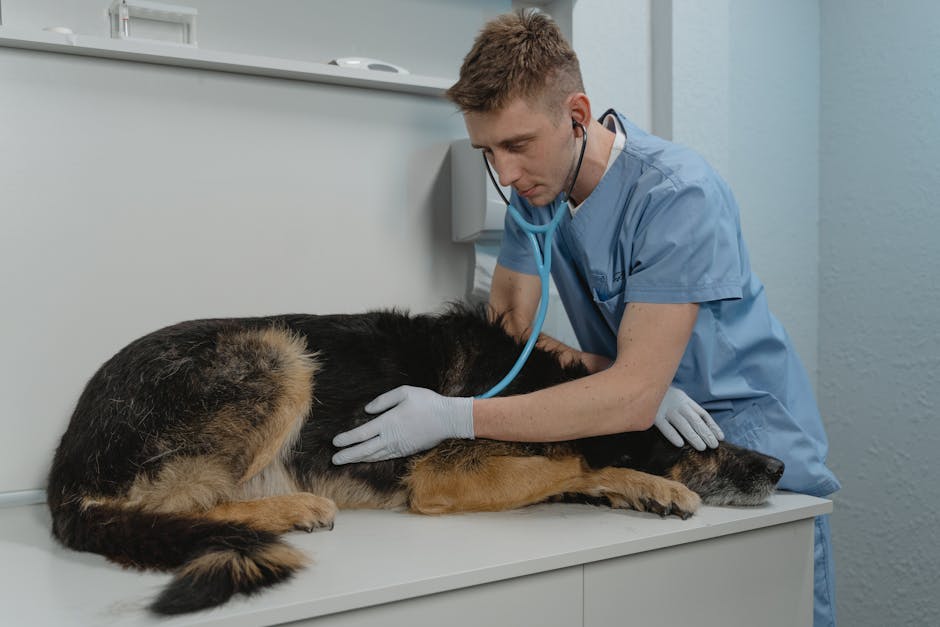
Vet Techs handle a wide range of tasks every day. They assist with physical exams, collect samples like blood or urine, and perform lab tests to help diagnose illnesses. Monitoring anesthesia during surgeries and providing post-operative care are also part of their routine.
Beyond medical duties, Vet Techs communicate with pet owners, explaining treatment plans and giving advice on animal care. They often manage appointments, maintain medical records, and keep the clinic clean and organized. These responsibilities require both technical skill and a caring attitude.
Skills Required
Strong communication skills are essential for a Vet Tech. You’ll need to clearly explain complex health issues to pet owners and work well with a veterinary team. Attention to detail matters too—missing a symptom or misreading a test could impact an animal’s treatment.
Practical skills like drawing blood, administering medications, and handling animals safely are core to the job. You also need emotional resilience. Caring for sick or injured animals can be tough, but staying calm and compassionate makes a real difference.
Work Environment
Vet Techs usually work in veterinary clinics, animal hospitals, or research facilities. The pace can be fast, especially in emergency situations, requiring quick thinking and adaptability. You might spend a lot of time on your feet and dealing with unpredictable animals.
While the environment can be physically demanding, many Vet Techs find the work rewarding because they see the positive impact on animals’ lives. Are you ready to handle the challenges and rewards that come with working alongside animals every day?
Training And Certification
Training and certification are essential steps to becoming a competent vet tech. These ensure you have the right knowledge and skills to care for animals effectively. Understanding what this training involves helps you prepare and set clear goals for your career path.
Educational Pathways
Most vet techs start by earning an associate degree from an accredited veterinary technology program. These programs usually take about two years and include both classroom learning and hands-on clinical experience.
You’ll study subjects like animal anatomy, pharmacology, and medical procedures. Some schools also offer bachelor’s degrees for those who want deeper knowledge or leadership roles.
Licensing Requirements
After completing your education, you need to pass the Veterinary Technician National Exam (VTNE) to become licensed. This exam tests your practical skills and theoretical knowledge to ensure you’re ready for real-world challenges.
Licensing rules vary by state, so it’s important to check the specific requirements where you want to work. Some states also require additional state-specific exams or background checks.
Continuing Education
Vet techs must keep their skills up to date through continuing education. This can include workshops, seminars, online courses, or attending veterinary conferences.
Continuing education helps you stay current with new treatments and technologies. It also keeps your license valid and can open doors to specialized certifications.
Collaboration With Veterinarians
Vet techs work closely with veterinarians to provide the best care for animals. Their teamwork ensures smooth clinic operations and better patient outcomes. Through constant collaboration, vet techs support vets in many crucial tasks, making animal care efficient and effective.
Assisting In Procedures
Vet techs prepare animals for exams and treatments. They help during surgeries by handing tools and monitoring vital signs. Their support allows veterinarians to focus fully on the procedure. This close cooperation helps reduce stress for the animals.
Communication With Pet Owners
Vet techs explain care instructions clearly to pet owners. They answer questions about medication and recovery steps. This communication builds trust between the clinic and clients. It also helps ensure pets get the right care at home.
Emergency Support
In emergencies, vet techs act quickly to assist veterinarians. They prepare emergency tools and stabilize animals. Their prompt actions can save lives during critical moments. Teamwork in emergencies is vital for fast and effective care.

Credit: www.facebook.com
Impact On Pet Care
Veterinary technicians play a vital role in improving the care pets receive. Their skills and knowledge directly affect the health and happiness of animals. They work closely with veterinarians to provide essential support. This support leads to better treatment outcomes and stronger bonds between pets and their owners.
Improving Animal Health
Vet techs assist in diagnosing and treating illnesses. They perform lab tests and monitor vital signs carefully. Their attention helps catch health problems early. Quick action can prevent serious conditions from developing. They also provide emergency care during critical moments, increasing pets’ chances of recovery.
Enhancing Client Experience
Vet techs communicate clearly with pet owners. They explain procedures and answer simple questions. This reduces worry and builds trust. They also teach clients how to care for pets at home. Friendly support makes visits to the clinic less stressful for everyone.
Preventive Care Roles
Vet techs help with vaccines and routine check-ups. They educate owners about nutrition, exercise, and parasite control. Their work encourages healthy habits that keep pets safe. Preventive care lowers the risk of illness and saves money long-term.
Career Opportunities
Career opportunities for vet techs are broad and varied. This role goes beyond basic animal care. Vet techs can specialize and grow professionally in many ways. The demand for skilled vet techs is steady, ensuring many job openings. Below, explore the key areas where vet techs can build their careers.
Specializations
Vet techs may focus on specific areas to enhance their skills. Common specializations include:
- Emergency and Critical Care
- Dental Technology
- Internal Medicine
- Behavior and Training
- Laboratory Technology
Each specialization requires extra training or certification. This helps vet techs provide expert care in focused fields.
Advancement Paths
Vet techs can advance their careers through education and experience. Options include:
- Becoming a Veterinary Technician Specialist (VTS)
- Moving into supervisory or management roles
- Teaching future vet techs
- Working in research or pharmaceuticals
Advancement often brings higher pay and more responsibility.
Job Market Trends
The job market for vet techs is growing steadily. Pet ownership rates keep increasing globally. This creates ongoing demand for animal healthcare workers. Veterinary clinics, hospitals, and labs all need vet techs. Trends show more opportunities in specialty clinics and emergency care. Remote and telemedicine roles are also emerging. The future looks promising for those in this field.

Credit: www.facebook.com
Frequently Asked Questions
What Does A Vet Tech Do?
A vet tech assists veterinarians in animal care. They perform tasks like administering medications, conducting lab tests, and preparing animals for surgery. Vet techs also communicate with pet owners, providing guidance on animal health and care. Their role is crucial in ensuring the well-being of animals in various settings.
How To Become A Vet Tech?
To become a vet tech, you typically need an associate degree in veterinary technology. This program usually lasts two years and includes coursework and practical experience. After graduation, you must pass the Veterinary Technician National Exam (VTNE) to become licensed.
Requirements may vary by state, so check local regulations.
What Skills Are Needed For Vet Techs?
Vet techs need strong communication skills to interact with pet owners and veterinarians. Technical skills are crucial for performing medical procedures and tests. Compassion and patience are important in handling animals. Organizational skills help in managing multiple tasks efficiently. A strong understanding of animal anatomy and physiology is also essential.
Are Vet Techs In High Demand?
Yes, vet techs are in high demand due to increasing pet ownership and advancements in veterinary medicine. Job opportunities are expected to grow, offering stable employment prospects. Vet techs are essential in veterinary clinics, research facilities, and animal hospitals, contributing to animal health care and welfare.
Conclusion
A vet tech plays a key role in animal care and health. They assist veterinarians with treatments and daily tasks. Their work helps animals feel better and recover faster. Many find this job rewarding and full of learning. It requires kindness, skill, and patience every day.
If you love animals, this career might suit you well. Understanding what a vet tech does gives you a clear view of their importance. They make a big difference in pets’ lives and owners’ peace of mind.