
Have you ever wondered how the ads you see online seem to know exactly what you like? That’s the magic of Ad Tech.
It’s the secret engine behind the ads that grab your attention and make you want to click. But what exactly is Ad Tech, and how does it work to connect you with products and services you care about? Keep reading, and you’ll discover how this powerful technology shapes your online experience—and why understanding it can give you an edge, whether you’re a consumer or a business owner.

Credit: adtechdaily.com
Ad Tech Basics
Understanding the basics of Ad Tech is essential if you want to navigate the digital advertising world effectively. It’s not just about placing ads online; it’s about using technology to target the right audience at the right time, optimizing budgets, and measuring results accurately. Let’s break down what makes Ad Tech tick and why it matters to your marketing efforts.
Core Components
Ad Tech relies on several key parts working together seamlessly. These include:
- Demand-Side Platforms (DSPs): Tools that help advertisers buy ad space automatically.
- Supply-Side Platforms (SSPs): Platforms that help publishers sell their ad space efficiently.
- Ad Exchanges: Marketplaces where DSPs and SSPs connect to buy and sell ad inventory in real time.
- Data Management Platforms (DMPs): Systems that collect and analyze user data to improve targeting.
Each component plays a specific role, but together, they create a streamlined process for digital advertising.
How It Works
Imagine you want to advertise a new product. You set your goals and budget within a DSP. The DSP then bids for ad space on websites that match your target audience, using data from DMPs to make smart decisions.
When a user visits a website, SSPs offer the available ad spaces through ad exchanges. The highest bidder wins, and the ad is shown instantly. This whole auction happens in milliseconds without disrupting the user experience.
Have you noticed how the ads you see online often feel relevant? That’s the power of real-time bidding and data-driven targeting working behind the scenes.
Key Players
Several companies and roles make Ad Tech function smoothly. Advertisers and brands want to reach customers effectively.
- Advertiserscreate campaigns and define who they want to target.
- Publishersprovide the space where ads appear, like websites or apps.
- Ad Tech Vendorsbuild the platforms and tools that facilitate buying, selling, and targeting ads.
- Agencies and Marketersoften manage campaigns and analyze data to improve results.
Knowing the roles of these players can help you understand where you fit in and how to collaborate better.
Programmatic Advertising
Programmatic advertising uses software to buy and sell ads automatically. Ad tech refers to the tools and technology behind this process. It helps businesses target the right audience quickly and efficiently.
Programmatic advertising is a type of online advertising that uses automated technology to buy and sell ad space. This technology allows advertisers to target specific audiences and reach them at the right time with the right message. Unlike traditional advertising methods, programmatic advertising is efficient, effective, and highly targeted. Programmatic advertising uses real-time data and analytics to make decisions about ad placement and targeting. This means that advertisers can reach their target audience with greater precision and accuracy, resulting in better return on investment (ROI). With programmatic advertising, advertisers can also adjust their campaigns in real-time to maximize their impact. Real-time bidding (RTB) is a key component of programmatic advertising. RTB allows multiple advertisers to bid on ad space in real-time, with the highest bidder winning the ad space. This process happens in a matter of milliseconds, making it a highly efficient and effective way to buy ad space. RTB is also highly targeted, allowing advertisers to reach specific audiences with their messages.Automated Buying
Automated buying is another key feature of programmatic advertising. Automated buying systems use algorithms and machine learning to make decisions about ad placement and targeting. These systems can analyze large amounts of data in real-time, making it possible to target specific audiences with precision and accuracy. Automated buying systems can also adjust ad campaigns in real-time to maximize their impact.Targeting Strategies
Targeting strategies are critical to the success of programmatic advertising. Advertisers can use a variety of targeting strategies, including demographic targeting, behavioral targeting, and contextual targeting. Demographic targeting allows advertisers to target specific age ranges, genders, and other demographics. Behavioral targeting allows advertisers to target people based on their online behavior, such as browsing history and search history. Contextual targeting allows advertisers to target people based on the content they are viewing, such as sports or news.Data And Analytics
Data and analytics form the core of Ad Tech. They help businesses understand their audience and improve ad strategies. By collecting and analyzing data, companies can make smarter decisions. This section breaks down key areas within data and analytics in advertising technology.
Audience Insights
Audience insights reveal who sees and interacts with ads. These insights include demographics like age, gender, and location. They also show interests and online behavior. Marketers use this data to target ads better. This ensures ads reach the right people at the right time.
Performance Tracking
Performance tracking measures how ads perform across platforms. It tracks metrics such as clicks, impressions, and conversions. This data shows which ads attract attention and drive action. Marketers adjust campaigns based on these results. Tracking helps to spend ad budgets wisely and boost returns.
Attribution Models
Attribution models assign credit to different touchpoints in a customer’s journey. They explain which ads influenced a purchase or action. Common models include last-click, first-click, and multi-touch attribution. Understanding attribution helps optimize ad spend. It shows which channels deliver the best results.
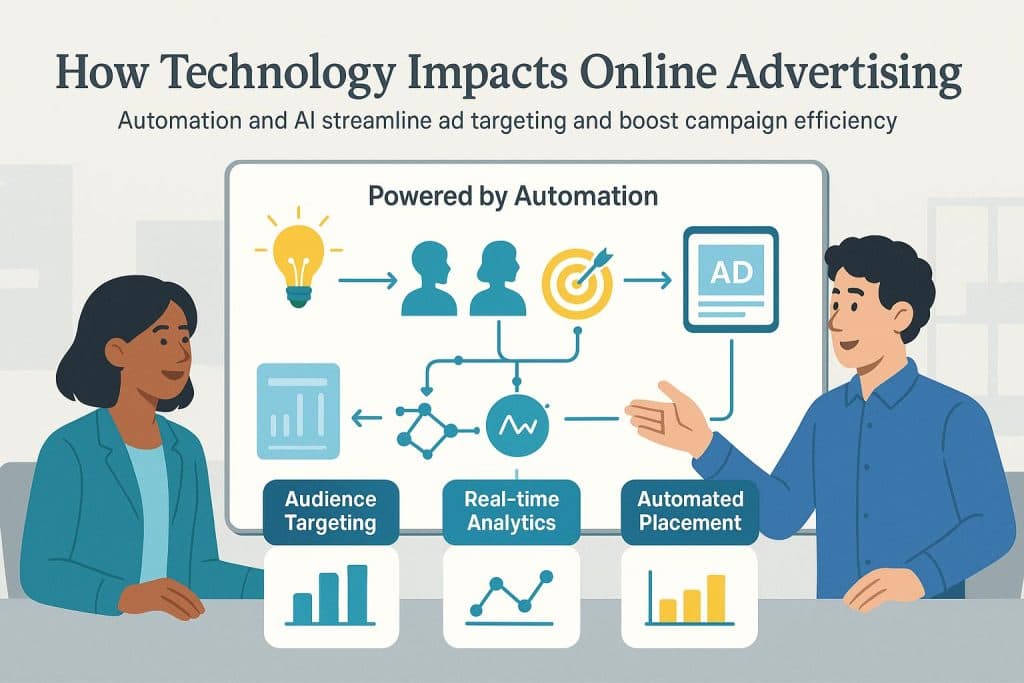
Credit: www.business.com
Emerging Technologies
Emerging technologies are reshaping the ad tech landscape, pushing the boundaries of how brands connect with their audiences. These innovations offer fresh tools that make advertising more precise, interactive, and trustworthy. Understanding these technologies can help you stay ahead and make smarter decisions in your campaigns.
Artificial Intelligence
Artificial Intelligence (AI) is transforming ad tech by automating complex tasks like audience targeting and content optimization. AI analyzes vast amounts of data to predict user behavior, helping you deliver the right message at the right time.
Imagine running a campaign that adjusts itself based on real-time feedback without constant manual input. This means better engagement and improved return on investment for your ads.
Blockchain In Ad Tech
Blockchain offers a transparent and secure way to track ad transactions, reducing fraud and ensuring advertisers get what they pay for. It creates a shared ledger that verifies every impression and click, which builds trust between advertisers and publishers.
Have you ever questioned if your ad budget is truly reaching genuine users? Blockchain can help eliminate those doubts and make your spending more effective.
Augmented Reality Ads
Augmented Reality (AR) ads bring a new level of interaction by blending digital content with the real world. You can let customers try products virtually or explore features through immersive experiences.
Think about a furniture ad that lets you see how a sofa fits in your living room using your phone. This hands-on approach can boost customer interest and drive sales like never before.
Privacy And Compliance
Privacy and compliance are at the heart of ad tech today. With growing concerns over how personal data is collected and used, the industry must balance innovation with respect for individual rights. Understanding these elements can help you navigate the complex landscape and maintain trust with your audience.
Data Protection Laws
Data protection laws like GDPR in Europe and CCPA in California set clear rules on how you can collect and process personal information. They require businesses to be transparent about data use and give users control over their data. Ignoring these laws can lead to hefty fines and damage your brand’s reputation.
Think about how often you’ve seen cookie consent pop-ups online. These are direct results of such regulations. Are you confident your ad tech strategy aligns with these laws? If not, it’s time to review your data handling practices carefully.
User Consent
User consent is more than just a checkbox. It’s about gaining explicit permission before tracking or targeting someone. This means clear communication and easy ways for users to opt out.
From my experience working with advertisers, those who prioritize transparent consent see higher engagement rates. People respond better when they feel their privacy is respected. How do you ensure your consent process is both compliant and user-friendly?
Impact On Ad Strategies
Privacy rules have reshaped ad strategies significantly. Targeting based on third-party cookies is declining, pushing marketers to rely more on first-party data and contextual advertising.
This shift challenges you to be more creative and precise. Could you use aggregated data to find patterns without invading privacy? Or focus on content relevance instead of intrusive tracking? These questions could guide smarter, compliant campaigns that still deliver results.

Credit: fpf.org
Future Trends
The future of Ad Tech is shaping how you connect with audiences across multiple platforms. As technology advances, the way ads reach you and how personalized they become will change dramatically. Understanding these trends can help you stay ahead, whether you’re a marketer or a curious consumer.
Cross-channel Integration
Imagine seeing an ad on your phone, then a related one pop up on your laptop, and later on your smart TV. Cross-channel integration makes this seamless experience possible by syncing campaigns across devices and platforms.
This trend means marketers will have better tools to track your journey and deliver consistent messages without overwhelming you. Are you noticing ads that feel more connected and less random? That’s the power of cross-channel strategies in action.
Personalization Evolution
Ads are no longer one-size-fits-all. The future brings smarter personalization that adapts instantly to your preferences, behaviors, and even mood.
Think about ads that change based on the time of day you browse or your recent searches. This level of tailoring improves relevance and can save you time by showing only what truly matters to you.
How much do you trust personalized ads? Your experience will shape how marketers refine these tactics.
Sustainability In Advertising
More brands are asking how their ads impact the planet. Sustainability in Ad Tech focuses on reducing energy use and waste in digital advertising.
This includes optimizing ad delivery to avoid unnecessary data transfers and using eco-friendly hosting services. You might soon see “green” badges on ads that support sustainable practices.
Would you prefer ads that align with your values on environmental responsibility? This trend could influence your buying decisions more than you expect.
Frequently Asked Questions
What Does Ad Tech Mean?
Ad Tech refers to tools and software that help advertisers target audiences effectively. It encompasses data management, analytics, and automated systems. Ad Tech optimizes ad placement and performance across digital platforms. This technology is crucial for businesses seeking precise audience targeting and maximizing their advertising ROI.
How Does Ad Tech Work?
Ad Tech works by using data and algorithms to optimize digital advertising. It automates ad buying, placement, and analysis. This technology tracks user behavior and preferences to deliver targeted ads. By leveraging Ad Tech, businesses ensure efficient ad spend and enhance user engagement through personalized content.
Why Is Ad Tech Important?
Ad Tech is important because it enhances advertising efficiency and effectiveness. It enables precise targeting, maximizing ROI. Businesses use Ad Tech to understand consumer behavior and preferences. This technology helps deliver personalized ads, improving user engagement and conversion rates. Ad Tech is essential for staying competitive in the digital advertising landscape.
How Does Ad Tech Benefit Advertisers?
Ad Tech benefits advertisers by providing tools for targeted and efficient ad campaigns. It automates ad placement and performance tracking. Advertisers gain insights into consumer behavior and preferences. This technology enhances ad effectiveness, increases ROI, and helps reach the right audience at the right time.
Conclusion
Ad Tech helps advertisers reach the right people online. It uses data and tools to show better ads. This technology makes advertising smarter and more efficient. Businesses can save money and get more customers. Understanding Ad Tech helps you see how ads work today.
It changes the way companies connect with audiences. Keeping up with Ad Tech is important for marketing success. It’s a key part of the digital world now. Simple and effective. That’s what Ad Tech offers.