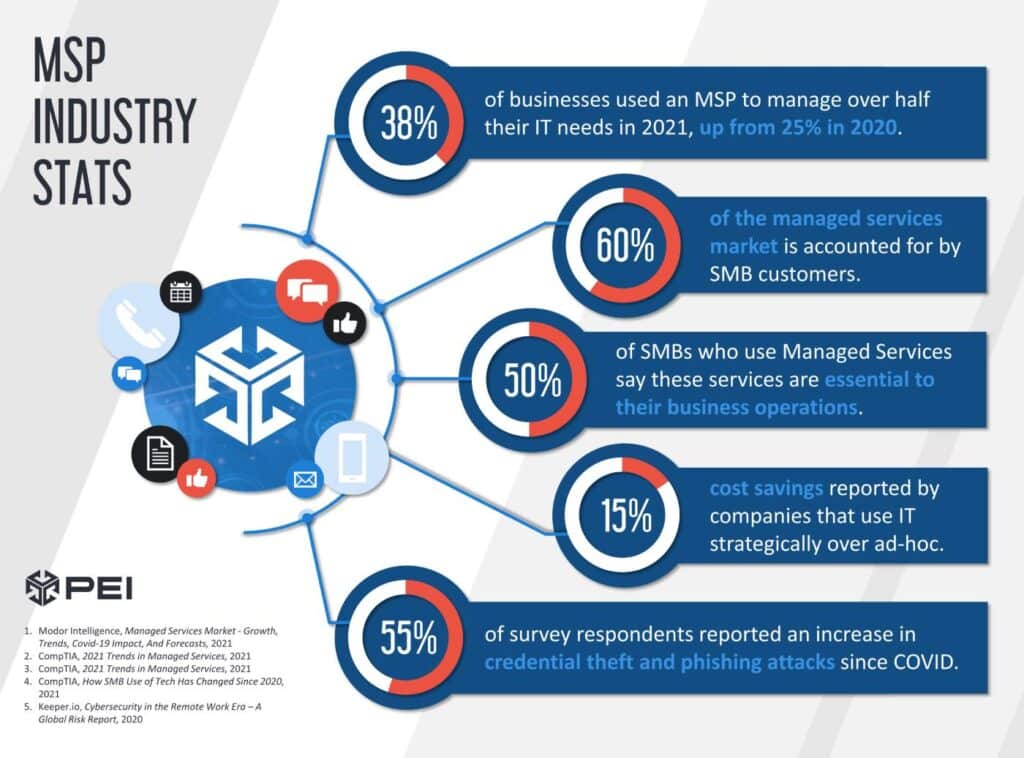
Have you ever wondered who keeps your business’s technology running smoothly without you having to worry? That’s where an MSP in tech comes in.
If you’re looking for a way to protect your data, fix issues quickly, and get expert support whenever you need it, understanding what an MSP does can change the game for you. Keep reading to discover how an MSP can make your tech work smarter, so you can focus on what matters most—growing your business.
Managed Services Basics
Managed services provide ongoing support and management for a company’s technology. These services help businesses keep their IT systems running smoothly. Managed Service Providers (MSPs) take care of tasks that might otherwise require a full-time IT staff.
This approach reduces downtime and improves system security. It allows businesses to focus on their core work, not on IT problems.
Core Functions Of Msps
- Monitoring network and system performance 24/7
- Managing cybersecurity and protecting data
- Handling software updates and patches
- Providing technical support and troubleshooting
- Backing up and restoring data
- Managing cloud services and infrastructure
How Msps Differ From Traditional It
Traditional IT often works on a break-fix model. This means fixing problems only after they happen. MSPs use a proactive approach. They monitor systems constantly to prevent issues before they arise.
MSPs offer predictable monthly costs. Traditional IT can be more expensive due to emergency repairs. MSPs also provide scalable services that grow with the business. Traditional IT may lack this flexibility.
Key Benefits For Businesses
- Lower IT costs with fixed monthly fees
- Improved system reliability and uptime
- Access to expert knowledge and latest technology
- Faster problem resolution and less downtime
- Better security and compliance with industry standards
- More time to focus on core business goals
Types Of Managed Services
Managed Service Providers (MSPs) offer various types of services to help businesses manage their technology. These services cover many areas, ensuring smooth and secure operations. Understanding the main types helps businesses choose the right support.
Network Management
Network management keeps a company’s IT systems running smoothly. MSPs monitor networks to prevent downtime and fix issues fast. They handle tasks like configuring routers, switches, and firewalls. Regular updates and performance checks improve network speed and reliability.
Security Services
Security services protect data and devices from cyber threats. MSPs offer firewalls, antivirus programs, and intrusion detection systems. They also manage data backups and disaster recovery plans. Continuous monitoring helps catch and stop attacks early.
Cloud Solutions
Cloud solutions provide flexible and scalable IT resources. MSPs help businesses move data and applications to the cloud. They manage cloud storage, servers, and software services. This reduces costs and allows easy access from anywhere.
Help Desk Support
Help desk support assists users with technical problems. MSPs offer quick answers and solutions to IT questions. They handle software issues, hardware problems, and user training. This support keeps employees productive and reduces downtime.
Choosing The Right Msp
Choosing the right Managed Service Provider (MSP) is key for smooth business operations. The right MSP supports your technology needs and helps your business grow. A careful selection process saves time, money, and stress.
Evaluating Service Offerings
Check what services the MSP provides. Look for support in areas like:
- Network management
- Cybersecurity
- Cloud services
- Data backup and recovery
- Helpdesk support
Choose an MSP that covers your current needs and can handle future ones. Avoid providers with limited services. This ensures you get complete tech support from one source.
Assessing Industry Experience
Experience in your industry matters. An MSP familiar with your field understands unique challenges. They offer tailored solutions that fit your business model. Ask about their past clients and success stories. This shows their ability to manage similar environments effectively.
Considering Scalability And Flexibility
Your business will change over time. Pick an MSP that grows with you. They should offer flexible plans and scalable services. This lets you add or reduce support as needed. Avoid rigid contracts that limit adjustments. Flexibility helps you stay agile and ready for new demands.
Msp Implementation Process
The MSP implementation process is a critical journey that shapes how your business leverages technology for growth and security. It involves detailed steps that ensure the managed service provider (MSP) aligns with your company’s unique needs and IT environment. Understanding this process can help you set clear expectations and get the most value from your MSP partnership.
Initial Assessment And Planning
Before any technical work begins, your MSP will conduct a thorough assessment of your current IT infrastructure. This includes reviewing hardware, software, network security, and existing workflows.
You’ll collaborate on identifying pain points and defining goals. Clear communication at this stage prevents costly surprises later and ensures the MSP tailors solutions specifically for your business needs.
Onboarding And Integration
This phase is where the MSP starts integrating their tools and services with your systems. Expect detailed schedules and checklists to track progress and minimize disruption.
During onboarding, your team will often receive training on new software or protocols. This hands-on approach helps everyone adjust smoothly and keeps your business running without major hiccups.
Ongoing Monitoring And Support
Once the MSP is fully operational, continuous monitoring becomes essential. Your systems are watched 24/7 to catch issues before they become problems.
Support teams are available to resolve incidents and update your technology as needed. Regular reports keep you informed, allowing you to focus on your core business with confidence in your IT environment.
Trends Shaping Msps
Managed Service Providers (MSPs) in tech are evolving rapidly due to several key trends that are reshaping how they deliver services. These shifts are not just improving efficiency but also changing the role MSPs play in supporting businesses. Understanding these trends can help you anticipate what’s coming and decide how to align your own tech needs or service offerings.
Automation And Ai
Automation and AI are no longer optional for MSPs; they’re essential tools. Automated systems handle repetitive tasks like software updates and monitoring, freeing up your team to focus on more complex issues. AI enhances problem detection by predicting failures before they happen, reducing downtime significantly.
Think about how much time you spend on routine maintenance. Could automation cut that in half or more? Many MSPs report that AI-driven tools have improved their response times and customer satisfaction.
Cybersecurity Enhancements
Cybersecurity remains a top priority as threats become more sophisticated. MSPs are adopting advanced security measures such as multi-factor authentication, endpoint detection, and real-time threat intelligence. These tools help protect your data and prevent costly breaches.
Have you considered how well your current provider defends against modern cyber threats? Enhanced security protocols can be a game-changer for your business’s safety and compliance.
Remote Work Impact
The rise of remote work has forced MSPs to rethink infrastructure and support models. They now focus on secure remote access, cloud services, and flexible IT support to keep your workforce productive anywhere. This shift means MSPs must be proactive in managing diverse and distributed environments.
Is your MSP prepared to support a hybrid or fully remote team? The ability to quickly adapt and offer seamless remote solutions is crucial in today’s work landscape.

Credit: www.linkedin.com
Common Challenges With Msps
Partnering with a Managed Service Provider (MSP) offers many benefits for tech needs. Still, businesses often face challenges that affect smooth collaboration. Understanding these common issues can help prepare better strategies and improve the partnership. Several key challenges arise regularly in MSP relationships.
Communication Barriers
Clear communication is essential for MSP success. Often, technical jargon creates confusion for non-experts. Misunderstandings about service details or timelines can cause delays. Lack of regular updates may leave clients in the dark about important issues. These barriers reduce trust and slow problem-solving. Both sides must commit to clear, simple, and frequent communication.
Service Level Agreement Issues
Service Level Agreements (SLAs) define the expectations between clients and MSPs. Vague or unrealistic SLA terms lead to disputes over service quality. Sometimes MSPs fail to meet response or resolution times promised. Clients may struggle to enforce penalties or corrections due to weak clauses. Regularly reviewing and updating SLAs ensures they reflect actual needs and capabilities.
Managing Costs Effectively
Cost control is a major concern for companies using MSPs. Unexpected fees or unclear billing can cause budget problems. Some MSPs charge for services outside the contract without prior notice. Clients often find it hard to track and predict monthly expenses. Transparent pricing and detailed invoices help maintain control over MSP costs.
Future Of Managed Services
The future of managed services is bright and full of change. Managed Service Providers (MSPs) will play a bigger role in helping businesses use technology smartly. They will adopt new tools and meet new needs to keep clients safe and efficient. Growth in this field depends on how well MSPs adapt to new trends.
Emerging Technologies
New technologies shape the future of MSPs. Artificial intelligence helps automate tasks and improve service. Cloud computing allows easy access to data from anywhere. Cybersecurity tools grow more advanced to fight new threats. MSPs using these technologies will offer better, faster support.
Evolving Client Expectations
Clients want more than just basic IT help. They need MSPs to provide quick fixes and strategic advice. Businesses expect 24/7 support and proactive problem solving. MSPs must understand each client’s unique needs and goals. Meeting these expectations builds trust and long-term partnerships.
Growth Opportunities
The MSP market will expand as more companies outsource IT tasks. Small and medium businesses will seek affordable, expert support. New industries will need specialized managed services. MSPs that train staff and update tools can enter new markets easily. Growth comes from offering value and staying ahead of trends.
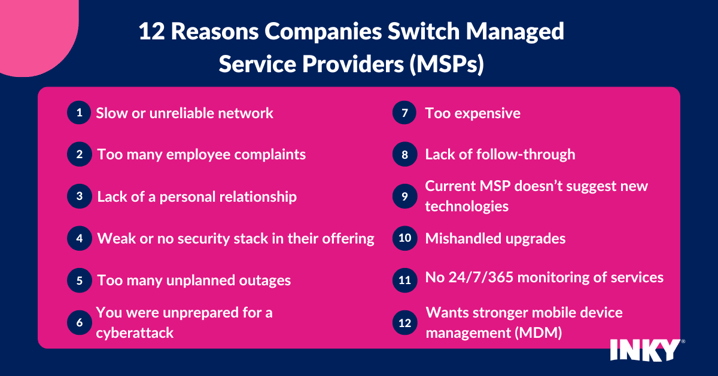
Credit: www.inky.com

Credit: www.n-able.com
Frequently Asked Questions
What Does Msp Stand For In Tech?
MSP stands for Managed Service Provider. These companies offer IT support and management services. They help businesses with network management, security, and data backup. MSPs ensure systems run smoothly and efficiently. They often work on a subscription basis, providing ongoing support to clients.
How Do Msps Benefit Businesses?
MSPs offer cost-effective IT solutions for businesses. They provide expert management of systems and networks. Businesses save on hiring in-house IT staff. MSPs ensure technology runs efficiently and securely. They also offer scalable solutions to adapt to business growth and changes.
Are Msps Only For Large Companies?
No, MSPs serve businesses of all sizes. Small and medium-sized businesses often benefit from MSPs. They provide affordable access to expert IT services. MSPs offer scalable solutions that grow with the business. They help manage IT challenges without needing a large internal team.
What Services Do Msps Offer?
MSPs offer a variety of IT services. Common services include network management, cybersecurity, and data backup. They also handle software updates and system monitoring. MSPs provide technical support and troubleshoot issues. Their services are often customized to meet specific business needs.
Conclusion
An MSP helps businesses manage their technology smoothly. It saves time and reduces stress for companies. Experts handle IT tasks, so teams can focus on work. This support keeps systems safe and up to date. Choosing the right MSP can improve business efficiency.
Understanding what an MSP does helps make smart decisions. Technology support is simpler with a trusted partner. Consider an MSP to keep your tech running well.