What is Assistive Tech: Unlocking Life-Changing Innovations
Have you ever wondered how technology can make everyday tasks easier for people with disabilities? Assistive tech is the key that opens doors to independence and improved quality of life.
Whether it’s helping someone communicate, move around, or learn, assistive technology is designed to support your unique needs. You’ll discover what assistive tech really is, how it works, and why it might be a game-changer for you or someone you care about.
Keep reading to unlock the power of tools that can transform challenges into possibilities.
Understanding Assistive Technology
Understanding assistive technology is essential if you want to see how it can change lives. It’s not just about gadgets; it’s about tools designed to help people overcome challenges in daily activities. Whether you or someone you know has a disability, assistive tech can open doors to independence and opportunity.
What Exactly Is Assistive Technology?
Assistive technology includes devices, software, or equipment that help people perform tasks they find difficult. These can range from simple tools like magnifying glasses to advanced software that reads text aloud. The goal is to make everyday tasks easier and more accessible.
Who Can Benefit From Assistive Tech?
Assistive technology is not only for people with permanent disabilities. It also helps those with temporary injuries, learning difficulties, or age-related challenges. Have you ever thought about how a voice-to-text app could help someone struggling with writing due to arthritis?
Common Types Of Assistive Technology
- Mobility aids:wheelchairs, walkers, and prosthetic limbs.
- Hearing devices:hearing aids and cochlear implants.
- Visual aids:screen readers, magnifiers, and braille displays.
- Communication tools:speech-generating devices and communication apps.
- Learning supports:software for reading, writing, and organization.
How Does Assistive Technology Improve Daily Life?
Imagine struggling to read a book or type an email. Assistive technology can remove those barriers. It helps you gain confidence by enabling you to complete tasks independently that once felt impossible.
What Should You Consider When Choosing Assistive Technology?
Choosing the right assistive technology depends on your specific needs and environment. Think about ease of use, compatibility with other devices, and affordability. Have you tried different options to see what truly fits your lifestyle?
Types Of Assistive Devices
Assistive devices come in many forms, each designed to support different needs and challenges. Understanding the types can help you find the right tools to improve daily living, work, or learning. These devices enhance independence and empower you to overcome barriers in practical ways.
Mobility Aids
Mobility aids help you move around more easily and safely. Common examples include wheelchairs, walkers, and canes. These tools can be customized to fit your lifestyle, whether you need support indoors or outdoors.
Think about how a simple change, like switching to a lightweight wheelchair, might increase your freedom to explore new places. Have you ever considered how mobility aids could transform your daily routine?
Communication Tools
Communication tools assist those who have difficulty speaking or hearing. Devices such as speech-generating devices, hearing aids, and text-to-speech apps make conversations clearer and more accessible.
Imagine being able to join conversations more confidently with the right communication tool. What conversations could you engage in if your voice was always heard?
Cognitive Supports
Cognitive supports help with memory, attention, and problem-solving. These include reminders, organizational apps, and specialized software designed to boost focus and manage tasks.
Using a simple reminder app can change how you manage your day. What would you accomplish if you never forgot an important appointment again?
Sensory Enhancements
Sensory enhancements improve how you process sights, sounds, or touch. Examples include noise-canceling headphones, screen readers, and tactile feedback devices.
Imagine how reducing sensory overload could improve your concentration and comfort. What sensory challenges could be eased with the right enhancement?
Benefits Of Assistive Tech
Assistive technology offers many benefits to people with disabilities or challenges. It helps users perform tasks that might be hard or impossible otherwise. This technology supports everyday activities and promotes greater freedom and confidence.
Improved Independence
Assistive tech allows users to complete tasks on their own. It reduces reliance on others for daily activities. Devices like mobility aids and adaptive tools enhance self-sufficiency. This independence can boost self-esteem and motivation.
Enhanced Communication
Many assistive devices help people express themselves better. Speech-generating devices and communication apps make interaction easier. Users can share thoughts and feelings more clearly. This support improves social connections and reduces isolation.
Better Quality Of Life
Assistive technology improves comfort and safety. It helps users participate in work, school, and leisure. Tools designed for accessibility create equal opportunities for all. Overall, it leads to a happier and more fulfilling life.

Credit: alsoweb.org
Innovative Assistive Technologies
Innovative assistive technologies help people with disabilities live more independently. These tools use new ideas and smart designs to solve daily challenges. They improve mobility, communication, and access to information. Many solutions are small, easy to use, and fit into everyday life.
Wearable Devices
Wearable devices support people by providing real-time help. They include smartwatches that monitor health and alert users to dangers. Some wearables translate speech into text for easier communication. Others help with navigation using GPS and vibration signals. These devices are light, portable, and simple to operate.
Smart Home Solutions
Smart home solutions make living spaces safer and more accessible. Voice-controlled lights and thermostats offer easy control. Automated doors and window openers reduce physical effort. Sensors can detect falls and send alerts to caregivers. These technologies create comfortable and secure homes for everyone.
Robotics And Ai
Robotics and artificial intelligence bring new abilities to assistive tech. Robots can help with tasks like picking up objects or opening doors. AI-powered apps assist with reading, writing, and learning. Some systems use facial recognition to aid memory and orientation. These tools combine intelligence with action to support daily life.
Challenges In Assistive Tech
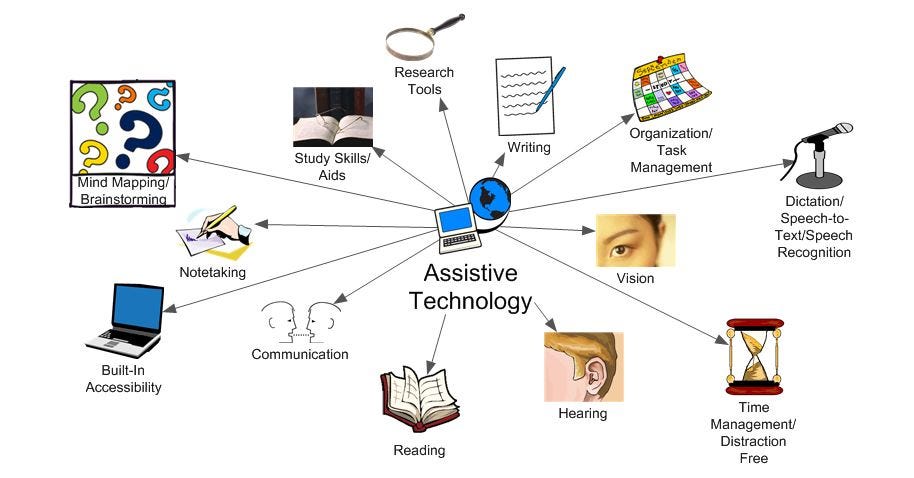
Assistive technology helps many people live more independently. It supports those with disabilities in daily tasks and work. Despite its benefits, assistive tech faces several challenges. These issues limit its reach and effectiveness. Understanding these challenges helps improve future solutions.
Accessibility Barriers
Many assistive tools are hard to access. Some require special skills or setups. Physical barriers can also limit use. Not all environments support the technology well. This makes it difficult for users to benefit fully.
Cost Considerations
Assistive devices often come with high price tags. Many people cannot afford them. Insurance may not cover these costs. This creates a gap between those who need tech and those who can buy it. Cheaper options may lack quality or features.
Limited Awareness
Many people do not know about available assistive tech. Users may not learn about tools that fit their needs. Caregivers and educators also lack information. This slows down adoption and proper use. Raising awareness is key to wider acceptance.
Credit: medium.com
Future Trends In Assistive Tech
The future of assistive technology is bright and full of possibilities. New tools and ideas keep emerging to help people live better lives. These trends focus on making technology easier to use, more helpful, and a natural part of daily routines.
Emerging Technologies
Cutting-edge devices use artificial intelligence and machine learning. These help understand user needs more clearly. Brain-computer interfaces and wearable tech improve mobility and communication. Robotics assist with physical tasks and personal care. Smart glasses and hearing aids offer better experiences. These tools adapt quickly to changes in user ability.
Increased Accessibility
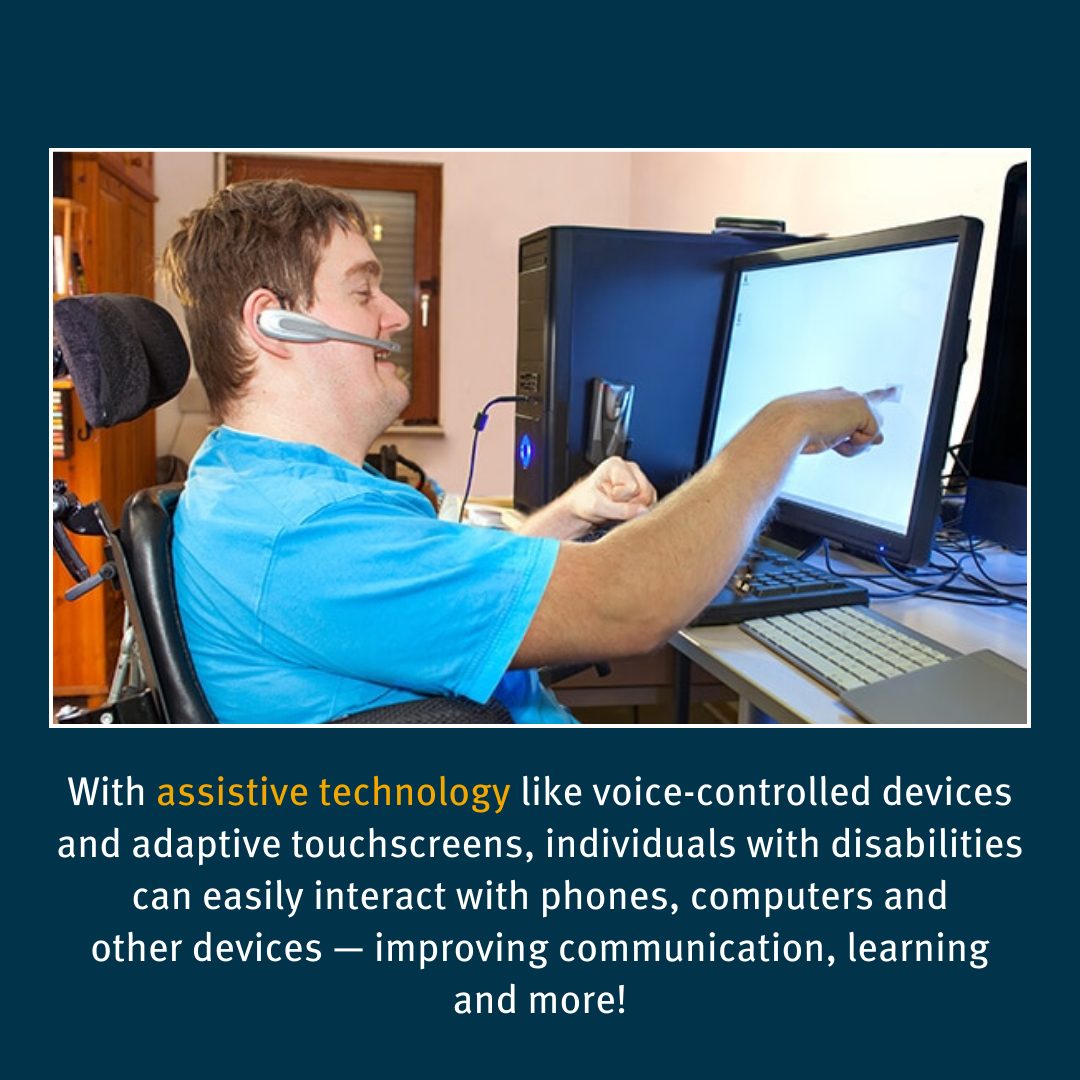
Assistive tech is becoming more affordable and widely available. Companies design products with simple interfaces for all users. Voice commands and gesture controls reduce the need for complex setups. Apps and devices support multiple languages and cultures. Public spaces and websites improve access for people with disabilities. This helps more people benefit from assistive tools every day.
Integration With Everyday Life
Assistive devices blend seamlessly into homes and workplaces. Smart home systems adjust lighting, temperature, and security automatically. Personal assistants remind users about tasks and appointments. Wearable tech tracks health and alerts for emergencies. These tools work quietly in the background. They support independence without standing out or causing inconvenience.
Credit: www.facebook.com
Frequently Asked Questions
What Is Assistive Technology?
Assistive technology refers to devices or software that help people with disabilities perform daily tasks. It improves independence and accessibility. Examples include screen readers, hearing aids, and mobility devices. It enhances quality of life by reducing barriers in education, work, and communication.
Who Benefits From Assistive Tech?
People with physical, sensory, or cognitive disabilities benefit most from assistive tech. It supports individuals in schools, workplaces, and homes. Assistive tech helps improve communication, mobility, learning, and daily living activities. It promotes inclusion and equal opportunities for all users.
How Does Assistive Technology Improve Accessibility?
Assistive technology removes barriers by adapting environments and tools to users’ needs. It enables easier access to information, communication, and physical spaces. For example, voice recognition aids those who can’t type. It helps users participate fully in education, work, and social activities.
What Are Common Examples Of Assistive Devices?
Common assistive devices include screen readers, hearing aids, speech-to-text software, and wheelchairs. These tools support vision, hearing, mobility, and communication challenges. They are designed to be user-friendly and customizable. Their goal is to enhance independence and daily functioning.
Conclusion
Assistive tech helps people live more independently every day. It supports those with disabilities in many ways. Devices and software make tasks easier and improve communication. This technology grows and changes with new ideas. Everyone can benefit from learning about it.
Understanding assistive tech opens doors to better support. It shows how technology can help everyone succeed.