
Have you ever wondered how technology can help protect the planet? What if you could learn about tools and ideas that make your life easier while caring for the environment?
That’s exactly what green tech is all about. Understanding green tech can empower you to make smarter choices for your home, work, and community. Keep reading to discover how this powerful wave of innovation is changing the world—and how it can change your life too.
Green Tech Basics
Understanding the basics of green technology is essential if you want to make informed decisions about how you live and work sustainably. Green tech, at its core, is about using innovations that reduce environmental harm while supporting economic growth. Let’s break down what green tech really means and why it matters to you.
Key Concepts
Green technology focuses on solutions that minimize pollution and waste. It includes renewable energy sources like solar and wind power, energy-efficient appliances, and sustainable materials.
Think about how using LED bulbs saves energy compared to traditional ones. That’s a simple green tech application in your daily life. It’s about making choices that reduce your carbon footprint without sacrificing comfort or convenience.
Historical Background
Green tech isn’t new; its roots trace back to early environmental movements in the 20th century. The oil crises of the 1970s, for example, pushed governments and businesses to explore alternative energy sources.
Since then, advances in science and technology have accelerated green innovations. You might be surprised to learn that solar panels were first developed over 60 years ago, showing how long the push for cleaner energy has been underway.
Importance Today
Today, green technology is more critical than ever. With climate change impacts becoming clearer, adopting green tech can directly affect your quality of life.
It also offers economic benefits: lowering energy bills, creating new jobs, and reducing dependence on fossil fuels. Have you considered how a small change, like switching to a programmable thermostat, could save you money and help the planet?
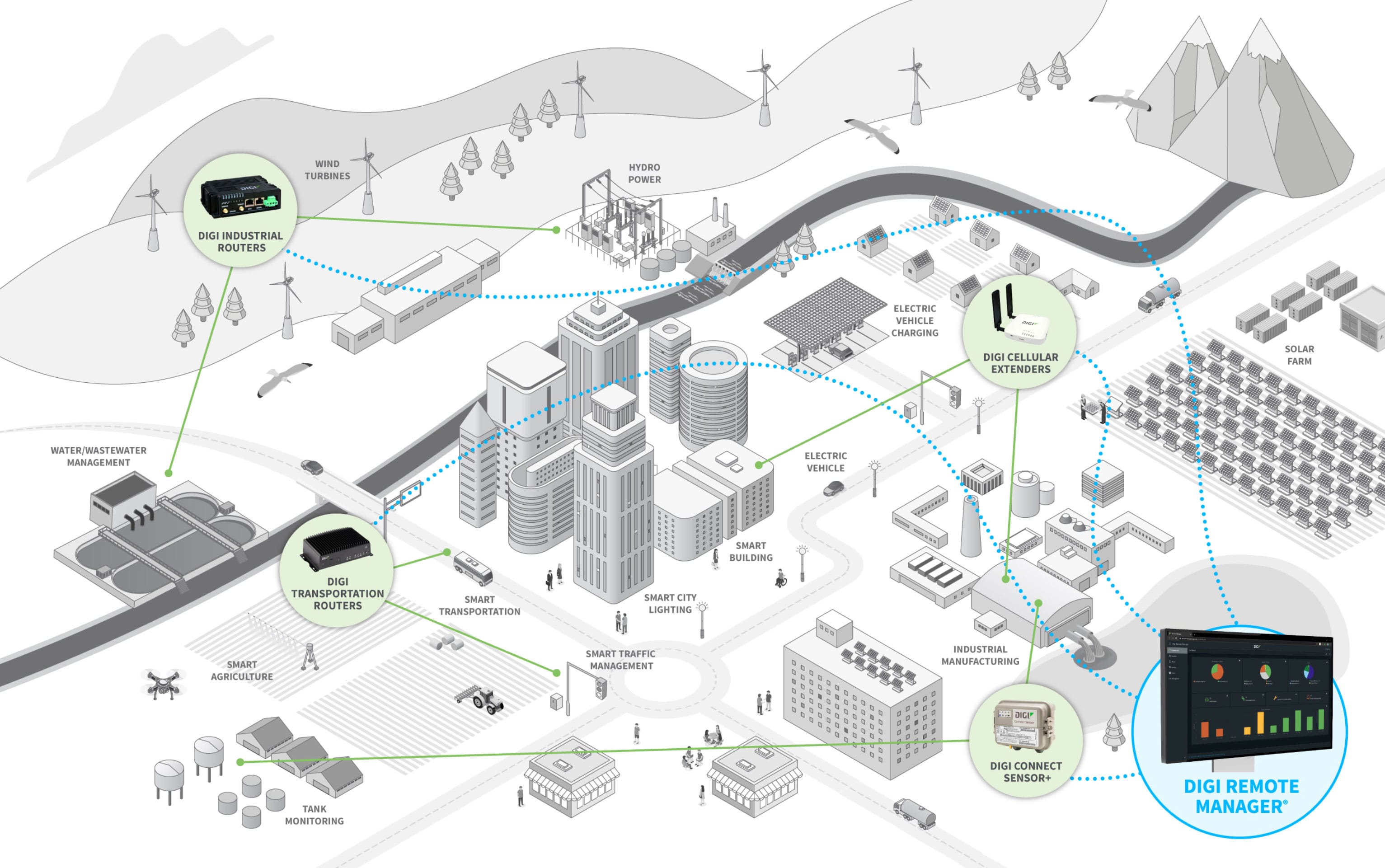
Credit: www.digi.com
Core Green Technologies
Core green technologies form the foundation of a sustainable future. These technologies help reduce pollution and conserve natural resources. They focus on creating clean energy, improving farming, and managing waste responsibly. Each area plays a key role in protecting the planet and supporting healthy communities.
Renewable Energy Sources
Renewable energy comes from natural sources that never run out. Solar panels capture sunlight and turn it into electricity. Wind turbines use air flow to create power. Hydropower harnesses moving water to generate energy. These sources reduce reliance on fossil fuels and lower greenhouse gas emissions.
Energy Storage Solutions
Energy storage keeps power available when the sun is not shining or the wind stops. Batteries store electricity for later use. Advanced storage systems help balance supply and demand. This makes renewable energy more reliable and efficient. Better storage supports a stable and clean energy grid.
Sustainable Agriculture
Sustainable agriculture uses methods that protect the soil and water. Techniques include crop rotation, organic farming, and reduced chemical use. These practices maintain healthy ecosystems and increase food security. Sustainable farming also helps reduce carbon emissions from agriculture.
Waste Management Innovations
New waste management technologies reduce landfill use and pollution. Recycling and composting turn waste into useful materials. Waste-to-energy plants convert trash into power. Smart sorting systems improve recycling rates. These innovations minimize environmental impact and conserve resources.
Impact On Environment
The impact of green technology on the environment goes beyond just cutting costs or improving efficiency. It directly addresses how we consume energy, use materials, and protect the natural world around us. Understanding this impact helps you see why adopting green tech matters not only to businesses but to every individual.
Reducing Carbon Footprint
Green tech helps lower the carbon emissions that cause climate change. Technologies like solar panels and wind turbines provide clean energy without burning fossil fuels. Have you noticed how switching to LED lights or energy-efficient appliances at home can instantly reduce your electricity use?
Even small choices add up. Electric vehicles reduce emissions compared to gasoline cars, and smart thermostats optimize heating and cooling to avoid waste. These practical steps show how green tech can shrink your personal or business carbon footprint.
Conservation Of Resources
Using green technology means using fewer natural resources like water, minerals, and forests. Technologies such as water-saving irrigation systems and recycling innovations help preserve these essentials. Think about the last time you reused or recycled something—did you realize you were helping conserve resources?
Green tech also extends product lifespans and improves efficiency, so fewer raw materials are needed. This approach reduces waste and lowers the demand for new resource extraction, which often harms the environment.
Biodiversity Protection
Healthy ecosystems depend on biodiversity, and green technology can support their survival. For example, cleaner energy reduces pollution that harms wildlife habitats. Have you ever considered how reducing chemical runoff from factories can protect nearby rivers and the creatures living there?
Green tech also promotes sustainable agriculture and forestry practices that maintain natural habitats. By choosing products made with these technologies, you help protect the diversity of life that keeps our planet balanced.
Economic Benefits
Green technology is not just about saving the planet; it also brings significant economic advantages. These benefits touch various aspects of our economy, from job opportunities to savings and market expansion. Understanding these can help you see why investing in green tech matters beyond environmental concerns.
Job Creation
Green tech industries generate a wide range of jobs, from manufacturing solar panels to maintaining wind turbines. These roles often require new skills, pushing education and training programs to evolve. Have you considered how your career path might change with the rise of clean energy jobs?
Jobs in green tech tend to be more local and less likely to be outsourced. This can strengthen communities by keeping employment close to home. Plus, many green jobs offer decent wages and long-term stability.
Cost Savings
Switching to green technology can reduce your energy bills significantly over time. Solar panels, energy-efficient appliances, and electric vehicles all lower ongoing expenses. Have you checked how much you could save by upgrading your home or business with green tech?
On a larger scale, companies and governments save money by cutting fuel and maintenance costs. These savings often fund further investments in innovation or community projects. The financial benefits can be immediate and long-lasting.
Market Growth
The demand for green technology products and services is growing rapidly worldwide. This growth creates new business opportunities and attracts investors. Are you aware of the booming markets in renewable energy, electric vehicles, or sustainable materials?
As green tech expands, it encourages competition and innovation, which drives prices down and improves quality. This positive cycle helps make clean technology accessible to more people. Entering this market early can give you a strong advantage.
Challenges In Green Tech
Green technology aims to reduce environmental impact and promote sustainability. Despite its benefits, green tech faces several challenges. These obstacles slow down the development and adoption of eco-friendly solutions. Understanding these challenges helps to find better ways to support green innovation.
Technological Barriers
Green technology often requires new and complex inventions. Some technologies are still in early stages. They need more research and testing to work efficiently. Many green solutions face issues like high costs and limited durability. Scaling up production is another hurdle. These barriers make it harder to replace traditional systems quickly.
Policy And Regulation
Government rules affect green technology growth. Some policies do not support renewable energy or clean tech fully. Regulations can be unclear or change frequently. This uncertainty discourages businesses from investing. Lack of international cooperation also limits progress. Clear and stable policies are essential for green tech success.
Funding And Investment
Green technology needs significant money for research and projects. Investors often see these ventures as risky. The return on investment can take many years. This makes funding harder to secure. Public and private sectors both must increase support. More funds will help innovations reach the market faster.
Credit: builtin.com
Future Trends
The future of green technology is not just promising—it’s actively shaping how we live, work, and interact with our environment. Understanding the trends ahead helps you stay informed and make better choices for a sustainable future. What innovations will impact your daily life next?
Emerging Innovations
New green technologies are appearing rapidly, changing the energy and transportation sectors significantly. Advances in solar panel efficiency and energy storage now allow homes to run almost entirely on renewable power.
Imagine charging your electric vehicle in minutes or using biodegradable materials that break down safely after use. These innovations are becoming more accessible, giving you more options to reduce your carbon footprint.
Smart Cities
Smart cities use technology to improve urban living while reducing environmental impact. Sensors monitor air quality, traffic, and energy usage in real time, helping city planners make faster, greener decisions.
Think about how your city could reduce waste or save energy through smart street lighting or better public transportation. This trend is about making urban life more efficient and eco-friendly for you and your community.
Global Collaboration
Countries and companies worldwide are working together to tackle climate change through shared technology and knowledge. International projects on clean energy and climate resilience show how cooperation can speed up progress.
How can your country or community benefit from global green tech partnerships? Staying aware of these collaborations can help you support initiatives that push sustainability forward on a larger scale.
Credit: community.nasscom.in
Frequently Asked Questions
What Is Green Tech And Why Is It Important?
Green tech refers to technologies that promote environmental sustainability. It reduces pollution, conserves resources, and fights climate change. Green tech supports eco-friendly practices, helping businesses and individuals lower their carbon footprint and protect the planet for future generations.
How Does Green Tech Impact The Environment?
Green tech minimizes harmful emissions and waste by using clean energy and efficient processes. It helps preserve natural resources and reduces greenhouse gases. This technology supports biodiversity and combats global warming, making it essential for a healthier, more sustainable environment.
What Are Common Examples Of Green Tech Today?
Common green tech includes solar panels, wind turbines, electric vehicles, and energy-efficient appliances. Other examples are water purification systems and smart grids. These technologies help reduce energy consumption and pollution, promoting sustainable living and cleaner industries.
Can Green Tech Save Money In The Long Run?
Yes, green tech often lowers energy and operational costs over time. It reduces waste and improves efficiency, leading to financial savings. Investments in green tech can also increase property value and provide tax incentives, making it cost-effective long term.
Conclusion
Green tech holds promise for a better world. It reduces pollution, saves energy, and protects nature. People adopt green tech to help the planet. Businesses find it useful to cut costs and be eco-friendly. Many new ideas come from green tech.
Solar panels, wind turbines, and electric cars are just a start. Cities use smart solutions for cleaner living. Everyone can be part of the change. Choose green tech for a healthier earth. Small steps make big impacts. Let’s embrace green tech for our future.
Together, we can create a sustainable world.