What is Tech Transfer: Unlocking Innovation for Business Growth
Have you ever wondered how new inventions and discoveries move from a lab to your everyday life? That process is called tech transfer, and it’s the secret behind turning great ideas into real-world solutions.
Understanding what tech transfer is can open your eyes to how innovation shapes the products and technologies you use every day. Keep reading, and you’ll discover how this powerful process works—and why it matters to you.

Credit: dir.indiamart.com
Tech Transfer Basics
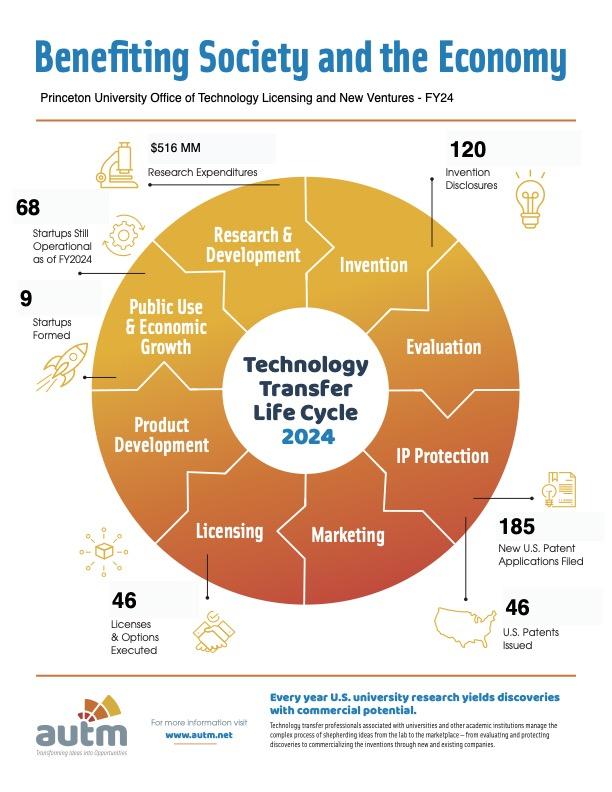
Tech transfer is the process of moving new technology from research to real-world use. It helps turn ideas and inventions into products or services. This process supports innovation and economic growth. Understanding the basics of tech transfer helps businesses and inventors work better together.
Definition And Purpose
Tech transfer means sharing knowledge, skills, and inventions. It moves technology from labs or universities to companies or markets. The goal is to make new products that benefit society. It also helps researchers see their ideas become useful.
The purpose of tech transfer includes:
- Protecting intellectual property rights
- Licensing technology to businesses
- Supporting startups and new ventures
- Encouraging collaboration between researchers and industry
Key Players In Tech Transfer
Several people and groups play important roles in tech transfer. Each has a unique job to help move technology forward.
- Researchers:Create new ideas and inventions.
- Technology Transfer Offices (TTOs):Manage patents and licenses.
- Businesses:Develop and sell new products.
- Investors:Provide funding for development and growth.
- Legal Experts:Handle contracts and intellectual property rights.
Working together, these players help bring innovations to the market faster and with better support.
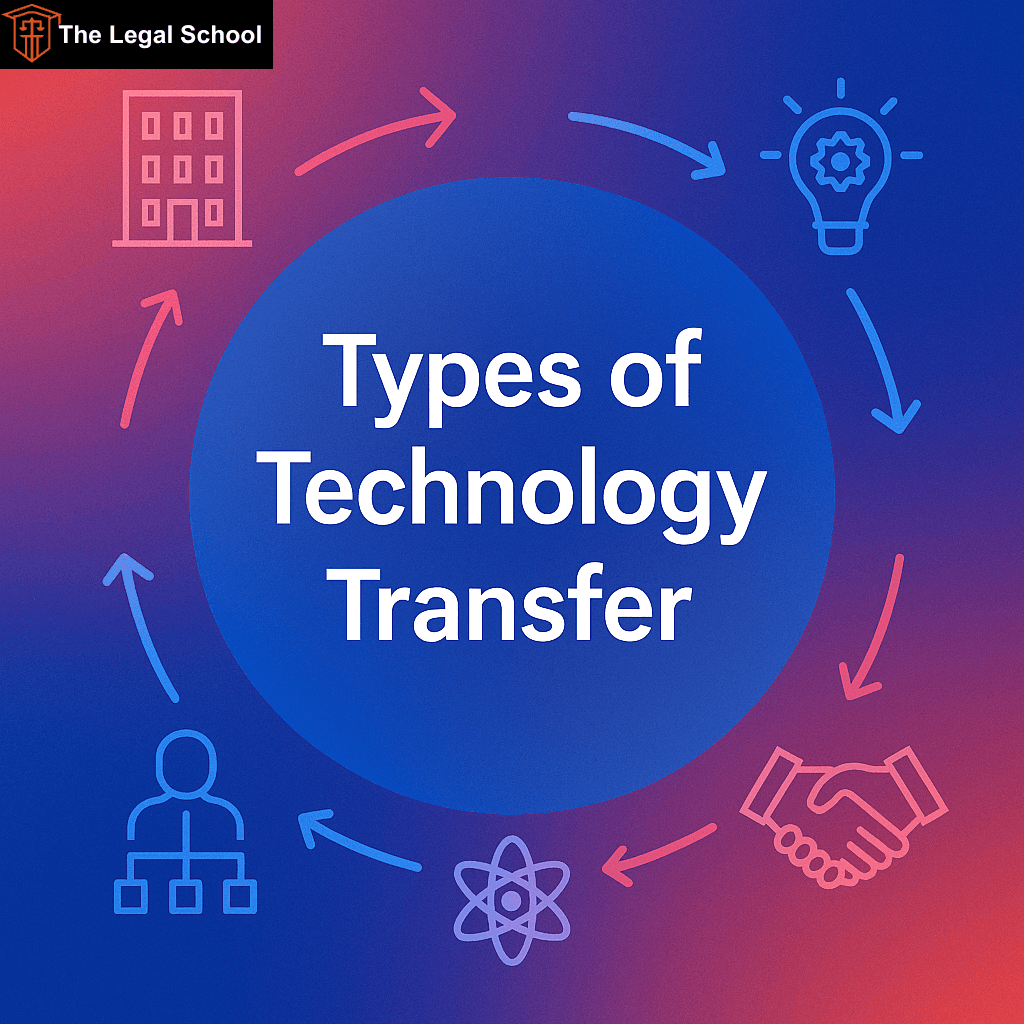
Mechanisms Of Tech Transfer
Technology transfer happens through several practical channels that connect innovators with industries ready to apply new ideas. Understanding these mechanisms can help you identify the best path to bring your innovation to market. Let’s look closely at the main ways tech transfer occurs.
Licensing Agreements
Licensing agreements let you grant permission to another party to use your technology under specific terms. This approach allows you to maintain ownership while generating revenue through royalties or upfront fees.
For example, a university may license a patented technology to a company that has the resources to manufacture and sell the product. This way, your innovation reaches the market without you needing to build a business yourself.
Have you considered how flexible licensing terms could protect your interests while encouraging adoption?
Research Collaborations
Working together with other organizations or companies can accelerate technology development. Collaborations often involve sharing expertise, resources, and funding to solve complex challenges.
In one case, a small biotech firm teamed up with a university lab to co-develop a medical device. Both parties benefited: the firm gained scientific insights, and the lab accessed real-world testing environments.
Think about what skills or resources you could gain by partnering with others to push your project forward.
Spin-offs And Start-ups
Creating a new company around a technology is a direct way to bring it to market. Spin-offs and start-ups give you control over how your innovation is developed and commercialized.
Many successful companies started as spin-offs from research institutions, turning lab discoveries into products and services. This route demands business skills and funding but offers significant rewards if you want to lead the innovation journey.
Are you ready to take on the challenges of entrepreneurship to see your technology thrive?
Benefits For Businesses
Tech transfer offers many benefits for businesses. It helps companies grow faster by using new technologies. It also allows them to stay ahead of rivals and reach new customer groups. Understanding these benefits shows why tech transfer is important for business success.
Accelerating Innovation
Tech transfer speeds up the process of creating new products. Businesses gain access to research and inventions from universities or labs. This saves time and money on developing ideas from scratch. Faster innovation helps companies bring solutions to market quickly.
Enhancing Competitive Edge
Using new technologies helps businesses stand out. It improves product quality and adds unique features. Companies that adopt fresh ideas often attract more customers. Staying updated with technology keeps a business strong against competitors.
Access To New Markets
Tech transfer opens doors to markets that were hard to enter before. Businesses can offer new products that meet different customer needs. This expands their reach and increases sales opportunities. Entering new markets helps companies grow steadily over time.
Credit: thelegalschool.in
Challenges In Tech Transfer
Challenges in tech transfer can feel like navigating a maze without a clear map. You might have groundbreaking technology, but moving it from the lab to the market is rarely straightforward. Understanding these obstacles helps you prepare and tackle them head-on, improving your chances of success.
Intellectual Property Concerns
Protecting intellectual property (IP) is often the first hurdle in tech transfer. You need to ensure your innovations are legally safeguarded before sharing them with potential partners or investors.
Many tech creators underestimate how complex IP rights can become when multiple stakeholders are involved. Questions arise such as: Who owns the technology? What rights do collaborators have?
Failing to address these issues early can lead to costly disputes. You should work closely with legal experts to draft clear agreements that protect your interests and clarify ownership.
Cultural And Organizational Barriers
Tech transfer is not just about technology; it’s about people and their mindsets. Academic researchers and industry professionals often have different priorities and ways of working.
This cultural gap can slow down or even derail the transfer process. For example, academics may focus on publishing, while businesses prioritize market-ready products and profits.
Bridging this divide requires open communication and mutual understanding. You might find it helpful to create joint teams or regular meetings to align goals and expectations.
Funding And Resource Limitations
Even the best technology can stall without adequate funding and resources. Securing investment for development, testing, and marketing is a common struggle.
Many tech transfer projects face budget constraints that limit their ability to scale or reach customers effectively. You need to identify funding sources early, such as grants, venture capital, or strategic partnerships.
Consider also non-monetary resources like mentorship and networks, which can provide valuable support when cash is tight. How will you ensure your project doesn’t run out of steam before it gets off the ground?
Successful Tech Transfer Strategies
Successful tech transfer requires more than just moving technology from one place to another. It demands strategic planning and active collaboration between all parties involved. The right strategies can transform potential challenges into opportunities for innovation and growth.
Building Strong Partnerships
Your tech transfer efforts thrive when you build solid partnerships. Trust and mutual respect between the technology developer and the adopter create a foundation for success.
Consider how clear agreements on goals, responsibilities, and timelines prevent confusion. Sharing resources and knowledge openly also speeds up problem-solving and innovation.
Ask yourself: Are you investing enough time in nurturing relationships that support long-term success?
Effective Communication Channels
Communication is the glue that holds tech transfer together. Setting up regular check-ins and updates ensures everyone stays aligned on progress and challenges.
Using simple, clear language avoids misunderstandings, especially when technical details can get complex. Tools like shared dashboards or collaboration platforms keep information accessible and transparent.
Think about how you can improve your current communication. Are your teams getting the right information at the right time?
Continuous Evaluation And Adaptation
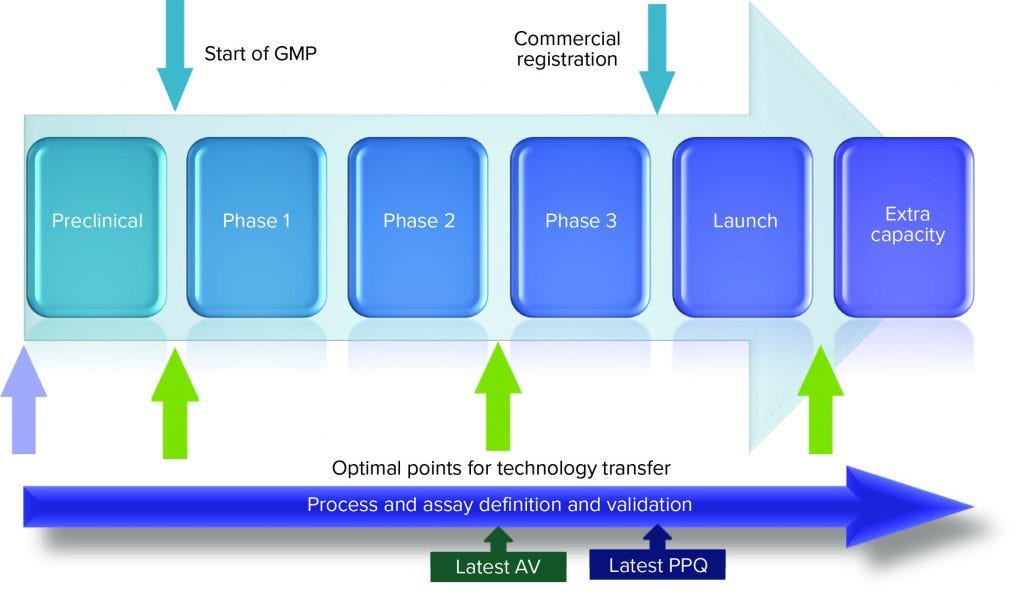
Tech transfer is not a one-time event; it’s an evolving process. Regularly reviewing outcomes helps you spot issues early and make necessary adjustments.
Implementing feedback loops from all stakeholders ensures the technology meets real-world needs. Flexibility in your approach allows you to respond quickly to unexpected challenges.
Have you created a system to track progress and adapt your strategy as you go?
Credit: www.bioprocessintl.com
Future Trends In Tech Transfer
The future of tech transfer is evolving fast, shaped by new tools, wider networks, and cutting-edge science. Staying ahead means understanding these shifts and how they could impact your projects or business. What opportunities might you uncover if you adapt early to these trends?
Digital Transformation
Digital tools are making tech transfer faster and more transparent. Platforms that track intellectual property and automate paperwork reduce delays. Imagine how much smoother your licensing deals could be with real-time updates and fewer manual errors.
Data analytics also help identify promising technologies quicker. You can spot trends and potential partners before others do. This shift gives you a competitive edge in choosing the right innovations to support.
Global Collaboration
Tech transfer no longer happens in isolation or within borders. More organizations are forming global partnerships to share expertise and resources. Have you considered how connecting across continents might open doors to unique technologies?
These collaborations also spread risks and costs, making it easier to develop complex innovations. They often lead to faster commercialization since multiple markets are involved from the start.
Emerging Technologies
New scientific breakthroughs like AI, blockchain, and synthetic biology are changing what and how tech transfer happens. These fields create fresh opportunities for licensing and startups. Are you ready to engage with these rapidly evolving technologies?
For example, blockchain can secure intellectual property rights more transparently. AI can streamline patent searches and match inventions with suitable partners. Being aware of these tools can make your tech transfer efforts more effective and secure.
Frequently Asked Questions
What Is Tech Transfer In Simple Terms?
Tech transfer is the process of moving technology from research labs to real-world use. It helps commercialize innovations and benefits industries and society.
How Does Tech Transfer Benefit Businesses?
Tech transfer allows businesses to access new inventions and patents. It accelerates product development, reduces costs, and fosters innovation growth.
Who Is Involved In Technology Transfer?
Researchers, universities, companies, and tech transfer offices collaborate. They manage intellectual property rights and negotiate licensing agreements.
What Are Common Tech Transfer Methods?
Methods include licensing, startups, joint ventures, and research collaborations. These help bring new technologies to market efficiently.
Conclusion
Tech transfer helps bring new ideas to real life. It connects research with business and industry. This process supports innovation and growth in many fields. Understanding tech transfer shows how science helps society. It also opens doors for new products and jobs.
Businesses and researchers both gain from tech transfer. It plays a key role in making technology useful. Knowing about tech transfer can inspire more progress. Simple steps can lead to big changes. Tech transfer is a bridge from ideas to impact.