What Kind of Ultrasound Techs are There: Top Types Explained
Are you curious about the different types of ultrasound techs and which one might be the perfect fit for you? Whether you’re considering a career in this exciting field or simply want to understand the roles better, knowing the specialties can make all the difference.
Ultrasound technology isn’t just one job—it’s a collection of unique paths, each with its own skills and rewards. Keep reading, and you’ll discover exactly what kinds of ultrasound techs are out there and how they impact patient care in ways you might not expect.
This insight could help you make smarter choices for your future or just satisfy your curiosity in a fascinating area of healthcare.
Credit: nomadhealth.com
Diagnostic Medical Sonographer
Diagnostic Medical Sonographers use ultrasound machines to create images of the inside of the body. These images help doctors diagnose and treat medical conditions. Sonographers work in various specialties, each focusing on different parts of the body or patient groups. Their work is crucial in hospitals, clinics, and diagnostic centers.
General Ultrasound
General ultrasound sonographers perform scans on many body parts. They examine organs like the liver, kidneys, and heart. These scans help detect tumors, cysts, or other abnormalities. General ultrasound is often the first step in diagnosing many health issues. Sonographers must be skilled in handling different machines and techniques.
Abdominal Sonography
Abdominal sonographers specialize in imaging the abdomen area. They focus on organs such as the gallbladder, pancreas, and spleen. Their work helps find causes of pain or swelling in the abdomen. These sonographers often assist with guiding biopsies or other medical procedures. Accuracy and attention to detail are vital in this role.
Obstetric And Gynecologic Sonography
Sonographers in this field focus on pregnancy and female reproductive health. They monitor fetal development and check for any problems during pregnancy. They also examine the uterus and ovaries for conditions like cysts or fibroids. These sonographers provide important support to expectant mothers and doctors. Compassion and clear communication are key skills in this specialty.
Cardiac Sonographer
Cardiac sonographers specialize in using ultrasound technology to image the heart. They help doctors see the heart’s structure and how well it functions. Their work is vital for diagnosing heart problems and guiding treatment plans. Cardiac sonographers use different techniques to examine the heart in detail.
Echocardiography
Echocardiography uses sound waves to create moving pictures of the heart. This test shows the size, shape, and movement of the heart walls. It also checks how well the heart valves open and close. Cardiac sonographers perform this test to detect heart diseases like valve disorders and heart failure. The images guide doctors in deciding the best care for patients.
Pediatric Echocardiography
Pediatric echocardiography focuses on imaging the hearts of babies and children. It detects congenital heart defects and other heart problems early. This type of sonography needs special skills because children’s hearts are smaller and beat faster. Cardiac sonographers working with children must be gentle and patient. Their work helps improve the health outcomes of young patients.
Vascular Technologist
Vascular technologists specialize in imaging and evaluating blood vessels. They use ultrasound to check blood flow and detect blockages or abnormalities. Their work helps doctors diagnose and treat vascular diseases. These specialists focus on arteries and veins throughout the body.
Peripheral Vascular Sonography
Peripheral vascular sonography examines blood vessels outside the heart and brain. It focuses on arteries and veins in the arms, legs, and abdomen. This ultrasound helps find clots, narrowing, or blockages that may cause pain or swelling. Vascular technologists perform detailed scans to assess blood flow and vessel health.
Cerebrovascular Sonography
Cerebrovascular sonography studies blood vessels in the neck and brain. It detects narrowing or blockages in carotid arteries and other important vessels. This test helps predict stroke risk and monitor blood flow to the brain. Technologists use special ultrasound techniques to view these critical vessels clearly.

Credit: www.concorde.edu
Musculoskeletal Sonographer
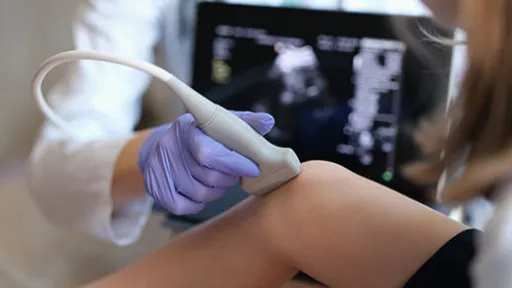
Musculoskeletal sonographers specialize in using ultrasound technology to examine the body’s muscles, joints, tendons, and ligaments. Their expertise helps doctors diagnose injuries and conditions related to the musculoskeletal system without exposing patients to radiation. If you’ve ever wondered how athletes get quick and accurate assessments after injuries, musculoskeletal sonographers play a key role.
Joint And Muscle Imaging
Musculoskeletal sonographers capture detailed images of joints and muscles to detect abnormalities. This includes looking for inflammation, tears, or fluid buildup that might not show up on X-rays. You might be surprised that ultrasound can provide real-time images, allowing sonographers to see how your joints move during the scan.
When you visit for an ultrasound of your shoulder or knee, the sonographer carefully examines the area to spot issues like tendonitis or muscle strains. This precise imaging helps doctors create targeted treatment plans that speed up your recovery. Have you ever experienced pain that worsened with movement? Ultrasound can often pinpoint the exact cause.
Sports Injuries Assessment
Sports injuries are a common reason patients visit musculoskeletal sonographers. They assess injuries such as sprains, ligament tears, and muscle contusions. The advantage here is that ultrasound provides immediate feedback, often right on the sidelines during games or training sessions.
Think about an athlete who twists their ankle during a match. A musculoskeletal sonographer can quickly evaluate the extent of damage and guide whether rest, physical therapy, or surgery is needed. This fast, accurate diagnosis can make a huge difference in managing your injury effectively.
Ultrasound also tracks the healing progress, helping you and your healthcare team decide when it’s safe to return to activity. Could this technology be the key to avoiding long-term damage from sports injuries? Many experts believe so.
Breast Sonographer
A breast sonographer specializes in using ultrasound technology to examine breast tissue. Their work plays a vital role in identifying abnormalities and assisting doctors in diagnosing breast conditions. If you’ve ever wondered how non-invasive imaging helps catch early signs of breast issues, understanding the role of a breast sonographer is a great place to start.
Breast Imaging Techniques
Breast sonographers use several ultrasound methods to get clear images of breast tissue. They often perform 2D ultrasound, which provides flat, detailed images of the area. Sometimes, they use 3D ultrasound, offering a more complete view by capturing images from different angles.
These techniques help distinguish between cysts, solid masses, and normal tissue. The sonographer carefully adjusts the ultrasound probe to capture images from multiple positions. This approach ensures no suspicious area is missed, making the scan thorough and reliable.
Cancer Detection
Detecting cancer early can save lives, and breast sonographers are key players in this process. They identify unusual lumps or changes in breast tissue that may indicate cancer. Their detailed images guide doctors in deciding whether a biopsy or further testing is needed.
Have you ever thought about how crucial accuracy is in these scans? Even a small missed detail can delay diagnosis. That’s why breast sonographers must combine technical skill with a keen eye, ensuring every scan is as precise as possible.
Credit: www.concorde.edu
Neurosonology Specialist
The role of a Neurosonology Specialist is highly focused and critical in medical imaging. These ultrasound technicians specialize in examining the nervous system, primarily the brain and spinal cord. Their work helps doctors diagnose conditions that affect the nervous system quickly and accurately.
Brain And Spine Imaging
Neurosonology Specialists use ultrasound to create images of the brain and spine. This is important for detecting issues like strokes, aneurysms, or spinal cord injuries. The images they capture guide doctors in planning treatments or surgeries.
Have you ever wondered how doctors see inside your brain without surgery? That’s where these specialists come in. Their skills help provide a clear picture of what’s happening inside, often in real-time.
Neonatal Neurosonology
Specialists also focus on newborns through neonatal neurosonology. This involves scanning the delicate brains of infants to detect abnormalities early. Early detection can make a huge difference in a child’s development and treatment plan.
When I saw a neonatal scan for the first time, it struck me how tiny yet detailed the images were. These specialists play a crucial role in protecting the most vulnerable patients – newborn babies.
- They use specialized equipment designed for infants.
- They work closely with pediatricians and neurologists.
- The scans are painless and safe for babies.
What would you do if you had the chance to help diagnose conditions before symptoms even appear? Neurosonology Specialists have that opportunity every day.
Frequently Asked Questions
What Types Of Ultrasound Techs Specialize In Obstetrics?
Obstetric ultrasound techs focus on imaging during pregnancy. They monitor fetal development and detect abnormalities. Their work supports prenatal care and helps ensure healthy pregnancies.
Which Ultrasound Techs Work With The Heart?
Cardiac ultrasound techs, also called echocardiographers, specialize in heart imaging. They assess heart function and detect cardiovascular issues. Their expertise aids in diagnosing and managing heart diseases.
Are There Ultrasound Techs For Abdominal Imaging?
Yes, abdominal ultrasound techs specialize in scanning organs like the liver, kidneys, and pancreas. They help diagnose conditions such as gallstones and liver disease by producing detailed abdominal images.
Do Ultrasound Techs Specialize In Vascular Imaging?
Vascular ultrasound techs focus on blood vessels and circulation. They detect blockages, clots, and other vascular issues. Their work is crucial for managing conditions like deep vein thrombosis.
Conclusion
Ultrasound techs work in many different areas of healthcare. Each type has unique skills and tools. Some focus on pregnancy, others on the heart or blood vessels. This variety helps doctors find and treat problems faster. Choosing a path depends on your interest and goals.
Ultrasound techs play an important role in patient care every day. Their work helps save lives and improve health. Knowing the types can guide you in your career or health decisions.