What Schooling Do I Need to Be an Ultrasound Tech: Essential Guide
Are you curious about what it takes to become an ultrasound tech? If you enjoy helping others and have an interest in medical technology, this career might be perfect for you.
But before you dive in, it’s important to know exactly what schooling you need to get started. Understanding the right education path will save you time and set you up for success. Keep reading to discover the clear steps you can take to launch your career as an ultrasound technician.

Credit: www.medzilla.com
Educational Pathways
Becoming an ultrasound tech requires specific education and training. Several educational paths lead to this career. Each path offers different levels of depth and time commitment. Choosing the right one depends on your goals and schedule.
Associate Degree Programs
Associate degree programs are common for ultrasound tech training. These usually take about two years to complete. Courses focus on anatomy, physics, and medical imaging technology. Students get hands-on experience with ultrasound equipment. Graduates are ready to take certification exams and start working.
Bachelor’s Degree Options
Bachelor’s degree programs take about four years. They cover more advanced topics in healthcare and patient care. These programs include extra courses in biology and health sciences. A bachelor’s degree can open doors to specialized roles or management jobs. It also offers a strong foundation for further study.
Certificate Programs
Certificate programs suit those who already have healthcare experience or a degree. These programs are shorter, often lasting 12 to 18 months. They focus specifically on ultrasound techniques and equipment. Certificate programs provide quick entry into the field. They require dedication but offer fast training.
Accreditation Importance
Choosing the right ultrasound tech program is more than just picking a school. Accreditation plays a crucial role in ensuring the education you receive meets industry standards. It affects your job prospects, certification eligibility, and even your confidence in the skills you acquire.
Recognized Accrediting Bodies
You should look for programs accredited by organizations recognized nationwide. The Commission on Accreditation of Allied Health Education Programs (CAAHEP)is the most widely respected accrediting body for ultrasound tech schools. Another important accreditor is the Joint Review Committee on Education in Diagnostic Medical Sonography (JRC-DMS), often working alongside CAAHEP.
These bodies review curriculum quality, instructor qualifications, and clinical training opportunities. If a program isn’t accredited by these organizations, your education may not be trusted by employers or certification boards.
Program Accreditation Benefits
Attending an accredited program offers clear advantages. First, it qualifies you to sit for the American Registry for Diagnostic Medical Sonography (ARDMS) exam, a key credential employers look for. Without this certification, your job options can be very limited.
Accreditation also ensures you receive hands-on experience in real clinical settings. This practical training is vital to mastering ultrasound technology beyond textbooks and lectures. It prepares you better for real-world challenges you’ll face on the job.
Have you thought about how much your schooling influences your career doors? Choosing an accredited program can make a real difference in how quickly and smoothly you start your ultrasound tech journey.
Core Courses
The core courses form the foundation of your education as an ultrasound technician. These classes provide essential knowledge that you will rely on daily in your career. Understanding what each course covers can help you prepare mentally and stay motivated throughout your studies.
Anatomy And Physiology
In Anatomy and Physiology, you learn about the structure and function of the human body. This course is crucial because ultrasound imaging depends on knowing what normal organs and tissues look like.
Think about it: how can you spot a problem if you don’t understand what healthy anatomy looks like? This class ensures you can identify body parts accurately during scans, which is vital for making correct diagnoses.
Medical Terminology
Medical Terminology teaches you the language used by healthcare professionals. Mastering this vocabulary allows you to communicate clearly with doctors, nurses, and patients.
You’ll discover terms related to diseases, procedures, and anatomy. Knowing these words helps you write precise reports and understand what doctors expect from your scans.
Ultrasound Physics
This course explains how ultrasound machines work and how sound waves create images inside the body. Understanding the physics behind the technology helps you operate the equipment effectively and troubleshoot issues.
Have you ever wondered why some images are clearer than others? This knowledge lets you adjust settings to get the best possible images, which can make a big difference in patient care.
Clinical Training
Clinical training is a vital part of becoming an ultrasound technician. It bridges classroom learning with real-world practice. This hands-on experience helps students develop essential skills. It also builds confidence in using ultrasound equipment and interacting with patients.
Hands-on Experience
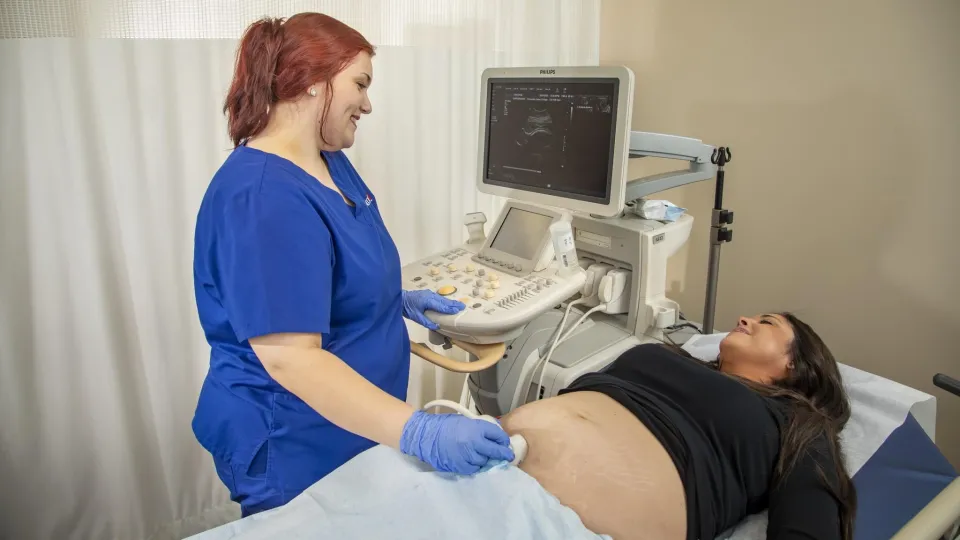
Students gain direct practice by working with ultrasound machines. They learn to capture clear images and recognize different body structures. Training often includes scanning various parts like the abdomen, heart, and blood vessels. This practice improves accuracy and speed. Supervisors guide students to refine their technique and ensure patient safety.
Internship Opportunities
Many programs offer internships at hospitals or clinics. Internships provide exposure to daily work in real healthcare settings. Students observe professionals and assist with patient exams. This experience helps build professional skills and work habits. It also allows students to understand the ultrasound tech’s role in patient care teams.
Certification Requirements
Certification plays a key role in becoming an ultrasound technician. It proves your skills and helps employers trust your abilities. Most jobs require some form of certification. This section explains the main certifications needed in this field.
Ardms Certification
The American Registry for Diagnostic Medical Sonography (ARDMS) is the top certifying body. Passing its exams shows you meet national standards. Employers often prefer or require ARDMS certification.
To earn this certification, you must:
- Complete an accredited ultrasound program
- Pass the Sonography Principles & Instrumentation (SPI) exam
- Pass a specialty exam, like abdominal or obstetrics sonography
ARDMS certification must be renewed every few years. This keeps your knowledge current and relevant.
Specialized Certifications
Sonographers can earn extra certifications to work in specific areas. These show advanced skills and can improve job prospects.
Common specialties include:
- Cardiac sonography (echocardiography)
- Vascular technology
- Musculoskeletal sonography
- Pediatric sonography
Each specialty requires passing a separate exam. Holding multiple certifications can make you more competitive.
Continuing Education
Continuing education is a crucial part of being an ultrasound tech. It keeps your skills sharp and helps you stay updated with the latest technology and techniques. Without ongoing learning, it’s easy to fall behind in this fast-changing field.
Advanced Courses
Taking advanced courses allows you to deepen your expertise beyond the basics. You might learn specialized skills like vascular ultrasound, echocardiography, or obstetric imaging. These courses often include hands-on training and case studies, which help you apply new knowledge directly to your work.
Have you considered which specialty excites you the most? Choosing advanced courses in that area can open doors to higher pay and more job opportunities. Employers appreciate ultrasound techs who invest in mastering complex procedures.
Professional Development
Professional development isn’t just about courses; it includes workshops, conferences, and certifications. These activities help you network with other professionals and learn about industry trends. Many employers require continuing education credits to maintain certification, making it essential for your career growth.
Think about setting a goal to attend at least one ultrasound conference a year. This can give you fresh ideas and new techniques to bring back to your workplace. Plus, connecting with peers can provide support and motivation as you advance your career.
Career Opportunities
Choosing to become an ultrasound technician opens doors to diverse career paths. Your skills will be needed in various healthcare settings, each offering unique experiences and challenges. Understanding these opportunities can help you decide where you want to focus your energy and grow professionally.
Hospital Positions
Hospitals are the most common employers for ultrasound techs. Here, you’ll work alongside doctors and nurses in emergency rooms, maternity wards, and diagnostic imaging departments. The fast-paced environment means you must think quickly and handle a variety of cases daily.
Working in a hospital also offers chances to specialize. You might focus on cardiac, abdominal, or vascular ultrasound, gaining expertise that boosts your career. Have you thought about which area excites you the most?
Private Practice Roles
Private clinics and imaging centers hire ultrasound technicians for more routine and scheduled scans. These settings often provide a more predictable work schedule and closer patient interaction. You can build relationships with patients over time, which many find rewarding.
In private practices, you might also assist with office management or patient education. This can expand your skill set beyond imaging. Could this be an environment where you see yourself growing not just as a tech but as a healthcare professional?
Research And Education
If you enjoy learning and teaching, consider roles in research or education. Ultrasound techs contribute to studies that improve imaging techniques and patient care. You might work at universities or research institutions, helping train the next generation of technicians.
Being involved in research keeps you at the forefront of technology and medical advances. Would you like to combine hands-on skills with academic work to make a bigger impact?

Credit: www.youtube.com
Credit: www.concorde.edu
Frequently Asked Questions
What Degree Is Required To Become An Ultrasound Tech?
Most ultrasound techs need an associate degree in diagnostic medical sonography. Some employers accept a bachelor’s degree or certificate program. Accredited programs ensure proper training and certification eligibility.
How Long Does Ultrasound Tech Schooling Take?
Typically, ultrasound tech programs take 1 to 2 years for certificate or associate degrees. Bachelor’s degrees may take 4 years. Program length depends on the education path chosen.
Is Certification Necessary For Ultrasound Techs?
Certification is highly recommended and often required by employers. It validates skills and improves job prospects. The American Registry for Diagnostic Medical Sonography (ARDMS) offers recognized certifications.
Can I Become An Ultrasound Tech With A High School Diploma?
No, a high school diploma alone is insufficient. Post-secondary education in sonography is required. Completing an accredited sonography program is essential to start this career.
Conclusion
Becoming an ultrasound tech requires specific schooling and training. Most start with an accredited program in diagnostic medical sonography. These programs teach essential skills and prepare you for certification. Certification boosts job chances and shows your competence. Hands-on experience during schooling is important for confidence and skill.
With the right education, you can build a solid career in ultrasound technology. It takes effort, but the path is clear and achievable. Choose a good program, work hard, and stay focused. Your future as an ultrasound tech awaits.

Similar Posts