What Schooling Do You Need to Be an Ultrasound Tech: Ultimate Guide
Are you curious about what it takes to become an ultrasound tech? Maybe you’re thinking about a career that combines healthcare with cutting-edge technology.
Knowing the right schooling you need is the first step to turning that idea into reality. You’ll discover exactly what education and training are required to get started, how long it takes, and what options fit your lifestyle. Keep reading to find out how you can take control of your future and start your path toward a rewarding career as an ultrasound tech.
Career Path For Ultrasound Techs
The career path for ultrasound technicians offers a clear direction and steady growth. It begins with proper schooling and training, leading to various job roles. Each step builds skills and opens new opportunities in healthcare.
Job Role And Responsibilities
Ultrasound techs use special machines to create images inside the body. These images help doctors diagnose medical conditions. Techs prepare patients, operate the equipment, and capture clear images. They also keep detailed records of each scan. Communication with doctors and patients is essential. The role requires attention to detail and strong technical skills.
Work Environments
Ultrasound techs work in different healthcare settings. Common places include hospitals, clinics, and private offices. Some techs work in specialized imaging centers. Work hours may vary, with some shifts at night or weekends. The job often involves standing for long periods. Safe and clean environments are important to protect both patients and techs.

Credit: www.medzilla.com
Educational Requirements
Becoming an ultrasound tech requires specific education to develop the right skills. Training helps students learn how to operate ultrasound machines and understand human anatomy. Various paths exist, each offering different depths of study and experience. This section explains the educational requirements needed to enter this career.
High School Preparation
High school students should focus on science and math courses. Classes like biology, chemistry, and physics build a strong foundation. Good communication skills also help for patient interaction. Volunteering or shadowing in healthcare settings gives early exposure.
Associate Degree Programs
Most ultrasound techs earn an associate degree. These programs usually last two years. They cover subjects like anatomy, medical terminology, and ultrasound technology. Students get hands-on training through clinical practice. Graduates are ready for entry-level ultrasound jobs.
Bachelor’s Degree Options
Bachelor’s degrees take four years to complete. They offer deeper knowledge in healthcare and imaging. These programs may include leadership and advanced technical courses. A bachelor’s degree can open doors to specialized roles or higher pay. It suits those wanting more career options.
Certificate Programs
Certificate programs are for students with prior healthcare education. They focus specifically on ultrasound skills. These programs often last 12 to 18 months. Certificates allow quick entry into the field. They are good for nurses or radiologic technologists changing careers.
Accreditation And Certification
Accreditation and certification are essential for anyone aiming to become an ultrasound technician. These elements ensure that the education and skills meet industry standards. Employers and patients both trust certified professionals more. Training programs that are accredited provide quality education and better job prospects.
Importance Of Accreditation
Accreditation means a school or program meets national quality standards. It shows the program teaches the right skills and knowledge. Accredited programs prepare students well for real-world ultrasound work. Employers prefer hiring graduates from accredited schools. Accreditation also helps students qualify for financial aid and certification exams.
Certifying Organizations
Several organizations certify ultrasound technicians. The most recognized include:
- American Registry for Diagnostic Medical Sonography (ARDMS)
- Cardiovascular Credentialing International (CCI)
- American Registry of Radiologic Technologists (ARRT)
These organizations set the standards for skills and ethics. Certification from them proves a technician’s competence and knowledge.
Certification Exams
Certification exams test knowledge and practical skills in ultrasound technology. Each organization has its own exam requirements. Exams usually include multiple-choice questions and hands-on tasks. Passing these exams grants professional certification. Certified technicians have better job security and higher salaries.
Skills Needed For Success
Becoming a successful ultrasound technician requires more than just formal education. You need a blend of specific skills that help you perform your job efficiently and connect with patients. These skills shape how you handle the technology, work with others, and ensure accuracy in your daily tasks.
Technical Skills
Ultrasound techs must master how to operate complex imaging machines with precision. Understanding anatomy and physiology is crucial because you need to capture clear images of specific body parts. You also have to troubleshoot equipment issues quickly to avoid delays during exams.
Have you ever thought about how much practice it takes to interpret ultrasound images correctly? It’s a skill developed over time, through hands-on experience and continuous learning.
Interpersonal Skills
Working closely with patients means you must communicate clearly and show empathy. Many patients feel nervous or uncomfortable during scans, so your ability to calm them can make a big difference. Teamwork is also important, as you often collaborate with doctors and nurses.
Imagine being the person who helps a worried patient feel at ease just by your approach. How can you improve your listening skills to better understand their concerns?
Attention To Detail
Precision is key in ultrasound imaging. Missing a small abnormality can affect a diagnosis, so you need to be thorough when capturing images. This skill also helps when documenting findings and maintaining accurate patient records.
Think about how your focus affects the quality of your work. Are you able to catch subtle differences in images, even after hours of scanning?
Clinical Training And Internships
Clinical training and internships are crucial parts of becoming an ultrasound tech. They give you the chance to apply what you’ve learned in the classroom to real-life medical settings. This hands-on experience builds your confidence and sharpens your skills, which are essential for your future career.
Hands-on Experience
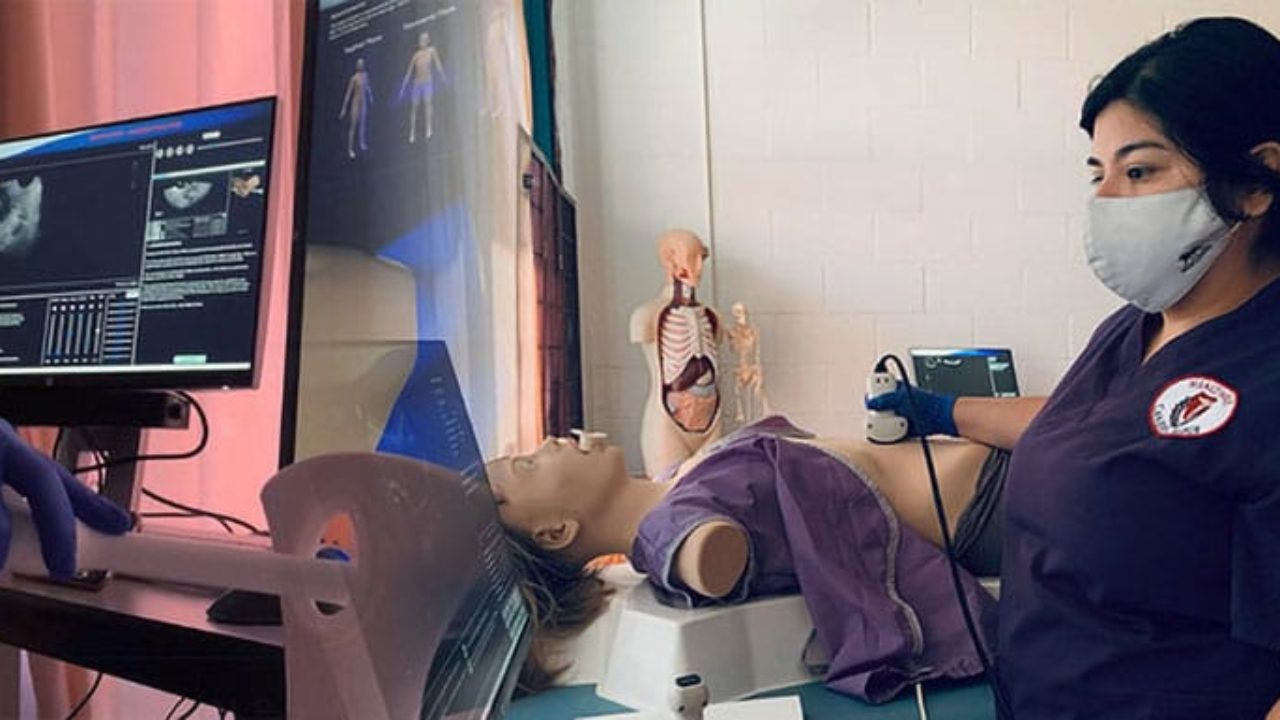
Nothing compares to the learning you get from working directly with patients and ultrasound equipment. During clinical training, you perform scans under the supervision of experienced professionals. This helps you understand how to adjust the machine settings and interpret images accurately.
You’ll also learn how to communicate with patients, which is just as important as technical skills. Dealing with nervous or uncooperative patients teaches you patience and empathy. These moments prepare you for the unexpected challenges you might face on the job.
Finding Internship Opportunities
Securing a good internship can sometimes feel like a challenge, but it’s a key step in your education. Start by checking with your school’s program advisors, who often have partnerships with local hospitals and clinics. They can guide you toward reputable sites that offer quality training.
You can also reach out directly to medical facilities near you. Many hospitals have formal internship programs for ultrasound tech students. Don’t hesitate to ask about the application process and what kind of supervision and learning environment they provide.
Have you thought about what type of healthcare setting suits you best? Some internships focus on obstetrics, while others might emphasize vascular or abdominal ultrasound. Choosing an internship that aligns with your interests can make your learning experience more rewarding.
Continuing Education And Advancement
Continuing education plays a vital role in the career of an ultrasound technician. It helps you stay updated with the latest technology and techniques while opening doors to new opportunities. Advancing your skills can also lead to higher salaries and more specialized roles.
Specialization Options
Ultrasound techs can choose to specialize in areas like obstetrics, cardiology, or vascular sonography. Each specialization requires additional training and knowledge, but it allows you to focus on a field that interests you most. Specializing can make your work more rewarding and increase your job prospects.
Advanced Certifications
After gaining experience, you can pursue advanced certifications from organizations such as the American Registry for Diagnostic Medical Sonography (ARDMS). Certifications in specialties like abdominal, breast, or pediatric sonography demonstrate your expertise. These credentials often lead to better job positions and higher pay.
Career Growth Opportunities
Continuing education can lead to roles beyond scanning, such as teaching, sales, or management. You might also become a lead sonographer or department supervisor. Think about where you want your career to go and what skills you need to get there—your education is the key to advancement.
Cost And Duration Of Training
Understanding the cost and duration of training is crucial before you commit to becoming an ultrasound technician. These factors directly affect your financial planning and how soon you can enter the workforce. Let’s break down what you need to know about tuition fees, program length, and financial aid options to make an informed decision.
Tuition Fees
The cost of ultrasound tech programs varies widely depending on the school and location. Community colleges typically charge between $5,000 and $15,000for a complete program, while private institutions can cost upwards of $20,000. Some programs include additional fees for supplies, books, and clinical practice, so always check the total estimated cost.
Have you considered that some schools offer in-state tuition discounts? This can significantly reduce your expenses if you qualify.
Program Length
Most ultrasound technician programs take about 1 to 2 yearsto complete. Certificate programs often last around 12 to 18 months, while associate degree programs usually take 2 years. Your choice depends on how quickly you want to start working and how much time you can dedicate to study.
Think about your current commitments—can you manage a full-time program, or would a part-time option suit you better? This decision affects how long you’ll be in school and how fast you’ll earn your certification.
Financial Aid Options
Financial aid can ease the burden of tuition fees significantly. Many ultrasound tech programs qualify for federal student aid, including grants and loans. You should fill out the FAFSA to see what assistance you can get based on your financial situation.
Besides federal aid, some schools offer scholarships, work-study programs, or payment plans. Don’t overlook local healthcare organizations or foundations that sometimes provide scholarships specifically for ultrasound tech students. Have you explored all these options to fund your education?
Credit: healthcarecareercollege.edu
Job Outlook And Salary
Understanding the job outlook and salary for ultrasound technicians is essential if you’re considering this career path. It helps you set realistic expectations and plan your education and career steps accordingly. Let’s break down what you can expect in terms of employment opportunities and earnings.
Employment Trends
The demand for ultrasound technicians is growing steadily. Healthcare advances and an aging population increase the need for diagnostic imaging services. According to recent data, job openings for ultrasound techs are projected to grow faster than the average for all occupations.
Hospitals, outpatient care centers, and diagnostic labs are the top employers. You might find opportunities in specialized areas like obstetrics, cardiology, or musculoskeletal imaging. Have you thought about which setting suits your skills and interests best?
Salary Expectations
The salary for ultrasound technicians varies depending on experience, location, and workplace. Entry-level techs can expect to earn around $60,000 annually. With experience, salaries often rise to $75,000 or more.
| Experience Level | Average Annual Salary |
|---|---|
| Entry-Level | $60,000 |
| Mid-Level | $70,000 |
| Experienced | $80,000+ |
Keep in mind, some regions offer higher pay due to cost of living or demand. Would you be willing to relocate for a better salary?
Factors Affecting Earnings
Your earnings depend on several factors beyond just experience. Certification and specialized training can boost your salary significantly. For example, getting credentialed in vascular or cardiac sonography often leads to higher pay.
- Geographic location
- Type of healthcare facility
- Level of education and certifications
- Work schedule (full-time vs. part-time or shifts)
Also, working in metropolitan areas usually pays more than rural settings. Understanding these factors can help you strategize your career growth. Are you ready to invest in certifications that could increase your earning potential?

Credit: www.youtube.com
Frequently Asked Questions
What Degree Is Required To Become An Ultrasound Tech?
An associate degree in diagnostic medical sonography is commonly required. Some employers accept a bachelor’s degree or a certificate program. Accredited programs ensure proper training and eligibility for certification exams.
How Long Does Ultrasound Tech Schooling Typically Take?
Most ultrasound tech programs take about 2 years to complete. Certificate programs may take 1 year, while bachelor’s degrees last 4 years. Clinical training is included to gain hands-on experience.
Is Certification Necessary For Ultrasound Techs?
Certification is highly recommended and often required by employers. The American Registry for Diagnostic Medical Sonography (ARDMS) offers recognized credentials. Certification enhances job prospects and ensures professional competence.
Can You Become An Ultrasound Tech With No Prior Experience?
Yes, entry-level programs accept students without prior experience. Programs provide foundational knowledge and practical skills. However, strong science and anatomy knowledge can improve success in training.
Conclusion
Becoming an ultrasound tech requires focused education. Start with a high school diploma. Pursue an associate degree in sonography. Some opt for bachelor’s degrees. Certification is vital. It enhances job prospects. Online programs offer flexibility. Choose accredited schools for quality education.
Hands-on training boosts skills. Clinical internships provide real-world experience. Research job opportunities in hospitals and clinics. Stay updated with new technologies. Continuing education keeps skills sharp. Passion for helping patients is crucial. Ultrasound techs play a vital role in healthcare.
Begin your journey today. Build a rewarding career.