How Can I Get My Pharmacy Tech License: Ultimate Step-by-Step Guide
Are you ready to take the next step in your career and become a certified pharmacy technician? Getting your pharmacy tech license is the key to unlocking new job opportunities and gaining the trust of employers and patients alike.
But where do you start? What exactly do you need to do to earn this important credential? You’ll discover clear, simple steps to guide you through the licensing process. By the end, you’ll have a solid plan to move forward with confidence and ease.
Keep reading to find out how you can make your pharmacy tech license a reality.
Requirements For Pharmacy Tech License
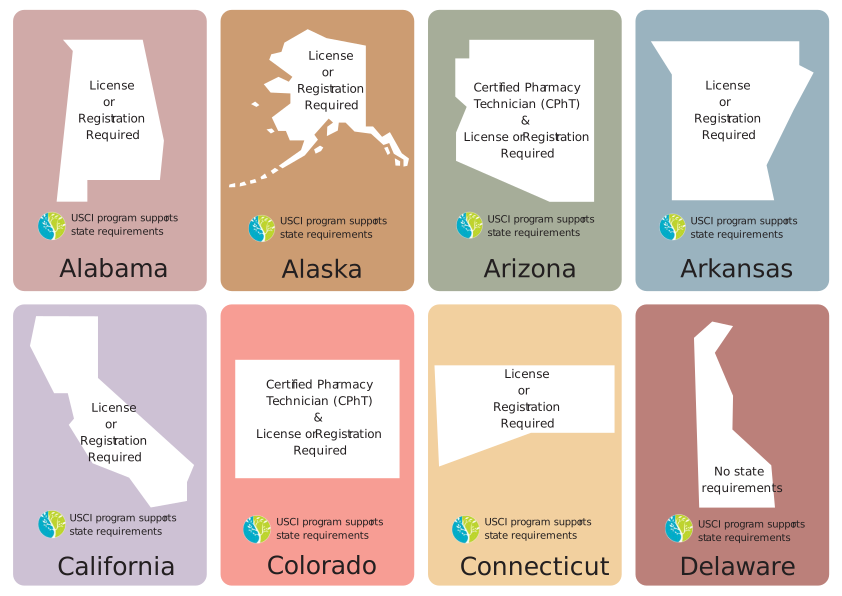
Obtaining your pharmacy technician license means meeting specific requirements designed to ensure you are prepared for the responsibilities of the role. These requirements vary by state but generally include education, age limits, background checks, and sometimes additional certifications. Understanding these criteria early helps you plan your path efficiently and avoid common pitfalls.
Education And Training
Most states require you to complete a formal education program before applying for a pharmacy tech license. These programs often last from a few months to a year and cover essential topics like medication safety, dosage calculations, and pharmacy law.
You can choose between community colleges, vocational schools, or online courses approved by the state board. Practical experience, such as internships or on-the-job training, is frequently part of these programs and crucial to building your confidence and skills.
Age And Background Criteria
Age is a straightforward requirement—most states require you to be at least 18 years old to apply for a pharmacy tech license. However, some states allow younger applicants if they meet additional conditions.
Background checks are also mandatory. You’ll need to provide fingerprints and undergo criminal history screening to ensure you meet the ethical standards required in healthcare. Past convictions don’t always disqualify you, but being upfront about your history helps you understand your eligibility early on.
Additional Certifications
While not always mandatory, obtaining certifications like the Pharmacy Technician Certification Board (PTCB) or the National Healthcareer Association (NHA) credential can significantly boost your job prospects. These certifications demonstrate your commitment and competence to employers.
Some states require certification within a certain timeframe after licensure. If you’re serious about advancing your career, pursuing these certifications can set you apart and may be necessary depending on your location.
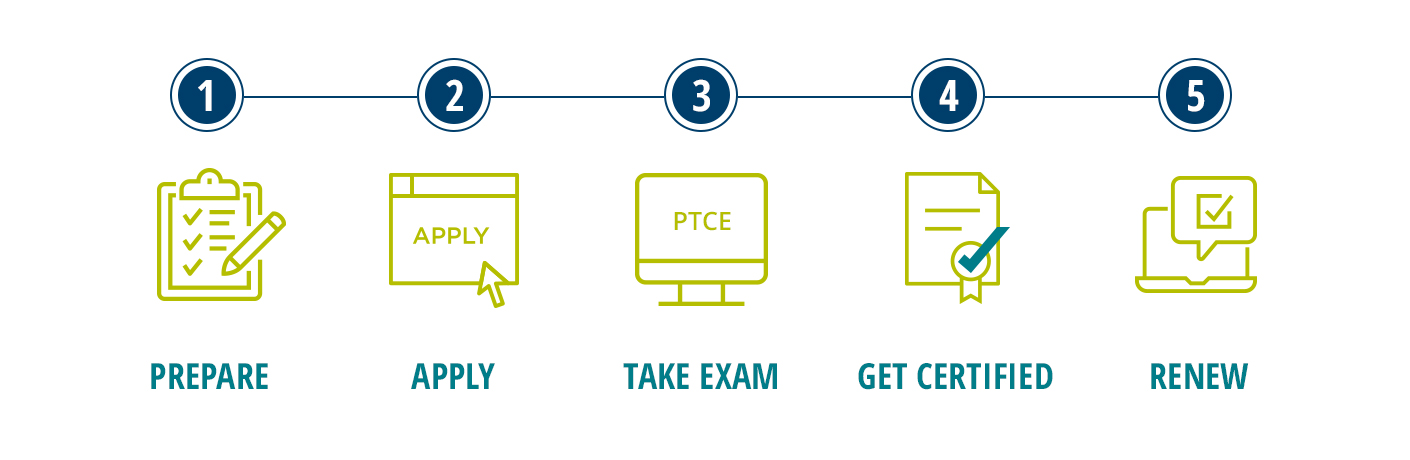
Credit: ptcb.org
Choosing The Right Pharmacy Tech Program
Choosing the right pharmacy tech program sets the foundation for your career. The right program teaches essential skills and prepares you for licensure. Many options exist, but not all meet the same standards. Careful selection ensures proper training and better job opportunities.
Accredited Schools And Courses
Accreditation shows a school meets quality standards. Choose programs accredited by recognized bodies, like the American Society of Health-System Pharmacists (ASHP). Accredited programs offer reliable training and are often required for licensure. Avoid unaccredited schools to prevent wasted time and money.
Online Vs. In-person Training
Online programs offer flexible schedules and learning at your own pace. In-person training provides hands-on experience and direct interaction with instructors. Some programs combine both formats for balanced learning. Consider your learning style and availability before deciding.
Program Duration And Costs
Program length varies from a few months to over a year. Shorter programs get you working faster but may cover less material. Longer programs offer deeper knowledge and practice. Costs also differ widely. Compare tuition, fees, and any extra expenses before enrolling.
Preparing For The Pharmacy Tech Exam
Preparing for the Pharmacy Tech Exam requires focus and a clear plan. Understanding the exam structure and content helps you target your study efforts effectively. Breaking down the preparation into manageable parts can boost your confidence and improve your chances of passing.
Exam Content And Format
The Pharmacy Tech Exam tests your knowledge on various topics such as medication safety, pharmacy law, and dosage calculations. It usually consists of multiple-choice questions, and the number of questions can range from 90 to 110 depending on the exam version. You will have around 2 hours to complete the test, so managing your time is key.
Knowing the format helps reduce anxiety. Are you comfortable answering multiple-choice questions under time limits? Practice pacing yourself to ensure you can complete all questions without rushing.
Study Tips And Resources
Use a combination of textbooks, online courses, and flashcards to cover all exam topics. Focus on areas where you feel weakest to make the most of your study time. Setting a daily study schedule, even if it’s just 30 minutes, can create consistent progress.
Consider joining a study group or online forum to discuss tricky questions. Sharing knowledge often reveals insights you might miss alone. Have you tried explaining a tough concept to someone else? Teaching is a powerful way to deepen your understanding.
Practice Tests And Mock Exams
Taking practice tests simulates the real exam environment and highlights your strengths and weaknesses. Aim to complete several mock exams before the test day to build endurance and familiarity with the question style. Review your mistakes carefully to avoid repeating them.
Some practice tests come with detailed explanations, which are valuable for learning why an answer is correct or incorrect. How confident do you feel after each practice? Tracking your progress can motivate you and guide your final review sessions.

Credit: www.facebook.com
Application Process For The License
Getting your pharmacy tech license starts with a clear and careful application process. This is where you lay the groundwork for your career by providing all necessary information and documents. Paying attention to every detail here can save you from delays and extra stress later on.
Filling Out The Application
The application form asks for your personal details, education history, and any work experience related to pharmacy. Make sure you fill out every section honestly and completely. Missing information or errors can lead to your application being rejected or delayed.
Take your time and double-check your entries. Some states offer online applications, which can speed up the process and allow you to track your submission. Have you prepared all the facts about your background before starting the form?
Required Documentation
You will need to submit several documents along with your application. These usually include proof of completing a pharmacy technician training program, identification, and sometimes a background check.
- Official transcripts or certificates from your training course
- Government-issued ID (like a driver’s license or passport)
- Criminal background check or fingerprint report (if required)
Gather these documents early to avoid last-minute scrambling. Missing or incomplete paperwork is one of the biggest reasons applications get held up.
Application Fees And Deadlines
There is always a fee to apply for your pharmacy tech license, which varies by state. Check the exact amount on your state’s licensing board website to avoid surprises.
Keep track of deadlines carefully. Some states have specific windows for submitting applications or require renewal fees down the line. Missing a deadline could mean starting the process over.
| State | Application Fee | Typical Deadline |
|---|---|---|
| California | $150 | Rolling, but allow 6 weeks processing |
| Texas | $100 | Renew annually by December 31 |
| Florida | $110 | Submit within 6 months of eligibility |
Have you checked your state’s specific rules yet? Staying organized with fees and deadlines keeps your application moving smoothly toward approval.
Taking The Licensing Exam
Taking the licensing exam is a key step to become a certified pharmacy technician. It tests your knowledge and skills in pharmacy practices. Passing the exam shows you are ready to work in this field. Preparation and understanding the exam process help you perform better. Here is what you need to know about the exam day and handling the results.
Scheduling The Exam
Register for the exam through the official testing website. Choose a date and location that fit your schedule. Book early to get the best options. Pay the exam fee during registration. Keep your confirmation details safe for exam day.
What To Expect On Exam Day
Arrive at the testing center 30 minutes early. Bring your ID and exam confirmation. The test is usually multiple-choice and timed. Questions cover pharmacy law, medication safety, and technical skills. Stay calm and read each question carefully. Use your time wisely to answer all questions.
Handling Exam Results
Results often appear within a few weeks. You will receive a pass or fail notification. If you pass, follow the steps to get your license. If you fail, review your weak areas. Schedule a retake after more study and practice. Keep your goal in mind and try again.
Maintaining Your Pharmacy Tech License
Maintaining your pharmacy tech license is just as important as earning it. Staying current with renewal deadlines and education requirements keeps your credentials valid and your skills sharp. Neglecting these responsibilities can lead to lapses that affect your career and job opportunities.
Renewal Requirements
Each state sets its own rules for license renewal, so you need to check your local board’s website regularly. Typically, renewals happen every one or two years and require a fee. Missing the deadline may result in penalties or the need to reapply from scratch.
Keep a personal calendar or set reminders well before your license expires. Some states allow online renewal, making the process quicker and easier. Have your license number and any required documentation ready to avoid last-minute stress.
Continuing Education
Continuing education (CE) is usually mandatory to renew your license. These courses help you stay updated on new medications, safety protocols, and pharmacy laws. You might need anywhere from 10 to 20 hours of CE per renewal cycle, depending on your state.
Choose accredited programs that count towards your requirements. Many online options offer flexibility to learn at your own pace. Have you considered setting a monthly CE goal to avoid a last-minute rush? It’s a practical way to keep up without feeling overwhelmed.
License Transfer And Reciprocity
If you move to a new state, you may want to transfer your license or use reciprocity agreements. These agreements let you obtain a license in another state without retaking the entire certification process. However, each state has specific rules about eligibility and required paperwork.
Contact the pharmacy board in the new state early to understand their process. You might need to submit proof of your current license, CE records, and pay transfer fees. Planning ahead can save you from gaps in your ability to work as a pharmacy tech.
Credit: www.uscareerinstitute.edu
Frequently Asked Questions
What Are The Basic Requirements For A Pharmacy Tech License?
You must be at least 18 years old and have a high school diploma. Completion of a pharmacy technician training program is often required. Passing the Pharmacy Technician Certification Exam (PTCE) or equivalent is necessary for licensing.
How Do I Apply For A Pharmacy Tech License?
Submit an application through your state’s pharmacy board website. Provide proof of education, training, and exam certification. Pay the required application fee and complete any background checks as mandated.
How Long Does It Take To Get Licensed?
Typically, it takes 1 to 3 months after applying. This includes time for processing, exam scheduling, and verification of documents. Timelines may vary depending on state regulations and application completeness.
Is Certification Necessary For Pharmacy Tech Licensure?
Most states require certification to become licensed. The PTCE or the Exam for the Certification of Pharmacy Technicians (ExCPT) is commonly accepted. Certification proves your competency and improves job prospects.
Conclusion
Achieving your pharmacy tech license involves steps you can follow easily. Start by understanding the requirements in your state. Study diligently for the exam and enroll in a recognized program. Practice with sample tests to boost confidence. Once you pass, apply for your license promptly.
Keep learning, stay updated with industry changes. This journey requires dedication and hard work. It leads to a rewarding career in healthcare. Your future as a pharmacy tech begins with the right preparation. Follow these steps, and success is within reach.
Stay committed, and your efforts will pay off.