How Do I Become a Xray Tech: Expert Career Guide
Have you ever wondered how to become an X-ray tech? If you’re curious about a career that combines technology, healthcare, and helping people, this might be the perfect path for you.
Becoming an X-ray tech opens doors to a rewarding job where you play a vital role in diagnosing illnesses and saving lives. You’ll discover the simple steps to start your journey, what skills you need, and how to stand out in this growing field.
Keep reading to find out exactly how you can make this career your reality.
Credit: www.tiktok.com
Education Paths
Choosing the right education path is crucial to becoming a successful X-ray tech. Your training shapes your skills and opens doors in the healthcare field. Understanding your options helps you find a program that fits your goals and lifestyle.
Degree Options
There are a few main degree paths to consider. Many aspiring X-ray techs start with an associate degree, which usually takes about two years. This option balances classroom learning with hands-on experience.
If you want more advanced knowledge or leadership roles, a bachelor’s degreein radiologic technology might be the right choice. It typically takes four years and covers more in-depth topics.
Some students also pursue certificate programsif they already have healthcare experience or degrees. These are shorter and focus specifically on radiography skills.
Accredited Programs
Not all programs are created equal. You need to find one accredited by a recognized agency like the Joint Review Committee on Education in Radiologic Technology (JRCERT). Accreditation ensures the program meets industry standards and prepares you well.
Graduating from an accredited program also makes it easier to get certified and licensed. Employers often prefer or require candidates from accredited schools.
Check the program’s clinical rotation opportunities. Real-world experience is where you apply what you learn and build confidence.
Coursework Focus
Your classes will cover a mix of science, technology, and patient care. Expect to study anatomy, radiation physics, and safety protocols. These subjects are critical for producing clear images and protecting patients.
Courses also teach you how to operate X-ray machines and other imaging equipment. You’ll practice positioning patients correctly to get the best results.
Don’t overlook communication skills. You’ll interact with patients who may feel anxious or uncomfortable, so learning how to ease their concerns is part of your training.
What skills do you think are most important when working with patients during X-ray procedures? Reflecting on this can guide your focus during your education.
Certification Process
Becoming an X-ray tech involves more than just learning how to operate equipment. The certification process ensures you have the knowledge and skills needed to perform safely and effectively. Understanding this process will help you navigate the path with confidence and clarity.
Licensing Requirements
To work as an X-ray tech, you need to meet specific licensing requirements that vary by state. Most states require you to pass a licensing exam after completing an accredited program. You should check your state’s health or radiologic technologist board website for exact rules.
Some states also ask for background checks and proof of continuing education. Fulfilling these requirements is essential before you can legally practice. Have you looked into what your state demands?
Exam Preparation
Preparing for the certification exam takes focus and planning. The American Registry of Radiologic Technologists (ARRT) exam is the most common and covers patient care, safety, and image production. You’ll need to study textbooks, practice questions, and sometimes attend review classes.
Creating a study schedule can make the process manageable. Break down topics into chunks and quiz yourself regularly. What study methods keep you motivated and help you retain complex information?
Maintaining Credentials
Certification is not a one-time event; you must maintain your credentials to keep working. This usually means completing continuing education credits every two years. These courses keep you updated on new technology and safety standards.
You should also renew your license on time to avoid lapses. Many X-ray techs find tracking credits and deadlines challenging but staying organized helps. How do you plan to stay current in a fast-changing field?
Gaining Experience
Gaining hands-on experience is a crucial part of becoming a skilled X-ray technician. It bridges the gap between classroom knowledge and real-world application. Without practical exposure, it’s challenging to develop the confidence and competence needed in this fast-paced medical field.
Clinical Training
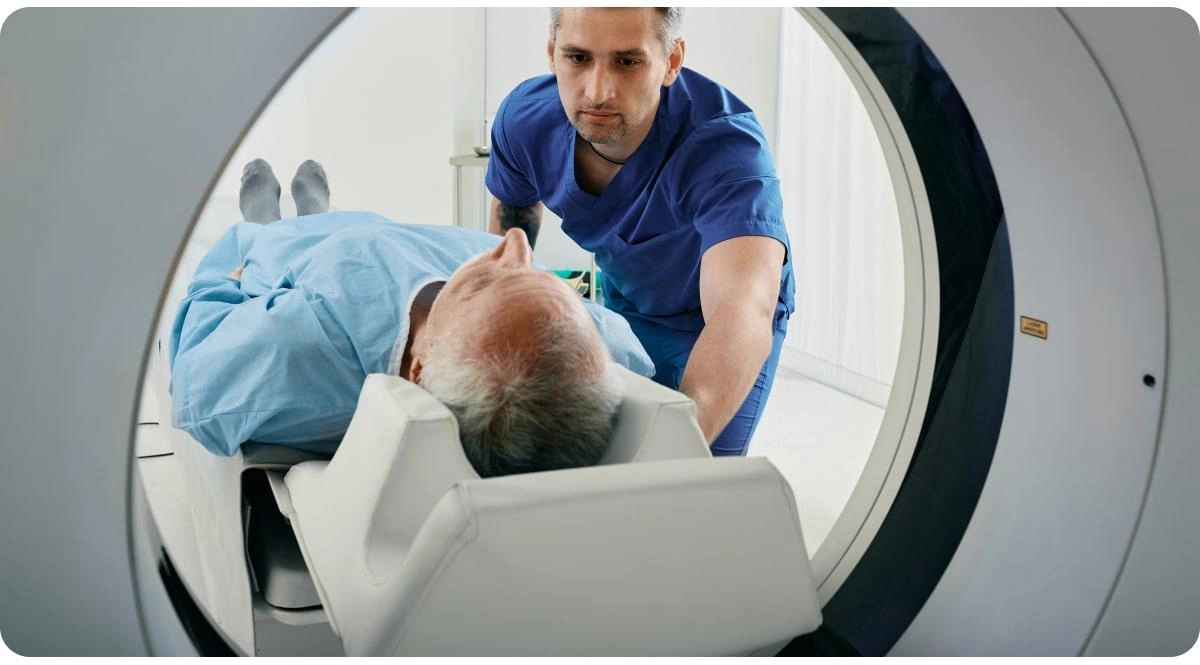
Clinical training offers you direct exposure to patient care and imaging technology. During this period, you’ll work under the supervision of experienced radiologic technologists. This experience helps you understand how to position patients correctly and operate X-ray machines safely.
Think about the first time you handled a machine or interacted with a patient—those moments build the foundation for your skills. It’s more than just practice; it’s about learning to stay calm and precise under pressure.
Internships
Internships provide an extended opportunity to apply your knowledge in a real healthcare setting. They often last several weeks or months, allowing you to observe a variety of cases and imaging techniques. This exposure can reveal the nuances of different workplace environments.
During an internship, you might notice how communication with doctors and nurses plays a big role in patient care. Have you ever thought about how your ability to collaborate could impact the quality of the images you produce? Internships help you develop these professional skills alongside technical ones.
Entry-level Jobs
Starting with entry-level positions, such as a radiology assistant or technician aide, lets you gain valuable experience while earning. These roles allow you to assist with patient preparation, maintain equipment, and learn workflow management. This hands-on experience can make your resume stand out when applying for certified X-ray tech roles.
Working in an entry-level job also teaches you the importance of attention to detail and time management. How do you handle busy shifts or unexpected challenges? Real-world jobs prepare you for these everyday realities better than any textbook can.
Career Advancement
Advancing your career as an X-ray tech opens many doors beyond the basic role of capturing images. You can deepen your expertise, take on more responsibilities, and even lead teams. Thinking about where you want to be in five years can help you decide which path to pursue.
Specializations
Diving into a specialization can make you stand out and increase your job satisfaction. You might focus on areas like mammography, computed tomography (CT), or magnetic resonance imaging (MRI). Each specialization requires additional training but often leads to higher pay and more challenging work.
Consider what interests you most. Do you enjoy working with certain types of equipment or patient groups? Specializing can also make you more valuable to employers and open up opportunities in hospitals, clinics, or research facilities.
Continuing Education
Learning doesn’t stop once you get your initial certification. Continuing education keeps your skills sharp and ensures you stay up-to-date with new technologies and safety protocols. Many states require X-ray techs to complete a set number of education hours to renew their licenses.
Look for courses that offer hands-on experience or focus on emerging imaging techniques. Online classes, workshops, and conferences can fit into your busy schedule and expand your knowledge. How much time can you realistically dedicate to learning each year?
Leadership Roles
Taking on leadership roles can transform your career from performing scans to shaping how a department operates. Supervisory positions involve managing staff, scheduling, and ensuring quality control. This shift requires strong communication skills and a good understanding of clinical workflows.
If you enjoy mentoring others or have ideas on improving patient care, leadership might be your next step. You could even move into administrative roles, influencing policies and training programs. Are you ready to lead and make a bigger impact in your workplace?
Job Market Insights
Understanding the job market is crucial before you decide to become an X-ray technician. Knowing where the demand lies, what salary you can expect, and how to effectively search for a position will set you up for success. Let’s break down these key points to help you navigate your career path with confidence.
Employment Trends
The demand for X-ray techs is steadily growing, especially in hospitals, outpatient care centers, and specialized imaging clinics. Advances in medical technology and an aging population increase the need for diagnostic imaging. Have you noticed more medical facilities opening in your area? That could be a sign of growing opportunities.
Job availability can vary by region, with urban centers typically offering more positions than rural areas. However, rural settings might provide faster career growth and leadership roles due to fewer specialists. Consider where you want to live and work carefully.
Salary Expectations
On average, X-ray technicians earn between $50,000 and $70,000 annually, but this can vary widely based on location, experience, and workplace. For example, working in a major city or a high-demand specialty can boost your pay significantly.
Benefits like health insurance, retirement plans, and overtime pay also add value to your total compensation. Have you thought about what salary you need to support your lifestyle? Knowing this helps you target the right job openings.
Job Search Tips
- Build a strong resume:Highlight your certification, clinical experience, and any specialized skills like MRI or CT scanning.
- Network actively:Attend healthcare job fairs and connect with professionals on LinkedIn to discover unadvertised openings.
- Use multiple job boards:Don’t rely on one source. Check hospital websites, general job sites, and specialized healthcare platforms.
- Prepare for interviews:Be ready to discuss how you handle patient care, safety protocols, and technical challenges.
Have you reached out to local imaging centers to ask about upcoming vacancies? Sometimes a direct inquiry leads to opportunities not yet posted online.
Challenges And Rewards
Becoming an X-ray tech comes with its unique set of challenges and rewards. Understanding both sides can help you prepare mentally and emotionally for this career path. You’ll face obstacles that test your skills and patience, but the satisfaction you gain often outweighs these hurdles.
Common Obstacles
Working as an X-ray tech means dealing with technical difficulties and long hours. Sometimes, equipment malfunctions or unclear imaging can make your job frustrating. You’ll also encounter patients who are anxious or uncooperative, requiring calm communication and empathy.
Physical strain is another challenge. Standing for extended periods and handling heavy machines can wear you down. Have you thought about how you’ll manage these physical demands?
Job Satisfaction
Despite challenges, many X-ray techs find deep satisfaction in their work. You play a vital role in diagnosing illnesses and helping doctors make accurate decisions. That impact on patient care can make your efforts feel meaningful every day.
Seeing a clear image that leads to successful treatment is rewarding. It reminds you that your skills directly contribute to saving lives and improving health.
Work-life Balance
Balancing shifts with personal life can be tricky. X-ray techs often work evenings, weekends, or on-call hours, which can disrupt regular routines. Planning ahead and setting boundaries helps maintain your well-being.
Ask yourself how you’ll create time for rest and activities outside work. Prioritizing self-care ensures you stay effective and happy in your role.
Credit: www.tiktok.com
Frequently Asked Questions
What Education Is Required To Become An Xray Tech?
An Xray tech needs a high school diploma and a specialized associate degree. Accredited radiologic technology programs teach essential skills and safety. Certification is often required for employment and licensure.
How Long Does It Take To Become An Xray Tech?
Becoming an Xray tech usually takes 1 to 2 years. This includes completing an accredited program and obtaining certification. Some programs offer accelerated options for faster entry into the field.
What Certification Do I Need As An Xray Tech?
Certification from the American Registry of Radiologic Technologists (ARRT) is commonly required. It validates your skills and knowledge in radiography. Many employers require ARRT certification for hiring and licensure.
What Skills Are Important For An Xray Tech?
Key skills include attention to detail, technical ability, and patient care. Xray techs must operate imaging equipment accurately and follow safety protocols. Good communication skills help in explaining procedures to patients.
Conclusion
Becoming an X-ray tech takes clear steps and dedication. Start with good education and training programs. Earn your certification to prove your skills. Gain experience through hands-on practice in clinics or hospitals. Keep learning to stay updated with new technology.
This career offers a chance to help others daily. Take your time and follow each step carefully. Your hard work will lead to a rewarding job. Ready to begin? The path is clear and within reach.

Similar Posts