What is Ekg Tech: Essential Guide to a Vital Healthcare Role
Have you ever wondered what an EKG tech does and why their role is so important? If you’re curious about how heart health is monitored or considering a career in healthcare, understanding the job of an EKG tech is a great place to start.
This article will give you clear, simple answers about what an EKG tech is, what they do, and how they help save lives every day. Keep reading, and you’ll discover everything you need to know about this vital healthcare profession.
Credit: dreambound.com
Role Of An Ekg Tech
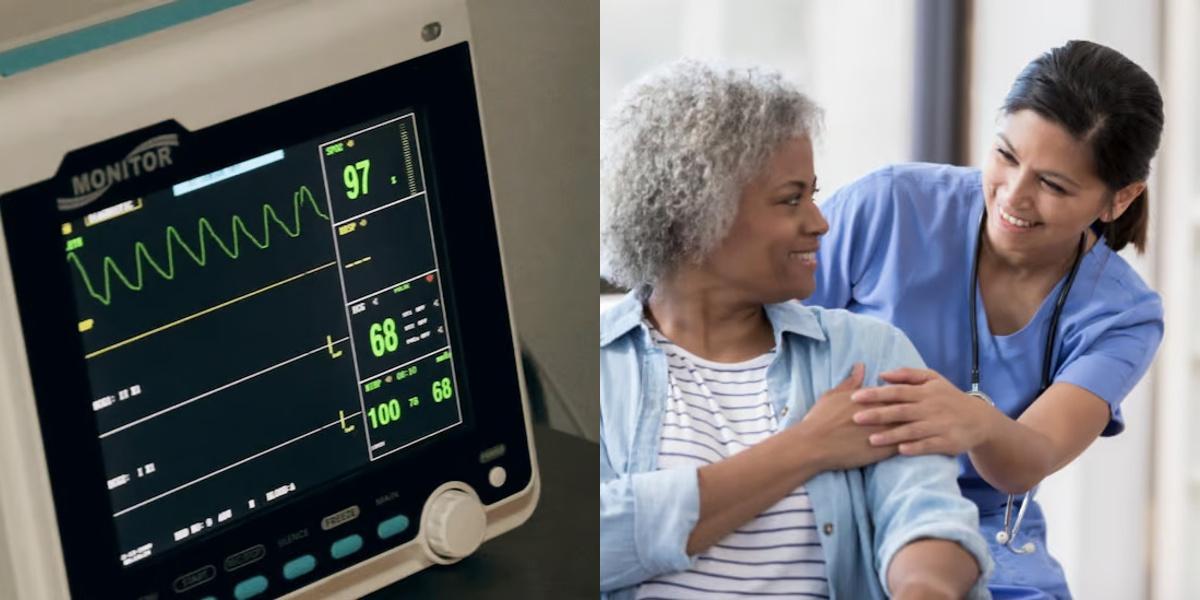
The role of an EKG tech is vital in the healthcare system. These professionals perform tests that check the heart’s electrical activity. Their work helps doctors diagnose heart conditions quickly and accurately.
EKG techs must be skilled, attentive, and compassionate. They work closely with patients and medical staff to ensure accurate results. Their role combines technical knowledge and patient care.
Daily Responsibilities
- Prepare patients for EKG tests by placing electrodes on the skin.
- Operate EKG machines to record heart activity.
- Monitor test results for abnormalities and report findings.
- Maintain and clean equipment regularly.
- Update patient records and document test details.
- Explain procedures to patients to reduce their anxiety.
Work Environment
EKG techs work in hospitals, clinics, and doctor’s offices. They spend much of their day standing and moving between patients. The environment is often busy but organized.
They interact with diverse patients, sometimes in emergency situations. Teamwork with nurses and doctors is essential for smooth operations. Safety and cleanliness are top priorities in their workspace.
Impact On Patient Care
EKG techs provide crucial information that guides treatment. Their accurate tests help doctors detect heart problems early. This can save lives and improve patient outcomes.
They also offer comfort and reassurance to patients during tests. Their gentle approach helps patients feel safe and calm. This positive experience supports better cooperation and results.
Skills And Qualifications
To become a skilled EKG technician, you need a blend of formal education, hands-on technical abilities, and strong interpersonal qualities. These skills and qualifications ensure you can perform accurate heart monitoring while providing comfort to patients. Understanding what each area involves can help you prepare effectively for this career.
Educational Requirements
Most EKG tech positions require at least a high school diploma or GED. Beyond that, completing a specialized training program in EKG technology is crucial. These programs, often offered by community colleges or technical schools, cover the basics of heart anatomy, EKG procedures, and safety protocols.
Many employers prefer candidates with certification, such as the Certified EKG Technician (CET) credential. Certification shows you have met industry standards and improves your job prospects.
Technical Skills
Precision is key in this role. You must know how to operate EKG machines correctly and troubleshoot any issues that arise. Understanding how to place electrodes on the body properly can make a big difference in the quality of the readings.
Being able to identify abnormal heart rhythms or artifacts in the EKG tracing is another valuable skill. It helps you alert doctors quickly, potentially saving lives. Are you confident in your ability to handle medical equipment and interpret results accurately?
Soft Skills
Working as an EKG tech isn’t just about machines; it’s about people. You’ll need strong communication skills to explain procedures clearly and ease patient anxiety. Patience and empathy go a long way, especially with nervous or elderly patients.
Attention to detail and reliability are also essential. Mistakes can lead to misdiagnosis, so you must stay focused and follow protocols precisely. Can you stay calm under pressure and maintain a caring attitude throughout your workday?
Ekg Procedures And Equipment
EKG procedures involve recording the heart’s electrical activity. This helps diagnose heart problems quickly. The equipment used is designed to be easy and safe for patients. Understanding the types of EKG tests and how machines work is important for both patients and technicians.
Types Of Ekg Tests
- Resting EKG: Measures heart activity while lying down quietly.
- Stress EKG: Records heart function during physical exercise.
- Holter Monitor: A portable device worn for 24-48 hours to track heart rhythms.
- Event Monitor: Used over longer periods to catch irregular heartbeats.
Using Ekg Machines
EKG machines have electrodes placed on the skin. These electrodes pick up electrical signals from the heart. The machine then converts signals into a graph. This graph shows heart rhythm and beats.
Technicians must place electrodes correctly for accurate results. The machine settings are adjusted based on the test type. The recorded data is printed or saved digitally for review.
Safety Protocols
- Clean skin before attaching electrodes to avoid poor contact.
- Use disposable electrodes to prevent infections.
- Check the equipment regularly to ensure it works well.
- Monitor patients during tests to respond to any discomfort.
Career Path And Opportunities
The career path of an EKG tech offers solid opportunities in healthcare. EKG technicians play a key role in monitoring heart activity. Their skills are essential in hospitals, clinics, and emergency care. This field suits those who like technical work and patient care. Growth depends on education, certification, and experience. Understanding the career path helps plan for success and job stability.
Certification And Licensing
Most employers require EKG techs to hold certification. Certification proves knowledge of heart monitoring procedures. The Certified EKG Technician (CET) credential is widely accepted. Some states also require licensing to work legally. Training programs teach anatomy, EKG operation, and safety. Certification exams test practical and theoretical skills. Maintaining certification needs continuing education and renewals.
Advancement Options
EKG techs can grow by learning new skills. Some move into cardiac monitoring or stress testing roles. Experience can lead to supervisory or training positions. Additional certifications open doors to specialized fields. Many techs advance to become cardiovascular technologists. Pursuing nursing or medical degrees is another option. Each step increases responsibility and earning potential.
Job Outlook
The demand for EKG techs remains strong. Aging populations increase the need for heart health services. Hospitals and clinics constantly seek skilled technicians. Job growth is faster than average in healthcare. Entry-level positions are available nationwide. Work settings vary from large hospitals to small offices. Flexibility in hours and locations offers benefits to workers.
Challenges Faced By Ekg Techs
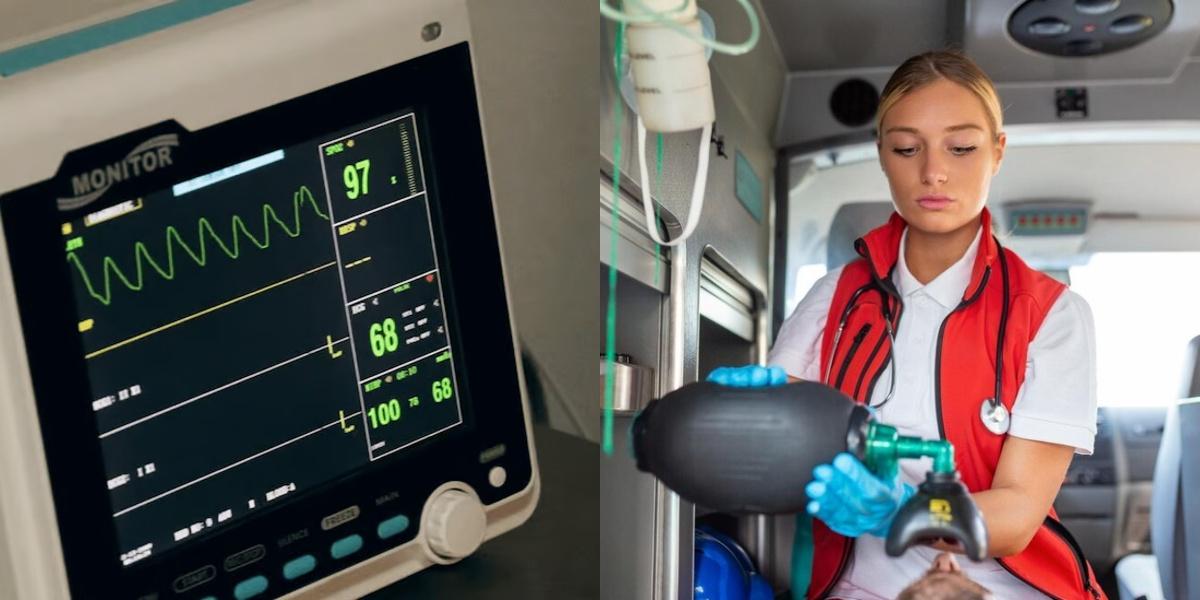
EKG techs play a vital role in healthcare by recording heart activity. Their work involves technical skill and patient care. The job has many challenges that test their patience and knowledge. Understanding these challenges helps appreciate the effort behind every EKG test.
Common Workplace Issues
EKG techs often face busy schedules and high patient loads. They work in fast-paced environments that demand accuracy. Equipment may malfunction or need frequent calibration. Sometimes, techs must handle unclear orders from doctors. These issues can cause stress and require quick problem-solving skills.
Handling Patient Anxiety
Many patients feel nervous during an EKG test. Techs must calm anxious patients to get accurate results. Clear instructions and a gentle approach help ease fear. Techs often explain the procedure simply and reassure patients. Patience and kindness improve the patient’s experience.
Staying Updated With Technology
EKG machines and software constantly improve. Techs need ongoing training to use new tools correctly. Keeping up with technology ensures better test accuracy. It also helps techs work more efficiently. Regular learning is essential to stay skilled in this field.
Credit: dreambound.com
Tips For Aspiring Ekg Techs
Starting a career as an EKG tech can be exciting and challenging. You might wonder how to stand out and build a strong foundation. Here are some practical tips to help you grow and succeed in this field.
Gaining Experience
Hands-on experience is key to mastering EKG technology. Seek internships or volunteer opportunities in hospitals or clinics where you can practice under supervision. Real patient interaction helps you understand how to handle different situations and equipment confidently.
Don’t hesitate to ask for feedback from your mentors. It can highlight areas to improve that you might overlook. Each experience adds to your skill set and prepares you for real-world demands.
Networking And Professional Growth
Building connections with other healthcare professionals opens doors to job opportunities and mentorship. Attend local healthcare events or join online forums dedicated to EKG techs. These platforms let you exchange tips and stay updated on industry trends.
Consider joining professional organizations like the American Society of EKG Technicians. Members often get access to exclusive training sessions and job boards. Have you reached out to someone in the field today to learn from their journey?
Continuing Education
The medical field changes rapidly, and staying current is essential. Enroll in refresher courses or workshops that cover new technologies and procedures. Many employers value technicians who invest in their education beyond initial certification.
Online courses offer flexibility if you’re working full-time. Setting a goal to complete one course every year keeps your knowledge fresh. What new skill could you add to your toolkit this month?

Credit: www.dtcc.edu
Frequently Asked Questions
What Does An Ekg Tech Do Daily?
An EKG tech operates electrocardiogram machines to record heart activity. They prepare patients, position electrodes, and ensure accurate readings for diagnosis.
How To Become A Certified Ekg Tech?
To become certified, complete a healthcare training program, gain hands-on experience, and pass a certification exam from recognized organizations.
What Skills Are Essential For Ekg Techs?
Key skills include attention to detail, patient communication, technical proficiency with EKG machines, and knowledge of cardiac anatomy and physiology.
What Is The Job Outlook For Ekg Techs?
The demand for EKG techs is growing due to increased heart-related health issues and expanded healthcare services nationwide.
Conclusion
Understanding EKG tech is crucial for heart health monitoring. It helps doctors detect heart issues early. Patients can avoid complications with timely diagnosis. EKG tech continuously evolves, offering better precision. This benefits both medical professionals and patients. Learning about its function empowers individuals.
It ensures informed health decisions. EKG tech remains an essential tool in healthcare. Its importance continues to grow. Stay informed about advancements in EKG technology. This knowledge can improve heart health management. Explore resources to deepen your understanding. Make heart health a priority today.

Similar Posts