How Long is Ultrasound Tech Training: Essential Guide to Success
Are you thinking about becoming an ultrasound technician but wondering how long the training actually takes? Knowing the length of ultrasound tech training is one of the most important steps to plan your future.
You want to understand what to expect, how much time you’ll need to invest, and how quickly you can start working in this exciting healthcare field. You’ll get clear answers about the training duration, so you can make confident decisions and move forward with your goals.
Keep reading to discover exactly how long it takes to become an ultrasound tech and what factors can affect your timeline.
Duration Of Ultrasound Tech Training
Understanding the duration of ultrasound tech training is key to planning your career path effectively. Different educational routes offer varying time commitments, and your choice will impact how quickly you can start working in this field. Let’s break down the typical durations for the main types of ultrasound tech programs available.
Certificate Programs
Certificate programs are the quickest path to becoming an ultrasound technician. These programs usually take about 12 to 18 months to complete. They focus on essential skills and hands-on training, making them ideal if you already have healthcare experience and want to switch careers quickly.
While short, certificate programs demand a strong commitment to learning. You’ll spend a lot of time in clinical settings practicing your skills. Have you considered how intensive study and practical hours fit into your current schedule?
Associate Degree Options
Associate degrees typically take around 2 years to finish. These programs offer a more comprehensive education, combining general education courses with specialized ultrasound training. This path often includes more clinical experience, which can boost your confidence and job readiness.
Many employers prefer candidates with an associate degree because it signals a deeper understanding of the field. If you want a balance between time investment and thorough training, this might be the right choice. Think about how much time you can dedicate without feeling overwhelmed.
Bachelor’s Degree Pathways
Bachelor’s degrees in diagnostic medical sonography usually require 4 years of study. These programs provide extensive education, covering advanced topics and leadership skills, preparing you for broader roles in healthcare. They often open doors to higher-paying jobs and management positions.
If you aim for long-term career growth and specialization, investing in a bachelor’s degree can pay off. However, the longer duration means planning financially and personally for a bigger time commitment. Are you ready to commit to a longer educational journey for greater career opportunities?

Credit: www.cambridgehealth.edu
Key Coursework And Skills
The key coursework and skills in ultrasound tech training build the foundation you need to become a competent sonographer. These subjects not only teach you the technical side but also prepare you to handle patients with care and professionalism. Understanding what you’ll learn helps you see how each piece fits into your future daily work.
Anatomy And Physiology
Knowing the human body inside and out is crucial for ultrasound techs. You’ll study different body systems, like the cardiovascular and musculoskeletal systems, so you can identify what healthy and abnormal tissues look like on a scan.
This knowledge helps you spot problems early, which can make a big difference in patient care. Have you ever wondered how sonographers can tell if an organ is functioning properly just by looking at an image? Anatomy and physiology explain that.
Medical Terminology
Learning medical terms is like learning a new language that doctors and healthcare professionals use every day. This skill lets you communicate clearly with the healthcare team and understand patient records.
Imagine being able to read a patient’s chart without confusion or asking for constant clarification. Medical terminology training makes your workflow smoother and reduces errors.
Ultrasound Equipment Operation
Hands-on training with ultrasound machines is where theory meets practice. You’ll learn how to operate different types of equipment, adjust settings, and capture quality images.
Knowing your machine well means you can work efficiently and provide accurate diagnostic images. Have you thought about how small changes in machine settings affect image clarity? This course teaches you exactly that.
Patient Care Techniques
Ultrasound techs don’t just work with machines; they work with people. This coursework focuses on how to make patients comfortable, explain procedures, and handle sensitive situations with empathy.
Good patient care builds trust and helps patients stay calm during scans, which can improve image quality. How would you feel if a tech took time to explain every step before starting your scan?
Clinical Training Requirements
Clinical training is a key part of ultrasound tech programs. It offers real-world experience beyond the classroom. Students apply theory to practice and learn how to operate ultrasound equipment safely. Clinical training also helps build confidence and skills needed for patient care. This training meets strict standards set by accrediting bodies. It usually involves several hours of hands-on work in medical settings.
Hands-on Experience
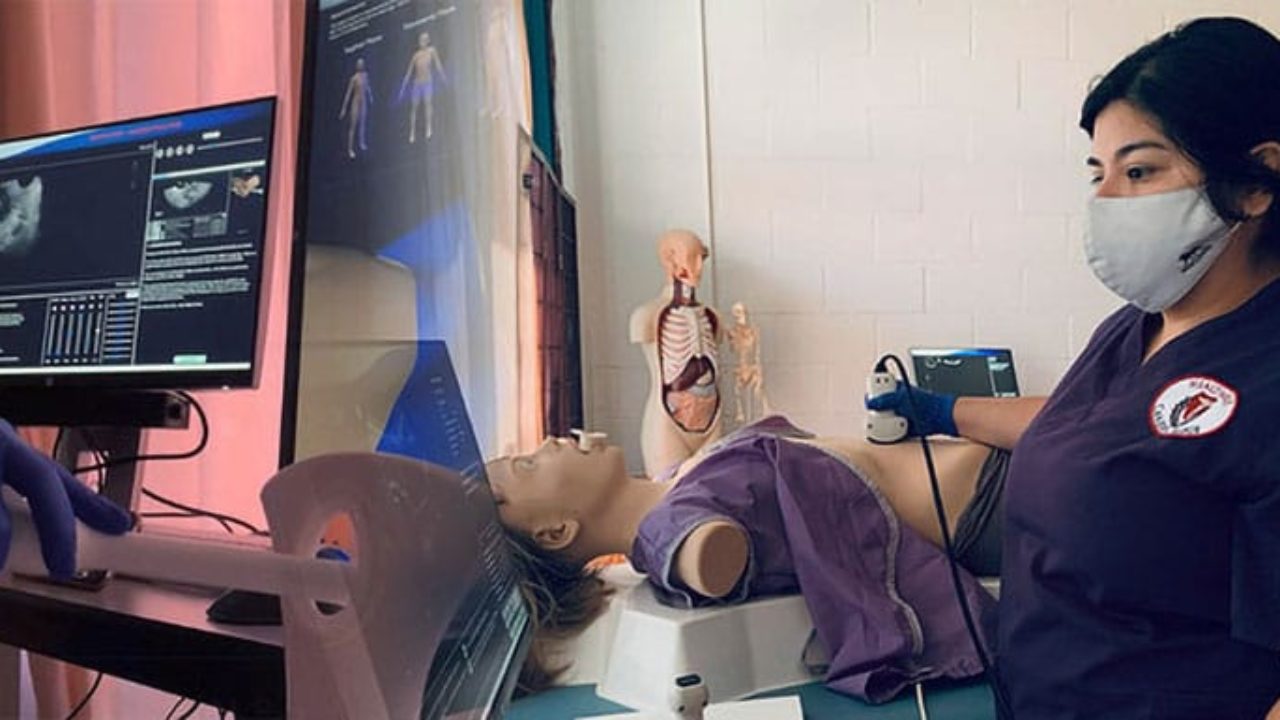
Hands-on experience is essential in ultrasound tech training. Students work directly with patients under expert supervision. They learn how to position patients and capture clear images. This practice improves technical skills and patient communication. It prepares students to handle different cases and equipment types.
Internship Opportunities
Internships provide valuable exposure to clinical environments. Many programs partner with hospitals and clinics for internships. These placements let students observe professionals and perform scans. Internships often last several weeks or months. They help students understand workplace routines and expectations.
Supervised Practice Hours
Most programs require a set number of supervised practice hours. These hours ensure students get enough real patient contact. The exact number varies by program and state rules. Supervised hours allow instructors to guide and correct techniques. Completion of these hours is necessary for certification eligibility.
Certification And Licensing
Certification and licensing are key parts of ultrasound tech training. They prove a tech’s skills and knowledge to employers and patients. Certification shows that a tech meets industry standards. Licensing ensures legal permission to work in a state. Both steps help keep high care quality and patient safety.
Credentialing Bodies
Several organizations offer certification for ultrasound technicians. The most recognized is the American Registry for Diagnostic Medical Sonography (ARDMS). It provides exams in different specialties like abdominal, obstetrics, and vascular ultrasound. Another group is the American Registry of Radiologic Technologists (ARRT). They offer certification in sonography with strict education and ethics rules. State licensing rules vary, so check local requirements. Some states require separate licenses for ultrasound techs.
Exam Preparation
Preparing for certification exams takes focused study and practice. Review courses help cover ultrasound physics, anatomy, and patient care. Practice tests build confidence and speed. Many techs use textbooks, online materials, and study groups. Hands-on clinical experience is vital too. It helps connect theory to real-world scanning. Consistent study and good time management improve exam success chances.
Maintaining Certification
Certification is not permanent. Ultrasound techs must renew it every few years. Renewal requires continuing education credits or retaking exams. This ensures techs stay updated on new technology and techniques. Some organizations also require proof of clinical work hours. Staying active in professional groups supports learning. Maintaining certification shows commitment to quality care and professional growth.
Factors Influencing Training Length
The length of ultrasound tech training varies widely. Several factors affect how long it takes to complete the program. Understanding these can help set realistic expectations.
Training duration depends on study format, program quality, and prior experience. Each factor influences the total time needed for certification.
Full-time Vs Part-time Study
Full-time study programs usually last between 12 to 24 months. Students attend classes and clinicals regularly. This schedule speeds up the learning process.
Part-time study spreads the coursework over a longer period. It suits those balancing work or family commitments. This path can take 2 to 4 years to finish.
Program Accreditation
Accredited programs meet strict quality standards. They often require a set number of clinical hours. This requirement affects how long training takes.
Non-accredited programs may be shorter but lack recognition. Employers prefer graduates from accredited schools. Choosing the right program impacts future job options.
Prior Healthcare Experience
Students with healthcare backgrounds can sometimes complete training faster. They already know medical terms and procedures. This experience reduces the need for basic lessons.
Newcomers to healthcare may need extra time to learn foundational skills. Their training might include more theory and practice. Prior experience often shortens the overall training length.
Credit: healthcarecareercollege.edu
Career Outlook And Advancement
Thinking about a career in ultrasound technology means looking beyond the training period. Understanding the career outlook and advancement opportunities can help you plan your future effectively. Let’s break down what the job market looks like, areas you can specialize in, and how continuing education can boost your career.
Job Market Demand
The demand for ultrasound techs is growing steadily. Hospitals, clinics, and diagnostic centers are constantly seeking skilled professionals. This growth means you have a strong chance of finding a job soon after training.
Have you noticed the rise in healthcare services in your area? That often signals more opportunities. Your ability to stay updated with the latest ultrasound techniques can make you stand out even more.
Specialization Areas
Ultrasound technology isn’t one-size-fits-all. You can specialize in fields like obstetrics, cardiology, or vascular ultrasound. Specializing allows you to focus on what interests you most and increases your value to employers.
For example, working in fetal imaging demands a keen eye for detail and compassion, while cardiac ultrasound requires understanding of heart functions. Which area excites you the most?
Continuing Education Options
Training doesn’t stop once you land a job. Many ultrasound techs take additional courses to learn new skills or earn certifications. These options include workshops, online courses, and advanced degree programs.
Continuing education can lead to promotions or roles with more responsibility. Consider setting a goal to complete at least one certification every few years to keep your skills fresh and your career moving forward.

Credit: fagonex.com
Frequently Asked Questions
How Long Does Ultrasound Tech Training Usually Take?
Ultrasound tech training typically takes 1 to 2 years. Certificate programs last about 12 to 18 months. Associate degrees usually require 2 years to complete. Time varies based on the program type and student pace. This duration prepares students for certification exams.
Can Ultrasound Tech Training Be Completed Online?
Yes, some ultrasound tech programs offer online coursework. However, clinical training must be completed in person. Online programs provide flexibility but require local clinical placements. Ensure the program is accredited for eligibility in certification. Online training suits those balancing work and study.
What Factors Influence Ultrasound Tech Training Duration?
Training length depends on program type, full or part-time status, and prior education. Certificate programs are shorter than degree programs. Part-time students take longer to finish. Some schools offer accelerated courses. Clinical hours required also affect total training time.
Is Certification Included In Ultrasound Tech Training?
Certification is not automatic but is often the goal. Training prepares students for exams like the ARDMS. Passing certification improves job prospects and credibility. Some programs integrate exam preparation into the curriculum. Certification requires meeting educational and clinical experience standards.
Conclusion
Ultrasound tech training varies in length. Programs range from one to four years. Shorter courses often lead to certificates. Longer programs offer degrees. Time commitment depends on your career goals. Practical training is crucial in this field. Skills improve with hands-on experience.
Graduates find diverse job opportunities. Hospitals, clinics, and imaging centers all need skilled technicians. You can start a rewarding career in healthcare. Consider your options carefully. Your decision shapes your future in ultrasound technology. Choose wisely, and embark on a fulfilling path.

Similar Posts