How Much Do Vet Techs Get Paid: Unveiling Top Salary Secrets
Are you curious about how much vet techs get paid? If you love animals and are thinking about a career as a veterinary technician, knowing the salary is one of the first things on your mind.
Your pay can affect your lifestyle, career choices, and future plans. You’ll discover the typical earnings for vet techs, factors that influence their pay, and tips to boost your income in this rewarding field. Keep reading to find out if becoming a vet tech is the right financial move for you.
Vet Tech Salary Basics
Understanding vet tech salary basics helps to set clear expectations. Salaries vary by location, experience, and education level. Knowing these factors can guide career choices.
Average Pay Across Regions
Vet tech salaries differ across the United States. Urban areas often offer higher pay than rural regions. States with a higher cost of living usually have better wages.
- Northeast and West Coast generally pay more.
- Midwest and South tend to have lower salaries.
- Local demand for vet techs also affects pay rates.
Entry-level Vs Experienced Salaries
Starting salaries for vet techs are lower than those with experience. Entry-level workers earn less but gain skills quickly. Experienced techs command higher wages due to proven expertise.
| Experience Level | Average Salary |
|---|---|
| Entry-Level (0-2 years) | $30,000 – $35,000 |
| Mid-Level (3-5 years) | $35,000 – $45,000 |
| Experienced (5+ years) | $45,000 – $55,000+ |
Impact Of Education On Earnings
Higher education often leads to better pay for vet techs. Certifications and specialized training increase salary potential. Employers value formal education and hands-on skills.
- Associate degrees are the minimum for most jobs.
- Bachelor’s degrees can open advanced roles and higher pay.
- Certification from accredited programs boosts credibility and wages.
Top Paying Locations
Vet tech salaries vary widely depending on location. Some areas pay much higher wages than others. Understanding these differences helps vet techs find the best spots to work.
Location affects salary due to living costs, demand, and job availability. Knowing top paying places guides career decisions. Here are key insights about where vet techs earn the most.
Highest Salary States
Certain states offer higher pay for vet techs. These states usually have higher living costs or more specialized clinics.
- California
- Alaska
- Washington
- Massachusetts
- New York
Vet techs in these states can earn 20-30% more than the national average. Urban centers in these states often provide the best salaries.
Urban Vs Rural Pay Differences
Urban areas typically pay more than rural ones. Cities have more veterinary clinics and higher living expenses. Rural locations may offer fewer jobs and lower wages.
- Urban vet techs earn about $5,000 to $10,000 more per year.
- Rural vet techs might have less competition but lower pay.
- Cost of living often balances out the lower rural wages.
International Salary Comparisons
Vet tech salaries also differ between countries. The United States generally offers higher wages compared to many other nations.
| Country | Average Annual Salary |
|---|---|
| United States | $35,000 – $45,000 |
| United Kingdom | $25,000 – $33,000 |
| Australia | $30,000 – $40,000 |
| Canada | $28,000 – $38,000 |
Exchange rates and local costs influence these differences. Vet techs considering work abroad should research pay and expenses carefully.
Specializations That Boost Pay
Specializing in a specific area can increase a vet tech’s salary. Employers pay more for skills that are hard to find. These specializations also offer chances for career growth. Vet techs with extra training or certification often earn higher wages. They gain respect and trust in their workplaces.
Emergency And Critical Care
Vet techs in emergency care handle urgent animal health problems. They work in fast-paced environments. This role requires quick thinking and strong skills. Vet techs monitor vital signs and assist with life-saving treatments. Their work is crucial during emergencies. Due to high stress and responsibility, pay is generally higher.
Surgical Assistance
Techs who assist in surgeries have specialized knowledge. They prepare animals and surgical tools. They support veterinarians during operations. Precision and focus are essential in this role. Surgical assistants reduce surgery time and improve outcomes. These skills lead to better pay than general vet tech roles.
Laboratory And Diagnostic Roles
Some vet techs specialize in lab work and diagnostics. They collect and analyze samples like blood and urine. These roles help diagnose illnesses early. Accurate lab results are vital for treatment plans. Vet techs with lab skills often receive higher salaries. They play a key role in animal health care.
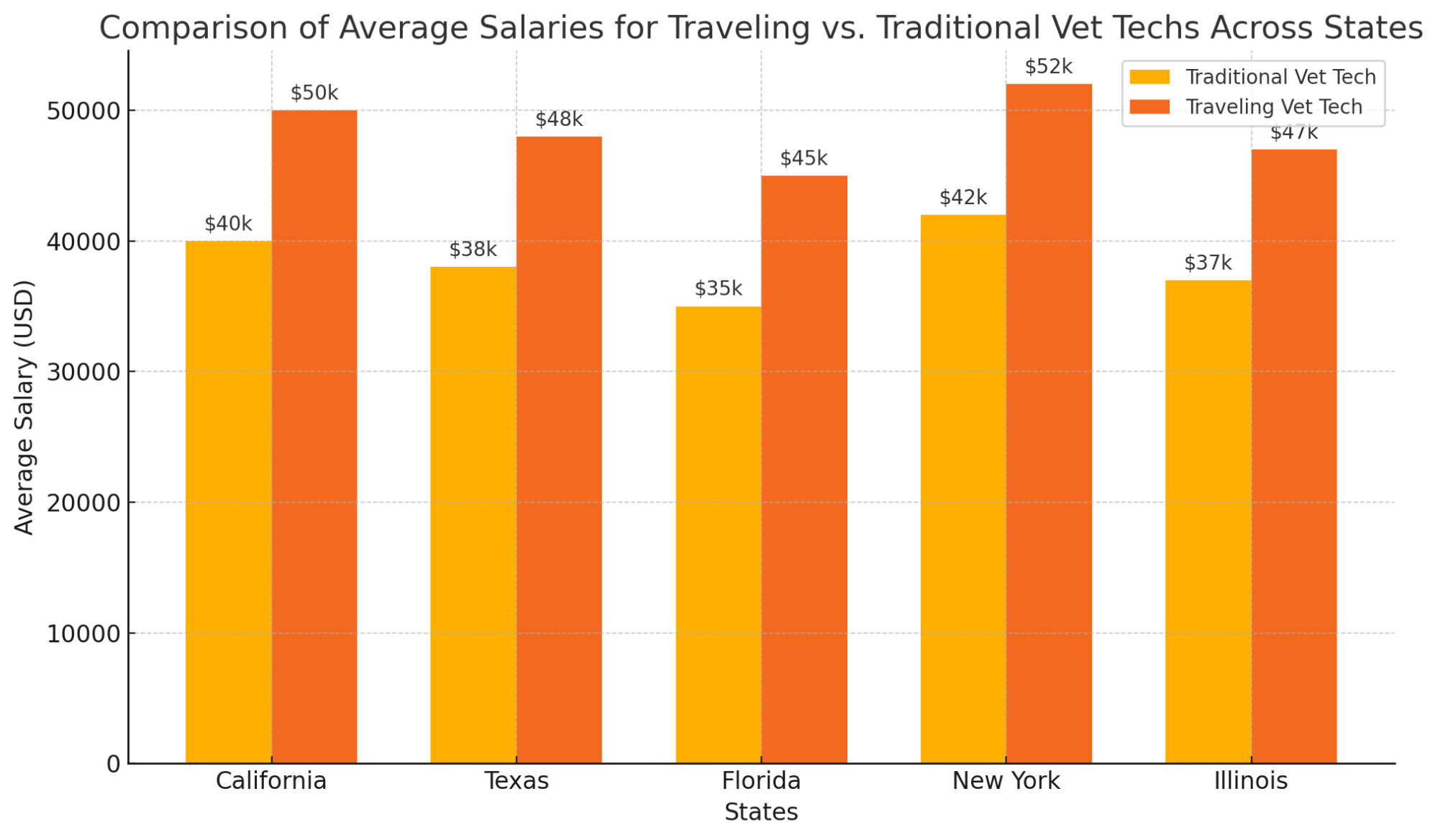
Credit: www.vetandtech.com
Factors Affecting Vet Tech Salaries
Vet tech salaries vary widely, and understanding the factors behind this can help you navigate your career path more strategically. Several key elements influence how much you can earn in this field. Knowing what they are allows you to make informed choices about where to work, what skills to develop, and how to position yourself for better pay.
Workplace Settings
Your salary as a vet tech largely depends on where you work. Clinics and private veterinary hospitals often offer different pay scales compared to animal shelters or research facilities. Generally, specialized hospitals and emergency clinics tend to pay more due to the demanding nature of the work.
Working in a high-volume urban clinic may increase your earnings compared to a rural setting. Have you considered how your location and workplace type might impact your paycheck?
Certifications And Continuing Education
Additional certifications can boost your salary significantly. Specializing in areas like anesthesia, dental care, or emergency medicine shows employers your commitment and expertise.
Continuing education not only sharpens your skills but also positions you for higher pay. Investing time in certifications can pay off quickly, sometimes leading to raises or promotions within months.
Experience And Tenure
Experience matters in vet tech salaries more than you might expect. New graduates often start at the lower end of the pay scale, but those with several years under their belt usually see steady increases.
Longevity at one employer can also be a factor, as many clinics reward loyalty with incremental pay raises. Think about your career goals—are you focusing on gaining experience, or are you looking to switch roles to maximize your income?
Negotiation Tips For Higher Pay
Negotiating for a higher salary as a vet tech requires more than just asking for more money. You need a clear strategy that shows your value and fits the market. Knowing how to highlight your strengths, understand pay trends, and pick the right moment can make a big difference in your negotiation success.
Highlighting Skills And Experience
Focus on what makes you stand out. Have you mastered specialized procedures or handled difficult cases? Share specific examples that show your expertise.
Think about the skills that your employer values most. Maybe you excel at patient care or are skilled with certain medical equipment. Pointing these out proves why you deserve a raise.
Researching Market Rates
Knowing the typical pay for vet techs in your area gives you a solid ground to negotiate. Use websites like Glassdoor or the Bureau of Labor Statistics to find reliable data.
Compare salaries in different clinics or hospitals to understand the range. This helps you set a realistic, confident target instead of a random number.
Timing And Approach
Pick the right time to ask for a raise, such as after a successful project or your annual review. Timing can influence how open your employer is to negotiation.
Approach the conversation calmly and professionally. Ask open-ended questions like, “How can I grow into a higher-paying role?” to show willingness to improve.
Have you considered how your attitude during negotiation affects the outcome? A positive, prepared approach often leads to better results.

Credit: www.roo.vet
Additional Benefits Beyond Salary
Vet techs enjoy more than just a paycheck. Their jobs often come with valuable benefits. These perks improve their work life and personal well-being.
Benefits help vet techs feel secure and supported. They add extra value beyond the base salary. Many clinics and hospitals offer these benefits to attract and keep skilled workers.
Health And Retirement Plans
Health insurance is a key benefit for vet techs. It usually covers doctor visits, prescriptions, and sometimes dental or vision care. This coverage helps reduce medical costs for employees and their families.
Retirement plans, like 401(k) or pension options, are common too. These plans help workers save money for the future. Employers often match a part of the employee’s contribution, boosting savings.
Paid Time Off And Flexibility
Paid time off (PTO) gives vet techs days off with pay. This includes vacation, sick leave, and personal days. PTO helps prevent burnout and supports work-life balance.
Many employers also offer flexible schedules. Shifts may vary or allow for some remote work. Flexibility helps vet techs manage family needs and other responsibilities.
Professional Development Opportunities
Vet techs can grow their skills through training and education. Employers often provide access to workshops, seminars, or online courses. This support helps techs stay current with veterinary advances.
Some clinics pay for certification renewals or advanced degrees. Learning opportunities lead to career growth and higher earning potential. Investing in skills benefits both the worker and employer.

Credit: www.ziprecruiter.com
Frequently Asked Questions
What Is The Average Salary For Vet Techs?
Vet techs earn an average salary of $35,000 to $45,000 annually. Salaries vary by location, experience, and education. Urban areas often offer higher wages. Specialized fields, such as surgery or emergency care, may offer increased pay. Benefits and bonuses can also impact overall compensation.
Do Vet Techs Earn More With Experience?
Yes, experienced vet techs typically earn higher salaries. As skills improve, pay increases. Advanced certifications and specialized skills can boost earnings. Employers may offer raises based on performance. Longevity in the field often leads to better compensation packages.
Are Vet Tech Salaries Different By State?
Vet tech salaries vary significantly by state. States with higher living costs often offer higher wages. For example, California and New York typically pay more than rural states. Licensing requirements and demand can also affect state-specific salaries. Research local salary trends for accurate expectations.
Do Vet Techs Receive Benefits?
Many vet techs receive benefits, including health insurance, paid time off, and retirement plans. Benefits depend on the employer and job type. Full-time positions often offer more comprehensive packages. Some employers provide continuing education opportunities to enhance skills and career growth.
Conclusion
Vet tech salaries vary based on experience, location, and skills. Entry-level techs earn less but gain valuable experience. With time, pay tends to increase steadily. Some states offer higher wages due to demand. Additional certifications can boost earnings as well.
Vet techs play a vital role in animal care. Their work often reflects their passion and dedication. Salary is just one part of job satisfaction. Choosing this career means helping animals every day. Consider your goals and local job market before deciding.

Similar Posts