How Much School to Be an Ultrasound Tech: Essential Guide
Are you thinking about becoming an ultrasound tech but wonder how much school you really need? Knowing the right amount of education can save you time and help you start your new career faster.
Whether you want to jump straight into the field or plan ahead for your future, understanding the schooling requirements is key. Keep reading to find out exactly what it takes to become an ultrasound tech and how you can get there without unnecessary delays.
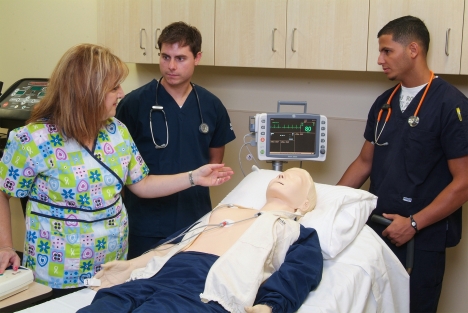
Credit: www.stclaircollege.ca
Education Requirements
Understanding the education requirements is key to starting your career as an ultrasound technician. The path involves specific training and certifications designed to equip you with the skills needed for this hands-on medical role. Each stage of education builds on the last, preparing you to handle advanced technology and patient care confidently.
High School Preparation
Your journey begins in high school, where focusing on science and math courses can give you an advantage. Classes like biology, anatomy, and physics help you grasp the basics of human body systems and sound waves. Don’t overlook computer skills; many ultrasound machines rely on digital technology.
Participating in health-related extracurricular activities or volunteering at clinics can also provide early exposure to the medical environment. This practical experience often clarifies if this career suits your interests and work style.
Postsecondary Programs
After high school, enrolling in a postsecondary ultrasound technician program is essential. These programs combine classroom learning with clinical practice, ensuring you gain hands-on experience.
Look for accredited programs that offer specialized training in sonography. Accreditation ensures the program meets industry standards and prepares you for certification exams. Some schools offer certificate programs if you already have a background in healthcare, which can be a quicker route.
Associate Vs Bachelor Degrees
Choosing between an associate and a bachelor degree depends on your career goals and time commitment. An associate degree typically takes about two years and is the most common path to becoming an ultrasound tech.
A bachelor degree usually takes four years and may open doors to advanced positions, such as management or specialized clinical roles. It often includes broader coursework in healthcare and science, giving you a deeper understanding of the field.
Ask yourself: Do you want to start working sooner, or are you aiming for long-term advancement? Both degrees lead to certification, but your choice can shape your job options and salary potential.
Certification And Licensing
Certification and licensing are crucial for ultrasound technicians. They prove that a tech has the skills needed to perform quality ultrasounds. These credentials also increase job opportunities and trust from patients and employers.
Knowing the certification and licensing process helps you plan your education and career path effectively.
Credentialing Bodies
Several organizations offer credentials for ultrasound techs. The most known is the American Registry for Diagnostic Medical Sonography (ARDMS). Others include the Cardiovascular Credentialing International (CCI) and the American Registry of Radiologic Technologists (ARRT).
These bodies set standards for education and skills. They also require continuing education to keep credentials valid.
Certification Exams
Certification exams test your knowledge and skills in ultrasound technology. Exams cover anatomy, physics, patient care, and ultrasound procedures. You must pass these to earn your credential.
Preparation often involves study guides and practice tests. Passing shows you can work safely and effectively in the field.
State Licensing Rules
Some states require ultrasound techs to have a state license. Licensing rules vary widely across the country. Check your state’s health department website for specific requirements.
Licensing may include background checks, fees, and proof of certification. Keeping your license current often means completing continuing education.
Duration Of Training
The duration of training to become an ultrasound tech varies by program type and study pace. Understanding how long it takes helps you plan your education and career path. Training includes both classroom lessons and hands-on practice.
Program Lengths
Most ultrasound tech programs last between 1 and 4 years. Certificate programs often take about 1 year. Associate degree programs usually require 2 years. Bachelor’s degree programs can take up to 4 years. The choice depends on your career goals and prior education.
Clinical Experience
Hands-on clinical experience is a key part of training. Students spend several hundred hours working in real medical settings. This practice helps build skills in using ultrasound equipment and patient care. Clinical rotations often run alongside classroom studies.
Part-time Vs Full-time Study
Full-time study allows you to finish faster, often within 1 to 2 years. Part-time study suits those with jobs or family duties. It may take 3 to 4 years to complete. Both options provide the same quality education but differ in pace.
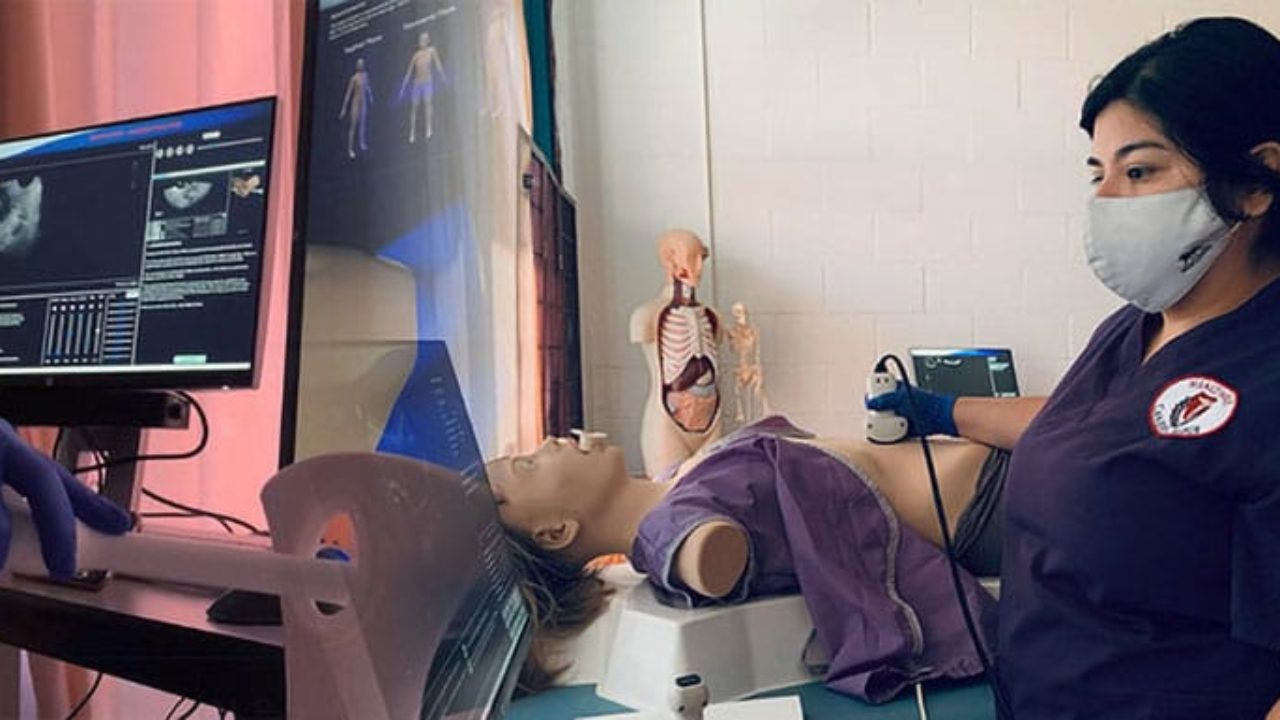
Credit: healthcarecareercollege.edu
Choosing The Right School
Choosing the right school is a key step to become an ultrasound technician. The school shapes your skills and job opportunities. It affects your learning experience and future career path.
Several factors matter when selecting a program. These include accreditation, costs, and location. Each one plays a role in your success and satisfaction.
Accreditation Importance
Accreditation shows a program meets quality standards. Employers prefer graduates from accredited schools. It ensures you receive proper training and education. Look for accreditation from recognized bodies like CAAHEP or JRCERT. Without it, certification and job options may be limited.
Program Costs
Program costs vary widely between schools. Consider tuition, fees, books, and supplies. Some schools offer financial aid or scholarships. Calculate total expenses before deciding. Choose a program that fits your budget without sacrificing quality.
Location And Flexibility
Location impacts daily travel and living expenses. Choose a school near your home or work. Some programs offer online or part-time classes. Flexible schedules help balance studies with other duties. Pick a program that matches your lifestyle and commitments.
Career Outlook And Advancement
Understanding the career outlook and advancement opportunities as an ultrasound tech helps you make informed decisions about your education and future. The demand for skilled ultrasound technicians continues to grow, but knowing where to focus can boost your success. Let’s break down key factors that affect your job prospects and growth in this field.
Job Market Trends
The healthcare industry shows a steady rise in demand for ultrasound techs due to an aging population and increased use of diagnostic imaging. Many regions have a shortage of qualified professionals, which means more job openings and better salaries. However, urban areas tend to offer more opportunities compared to rural locations, so consider where you want to work.
Are you ready to move or commute for a better job? That flexibility can make a big difference in your career path.
Specialization Options
Ultrasound technology offers various specialties like obstetric, cardiac, vascular, and musculoskeletal imaging. Choosing a specialization can set you apart from other techs and increase your earning potential. For instance, cardiac sonographers often earn higher wages due to the complexity of their work.
Think about what interests you most—do you want to work with babies, heart health, or something else? Specializing not only improves your skills but also your job satisfaction.
Continuing Education
Healthcare is always evolving, and continuing education is essential to stay current with new techniques and equipment. Many employers prefer or require ultrasound techs to complete certifications and advanced training. Attending workshops, online courses, or pursuing an advanced degree can open doors to supervisory roles or teaching positions.
Have you considered how updating your skills regularly could impact your career growth? Investing in education can keep you competitive and ready for new challenges.

Credit: www.cambridgehealth.edu
Frequently Asked Questions
How Long Does Ultrasound Tech School Usually Take?
Ultrasound tech programs typically last 1 to 2 years for an associate degree. Some offer shorter certificate options. Bachelor’s degrees take about 4 years. Program length depends on the chosen credential and school format.
What Education Is Required To Become An Ultrasound Tech?
An associate degree in diagnostic medical sonography is the minimum education required. Some employers prefer a bachelor’s degree. Certification is often necessary for employment and requires completion of an accredited program.
Can I Become An Ultrasound Tech With A Certificate?
Yes, some accelerated certificate programs allow you to become an ultrasound tech. These usually require prior healthcare experience. Certificates take less time than degrees but may limit job opportunities compared to degrees.
Is Clinical Training Included In Ultrasound Tech Programs?
Yes, clinical training is a required part of ultrasound tech education. It provides hands-on experience in medical settings. This practical training is essential for skill development and certification eligibility.
Conclusion
Choosing the path of an ultrasound tech is rewarding. Schools offer programs that fit different needs. Some take two years, others more. Online options exist too. Certification matters for better jobs. It’s important to check school accreditation. Students gain skills in anatomy and technology.
Clinical practice is key for hands-on experience. Financial aid can ease tuition costs. Graduates find work in hospitals and clinics. Ultrasound techs play a vital role in healthcare. Demand for these professionals is strong. Explore education options. Start your career journey today.